
As we get older, it’s common to notice changes in our bodies, like feeling a bit more stiffness in the joints or worrying about staying active without discomfort. For many seniors, bone health becomes a key concern that affects everyday life, from simple walks to enjoying time with loved ones. The good news is that incorporating nutrient-rich foods into your diet can play a role in supporting overall wellness. In this guide, we’ll explore one such superfood that stands out for its impressive nutritional profile. But here’s the intriguing part: there’s a lesser-known way to prepare it that maximizes its potential—keep reading to uncover it at the end.
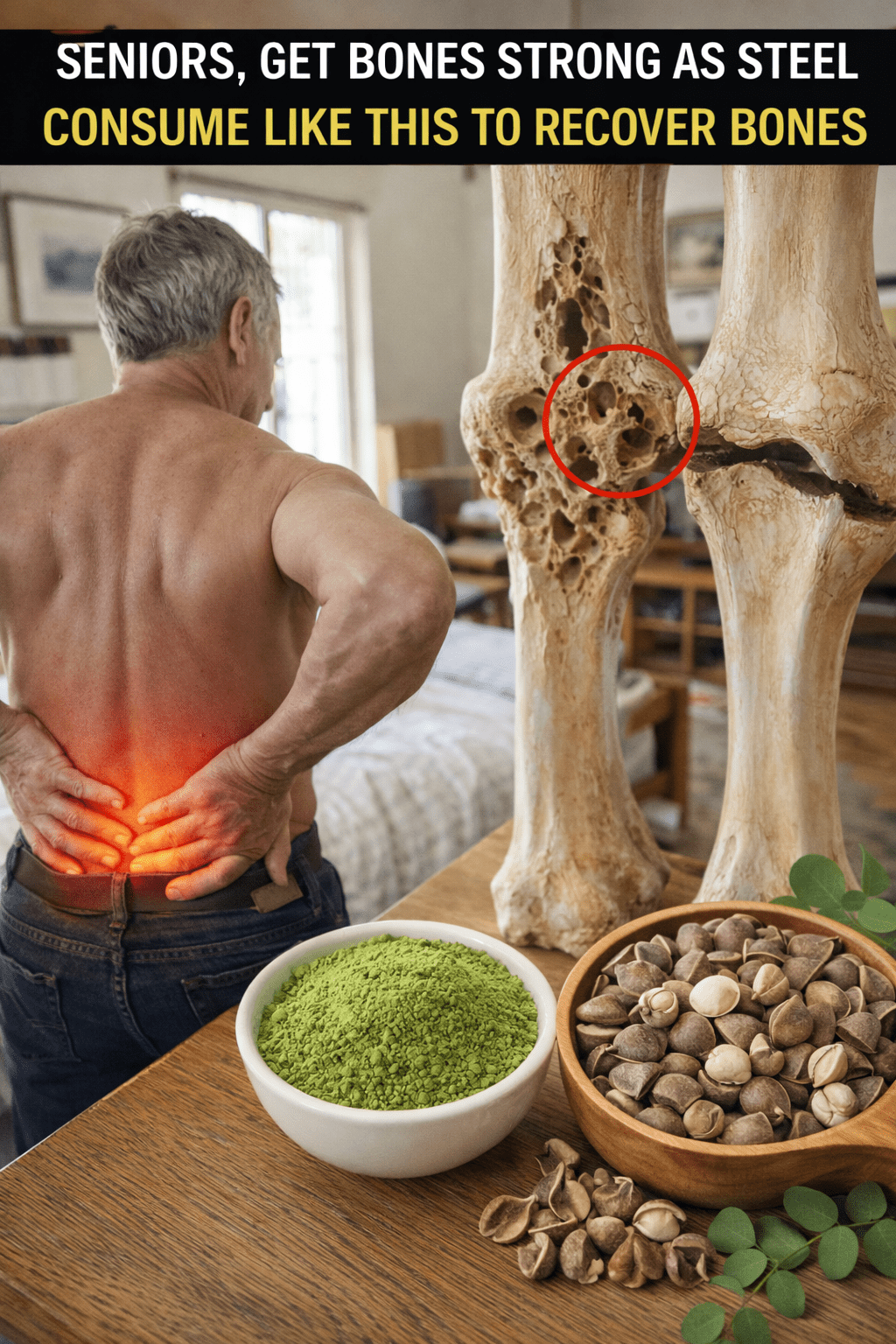
What Is Moringa and Why Is It Gaining Attention?
Moringa, often called the “drumstick tree” or “miracle tree,” is a plant native to parts of Africa and Asia. Its leaves, seeds, and pods are packed with vitamins, minerals, and antioxidants. People have used it in traditional practices for centuries, and now modern interest is growing due to its versatility.
But that’s not all. What makes moringa special is its high concentration of essential nutrients in a small serving. For example, the leaves are rich in calcium, magnesium, and vitamin K—elements that contribute to various aspects of health.
Research from sources like the National Institutes of Health highlights how plant-based foods like moringa provide bioavailable nutrients. This means your body can absorb them more easily compared to some synthetic supplements.
Seniors often look for natural ways to stay vibrant. Moringa fits this bill because it’s easy to find in powder, tea, or capsule form at most health stores.
Here’s the interesting bit: unlike many greens, moringa has a mild, earthy flavor that blends well into meals without overpowering them.
Key Nutrients in Moringa That Support Bone Health
Bones need more than just calcium to stay resilient. Moringa offers a blend of nutrients that work together synergistically.
First, calcium is abundant in moringa leaves—about 17 times more than in milk per gram, according to some studies. This mineral is fundamental for bone structure.
Then there’s magnesium, which helps with calcium absorption and bone density maintenance. Moringa provides a good dose without the need for multiple supplements.
Vitamin K is another standout. It assists in directing calcium to the bones rather than arteries, as noted in research from the Journal of Nutrition.
Antioxidants like quercetin and chlorogenic acid in moringa may help combat oxidative stress, which can impact bone cells over time.
But wait, there’s more. Potassium in moringa supports acid-base balance in the body, potentially aiding bone preservation.
To put this in perspective, here’s a simple comparison table of moringa’s nutrients versus common foods:
| Nutrient | Moringa (per 100g dried leaves) | Spinach (per 100g) | Milk (per 100g) |
|---|---|---|---|
| Calcium | 2000 mg | 99 mg | 125 mg |
| Magnesium | 368 mg | 79 mg | 11 mg |
| Vitamin K | 1080 mcg | 483 mcg | 0.3 mcg |
| Potassium | 1324 mg | 558 mg | 150 mg |
This table shows how moringa stacks up efficiently. Keep in mind, these are approximate values from USDA data.

Potential Benefits of Moringa for Seniors’ Overall Wellness
Incorporating moringa might offer broader advantages beyond bones. For instance, its anti-inflammatory properties could ease minor aches, allowing for better mobility.
Studies, such as those published in Phytotherapy Research, suggest moringa may support joint comfort due to its bioactive compounds.
Energy levels can dip with age, but moringa’s iron content—higher than spinach—helps with oxygen transport in the blood.
It’s also a source of protein, with all nine essential amino acids, making it a complete plant-based option for vegetarians.
Seniors concerned about heart health might appreciate the fiber and omega-3s in moringa seeds, which contribute to cholesterol management.
The truth is, while no single food is a magic bullet, consistent use of nutrient-dense options like this can add up over time.
One study from the International Journal of Molecular Sciences explored how moringa’s polyphenols protect cells, including those in bones.
But here’s a key point: always start slow to see how your body responds.
How to Choose and Store Moringa Safely
Selecting quality moringa is crucial. Look for organic, non-GMO products from reputable brands to avoid contaminants.
Powder form is popular for its convenience—store it in a cool, dark place to preserve freshness for up to a year.
If using fresh leaves, which are rarer in stores, wash them thoroughly and use within a few days.
Seeds can be roasted or eaten raw, but consult a guide for proper preparation.
Dried pods are another option, often boiled like green beans.
The fact is, proper storage prevents nutrient loss, ensuring you get the most from each serving.
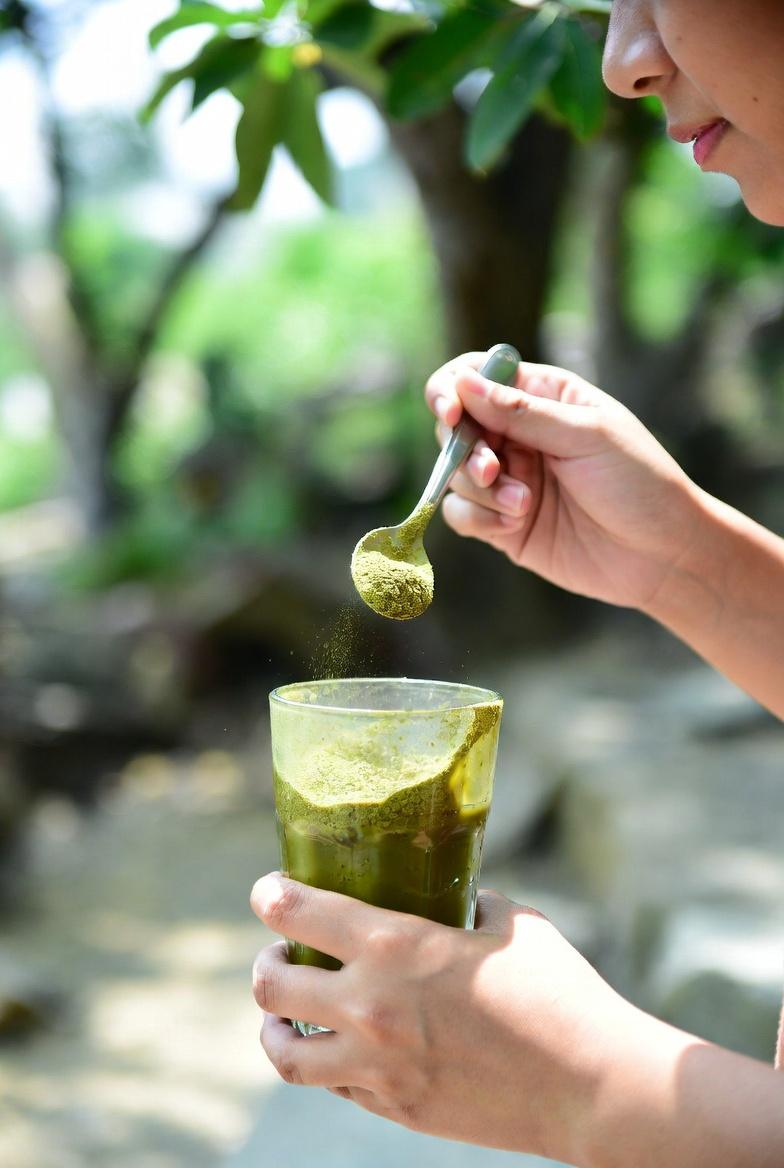
Step-by-Step Guide to Incorporating Moringa into Your Diet
Ready to try it? Here’s a simple, actionable plan:
- Start Small: Begin with 1/2 teaspoon of moringa powder daily to monitor tolerance.
- Mix into Beverages: Stir into smoothies, tea, or water for an easy boost.
- Add to Meals: Sprinkle on salads, soups, or yogurt without altering taste much.
- Try Recipes: Experiment with moringa in baked goods or as a seasoning.
- Track Progress: Note how you feel after a few weeks and adjust as needed.
These steps make it approachable for busy seniors.
For variety, consider this bullet list of quick ideas:
- Blend moringa powder with banana and almond milk for a morning shake.
- Brew moringa tea by steeping leaves in hot water for 5 minutes.
- Roast seeds as a snack, similar to nuts, for a crunchy treat.
- Mix into oatmeal for added nutrition without extra effort.
- Use in soups by adding at the end to retain vitamins.
Each method takes less than 10 minutes.
Delicious Moringa Recipes Tailored for Seniors
Let’s get practical with recipes that are simple and nutritious.
Moringa Green Smoothie:
Ingredients: 1 tsp moringa powder, 1 banana, 1 cup spinach, 1/2 cup yogurt, water as needed.
Blend until smooth. This provides a gentle energy lift.
Moringa-Infused Herbal Tea:
Boil water, add 1 tsp dried moringa leaves, steep for 5-7 minutes. Add honey if desired.
It’s calming and hydrating.
Roasted Moringa Seeds Snack:
Rinse seeds, dry, roast at 350°F for 10 minutes. Season lightly with salt.
A crunchy alternative to popcorn.
These recipes use common ingredients and minimal cooking.
But that’s just the start. For a twist, try moringa in pesto by replacing basil.
Things to Consider Before Adding Moringa
While generally safe, moringa might interact with certain medications, like those for thyroid or blood pressure.
Pregnant individuals or those with specific conditions should check first.
Hydration is key, as increased fiber intake requires more water.
Listen to your body—if something feels off, pause and reassess.
Research from WebMD notes moringa’s safety profile for most adults in moderate amounts.
Wrapping It Up: Empowering Your Bone Health Journey
In summary, moringa is a versatile superfood that can be a valuable addition to a senior’s diet, offering nutrients that support bone health naturally. By starting with small amounts and experimenting with recipes, you can make it a seamless part of your routine. Remember, consistency and a balanced lifestyle are key to feeling your best.
Frequently Asked Questions
What is the best time of day to consume moringa for bone support?
Many find morning ideal, as it pairs well with breakfast and provides nutrients to start the day. However, any consistent time works based on your schedule.
Can moringa be combined with other supplements for better results?
Yes, it complements vitamin D or calcium supplements, but always review with a healthcare provider to avoid overlaps.
Is moringa suitable for vegetarians or those with dietary restrictions?
Absolutely, it’s plant-based and free from common allergens like dairy or gluten, making it accessible for various diets.
Please note: This article is for informational purposes only and not intended as medical advice. Consult your healthcare professional before making dietary changes, especially if you have underlying health conditions.


