
Many people deal with occasional digestive discomfort, such as irregularity or feeling bloated after meals. These issues can make everyday life feel heavier, affecting energy levels and overall well-being. The good news is that simple dietary tweaks, like incorporating more fiber-rich foods, may help promote smoother digestion naturally. In this article, we’ll explore one popular option—chia seeds—and how they might fit into a balanced approach to gut health. Stick around until the end for a simple way to try them that could become your new morning habit.
What Makes Chia Seeds Stand Out for Digestive Support?
Chia seeds, derived from the Salvia hispanica plant, have been valued for centuries in traditional diets. These tiny black or white seeds are packed with nutrients that many modern diets lack.
Research suggests that foods high in dietary fiber can play a key role in maintaining healthy digestion. Chia seeds are particularly notable for their impressive fiber content—about 10 grams per ounce, including both soluble and insoluble types.
Here’s why this matters:
- Soluble fiber absorbs water and forms a gel-like substance in the digestive tract, which may help soften stool and support regular bowel movements.
- Insoluble fiber adds bulk, potentially aiding the natural movement of waste through the intestines.
Studies, including those examining the effects of chia on intestinal morphology and transit time in animal models, indicate potential benefits for gut comfort. Human research also points to fiber from sources like chia supporting overall digestive regularity.
But that’s not all…
The Science Behind Fiber and Gut Health
High-fiber diets are linked to better gut function in numerous ways. Fiber feeds beneficial gut bacteria (acting as a prebiotic), which may contribute to a balanced microbiome.
Some investigations using dynamic models have explored how chia mucilage (the gel-forming part) interacts with gut microbiota, showing changes in viscosity and microbial activity that could support digestion.
Additionally, the omega-3 fatty acids (like ALA) in chia seeds offer anti-inflammatory properties that might indirectly benefit gut lining health.
Key nutritional highlights per 1-ounce (28g) serving of chia seeds:
- Fiber: ~10g (a significant portion of daily needs)
- Protein: ~5g
- Omega-3s: High levels of plant-based ALA
- Minerals: Calcium, magnesium, and phosphorus for overall wellness
These elements work together to make chia a versatile addition to meals.
How Chia Seeds Might Help with Everyday Digestive Comfort
Unlike dramatic claims of “flushing out buildup,” the real value comes from consistent fiber intake. There’s no evidence that seeds remove any kind of “cement-like” residue in the intestines—that’s a common myth not supported by science. Instead, the fiber promotes natural processes.
Regular consumption may:
- Encourage softer, easier-to-pass stools
- Support consistent bowel habits
- Help reduce occasional bloating when paired with enough water
Experts emphasize starting slowly to allow your body to adjust, as sudden increases in fiber can sometimes cause temporary discomfort.
Simple Ways to Add Chia Seeds to Your Routine
Ready to experiment? Here are practical, step-by-step tips to incorporate chia seeds safely and enjoyably.
Basic daily serving suggestion: Start with 1-2 tablespoons (about 15-30g) per day.
Step-by-step guide to making chia pudding (a gentle, popular option):
- Mix 2 tablespoons of chia seeds with 1 cup of your favorite liquid (water, plant milk, or yogurt).
- Stir well to prevent clumping.
- Let it sit for 5 minutes, then stir again.
- Refrigerate overnight (or at least 2 hours) for a pudding-like texture.
- Top with fresh fruit, nuts, or a drizzle of honey in the morning.
Other easy ideas:
- Sprinkle on yogurt or oatmeal for added texture
- Blend into smoothies for thickness
- Use as an egg substitute in baking (1 tbsp chia + 3 tbsp water = 1 “egg”)
Always drink plenty of water throughout the day—fiber needs hydration to work best.
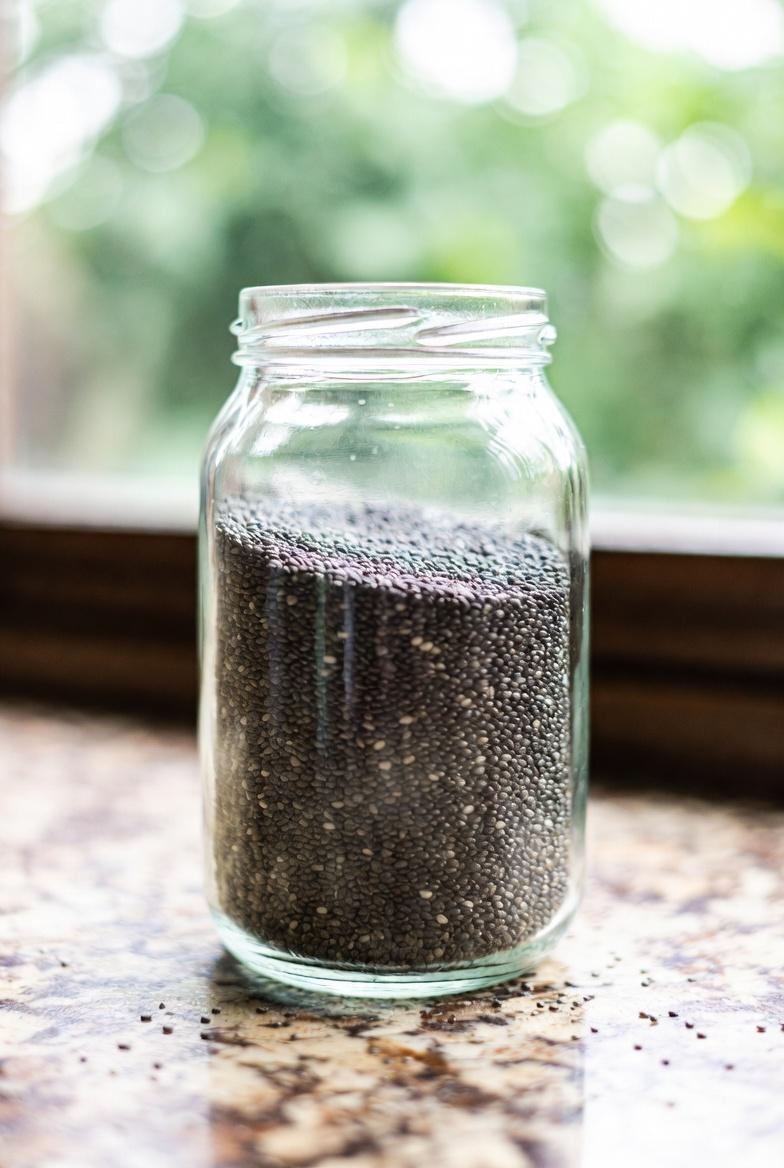
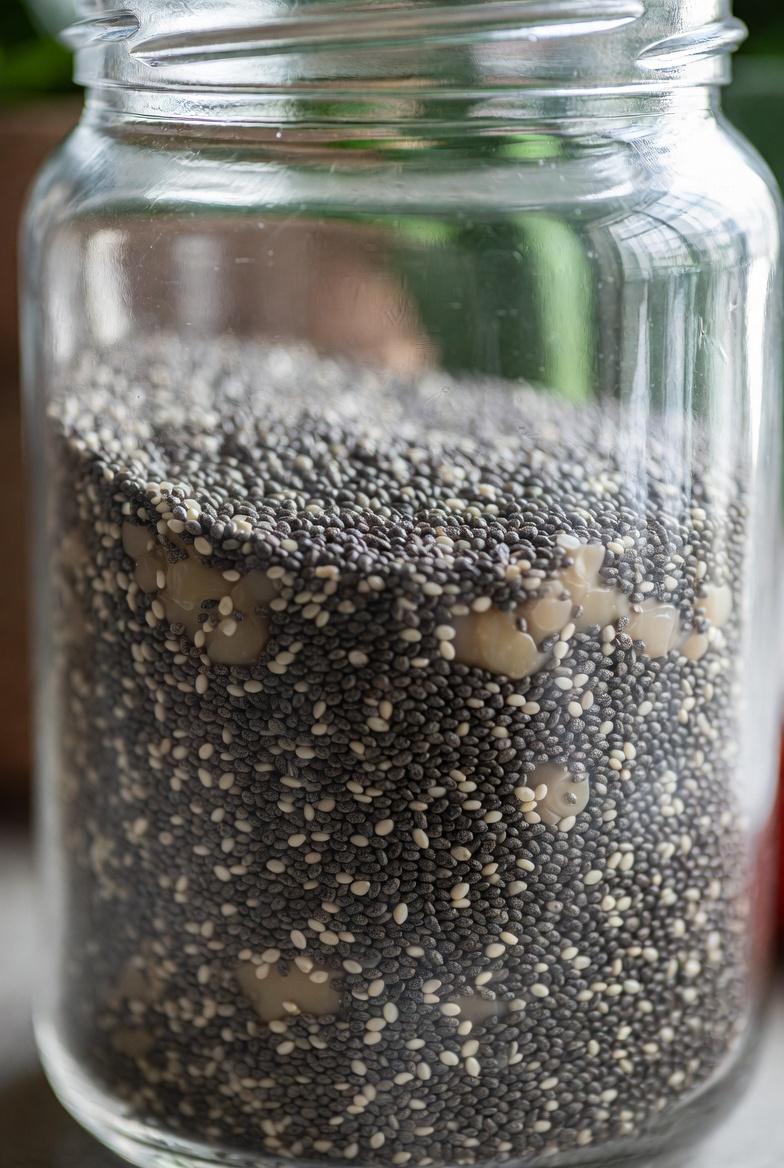
Here are two realistic photos of chia seeds to help visualize how they look in everyday use:
This shows dry chia seeds straight from the jar, perfect for measuring your daily portion.
And here’s a close-up of soaked chia seeds forming their natural gel—ideal for puddings or overnight prep.
Potential Considerations When Trying Chia Seeds
While chia seeds are generally well-tolerated, a few things to keep in mind:
- Start small if you’re new to high-fiber foods
- Stay hydrated to avoid any temporary digestive adjustments
- Consult a healthcare provider if you have conditions like IBS or are on medications
Consistency is more important than quantity—aim for gradual incorporation into balanced meals.
Wrapping It Up: A Simple Step Toward Better Digestion
Adding chia seeds won’t transform your gut overnight, but as part of a fiber-rich, varied diet, they offer a convenient way to support digestive comfort and regularity. Pair them with fruits, veggies, and plenty of water for the best results.
Frequently Asked Questions
How much chia seeds should I eat daily for digestive benefits? Most studies and experts suggest 1-2 tablespoons per day, providing ample fiber without overwhelming your system. Adjust based on your needs and tolerance.
Do I need to grind chia seeds? Not necessarily—whole seeds work well when soaked, but grinding can enhance nutrient absorption for some people.
Can chia seeds replace other fiber sources? They’re a great addition, but variety is key. Combine with foods like oats, fruits, and vegetables for comprehensive support.
Disclaimer: This article is for informational purposes only and not intended as medical advice. Always consult a qualified healthcare professional before making significant dietary changes, especially if you have pre-existing health conditions.


