
Cervical cancer remains one of the most common cancers affecting women worldwide, and while it’s largely linked to persistent infection with high-risk types of human papillomavirus (HPV), certain behaviors in intimate relationships can play a surprising role in increasing exposure to this virus. Many women in long-term partnerships assume their risk is low, but research shows that habits of male partners — especially those involving sexual history — can influence HPV transmission and persistence. This can feel overwhelming or even unfair for women who prioritize monogamy in their marriage.
But here’s the reassuring part: awareness is powerful. Studies suggest that understanding these factors and taking simple preventive steps can make a real difference in protecting long-term health. In this article, we’ll explore three key intimate habits of husbands that research links to higher cervical cancer risk for their wives, backed by scientific insights. And stay with me — toward the end, you’ll discover practical ways couples can work together to lower that risk.
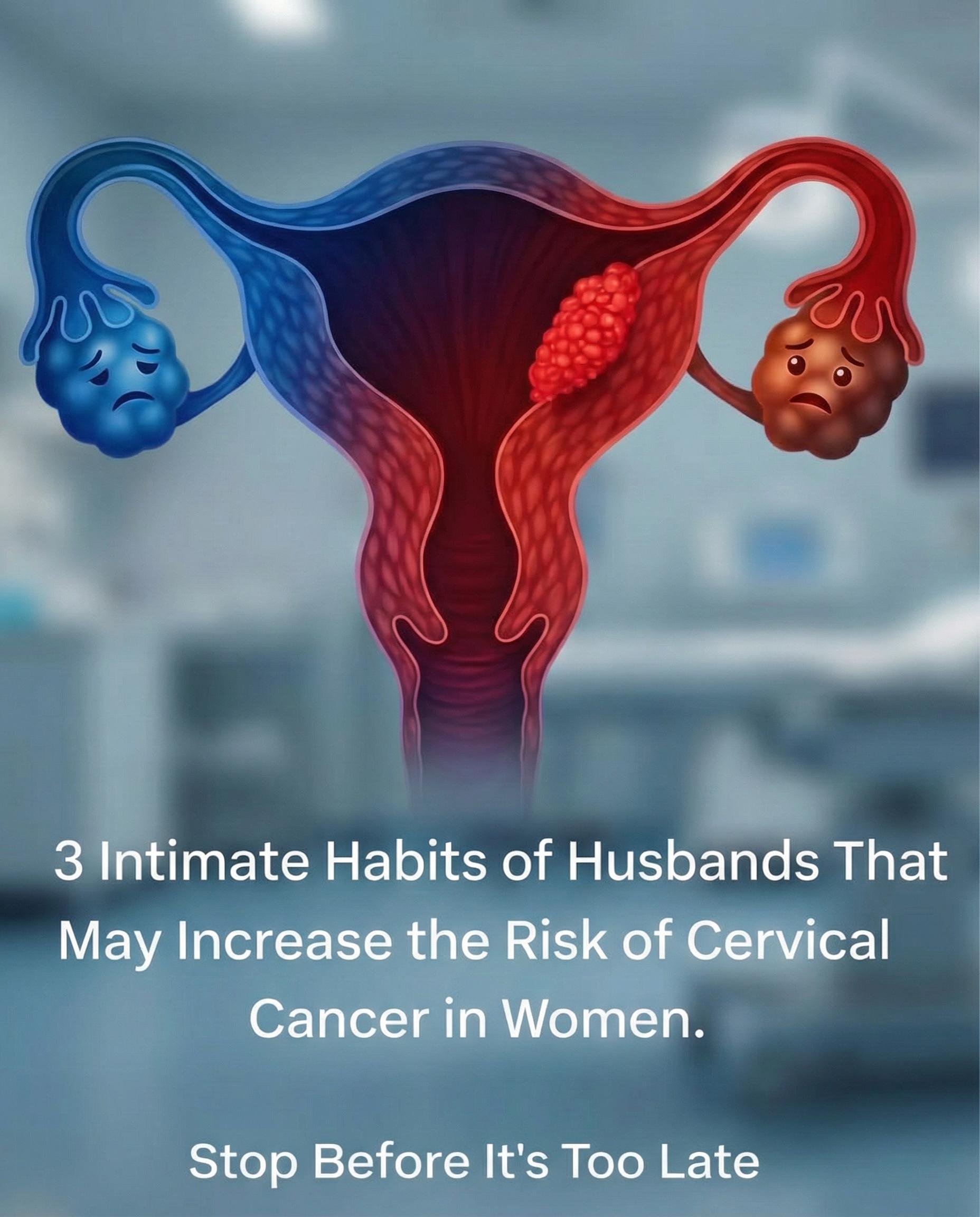
Understanding the Main Cause: HPV and How It Spreads
Before diving into the habits, let’s clarify the foundation. HPV is a very common virus spread primarily through skin-to-skin sexual contact. Most infections clear on their own, but when high-risk types persist, they can lead to changes in cervical cells over time.
Research from organizations like the American Cancer Society and the International Agency for Research on Cancer (IARC) consistently shows that HPV is the primary driver. However, certain male behaviors can increase the chances of transmitting high-risk HPV strains to female partners.
Habit 1: A History of Multiple Sexual Partners
One of the most well-documented factors is a partner’s lifetime number of sexual partners. Studies, including large-scale analyses from Spain and India, have found that men with more sexual partners — especially if those include premarital or extramarital relationships — may carry and transmit high-risk HPV more readily.
For example, research has shown that the presence of HPV DNA in a man’s genital area can significantly elevate risk for his wife. In one key study, husbands reporting multiple extramarital partners were associated with higher odds of cervical issues in their partners. This doesn’t mean every man with a varied past poses a threat, but the pattern appears in multiple epidemiological reviews.
Why this matters in marriage: Even in monogamous relationships now, past exposures can linger as persistent HPV. The good news? Regular screening helps catch changes early.
But that’s not the full picture…
Habit 2: Engaging in High-Risk Sexual Contacts (Including Contacts with Commercial Sex Workers)
Related closely to the first habit is contact with partners who may have higher HPV exposure, such as commercial sex workers. Multiple international studies have highlighted this as a potential vector for high-risk HPV types.
In low- to intermediate-risk areas, men with such histories showed stronger links to increased cervical cancer odds in their wives. The virus thrives in environments with higher transmission rates, and these contacts can introduce or maintain infections that pass to long-term partners.
This can be tough to discuss, but open conversations in relationships build trust and encourage mutual health checks.
Here’s the interesting part…

Habit 3: Tobacco Use and Smoking
Smoking isn’t just a personal health issue — it can affect intimate partners indirectly. Tobacco use weakens the immune system, making it harder to clear HPV infections. Studies show that smokers (and even those exposed to secondhand smoke) have higher risks of persistent HPV and related cell changes.
Research from pooled analyses indicates that current tobacco use is linked to increased squamous cell carcinoma risk in the cervix. Components from tobacco can appear in cervical mucus, potentially damaging cells and allowing HPV to persist longer.
Quick comparison of how these habits stack up:
- Multiple sexual partners → Increases exposure to various HPV strains
- High-risk contacts → Raises likelihood of carrying persistent high-risk types
- Tobacco use → Impairs immune clearance of the virus
All three can compound each other, but addressing them individually brings benefits.
Practical Steps Couples Can Take to Lower Risk
The best part? Many of these risks are manageable with proactive habits. Here are actionable tips you can start today:
- Get vaccinated if eligible — The HPV vaccine protects against the most dangerous strains and is recommended for adults up to certain ages. Talk to a healthcare provider about options.
- Schedule regular cervical screening — Pap tests or HPV tests detect changes early, when they’re easiest to manage. Follow guidelines based on age and history.
- Practice open communication — Discuss sexual health honestly. Mutual testing for STIs (including HPV where available) can provide peace of mind.
- Support quitting tobacco — If smoking is a factor, resources like counseling or nicotine replacement can help. Quitting improves immune function and overall well-being.
- Use protection when needed — While not 100% effective against HPV, barriers reduce transmission risks in new or multiple-partner scenarios.
These steps empower couples to prioritize health together.
Conclusion: Knowledge Is Your Best Protection
While cervical cancer is a serious concern, understanding the role of intimate habits — like a partner’s sexual history and tobacco use — highlights how shared responsibility can make a difference. HPV transmission isn’t inevitable, and early detection plus healthy choices dramatically improve outcomes.
Take charge of your health today. Talk to your doctor about screening, vaccination, and any concerns. Small changes in habits can lead to big protections for the future.

Frequently Asked Questions
Q: Can a monogamous wife still be at risk if her husband had multiple partners before marriage?
A: Yes, because HPV can persist without symptoms. Regular screening is key to monitoring.
Q: Does using condoms completely prevent HPV transmission?
A: Condoms reduce risk but don’t eliminate it, since HPV spreads through skin-to-skin contact beyond covered areas.
Q: How often should women get screened for cervical changes?
A: Guidelines vary by age and country, but most recommend Pap/HPV testing every 3-5 years for average-risk women. Consult your healthcare provider.
Disclaimer: This article is for informational purposes only and is not a substitute for professional medical advice. Always consult a qualified healthcare provider for personalized guidance regarding cervical health, screening, or any health concerns. Early detection and prevention strategies are recommended by major health organizations, but individual risks vary.


