
Fleas can turn your cozy home into a nightmare for both you and your beloved pets, causing constant scratching, irritated skin, and endless frustration as these tiny pests jump and multiply. Many pet owners feel overwhelmed when spotting fleas on their dog or cat, searching for quick, gentle solutions that won’t harm their furry family members. While some popular home remedies like baking soda get a lot of attention online, the key is understanding what truly supports a cleaner, more comfortable environment without overpromising results.
In this guide, we’ll explore natural approaches to managing fleas in your home and on your pets, including how everyday items like baking soda fit in, along with other practical steps pet owners often try. Stick around until the end for a surprising combination that many find helpful in their routine.
Why Fleas Are Such a Persistent Problem
Fleas thrive in warm, humid environments and go through a complete life cycle: eggs, larvae, pupae, and adults. Adult fleas spend most of their time on pets, but the majority of the population—eggs, larvae, and pupae—hides in carpets, furniture, bedding, and cracks in the floor. Research shows that addressing only the visible adults rarely solves the issue, as new ones emerge quickly.
This is why a multi-step approach focusing on cleaning, grooming, and environmental management tends to give pet owners better peace of mind.
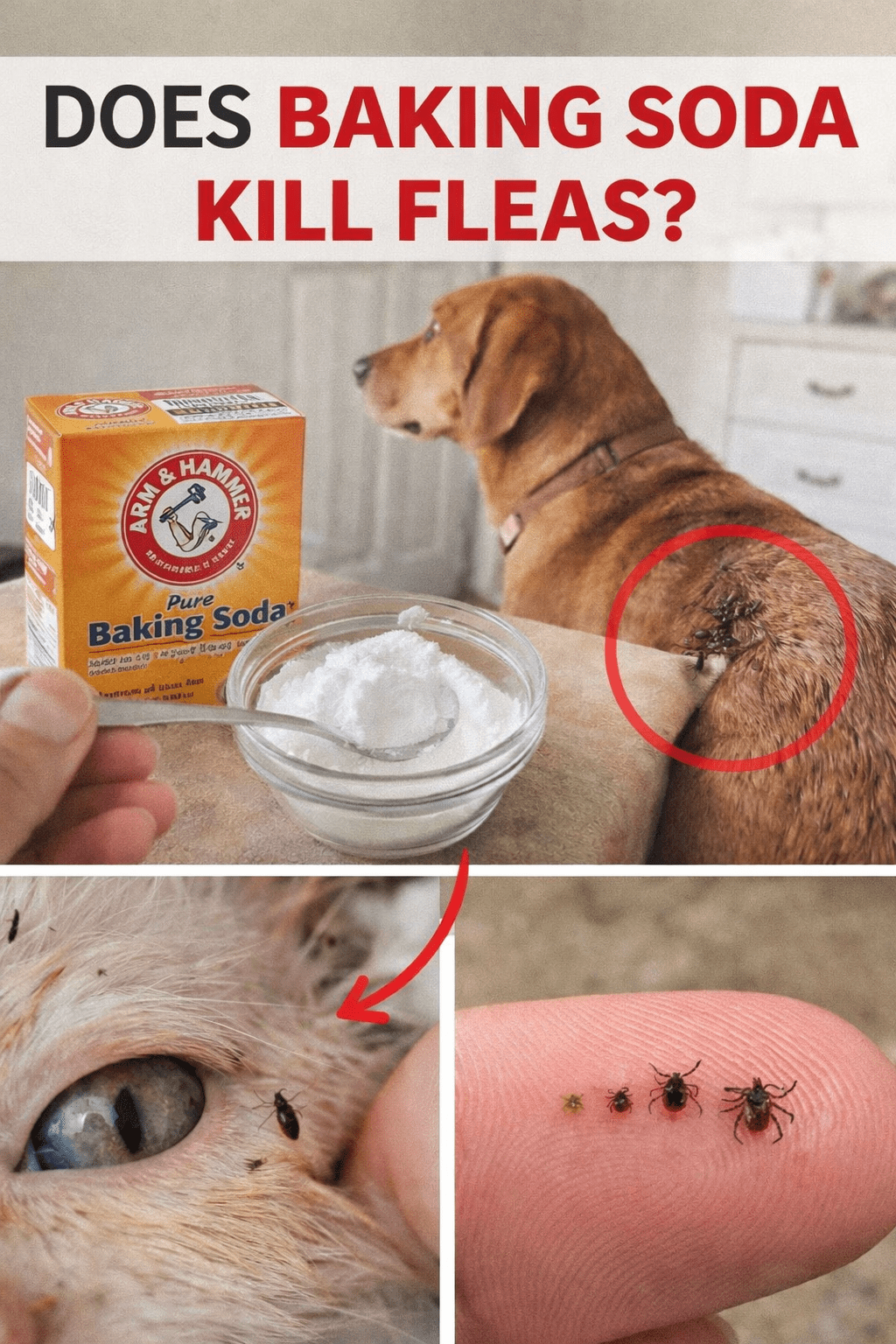
Can Baking Soda Play a Role in Flea Management?
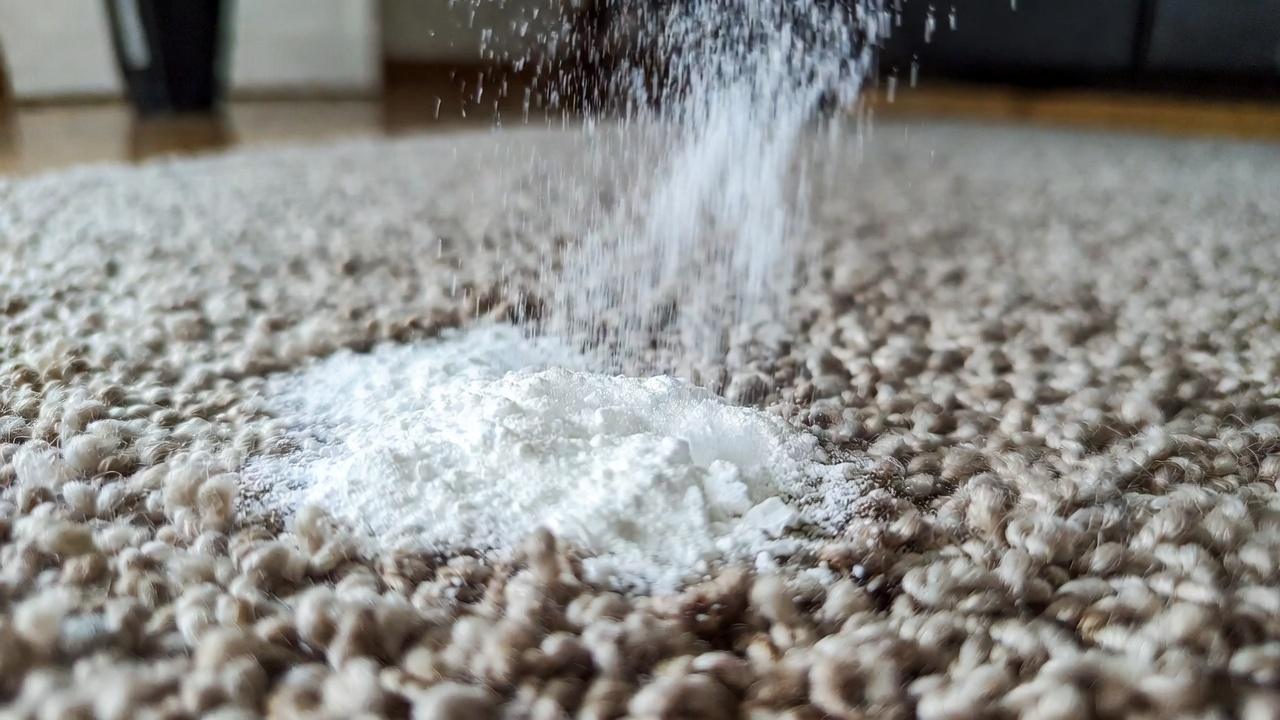
Baking soda, a common household staple, is often mentioned for its ability to absorb moisture and odors. Some pet owners sprinkle it on carpets, let it sit, and then vacuum, hoping it helps dry out fleas in the environment. Studies and veterinary sources indicate that while it may have a limited dehydrating effect on exposed fleas or larvae (similar to how salt works), evidence for strong effectiveness is lacking, especially against adult fleas on pets.
Veterinarians generally note that baking soda alone isn’t a reliable standalone solution, but it can be part of a broader cleaning routine. It’s inexpensive, non-toxic in small amounts, and safe around most homes when used carefully.
Important note: Never apply baking soda directly to your pet’s coat in large quantities without guidance, as pets may lick it off or experience skin dryness. Always prioritize vet-recommended options for direct pet application.
Safer Natural Ways to Support Flea Control at Home
Here are some commonly recommended natural strategies that pet owners use alongside regular vet care:
- Thorough Vacuuming Routine Vacuum daily, focusing on high-traffic areas, pet bedding, and furniture crevices. Empty the vacuum outside immediately to prevent fleas from escaping. This simple habit removes eggs and larvae before they hatch.
- Hot Water Washing Wash pet bedding, blankets, and any fabrics your pet contacts in hot water (at least 140°F/60°C if safe for the material), then dry on high heat. This kills many stages of the flea life cycle.
- Flea Combing Your Pet Use a fine-toothed flea comb dipped in soapy water to physically remove fleas. Comb gently from head to tail, wiping the comb in the water after each pass. This works well for spotting and reducing numbers on your pet.
Here’s a quick step-by-step for effective flea combing:
- Gather a flea comb, mild soap, and a bowl of soapy water.
- Work in a well-lit area and start at the head.
- Part the fur and comb through slowly.
- Dunk the comb in soapy water to drown captured fleas.
- Repeat daily during active infestations.
Other Popular Natural Options to Consider
Many pet parents explore these gentle methods as part of their plan:
- Apple Cider Vinegar Spray — Mix equal parts water and raw apple cider vinegar in a spray bottle. Lightly mist your pet’s coat (avoid eyes), as the scent may deter fleas. It’s not a killer but can add to your routine.
- Lemon-Based Repellent — Boil sliced lemons in water, steep overnight, then strain and spray on fur or bedding. The citrus aroma is thought to repel fleas naturally.
- Food-Grade Diatomaceous Earth (DE) — This powdery substance from fossilized algae can be sprinkled in pet areas (not directly on pets without caution). It works by damaging exoskeletons through dehydration. Use food-grade only, avoid inhalation, and vacuum after a few days. Many find it more effective than baking soda for environmental control.
Quick Comparison of Natural Helpers:
- Baking Soda: Affordable, good for odors, limited dehydrating potential on carpets.
- Salt + Baking Soda Mix: Some combine them for extra drying on rugs—let sit 24-48 hours, then vacuum.
- Diatomaceous Earth: Often preferred for stronger environmental impact, but requires careful handling.
- Essential Oils (diluted): Lavender or lemon may repel, but use extreme caution—many are toxic to cats.
But that’s not all—combining these with consistent cleaning often yields the best results.
Step-by-Step Home Cleaning Plan to Try Today
Follow this actionable routine for ongoing support:
- Treat all pets with vet-approved flea products first (topical, oral, etc.).
- Vacuum thoroughly everywhere pets go.
- Wash bedding in hot water.
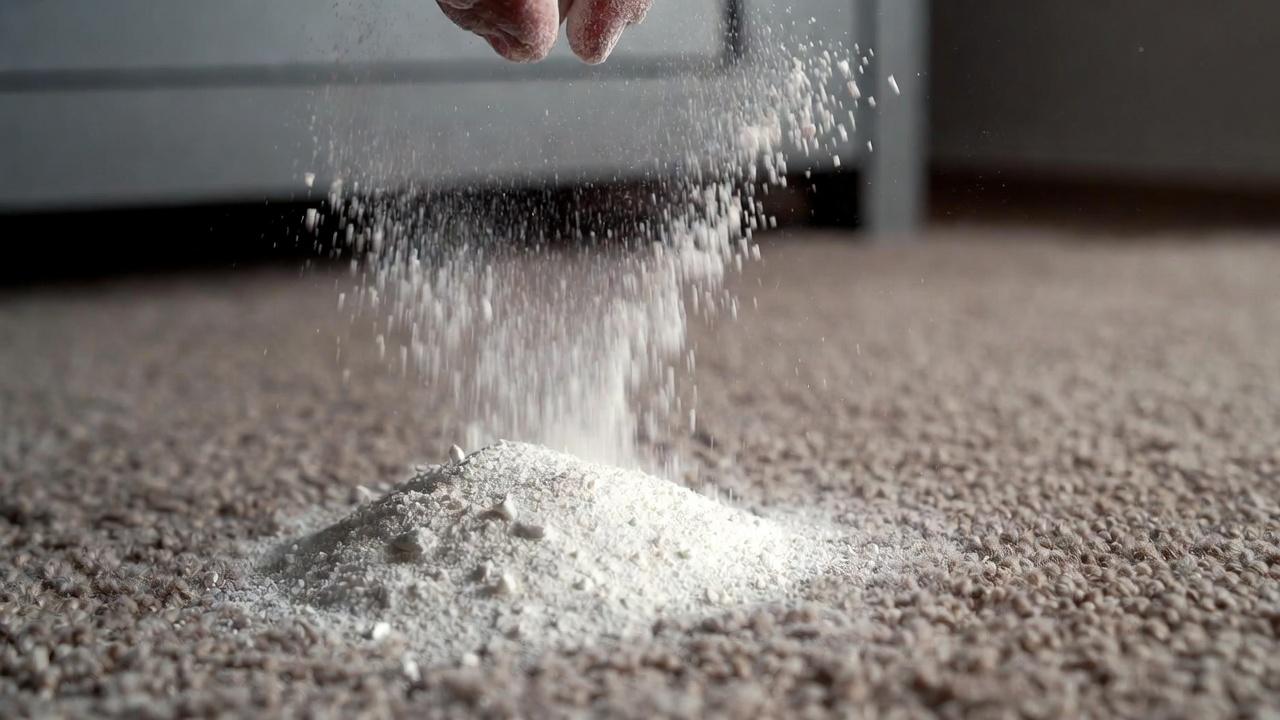
- Sprinkle a natural powder (like baking soda or DE) on carpets, rub in lightly, leave for 24+ hours, then vacuum again.
- Repeat vacuuming every 2-3 days for 2-4 weeks to catch hatching eggs.
- Monitor your pet for improvement and consult your vet if needed.
Wrapping It Up: Building a Flea-Resistant Home
Managing fleas naturally comes down to persistence, cleaning, and supporting your pet’s comfort. While baking soda offers a gentle, budget-friendly option for home use, it’s most helpful as part of a bigger picture that includes thorough vacuuming, washing, and professional guidance. Your pets deserve relief, and these steps can make a real difference in keeping your space calmer and more enjoyable.
Frequently Asked Questions
Does baking soda work instantly on fleas? No, any potential dehydrating effect takes time (hours to days) and mainly applies to environmental stages, not adults on pets. It’s not an instant fix.
Is it safe to use baking soda around cats? Baking soda is generally non-toxic in small household amounts, but avoid direct heavy application on cats, as they groom intensely and could ingest it. Consult your vet for cat-specific advice.
How long does a flea infestation typically last? With consistent cleaning and treatment, many see improvement in 2-4 weeks, but full control depends on breaking the life cycle completely.
Disclaimer: This article is for informational purposes only and not intended as veterinary advice. Fleas can cause discomfort and potential health issues for pets. Always consult your veterinarian before trying new methods or if your pet shows signs of irritation, excessive scratching, or other concerns. They can recommend the safest, most effective options tailored to your pet’s needs.


