
Tooth decay sneaks up quietly, starting as a small discomfort that grows into nagging sensitivity, difficulty eating, and worries about your smile. Many people face this common issue due to plaque buildup, bacteria, and everyday habits, leading to frustration and frequent dental concerns. But nature offers simple, accessible options that have been part of traditional practices for generations. In this guide, you’ll explore how guava leaves, with their natural compounds, can become a helpful addition to your oral hygiene habits—and there’s one easy tip at the end that might change how you think about everyday plant care.
Why Guava Leaves Have Gained Attention in Oral Health Discussions
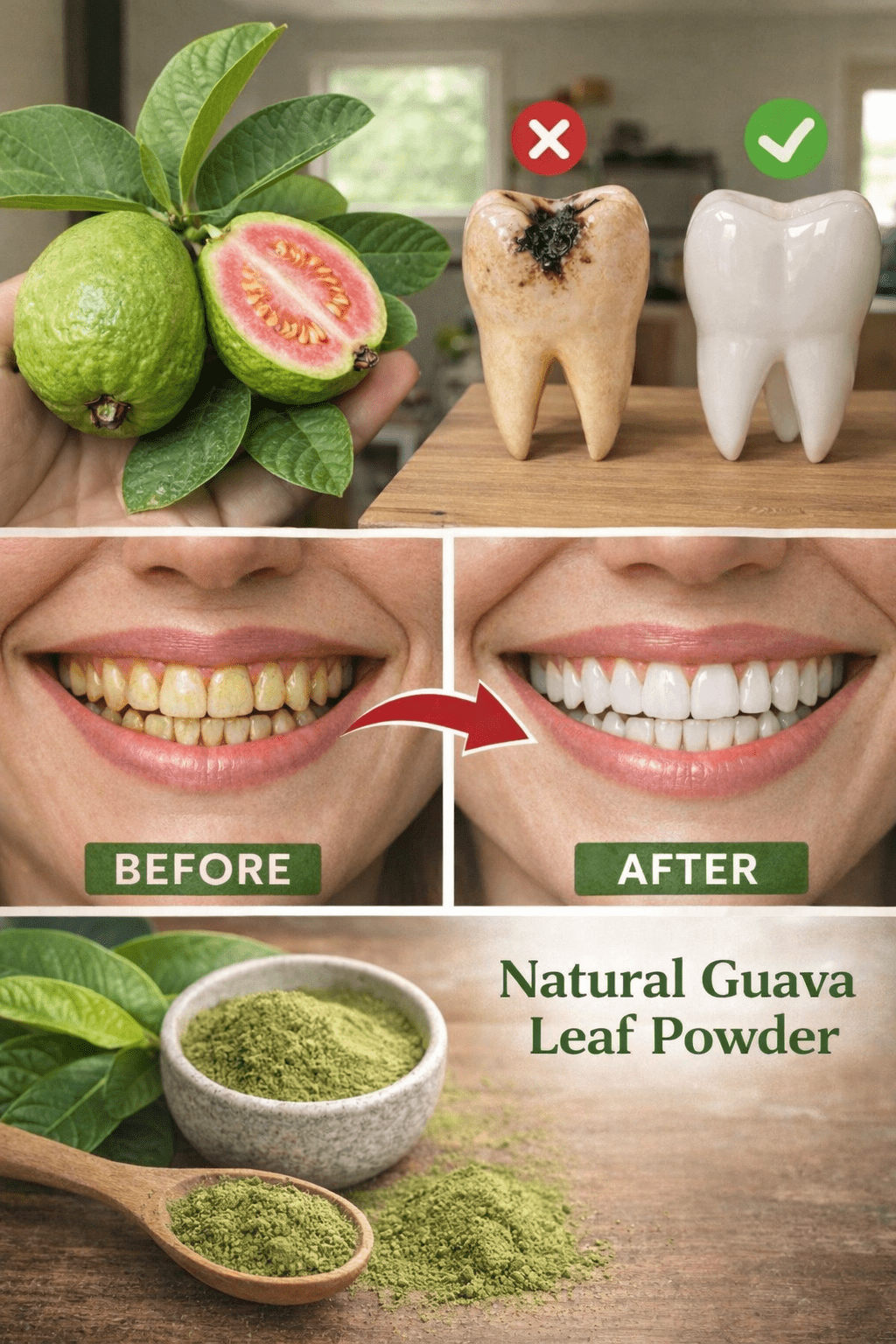
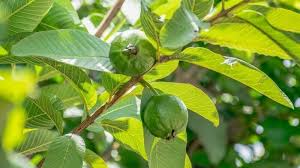
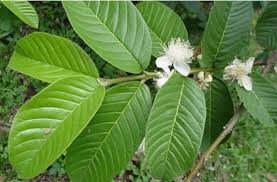
Guava leaves (from the Psidium guajava tree) contain bioactive compounds like flavonoids, tannins, and quercetin. Research suggests these elements show antibacterial properties against certain oral bacteria, including those linked to plaque formation.
Studies have explored how guava leaf extracts may help reduce bacterial growth in the mouth. For instance, investigations have found that compounds such as guaijaverin and quercetin can inhibit the activity of bacteria like Streptococcus mutans, a key player in plaque development.
But that’s not all… These leaves also offer anti-inflammatory effects, which may help calm irritated gums when used as part of a regular routine.
Traditional communities have long turned to guava leaves for oral support, and modern reviews highlight their potential as a natural complement to standard care.
Key Benefits Backed by Traditional Use and Emerging Research
Here are some reasons guava leaves continue to interest those focused on natural oral support:
- Antibacterial action: Compounds in the leaves may interfere with bacterial adhesion and growth in the oral cavity.
- Anti-inflammatory support: They can contribute to soothing mild gum irritation.
- General oral freshness: Many users report a cleaner feeling and fresher breath after incorporating them.
Research, including reviews on Psidium guajava’s role in periodontal health, points to these properties without claiming to replace professional treatments.
3 Simple Ways to Incorporate Fresh Guava Leaves into Your Routine
These methods draw from traditional practices and are easy to try at home. Always start with clean, fresh leaves from a reliable source.
Method 1: Chewing Fresh Guava Leaves for Quick Support
This straightforward approach lets the natural juices contact your teeth and gums directly.
Steps to try:
- Select 2–3 young, clean guava leaves.
- Rinse them thoroughly under running water.
- Chew slowly for a few minutes, letting the juice spread around your mouth.
- Spit out the remnants and rinse if you prefer.
Many people use this for on-the-spot freshness, especially when dealing with minor sensitivity.
Method 2: Preparing a Guava Leaf Mouth Rinse for Everyday Use
A gentle rinse can reach all areas of your mouth as part of your daily habits.
How to make it:
- Gather a handful of fresh guava leaves (about 10–15).
- Boil them in 1–2 cups of water for 10–12 minutes.
- Allow the liquid to cool completely, then strain out the leaves.
- Store in a clean container and use as a rinse for 30 seconds, 2–3 times a day—ideally after brushing.
This method provides broad coverage and feels refreshing for many.
Here’s a quick comparison of the two methods so far:
- Chewing: Fast, no preparation needed, direct contact.
- Rinse: Covers the whole mouth, easy to make in batches, longer-lasting freshness.
Method 3: Making a Simple Guava Leaf Paste for Spot Application
For targeted areas, a paste delivers concentrated contact.
Preparation steps:
- Collect 5–6 fresh leaves and wash them well.
- Grind them into a smooth paste (use a mortar or blender).
- Optionally add a tiny pinch of salt for texture.
- Apply gently to the desired spot with a clean finger or cotton swab.
- Leave on for 5–10 minutes, then rinse with lukewarm water.
This approach feels more focused and is popular for occasional use.
Supporting Your Oral Health with Everyday Habits
Guava leaves work best alongside solid basics. Here are essential tips to pair with them:
- Brush twice daily with fluoride toothpaste.
- Floss every day to remove trapped particles.
- Drink plenty of water to help wash away debris.
- Cut back on sugary snacks and acidic drinks.
- Schedule regular dental check-ups.
Consistency in these habits makes a big difference in maintaining a healthy smile.
Frequently Asked Questions
Can guava leaves replace regular toothpaste or dental visits? No, they serve as a supplementary option only. Fluoride toothpaste and professional cleanings remain essential for comprehensive care.
Are there any precautions when using guava leaves? Most people tolerate them well, but discontinue if you notice any irritation. Consult a healthcare provider if you have allergies or ongoing concerns.
Do guava leaves help with advanced dental issues? These natural approaches support general oral hygiene but cannot address serious conditions like deep cavities—professional dental care is necessary for those.
Final Thoughts: A Simple Natural Addition to Your Smile Routine
Guava leaves offer an affordable, time-tested way to enhance your daily oral care with their natural properties. Whether you chew them fresh, make a rinse, or try a paste, they bring a touch of tradition into modern habits. They complement—not replace—your dentist’s advice, helping you feel more confident in your routine.
Disclaimer: This article is for informational purposes only and is not intended as medical advice. The information provided here is based on traditional uses and available research but does not diagnose, treat, cure, or prevent any disease. Always consult a qualified dental professional or healthcare provider before trying new remedies, especially if you have existing oral health conditions. Individual results may vary.


