
Many men over 50 notice changes in their urinary habits, such as more frequent trips to the bathroom, a weaker stream, or that nagging feeling of not fully emptying the bladder. These common experiences can disrupt sleep, limit daily activities, and quietly erode confidence over time. The frustration builds when simple things like a long car ride or social outing become stressful. While these symptoms often relate to age-related prostate enlargement (known as benign prostatic hyperplasia or BPH), the encouraging part is that everyday habits can play a meaningful role in supporting urinary comfort and overall well-being.
In this guide, we’ll explore seven practical, research-supported lifestyle approaches that many men find helpful for maintaining better bladder and prostate function. Stick around until the end, where we’ll reveal one often-overlooked habit that ties everything together for lasting support.
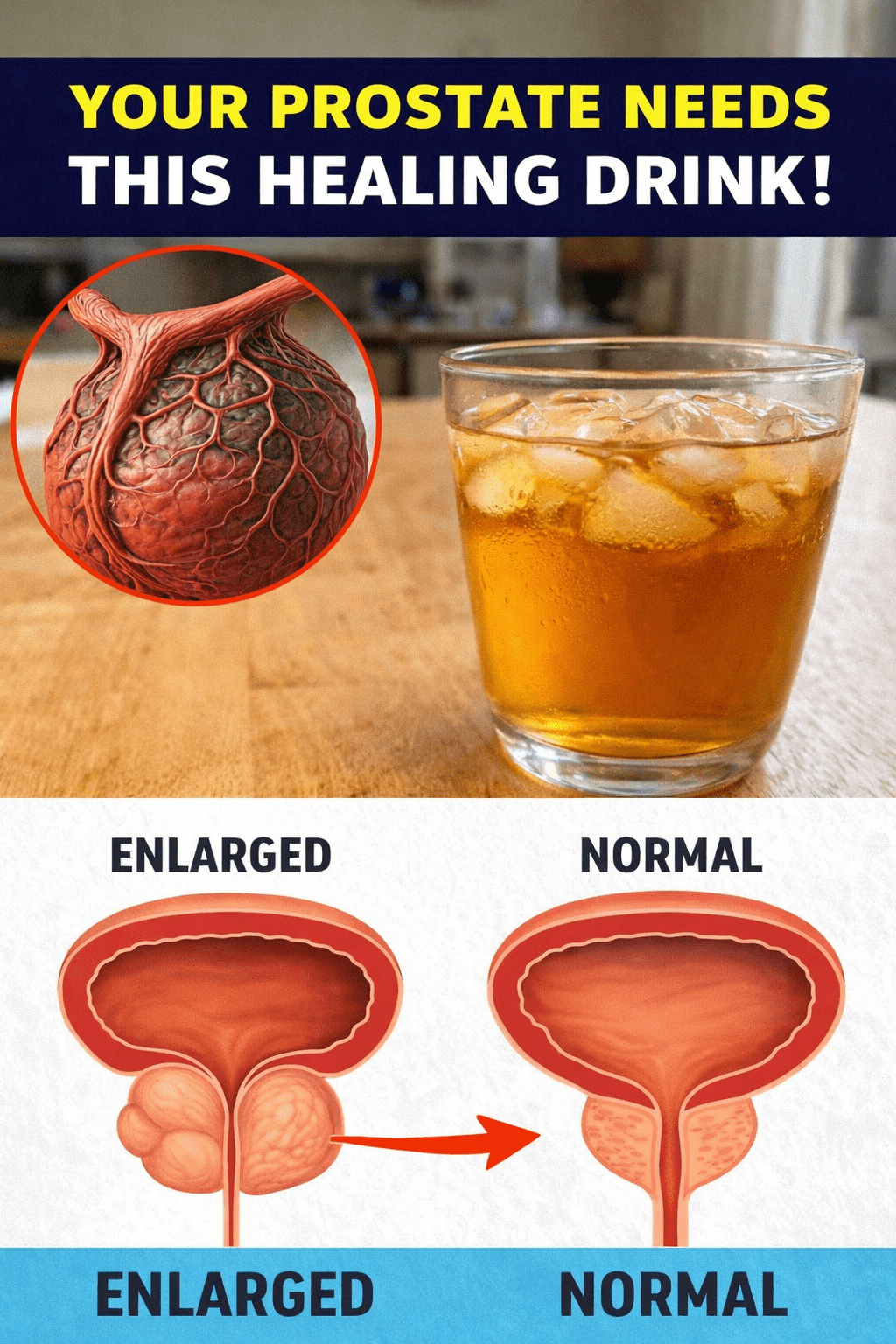
Understanding Common Urinary Changes in Men Over 50
As men age, the prostate gland naturally tends to grow larger, which can gently press on the urethra and affect urine flow. Studies show that more than half of men over 50 experience some degree of these lower urinary tract symptoms. Factors like inflammation, muscle tone, and daily routines all contribute. The key is focusing on supportive habits rather than waiting for things to worsen. But that’s not all—small, consistent changes often bring noticeable improvements in daily comfort.
1. Hydration the Smart Way
Staying properly hydrated helps flush the urinary system and keeps urine less concentrated, which may reduce irritation to the bladder. Research from urology journals emphasizes that steady water intake supports overall bladder health by diluting potential irritants. Aim for 6-8 glasses of water spread throughout the day, rather than large amounts at once. Adding a slice of lemon can provide a refreshing twist and extra vitamin C for mild anti-inflammatory support.
Many men mistakenly cut back on fluids to avoid bathroom trips, but this can make urine more irritating and potentially worsen symptoms. Sip consistently, especially earlier in the day, and limit intake close to bedtime.
Here’s a quick daily hydration tip list:
- Start your morning with a glass of water
- Keep a reusable bottle nearby for steady sipping
- Include herbal teas (caffeine-free) for variety
- Monitor urine color—aim for pale yellow
2. Snack on Pumpkin Seeds Regularly
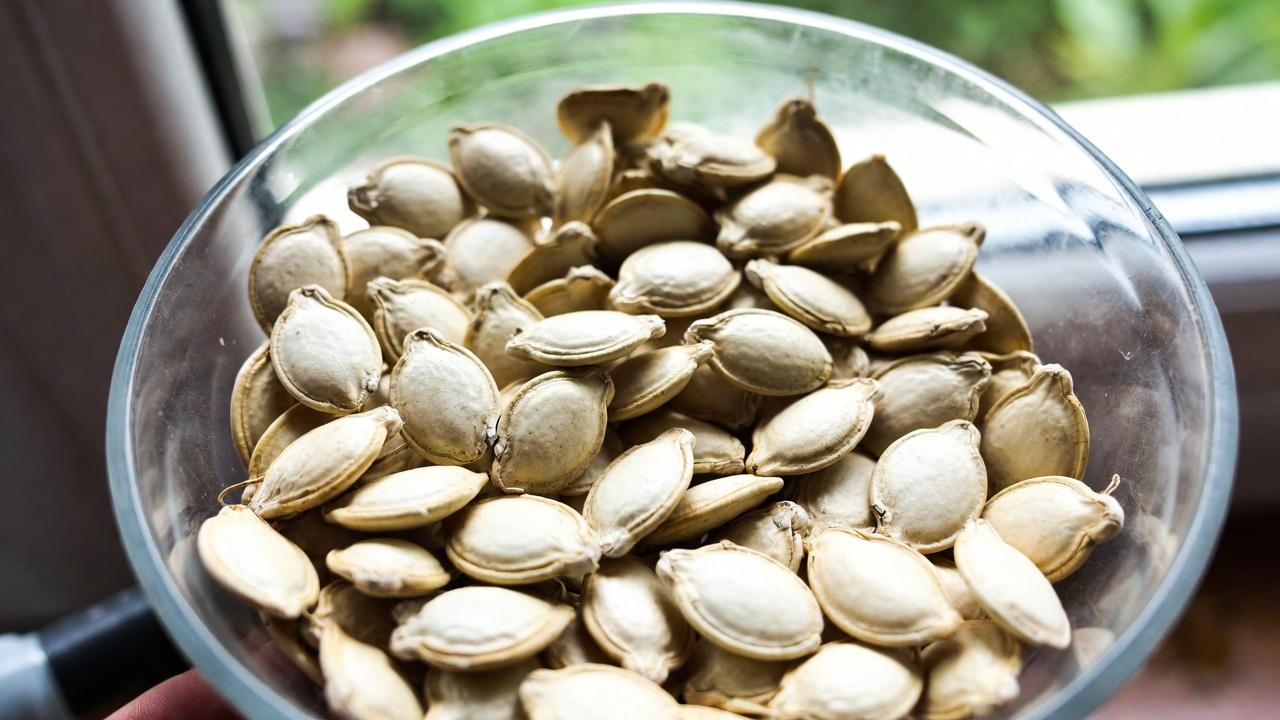
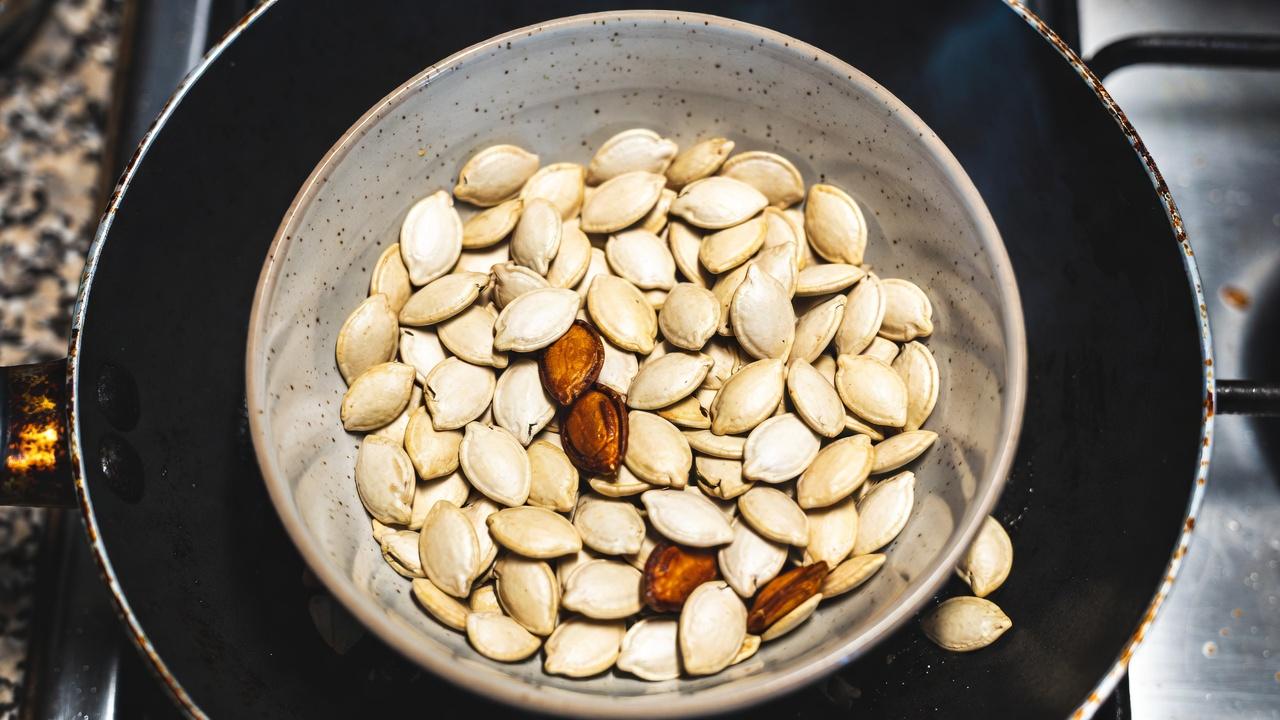
Pumpkin seeds are a tasty, nutrient-dense option that many men turn to for prostate support. Multiple studies, including the GRANU trial and others published in urology journals, have explored how pumpkin seeds (or their oil) may help ease lower urinary tract symptoms associated with BPH, thanks to compounds like phytosterols and zinc.
A handful (about 1 ounce) daily can fit easily into your routine—sprinkle them on yogurt, salads, or enjoy them roasted as a snack. They’re affordable and provide healthy fats along with key minerals.
Why pumpkin seeds stand out:
- Rich in zinc, important for prostate tissue
- Contain plant compounds studied for urinary symptom relief
- Easy to add without major diet changes
3. Strengthen with Pelvic Floor Exercises
Pelvic floor muscles play a big role in bladder control and urinary flow. Often called Kegel exercises, these targeted contractions can help men improve strength in the area supporting the bladder and prostate. Research in journals like the International Journal of Urology shows benefits for urinary symptoms, including better control and reduced urgency.
To get started:
- Identify the muscles by gently stopping urine mid-flow (do this only to learn, not regularly).
- Contract for 5 seconds, then relax for 5 seconds.
- Repeat 10 times, 3 sets per day.
- Breathe normally—avoid tensing your abdomen or buttocks.
Consistency matters; many notice changes within a few weeks.
4. Choose More Anti-Inflammatory Foods
Chronic low-level inflammation can influence prostate comfort. A diet higher in anti-inflammatory foods—like berries, leafy greens, fatty fish (salmon), and nuts—provides antioxidants and omega-3s that support overall health. Harvard-related research and other studies link plant-rich eating patterns (such as Mediterranean-style) to potentially milder urinary symptoms.
Try incorporating:
- Blueberries or strawberries in breakfast
- Spinach or kale in salads/lunches
- Salmon or walnuts a few times weekly
These simple swaps can make meals more flavorful while promoting wellness.
5. Manage Stress for Better Comfort
Everyday stress can tighten muscles, including those in the pelvic area, potentially worsening urinary feelings. Techniques like deep breathing help calm the nervous system. Studies in men’s health publications connect stress reduction to improved function in this area.
Practice this easy routine daily:
- Inhale for 4 counts
- Hold for 4 counts
- Exhale slowly for 6 counts
- Repeat for 5 minutes
It takes little time and can be done anywhere—during work breaks or before bed.
6. Stay Active with Regular Movement
Movement improves circulation and helps maintain healthy weight, both beneficial for prostate and bladder support. Studies suggest even moderate activity, like brisk walking, can ease symptoms by reducing inflammation and supporting overall function.
Aim for at least 20-30 minutes most days—walking, cycling, or light activities count. No need for intense workouts; consistency is more important.
7. Prioritize Quality Sleep
Restorative sleep supports hormone balance and reduces inflammation, key for urinary health. Prostate-related nighttime trips often disrupt rest, creating a cycle. Aim for 7-8 hours by creating a calming routine: dim lights, limit screens, and consider caffeine-free herbal tea.
Better sleep often leads to fewer interruptions and more energy.
Quick Comparison of Supportive Habits
| Habit | Main Support Focus | How to Start Easily |
|---|---|---|
| Smart Hydration | Flushes system, reduces irritation | Sip water steadily throughout day |
| Pumpkin Seeds | Nutrient boost for prostate area | 1 oz daily as snack or topping |
| Pelvic Floor Exercises | Strengthens bladder control | 10 reps, 3x daily |
| Anti-Inflammatory Foods | Lowers overall inflammation | Add berries/fish 3x weekly |
| Stress Management | Relaxes pelvic tension | 5-min deep breathing daily |
| Regular Movement | Improves circulation | 20-min walk most days |
| Quality Sleep | Hormone balance & recovery | Consistent bedtime routine |
Your Simple Starting Plan
Pick one or two habits to try first—like adding pumpkin seeds and better hydration—for two weeks. Track how you feel in a notes app. These low-effort changes are generally safe for most men, but always discuss with your healthcare provider first, especially if you have existing conditions or take medications.
Imagine enjoying outings without constant worry, sleeping better, and feeling more in control. Small steps add up.
Frequently Asked Questions
How much water should men over 50 drink for bladder health? Aim for 6-8 glasses spread out, adjusting based on activity and climate. Steady sipping is better than large amounts at once.
Are pumpkin seeds safe to eat every day? Yes, about 1 ounce daily is generally well-tolerated. Check for allergies and consult your doctor if needed.
How long until pelvic floor exercises show benefits? Many men notice improvements in urinary control within 4-8 weeks of consistent practice.
This article is for informational purposes only and is not a substitute for professional medical advice. Always consult your healthcare provider for personalized guidance regarding your health.


