
A stained smile can quietly chip away at your confidence — whether it’s that morning coffee, red wine with dinner, or simply the passage of time turning your teeth a shade duller than you’d like. You’ve probably seen the viral “2-minute miracle” remedies promising pearl-white results with lemon, baking soda, or other kitchen ingredients, and you’re wondering if any of them are actually safe and effective. The good news? There are evidence-based ways to brighten your smile naturally — and a few popular hacks you should avoid entirely. Keep reading, because the one method most dentists quietly recommend might surprise you.
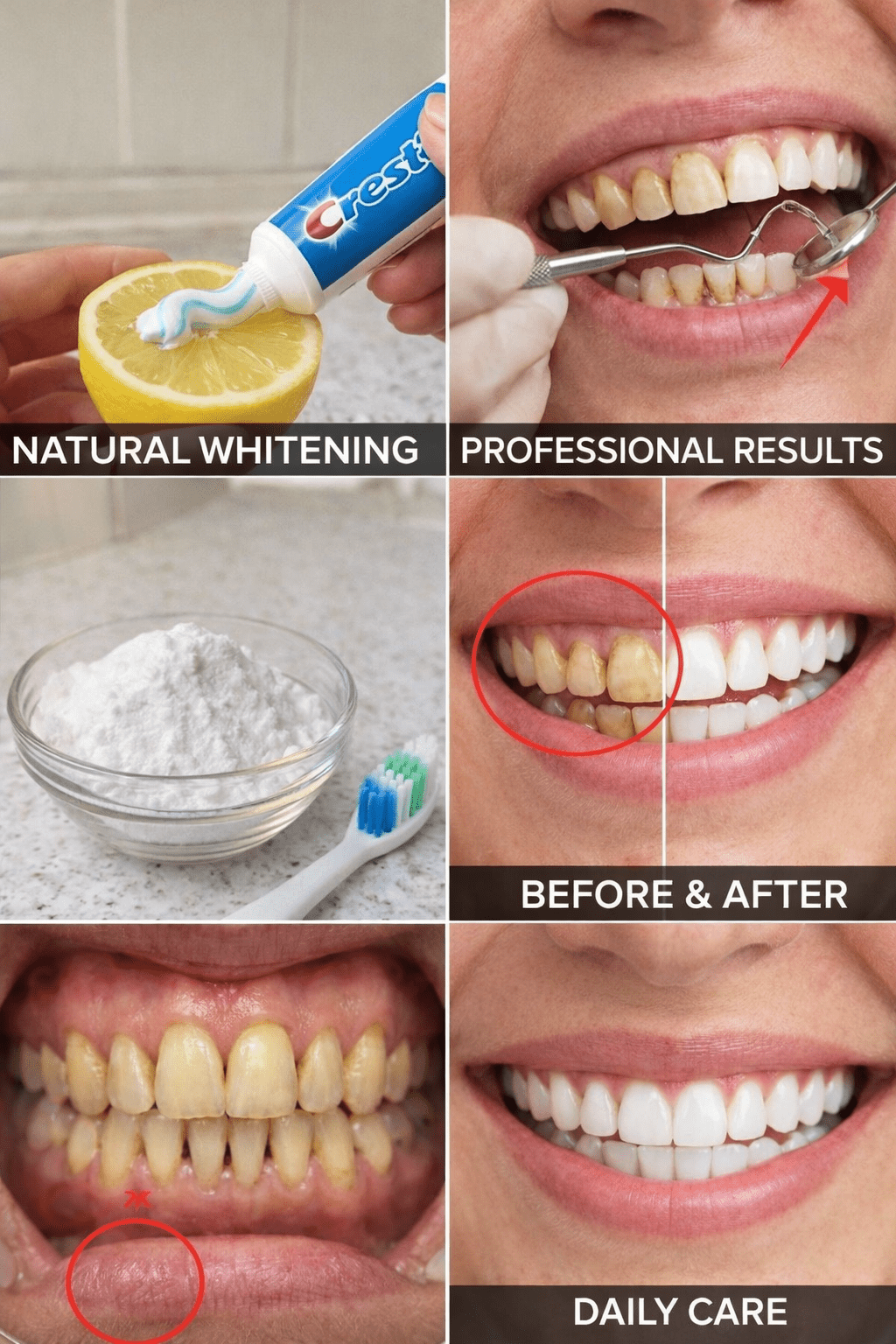
Why Do Teeth Lose Their Brightness in the First Place?
Tooth discoloration happens in two main ways:
- Extrinsic stains — surface stains from coffee, tea, red wine, tobacco, and dark berries.
- Intrinsic stains — deeper color changes from genetics, certain medications (like tetracycline), or excessive fluoride during childhood.
Most home remedies can only address extrinsic stains, and even then only to a limited degree. Understanding this helps set realistic expectations right from the start.
Popular Natural Remedies — and the Science Behind Them
1. Lemon Juice (Please Don’t Do This)
You’ve seen the photos: squeezing lemon on toothpaste or rubbing it directly on teeth. The theory is that citric acid will “bleach” stains away.
Reality: Lemon juice has a pH around 2 — extremely acidic. The American Dental Association warns that repeated acid exposure dissolves enamel, the protective outer layer of your teeth. Once enamel is gone, it doesn’t grow back. You’re trading temporary brightness for permanent sensitivity and even yellower teeth long-term as the darker dentin beneath shows through.
2. Baking Soda — Yes, But With Limits
Baking soda (sodium bicarbonate) is a mild abrasive with a pH close to neutral. Multiple studies, including one published in the Journal of the American Dental Association, show it can gently remove surface stains better than regular toothpaste when used occasionally.
Safe way to use it:
- Mix 1 teaspoon baking soda with a little water to form a paste
- Brush gently for 30–60 seconds no more than 2–3 times per week
- Always follow with regular fluoride toothpaste
Overuse can still wear enamel, so moderation is key.
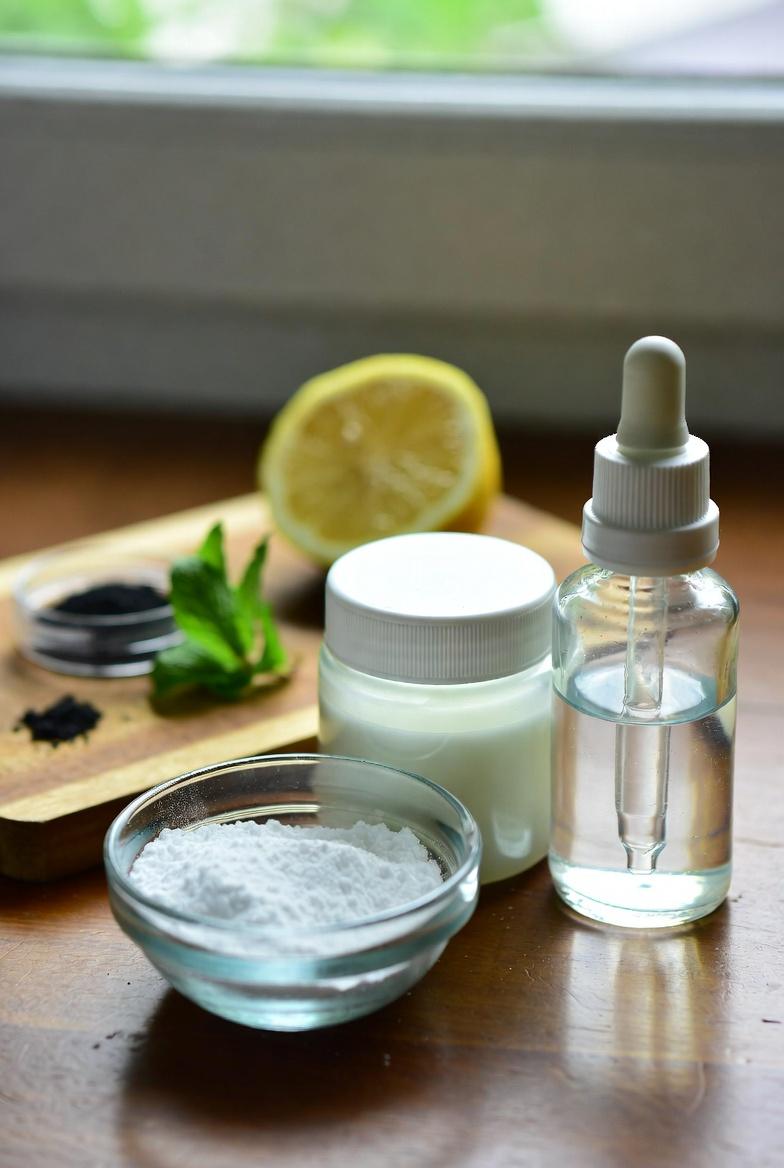
3. Oil Pulling with Coconut Oil
This Ayurvedic practice involves swishing a tablespoon of coconut oil in your mouth for 10–20 minutes.
Research published in the Journal of Contemporary Dental Hygiene found oil pulling reduces plaque and surface stains while improving gum health. Lauric acid in coconut oil has natural antibacterial properties. It won’t dramatically whiten teeth, but many people notice gradual brightening plus fresher breath.
4. Hydrogen Peroxide (Low Concentration Only)
Peroxide is the active ingredient in most dentist-approved whitening products. A 2017 review in the Journal of Esthetic and Restorative Dentistry confirmed that 3–6% hydrogen peroxide safely lightens teeth when used correctly.
Safe DIY version:
- Mix equal parts 3% hydrogen peroxide and water
- Swish for 30 seconds (do not swallow)
- Rinse thoroughly
- Use only 1–2 times per week
Never use undiluted or higher concentrations at home.
5. Strawberries + Baking Soda Mash
Strawberries contain malic acid, a natural astringent. Some small studies suggest the combination can remove mild surface stains.
However, the acid content still poses a risk, and results are minimal compared to over-the-counter strips. Most dentists consider this more of a fun occasional treatment than a reliable method.
Daily Habits That Actually Make the Biggest Difference
Here are the non-negotiable habits that deliver real, lasting brightness:
- Brush twice daily with a soft-bristled toothbrush and whitening toothpaste containing mild abrasives (silica) or low-dose peroxide
- Floss daily — plaque buildup makes teeth look duller
- Use an antiseptic mouthwash to reduce stain-causing bacteria
- Drink staining beverages through a straw to minimize contact
- Eat “detergent” foods: apples, celery, carrots, and strawberries naturally scrub surfaces while you chew
- Quit smoking and limit dark foods/drinks when possible
Quick Comparison: Home Methods vs. Professional Options
| Method | Whitening Power | Safety Level | Cost | Time Required |
|---|---|---|---|---|
| Baking soda (occasional) | Mild | High (if limited) | Almost free | 1–2 minutes |
| Oil pulling | Very mild | Very high | Low | 10–20 minutes |
| OTC whitening strips | Moderate | High | $20–60 | 7–14 days |
| Professional in-office | Strong | Very high (supervised) | $300–$1000+ | 1–2 visits |
The One Method Dentists Quietly Recommend Most
Ready for the surprise? The single most effective “natural” whitening tool is already in your bathroom: an electric toothbrush with a whitening mode. Studies show powered brushes remove up to 7 times more surface stains than manual brushing — without any extra ingredients.
Pair it with a whitening toothpaste approved by the ADA Seal of Acceptance, and most people see noticeable improvement in 2–4 weeks.
Conclusion
True “2-minute miracle” whitening doesn’t exist without risking your enamel. But combining gentle evidence-based remedies (like occasional baking soda or oil pulling) with rock-solid daily habits and the right tools can absolutely give you a brighter, healthier-looking smile over time — safely.
Start with the basics: upgrade your brushing routine, cut back on staining foods, and be consistent. Your teeth (and your dentist) will thank you.
Frequently Asked Questions
1. How long does it take to see results from natural whitening methods? Most people notice gradual improvement in 2–6 weeks with consistent daily habits and occasional safe remedies.
2. Will whitening damage my teeth if I have sensitive teeth or gum recession? Always check with your dentist first. Acidic or abrasive methods can worsen sensitivity.
3. Are charcoal toothpastes safe and effective? The ADA has not found sufficient evidence that activated charcoal whitens teeth, and its high abrasiveness can harm enamel over time.
Disclaimer: This article is for informational purposes only and is not a substitute for professional dental advice. Always consult your dentist before trying new oral care practices, especially if you have existing dental conditions.


