
You’ve likely rinsed rice countless times while preparing meals, watching that cloudy water swirl down the sink without a second thought. It’s frustrating to realize something so simple and readily available might hold real potential for your daily skincare and haircare routine, especially when expensive products often fall short of delivering noticeable improvements. The good news is that rice water – the starchy liquid left after soaking or rinsing rice – has been cherished in traditional beauty practices for centuries, and emerging research suggests it contains beneficial compounds that many people overlook.
But here’s the intriguing part: depending on how you prepare it, rice water can offer different advantages – and one method might surprise you with even more potential.
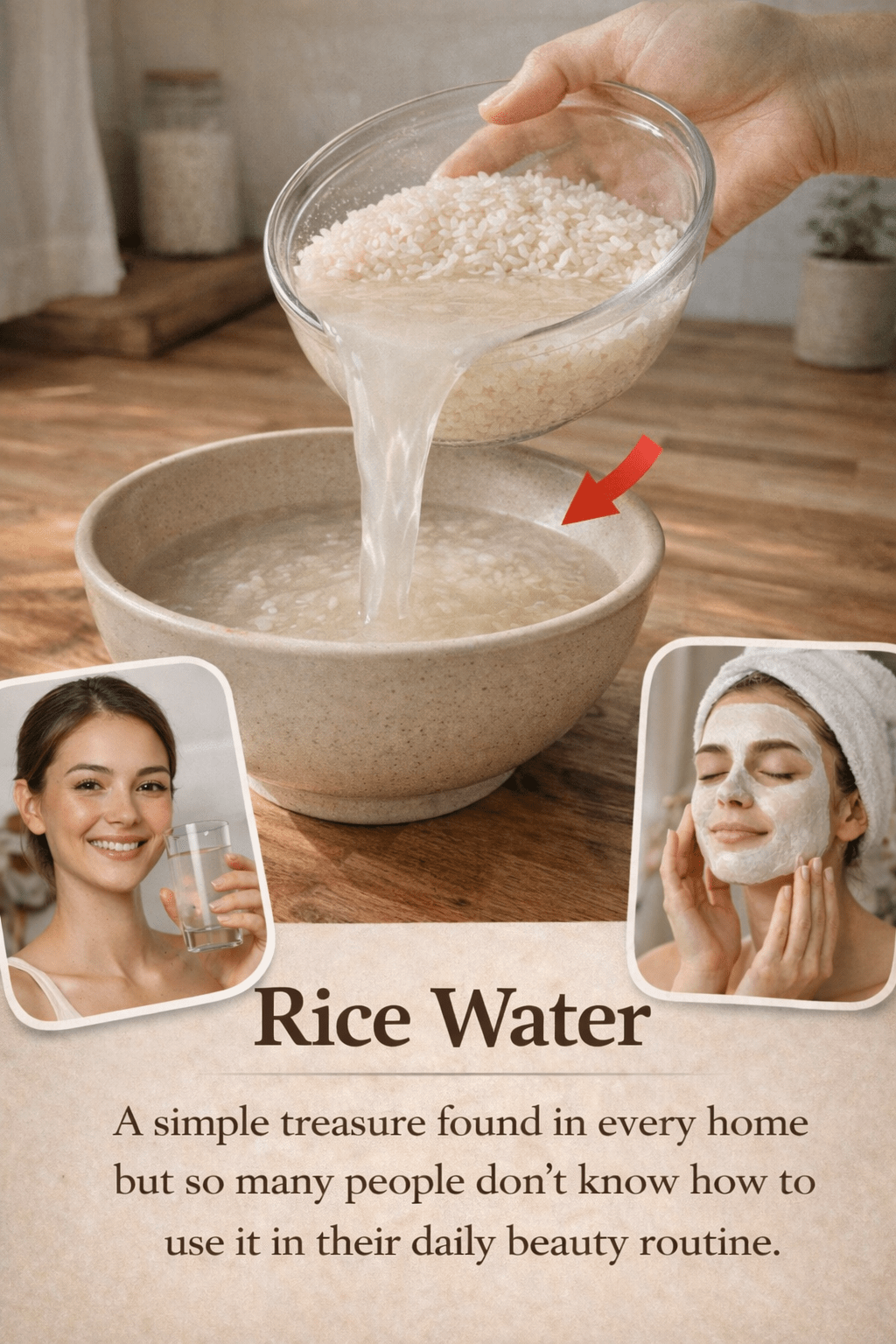
What Exactly Is Rice Water and Why Does It Matter?
Rice water is the milky liquid that forms when rice grains release their nutrients into water during soaking, rinsing, or cooking. This humble byproduct is rich in natural components like amino acids, vitamins (such as B vitamins and E), antioxidants including ferulic acid, and a carbohydrate called inositol.
Research highlights that these elements can support skin and hair health in meaningful ways. For instance, studies have explored how compounds from rice may help improve skin hydration and hair elasticity.
But that’s not all… the way you prepare rice water plays a big role in what you get out of it.
Key Nutrients in Rice Water That Support Skin and Hair
Here’s a quick look at some of the standout components:
- Amino acids – Help support skin barrier function and hair structure.
- Ferulic acid – A potent antioxidant that may protect against environmental stress.
- Inositol – Known for potentially strengthening hair and improving elasticity.
- Vitamins and minerals – Contribute to overall nourishment.
These naturally occurring elements make rice water an accessible addition to home routines.
5 Practical Ways to Incorporate Rice Water into Your Routine
Many people turn to rice water for its gentle, everyday usability. Here are some popular applications based on traditional practices and user experiences.
- As a Gentle Facial Toner After cleansing, apply rice water with a cotton pad or spray bottle. It may help balance the skin and provide a refreshing feel. Use it morning and night for consistency.
- For Soothing Everyday Skin Comfort Its mild properties can calm minor irritation. Apply cool rice water to affected areas or add it to a bath for a relaxing soak.
- Hair Rinse for Shine and Strength After shampooing, pour rice water over your hair, massage into the scalp, leave for 10-20 minutes, then rinse. This is especially popular for adding natural luster.
But wait… there’s an enhanced version that some traditions swear by.
- Fermented Rice Water for Extra Nourishment Allowing rice water to ferment slightly increases certain compounds like antioxidants. This version is often favored for hair routines.
- Daily Mist or Gentle Mask Keep diluted rice water in a spray bottle for quick refreshers throughout the day, or apply as a light mask for 10-15 minutes before rinsing.
How to Make Rice Water at Home: Two Simple Methods
You can prepare rice water in minutes with ingredients you already have. Always start with clean, uncooked rice (white, brown, or jasmine work well).
Method 1: Simple Soaking (Great for Beginners and Skin Use)
- Rinse ½ cup of rice thoroughly under running water to remove any dirt.
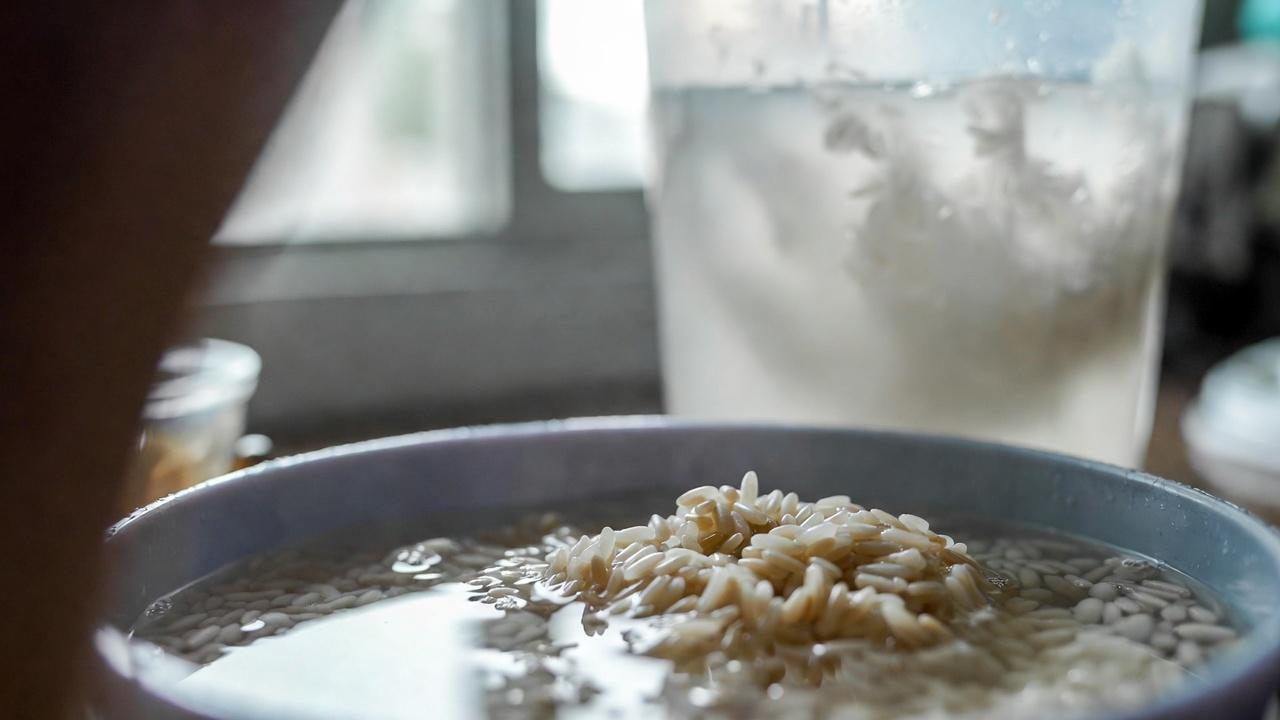
- Place the rice in a bowl and add 2-3 cups of clean water.
- Stir and let it soak for 30 minutes, agitating occasionally to release more starch.
- Strain the liquid into a clean container.
- Store in the refrigerator and use within 3-5 days.
This method produces a mild, milky liquid that’s gentle for daily use.
Method 2: Fermented Version (Popular for Hair)
Follow the soaking steps above, then:
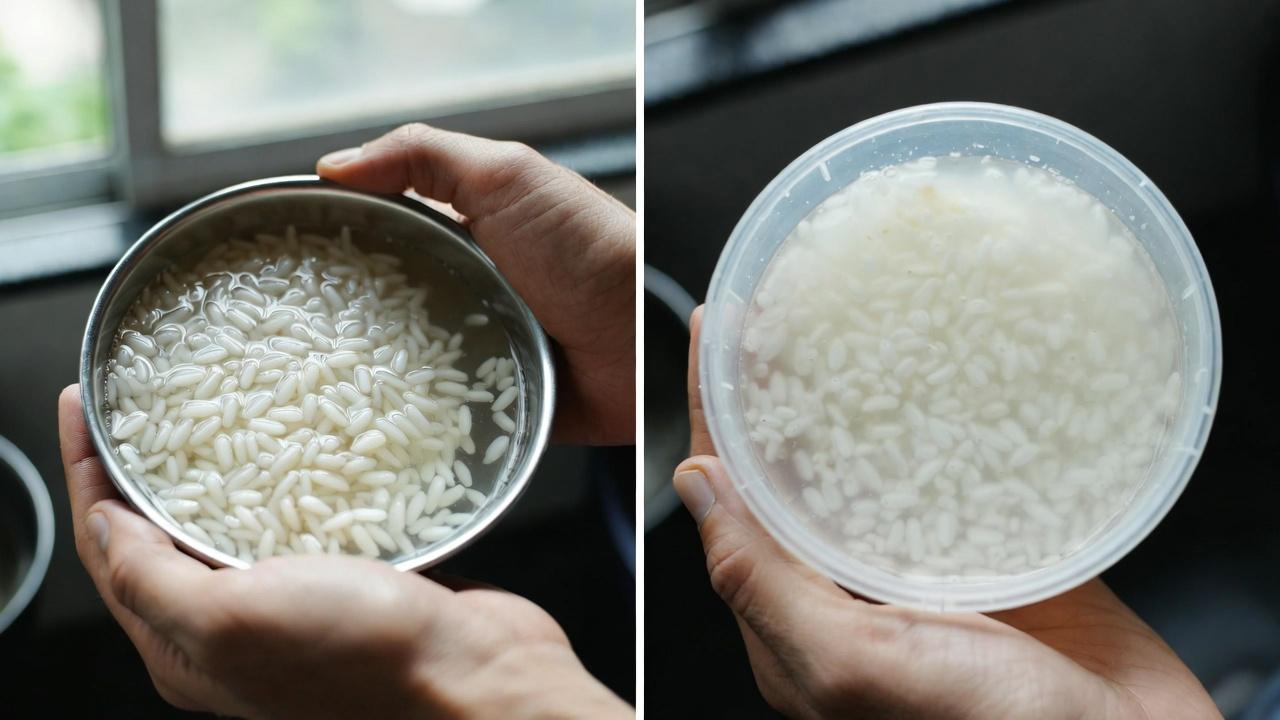
- Leave the strained water at room temperature for 24-48 hours until it develops a slightly sour smell (this indicates fermentation).
- Refrigerate immediately.
- Dilute 1:1 with clean water before applying.
- Use within 5-7 days for best quality.
Fermentation may boost certain beneficial elements, making it a favorite in long-standing traditions.
Quick Comparison Table: Soaking vs. Fermented
- Soaking Method → Milder scent, quicker prep, ideal for sensitive skin or first-timers.
- Fermented Method → Slightly sour, potentially more concentrated nutrients, often preferred for hair strength and shine.
Shake well before each use, as natural settling occurs.
Storage and Safety Tips for Best Results
Keep rice water in a sealed glass container in the refrigerator to maintain freshness. Always do a patch test on your inner arm first to check for personal sensitivity. If it smells off or changes color significantly, discard it.
Important note: While rice water is generally well-tolerated, everyone’s skin and hair respond differently.
Final Thoughts: A Simple Step Worth Trying
Rice water turns something ordinary into a thoughtful part of your routine – affordable, natural, and rooted in history. With consistent use, many people notice subtle improvements in how their skin feels and how their hair looks. Start small, experiment with the methods, and see what works for you.
FAQ
How often should I use rice water on my skin or hair? Most people start with 2-3 times per week and adjust based on how their skin or hair responds. Daily use is common for toning once tolerated.
Is fermented rice water better than regular? Fermented may offer enhanced antioxidant levels due to the process, but regular soaked rice water is gentler and sufficient for many.
Can anyone use rice water? It’s suitable for most, but patch test first, especially if you have sensitive skin. Consult a dermatologist if you have specific concerns.
Disclaimer: This article is for informational purposes only and not intended as medical advice. Rice water is a traditional home remedy, not a substitute for professional skincare or treatment. Results vary, and it’s always best to consult a healthcare professional before trying new routines, especially if you have skin conditions or sensitivities.


