
Thick, yellow toenails can be frustrating and embarrassing, making you hesitant to show your feet or wear open shoes. The discoloration and added thickness often lead to discomfort in tight footwear, potential brittleness, and that nagging worry about what might be happening underneath. While waiting weeks for a professional appointment feels endless, simple daily habits and gentle care steps can help you feel more in control and potentially slow things down.
But here’s the good news you’ll want to stick around for: one surprisingly easy routine many people overlook can make a noticeable difference in comfort right away—and it’s something you can start today.
Understanding Why Toenails Become Thick and Yellow
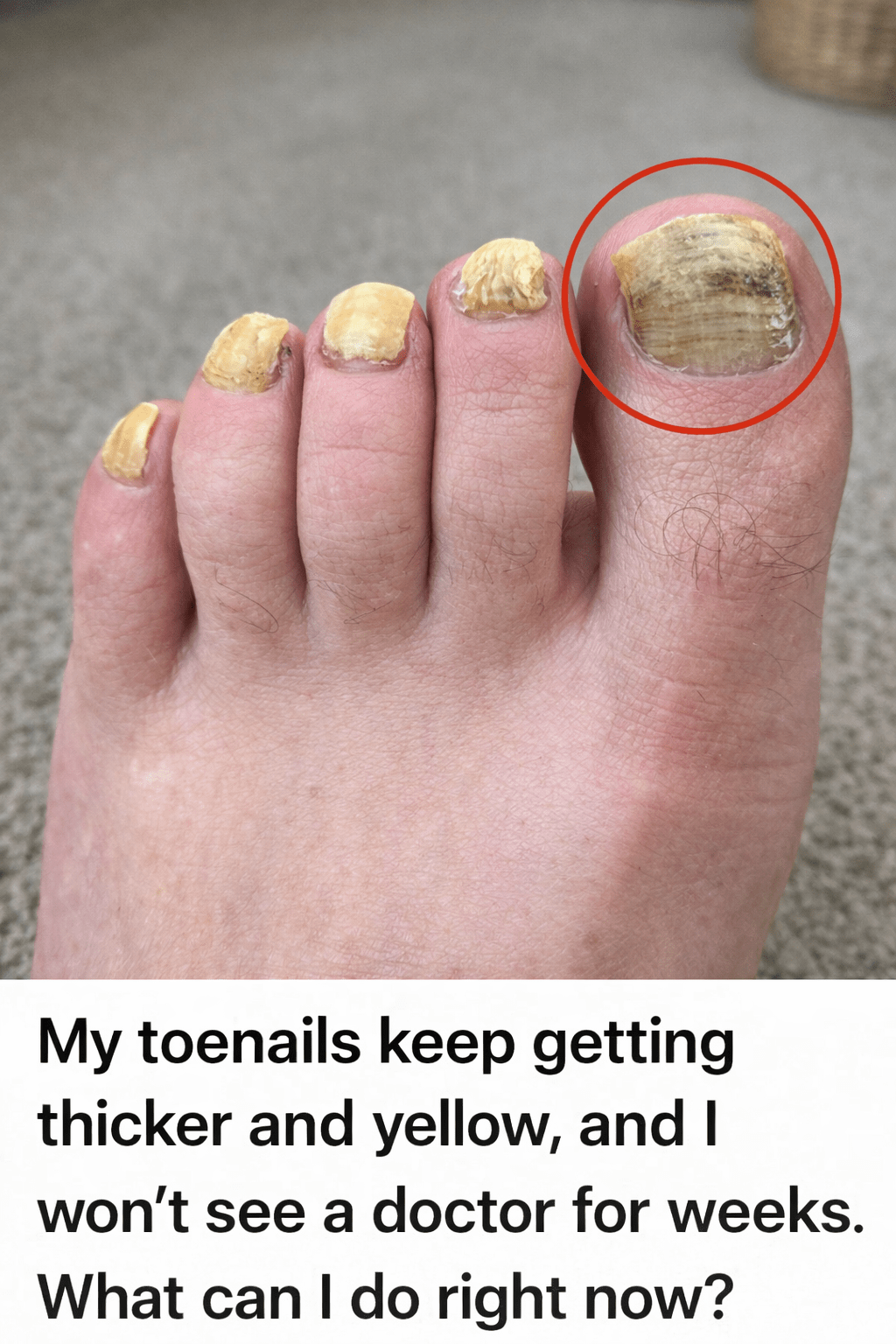
Thickened, yellow toenails often stem from a common fungal infection called onychomycosis, where fungi thrive in warm, moist environments like inside shoes. Studies show this affects a significant portion of adults, especially as we age or with habits like frequent moisture exposure.
Other factors include repeated pressure from ill-fitting shoes, natural aging changes, or certain skin conditions. The key is recognizing that early attention to moisture and hygiene can make daily life more comfortable.
Research indicates that keeping feet dry reduces fungal-friendly conditions dramatically.
Quick Daily Checks to Monitor Your Progress
Start by establishing a simple routine to track changes—this builds awareness and gives useful info for your doctor later.
- Gently press the nail to check for tenderness or pain.
- Look closely (use a magnifying glass if needed) for lifting, debris, or unusual spots.
- Take weekly photos under the same lighting to spot subtle improvements or worsening.
These small steps help you stay proactive without overthinking.
Why Keeping Feet Dry Matters More Than You Think
Fungi love moisture—eliminating it is one of the most powerful home strategies.
After every shower, pat your feet completely dry, especially between toes. A hairdryer on cool setting reaches hidden spots effectively. But that’s not all…
Change socks daily (or more if feet sweat), opting for breathable, moisture-wicking materials like cotton blends or merino wool.
Alternate shoes daily so they dry fully—damp shoes create a breeding ground.
Sprinkle antifungal foot powder inside shoes for extra protection. These habits alone can help prevent worsening.
How to Safely Trim and Thin Thick Toenails at Home
Thick nails are tough to manage, but proper technique prevents pain or injury.
Step-by-step guide to safe trimming:
- Soak feet in warm (not hot) water for 10-15 minutes to soften nails.
- Dry thoroughly.
- Use sturdy, straight-edge clippers made for thick nails.
- Trim straight across in small sections—never round corners to avoid ingrown issues.
- Gently file the top surface with an emery board to reduce thickness gradually.
- Disinfect tools with alcohol after use.
Avoid cutting too short or digging into corners—this raises infection risk. If it’s too difficult, wait for your doctor.
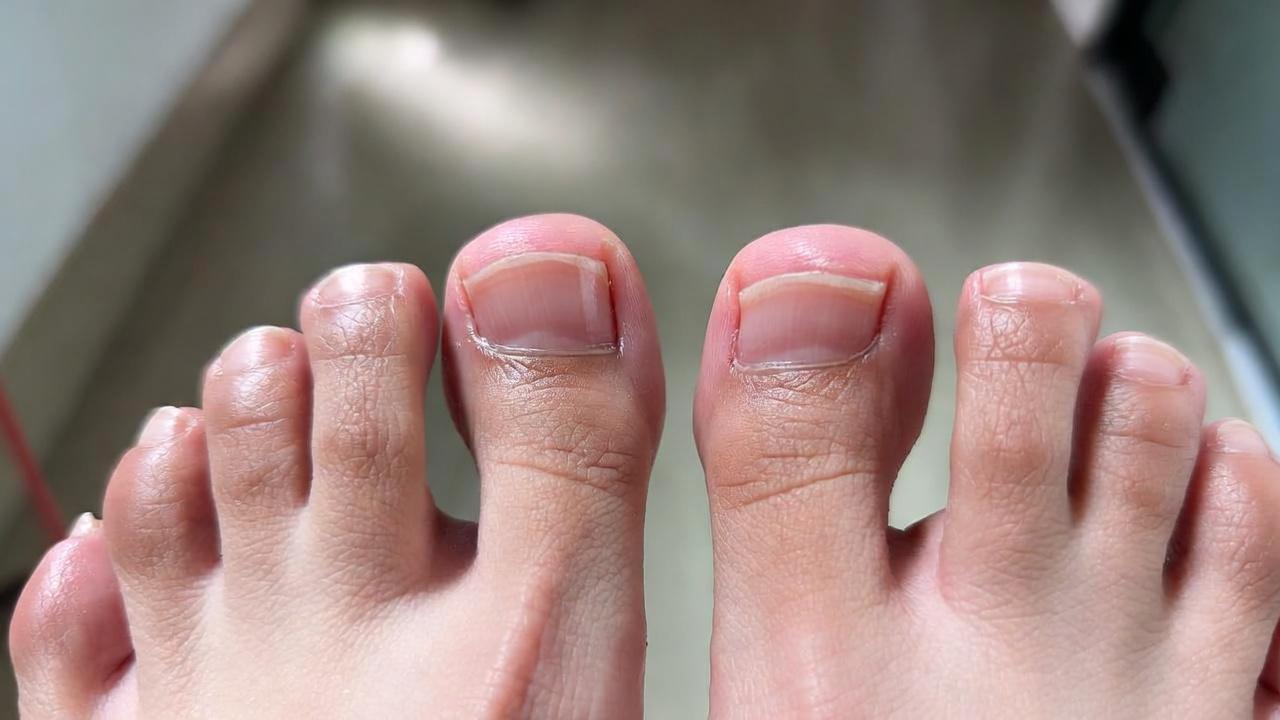
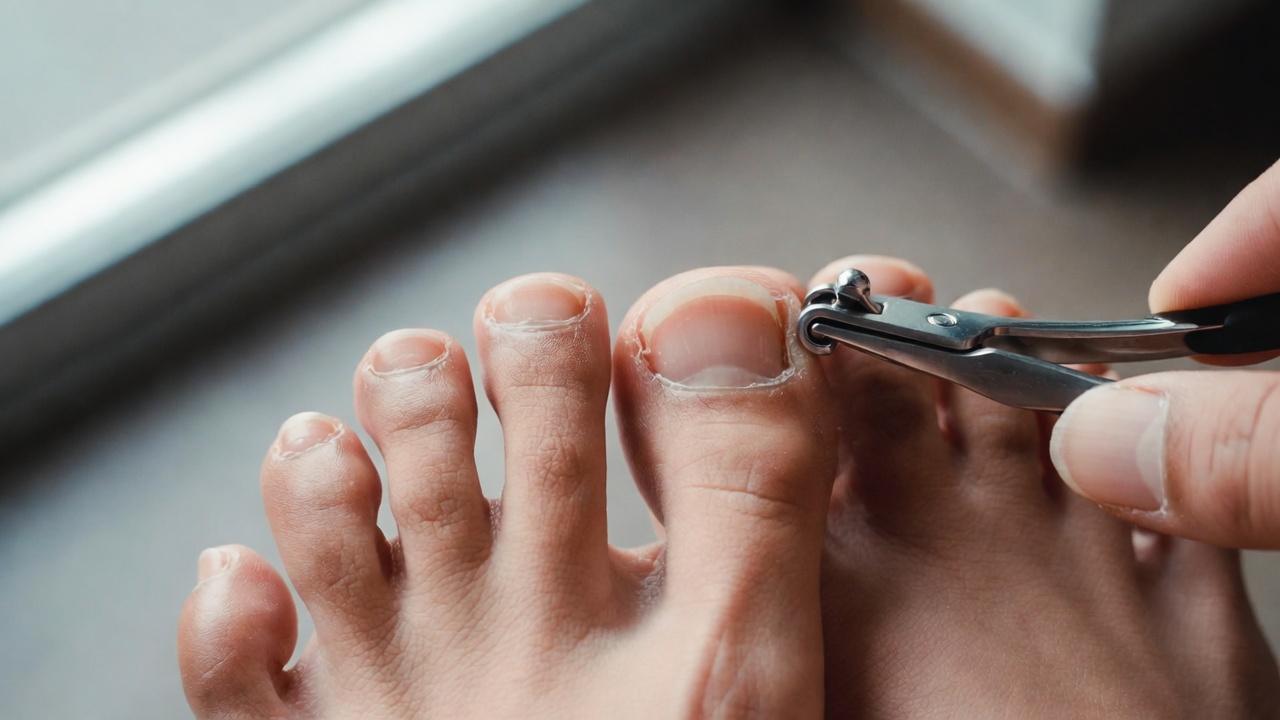
Here are visual examples of safe trimming tools and techniques in everyday settings:
This shows a close-up of softened toenails being carefully trimmed straight across after soaking.
And here’s a different angle focusing on gentle filing to thin the nail surface without irritation:
These realistic snapshots highlight natural, at-home care moments.
Exploring Popular Home Remedies and OTC Options
Many turn to natural approaches for support while waiting.
Tea tree oil, known for antifungal properties in small studies, can be diluted with a carrier oil (like coconut) and applied twice daily.
Vinegar soaks (1 part vinegar to 2 parts warm water, 15-20 minutes daily) create an less favorable environment for fungi.
Over-the-counter antifungal creams or sprays with ingredients like terbinafine or clotrimazole offer accessible options—apply consistently as directed.
Remember, these support good habits but results vary, and full improvement takes time due to slow nail growth.
Smart Footwear and Hygiene Upgrades That Help Prevent Spread
Choose breathable shoes (mesh or leather) over tight synthetics.
Avoid nail polish on affected nails, as it can trap moisture.
Wash socks in hot water, disinfect floors, and consider UV shoe sanitizers if available.
These prevent re-exposure.
When to Consider Reaching Out Sooner
While waiting is okay for mild cases, watch for red flags like increasing pain, swelling, pus, strong odor, or spreading redness.
If you have diabetes or circulation issues, don’t delay—seek care promptly.
Preparing for Your Doctor Visit
Jot down symptom timeline, changes noticed, and steps tried.
Bring photos—this speeds up understanding and planning.
Final Thoughts
Managing thick, yellow toenails at home focuses on comfort, hygiene, and prevention while awaiting professional guidance. Consistent small changes add up, helping you feel better in the meantime.
FAQ
What usually causes thick yellow toenails? Most often a fungal infection, but aging, shoe pressure, or other factors play a role.
How long do home care steps take to show any difference? It varies, but many notice less discomfort in weeks with dry habits and trimming—full nail changes take months.
Are home remedies safe for everyone? They’re generally gentle but test for irritation first. Those with diabetes or immune concerns should check with a doctor.
Disclaimer: This article is for informational purposes only and not a substitute for professional medical advice. Always consult a healthcare provider for diagnosis or treatment, especially if symptoms persist or worsen.


