
Waking up drenched in sweat, feeling irritable for no reason, or struggling to remember simple things can make everyday life feel exhausting during menopause. These changes often leave women feeling out of control, especially when hot flashes disrupt sleep or mood swings affect relationships. The good news is that small, everyday adjustments can make a real difference in how you feel.
In this guide, you’ll discover practical, evidence-based habits that many women use to navigate this transition more smoothly. And stick around until the end for a surprising habit that research shows can help ease multiple symptoms at once.
Understanding Why Menopause Brings These Changes
Menopause marks the natural end of menstrual cycles, typically around age 51, when ovaries produce less estrogen and progesterone. This shift affects everything from body temperature to mood and energy levels.
Perimenopause, the lead-up phase, can start in the 40s and last several years. Research from the Mayo Clinic and NIH shows that up to 80% of women experience hot flashes, while many also notice sleep issues, mood changes, and fatigue. But these symptoms vary widely—what feels overwhelming for one woman might be mild for another.
The key? Lifestyle habits can support your body through this change without replacing medical advice.
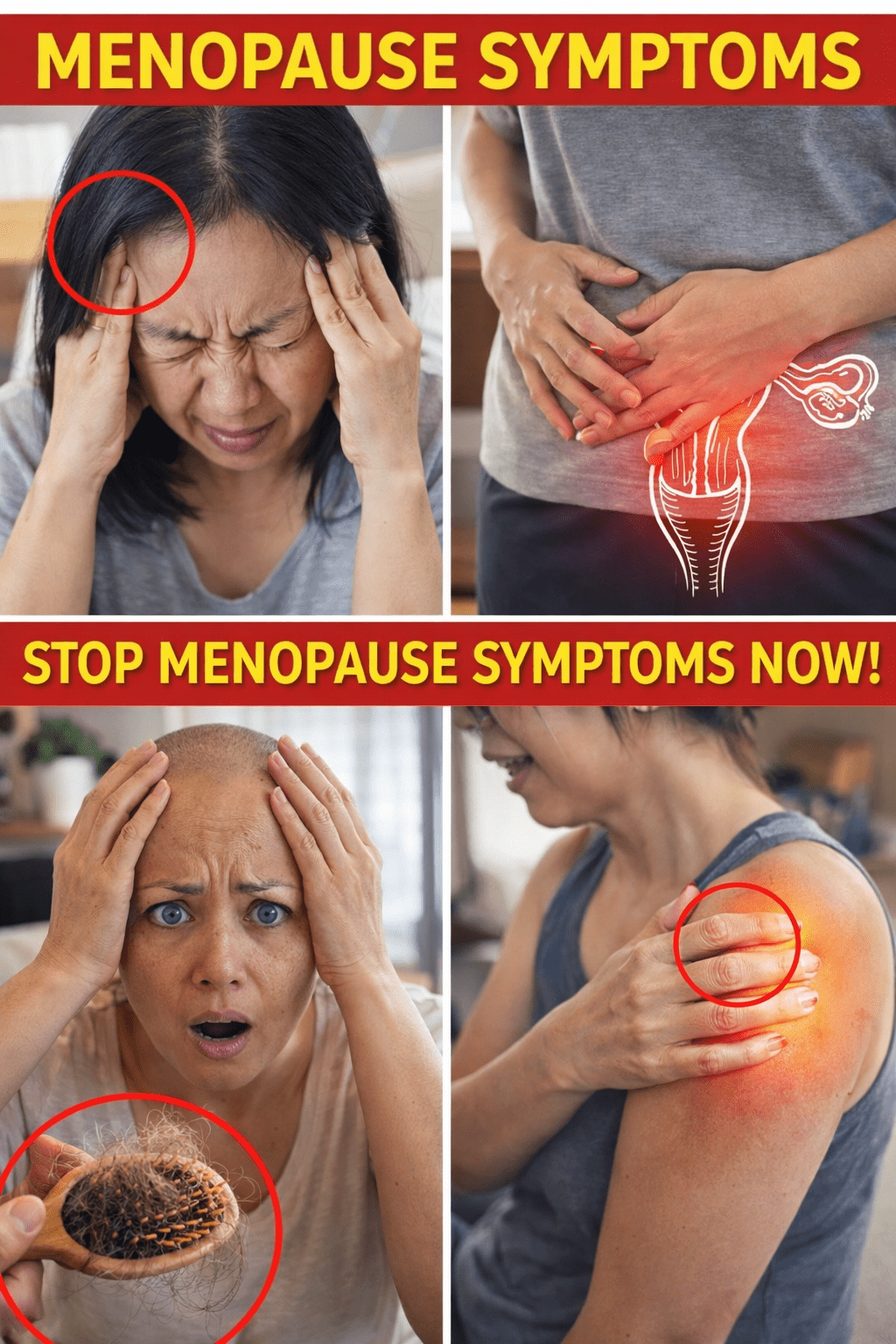
The 9 Most Common Signs of Menopause
Here are the signs many women notice, based on insights from trusted sources like the Mayo Clinic and The Menopause Society:
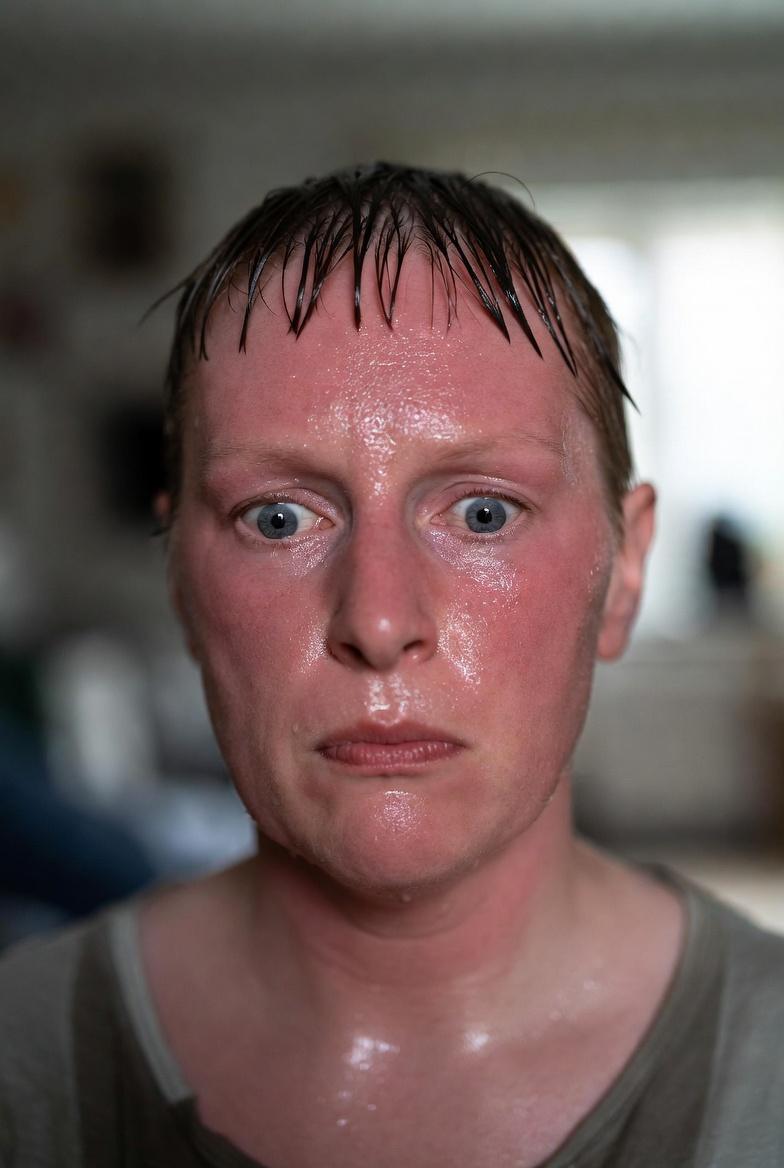
- Hot flashes and night sweats – Sudden waves of heat, often followed by chills, affecting up to 80% of women.
- Irregular periods – Cycles that skip, become heavier, or lighter as ovulation changes.
- Mood swings and irritability – Estrogen fluctuations can impact brain chemistry, leading to anxiety or tearfulness.
- Brain fog and memory lapses – Trouble focusing or recalling words, often linked to sleep disruption.
- Persistent fatigue – Feeling tired even after rest, due to hormonal shifts and poor sleep.
- Weight gain around the middle – Slower metabolism and hormone changes can make belly fat more common.
- Vaginal dryness and discomfort – Lower estrogen thins tissues, causing irritation or pain during intimacy.
- Sleep problems – Frequent waking or trouble falling asleep, often worsened by night sweats.
- Joint pain and stiffness – Reduced estrogen’s anti-inflammatory effects can make joints ache more.
These signs often overlap, creating a cycle where one issue (like poor sleep) makes others worse.
Simple Habits That Can Make a Difference
The best part? You don’t need major overhauls. Start with one or two habits and build from there. Studies show consistent lifestyle changes can help ease symptoms and boost overall well-being.
1. Move Your Body Regularly
Exercise is one of the most researched ways to support menopause. Aim for at least 150 minutes of moderate activity per week, like brisk walking, swimming, or dancing.
Strength training twice a week helps maintain muscle and bone health, while yoga or tai chi can reduce stress and improve sleep. Research suggests regular movement may lessen hot flash frequency and improve mood.
2. Focus on Supportive Foods
A balanced diet rich in whole foods helps stabilize energy and mood. Include plenty of fruits, vegetables, whole grains, and lean proteins.
Foods high in calcium and vitamin D (like dairy, leafy greens, or fortified options) support bone health. Some women find plant-based phytoestrogens (in soy, flaxseeds, or legumes) helpful for mild symptom relief, though results vary.
3. Stay Hydrated and Limit Triggers
Drinking enough water throughout the day can help with fatigue and dryness. Many women notice fewer hot flashes by cutting back on caffeine, alcohol, and spicy foods—these can act as triggers.
4. Prioritize Quality Sleep
Create a cool, dark bedroom and wind down with a consistent routine. Avoiding screens an hour before bed and trying deep breathing can make a big difference.
5. Manage Stress Daily
Short practices like mindfulness, meditation, or gentle stretching help balance mood swings and anxiety. Even 10 minutes a day can lower stress hormones.
6. Track Your Patterns
Keep a simple journal of symptoms, food, and activities. This helps spot triggers and shows what works best for you.
7. Stay Connected and Seek Support
Talking with friends or joining a group reduces feelings of isolation. Many women find sharing experiences empowering.
8. Maintain a Healthy Weight
Gradual changes in diet and movement can help manage weight gain. Focus on sustainable habits rather than strict diets.
9. The Surprising Habit: Strength Training
Here’s the one that often surprises women—adding resistance exercises (like lifting weights or bodyweight moves) not only builds muscle but research shows it can reduce hot flashes, improve sleep, and boost energy more effectively than cardio alone for many.

Quick Reference Table: Habits and Benefits
| Habit | How It Helps | Easy Way to Start |
|---|---|---|
| Regular movement | Eases hot flashes, mood, and sleep | 30-minute walk daily |
| Balanced eating | Supports energy and bone health | Add veggies to every meal |
| Hydration & limit triggers | Reduces flashes and fatigue | Carry a water bottle |
| Stress management | Calms mood swings | 5-minute breathing exercise |
| Strength training | Builds muscle, reduces symptoms | 2 sessions per week |
Actionable Steps to Get Started Today
Pick one or two habits and try them for a week:
- Walk for 20-30 minutes most days.
- Add a serving of calcium-rich food to each meal.
- Set a bedtime routine to improve sleep.
- Try a short yoga video for stress relief.
Small changes add up, and many women notice improvements within weeks.
Frequently Asked Questions
When do menopause symptoms usually start?
Most women notice changes in their 40s during perimenopause, with full menopause around age 51 on average.
How long do menopause symptoms last?
They vary, but hot flashes and night sweats often ease within a few years after menopause, while some like dryness may persist longer.
Can lifestyle changes really help with hot flashes?
Yes—studies show regular exercise, avoiding triggers, and maintaining a healthy weight can reduce their frequency and intensity for many women.
This article is for informational purposes only and not a substitute for professional medical advice. Symptoms can overlap with other conditions, so consult a healthcare provider for personalized guidance.


