
That nagging cough keeping you up at night, the scratchy throat that makes every swallow uncomfortable, and the stubborn mucus that just won’t seem to clear – these common discomforts can make even simple daily tasks feel exhausting, especially during cold and flu season or when allergies flare up. Many people turn to over-the-counter options, only to find temporary relief or unwanted side effects. But what if a warm, comforting drink made from ingredients you likely already have in your kitchen could offer gentle support for these symptoms?
In this guide, we’ll explore a traditional herbal tea combining ginger, garlic, onion, lemon, and honey – a recipe passed down through generations. While it won’t replace medical advice, research suggests these ingredients may provide soothing benefits for respiratory comfort. And here’s the best part: by the end, you’ll have a complete step-by-step recipe you can try tonight, plus tips to make it even more enjoyable.

Why Consider Natural Ingredients for Respiratory Support?
Your respiratory system works hard every day to filter air, fight off irritants, and keep you breathing easily. When congestion or irritation strikes, simple home approaches can help promote comfort alongside rest and hydration.
Studies show that certain natural compounds support the body’s natural processes. For example, honey has been studied extensively for its potential to calm coughs – a Cochrane review found that honey may reduce cough frequency in children better than no treatment or placebo, with moderate-certainty evidence in some cases. Similarly, ginger contains anti-inflammatory compounds like gingerols that may help ease irritation in the airways.
Garlic brings antimicrobial properties thanks to allicin, while onion offers quercetin, an antioxidant that supports reduced inflammation. Lemon adds vitamin C for overall immune support, and together, these create a warming, hydrating blend.
But that’s not all – the combination creates a pleasant ritual that encourages sipping slowly, which itself helps keep the throat moist and comfortable.
Key Benefits of the Ingredients Backed by Research
Let’s break down what makes each ingredient special:
- Ginger: Known for its warming effect and anti-inflammatory properties. Research, including lab studies, highlights its potential antiviral and soothing effects on the respiratory tract.
- Garlic: Provides natural compounds that may support immune function and fight off common viruses.
- Onion: Rich in quercetin, which may help reduce inflammation and support clearer airways.
- Lemon: High in vitamin C, which contributes to normal immune function and adds a refreshing zing.
- Honey: Acts as a natural demulcent to coat and soothe the throat. Multiple reviews, including those from Mayo Clinic and BMJ Evidence-Based Medicine, note its role in calming coughs, especially in adults and children over 1 year.
These elements work synergistically in a warm infusion, making it a cozy way to support your well-being during mild discomfort.
Here are the standout properties in a quick list:
- Warming and comforting sensation
- Hydrating base for better mucus flow
- Natural soothing for throat irritation
- Antioxidant support from multiple sources
- Easy to prepare with pantry staples
Step-by-Step Recipe: Grandmother’s Comforting Herbal Tea
This recipe makes about 4 cups – perfect for sharing or sipping throughout the day.
Ingredients:
- 1 piece fresh ginger (about 2 inches / 5 cm)
- 3 garlic cloves
- 1 medium onion
- 2 fresh lemons
- 2 tablespoons raw honey (or to taste)
- 4 cups water
Preparation Steps:
- Peel and chop the onion into small pieces.
- Lightly crush the garlic cloves to release their beneficial compounds.
- Wash and thinly slice the fresh ginger (no need to peel if organic).
- Squeeze the juice from the lemons and set aside.
- In a pot, combine the water, chopped onion, crushed garlic, and sliced ginger.
- Bring to a boil, then reduce heat and simmer gently for 15 minutes.
- Remove from heat, let it rest for 5 minutes, then strain into a teapot or mugs.
- Stir in the fresh lemon juice and honey while the tea is warm (not boiling hot, to preserve honey’s natural qualities).
- Enjoy warm – inhale the steam gently for extra comfort.
Pro Tip: For an enhanced experience, inhale the aromatic steam before drinking. This simple act can add to the soothing feeling.
How to Incorporate This Tea into Your Routine
Many people find the best results by sipping one cup in the morning on an empty stomach and another in the evening before bed. Try it for a week during times of mild respiratory discomfort, always paired with plenty of rest and fluids.
For variety:
- Add a pinch of turmeric for extra warmth (if you enjoy the flavor).
- Drink slowly to maximize throat contact.
- Use it as a base for other herbal blends.
Remember, consistency and enjoyment make the biggest difference – turning this into a daily ritual can feel nurturing.
Here are two visual ideas to inspire your preparation:
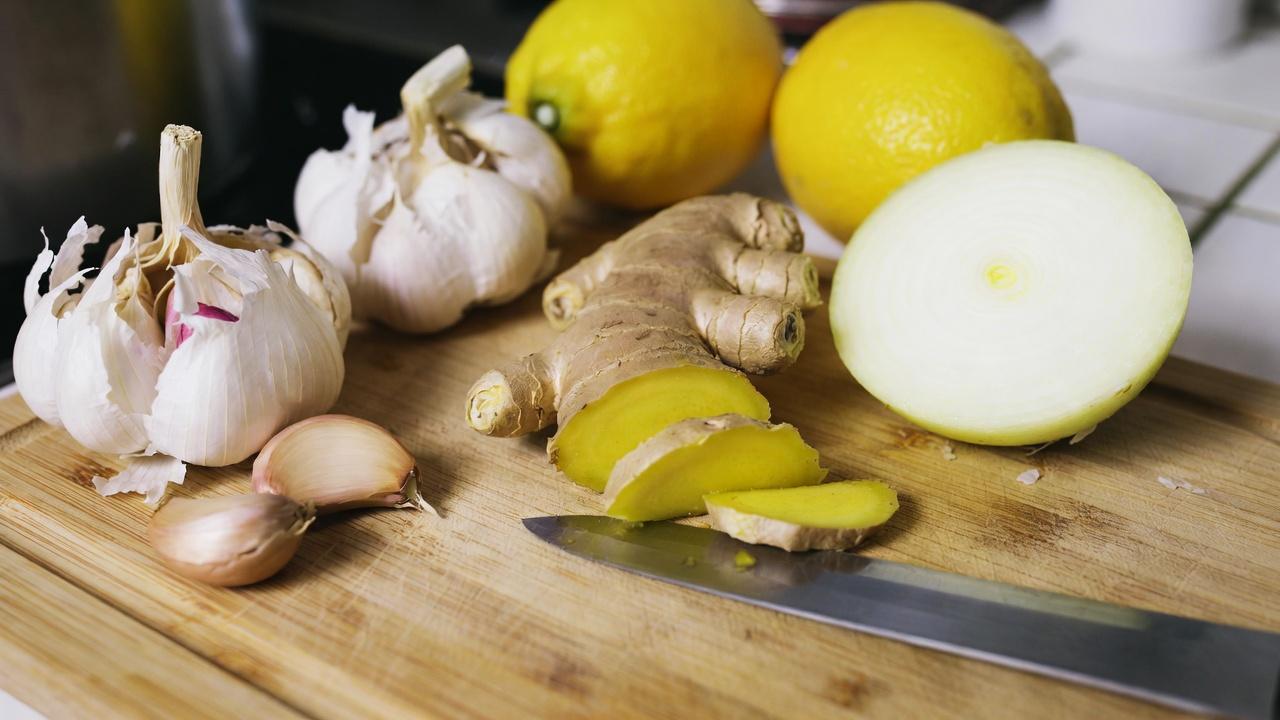
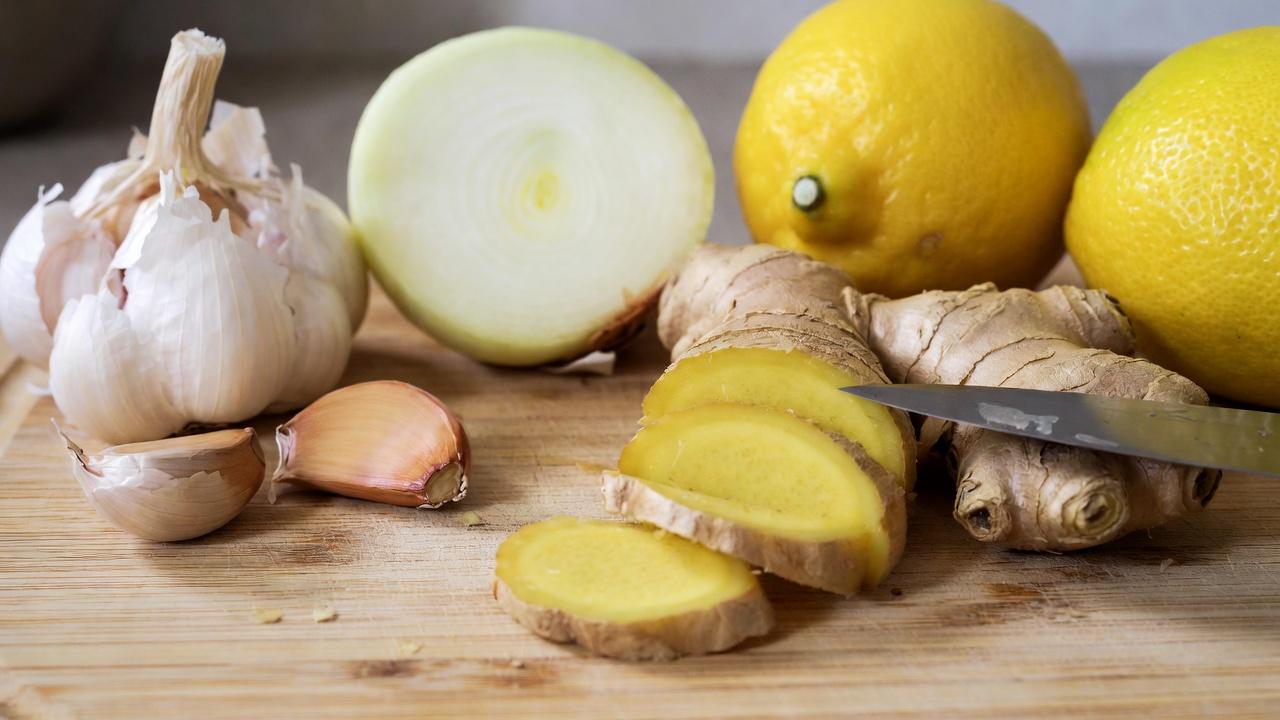
This first image shows fresh ginger root being sliced on a wooden cutting board, surrounded by whole garlic cloves, a halved onion, and bright lemons – capturing the natural, wholesome ingredients right before brewing.
This second image features the finished warm tea in a clear glass mug, with steam gently rising, lemon slices floating on top, and a drizzle of golden honey visible – taken in soft natural morning light for that cozy, homemade feel.
Important Precautions to Keep in Mind
While these ingredients are generally safe for most people, listen to your body:
- Skip if you have allergies to any component.
- Use ginger and garlic moderately if you have high blood pressure or digestive sensitivities.
- Avoid honey for children under 1 year due to botulism risk.
- If you’re on blood-thinning medications or have conditions like stomach ulcers, check with a healthcare provider first.
Conclusion: A Gentle, Natural Way to Support Your Comfort
This simple herbal tea offers a time-honored, comforting approach to easing cough discomfort and supporting respiratory wellness using everyday ingredients. With its warming flavors and potential soothing benefits backed by various studies on individual components, it’s an easy addition to your self-care routine.
Next time you’re feeling under the weather, give this recipe a try – your body (and taste buds) might thank you.
Frequently Asked Questions
Can I drink this herbal tea every day? Yes, many people enjoy it daily as part of a wellness routine, especially during colder months. Start with 1-2 cups and adjust based on how it feels.
Is this suitable for children? Honey is not recommended for children under 1 year. For older kids, use in moderation and consult a pediatrician first.
What if I don’t like the strong garlic or onion taste? The simmering process mellows the flavors significantly. You can reduce the amounts or strain more thoroughly for a milder version.
Disclaimer: This article is for informational purposes only and is not intended as medical advice. The ingredients discussed may offer supportive benefits for general wellness, but they are not a substitute for professional medical treatment. If symptoms persist, worsen, or you have underlying health conditions, please consult a qualified healthcare professional. Always prioritize evidence-based care for your health.


