
Many people experience everyday stresses that leave them feeling tense and out of balance, whether from long hours at work or the demands of daily life. This discomfort can build up, making it hard to relax and recharge, often leading to a search for simple ways to find relief at home. Fortunately, ancient practices like foot reflexology offer a way to connect with your body’s natural rhythms through gentle pressure on specific areas of the feet.But what if there’s a map that could help you navigate these points more effectively? Stick around to uncover a surprising connection that might change how you approach your routine.
What Is Foot Reflexology and Why It Matters
Foot reflexology is an age-old practice rooted in traditional systems, where the feet are seen as a mirror of the body’s overall structure. Practitioners believe that applying pressure to certain spots on the feet can correspond to different parts of the body. This approach has been passed down through cultures for centuries, with roots in ancient Egypt and China.
Research from organizations like the National Center for Complementary and Integrative Health suggests that such practices may support relaxation and well-being. It’s not about diagnosing issues but rather exploring self-care techniques.
But that’s not all. Understanding the basics can empower you to incorporate it into your daily habits.
Understanding the Foot Reflexology Map
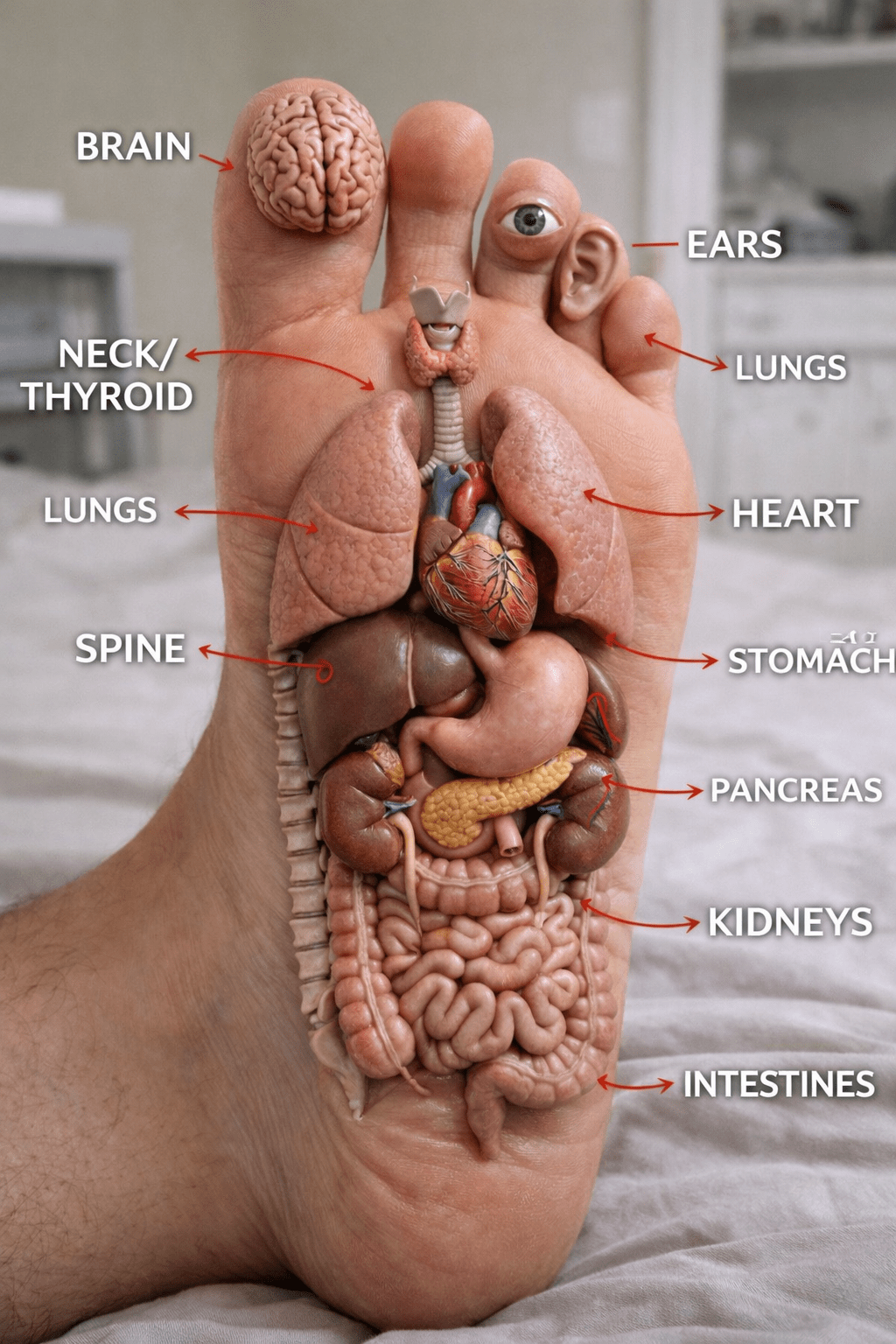
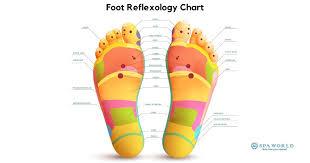
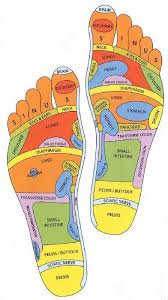
A foot reflexology map is essentially a diagram that outlines zones on the feet linked to various body areas. For instance, the big toe is often associated with the head region, while the arch might relate to digestive zones.
These maps vary slightly depending on the tradition, but they generally follow a similar layout. The left foot typically corresponds to the left side of the body, and the right to the right side.
Here’s the interesting part: By familiarizing yourself with this map, you can start experimenting with gentle massages in targeted areas.
Key Zones on the Foot Reflexology Chart
To make it easier, let’s break down some common zones found on a standard foot reflexology map:
- Toes: These areas are connected to the head, including brain, eyes, and ears. Gentle pressing here might be part of a relaxing evening routine.
- Ball of the Foot: Often linked to chest areas like lungs and heart. Many find light pressure in this spot soothing after a long day.
- Arch: This section corresponds to abdominal regions, such as stomach, pancreas, and kidneys. It’s a popular area for those exploring digestive comfort.
- Heel: Associated with lower body parts like intestines and spine. Applying steady pressure can feel grounding.
Studies, including those published in the Journal of Alternative and Complementary Medicine, indicate that reflexology sessions may promote a sense of calm. Remember, this is for informational purposes only.
How the Map Reflects the Body’s Systems
Imagine your foot as a mini-version of your body. The spine runs along the inner edge, while organs are mapped across the sole.
This layout isn’t random; it’s based on traditional meridian theories from Eastern practices. Modern interest has grown, with some wellness centers incorporating it into spa treatments.
The truth is, while science continues to explore these connections, many users report feeling more centered after sessions.
Benefits of Exploring Foot Reflexology
People turn to foot reflexology for various reasons, often seeking ways to unwind. Some notice improved circulation or reduced tension in targeted areas.
According to a review in Complementary Therapies in Clinical Practice, participants in reflexology studies often felt more relaxed post-session. It’s a non-invasive option that fits into busy lifestyles.
But here’s the key: Consistency matters. Regular practice might enhance your overall routine.
Potential Wellness Insights from Regular Practice
Incorporating foot reflexology can be a mindful addition to self-care. Users sometimes share stories of feeling more energized or balanced.
It’s not a substitute for professional advice, but rather a complementary habit. Think of it as a tool in your wellness toolkit.
And get this: Pairing it with other habits like walking barefoot can amplify the experience.
Step-by-Step Guide to Using a Foot Reflexology Map at Home
Ready to try it yourself? Start with a quiet space and clean feet. Warm them up with a soak in warm water for 5-10 minutes.
Next, sit comfortably and use a printed map as reference. Apply lotion or oil for smoother gliding.
Begin with light pressure using your thumbs. Move in small circles on each zone for 1-2 minutes.
Tools You’ll Need for Beginners
Getting started doesn’t require fancy equipment. Here’s a simple list:
- A basic foot reflexology chart (printable versions are available online).
- Natural oil like coconut or almond for lubrication.
- A comfortable chair or mat for support.
- Optional: A reflexology stick for precise pressure.
Focus on breathing deeply throughout the process.
Techniques for Applying Pressure Safely
Always start gently to avoid discomfort. Use the thumb-walking method: Press and slide your thumb along the foot’s surface.
Alternate between feet to maintain balance. Limit sessions to 10-15 minutes initially.
If something feels off, stop and consult a professional. Safety comes first in any practice.
Common Mistakes to Avoid
One frequent error is applying too much pressure right away. Build up gradually.
Another is ignoring hydration; drink water before and after to support your body.
Lastly, don’t rush the process. Take time to notice how each area feels.
Incorporating Foot Reflexology into Your Daily Routine
Make it a habit by setting aside time each evening. Pair it with meditation for added relaxation.
Some integrate it into morning routines for a fresh start. Experiment to find what works best.
But wait, there’s more: Tracking your sessions in a journal can reveal patterns over time.
Combining with Other Wellness Practices
Enhance effects by combining with yoga or stretching. Foot reflexology complements these activities nicely.
Aromatherapy oils can add a sensory layer. Choose scents like lavender for calm.
Research from the American Journal of Nursing supports integrating such practices for holistic approaches.
Scientific Perspectives on Foot Reflexology
While traditional, modern studies examine its role. A meta-analysis in the International Journal of Therapeutic Massage & Bodywork found potential in stress reduction.
Experts note it’s part of complementary therapies. The Mayo Clinic mentions it as a relaxation technique.
This adds credibility without overpromising.
What Research Says About Pressure Points
Some trials show changes in heart rate variability post-reflexology. This suggests a relaxation response.
However, more large-scale studies are needed. It’s an evolving field.
The fascinating aspect? It bridges ancient wisdom with current wellness trends.
Personal Stories and Experiences
Many share how foot reflexology fits into their lives. One user mentioned feeling more grounded after weekly sessions.
Another appreciated the simplicity for home use. These anecdotes highlight its accessibility.
Of course, experiences vary. Listen to your body.
Conclusion
Exploring a foot reflexology map offers a straightforward way to engage with your body’s pressure points. From understanding zones to trying simple techniques, it can be a valuable addition to your wellness habits. Remember to approach it mindfully and consistently for the best insights.
Frequently Asked Questions (FAQ)
What is a foot reflexology map used for? A foot reflexology map serves as a guide to identify pressure points on the feet that correspond to different body areas, helping individuals explore relaxation techniques at home.
How often should I practice foot reflexology? Many find benefit in practicing 2-3 times a week for 10-15 minutes per session, but adjust based on your comfort and schedule.
Can anyone try foot reflexology? Most people can explore it, but those with foot conditions or health concerns should consult a healthcare provider first.
This information is for educational purposes only and not intended as medical advice. Always consult a qualified healthcare professional for any health-related questions or concerns.


