
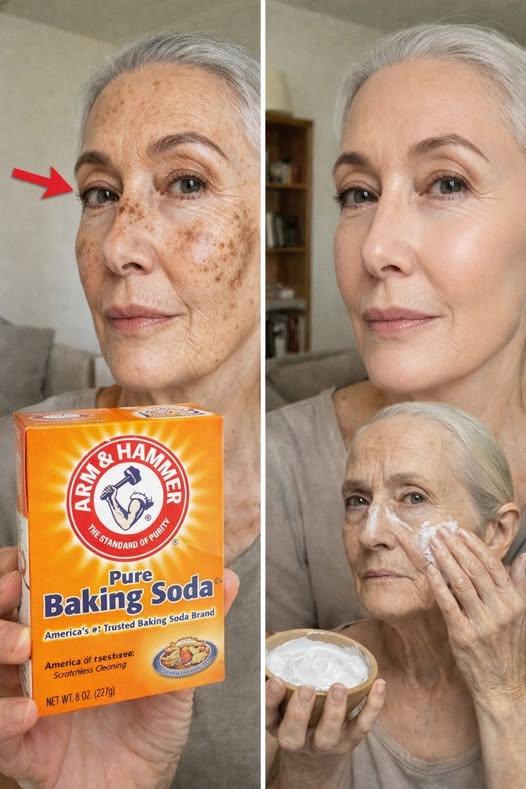
Many women over 50 notice small, flat brown patches appearing on their face, hands, and arms as the years go by. These spots, often called age spots or sun spots, can make skin look uneven and remind us of past sun exposure, leaving us feeling self-conscious about our complexion. While professional treatments exist, plenty of people search for gentle, natural options they can try at home to support brighter-looking skin. But here’s the interesting part: one common kitchen staple might offer some mild exfoliating support — and we’ll explore how to approach it safely later in this guide.
What Are Age Spots and Why Do They Appear?
Age spots, also known as liver spots or solar lentigines, are small areas of increased pigmentation. They typically show up after years of sun exposure, when ultraviolet rays trigger extra melanin production in certain skin cells. As we age, skin cell turnover slows down, making these spots more noticeable. Genetics, fair skin tone, and time spent outdoors without protection all play a role.
The good news? While they are harmless, many women want to explore ways to promote more even skin tone through gentle habits.
How Baking Soda Works as a Natural Exfoliant
Baking soda (sodium bicarbonate) is a mild abrasive powder that’s been used in households for generations. When mixed into a paste, its fine texture can help physically slough off dead surface skin cells — a process called physical exfoliation.
But wait, there’s more to understand… Exfoliation can reveal fresher-looking skin underneath and may gradually improve the appearance of surface dullness or minor uneven tone. Some people report that regular gentle use helps their complexion look smoother and more radiant over time. Research and dermatologist insights suggest that mild exfoliation supports healthier skin texture, though results vary by individual.
The Science Behind Exfoliation and Skin Appearance
Studies on exfoliation show that removing the top layer of dead cells can help with overall brightness and evenness. Baking soda’s alkaline nature (pH around 8-9) differs from skin’s natural acidic barrier (around 4.5-5.5), so it’s not ideal for everyone. Dermatologists often note that while it provides temporary smoothing, it doesn’t target deeper pigmentation.
Here’s the key takeaway: Any surface-level improvement comes from gentle exfoliation, not from “removing” spots permanently. Proven ingredients like vitamin C, niacinamide, or retinoids (used in many skincare products) tend to offer more consistent support for pigmentation concerns, backed by stronger evidence.
Safe Ways to Try Baking Soda for Skin (If You Choose To)
If you’re curious about incorporating baking soda into your routine, always prioritize safety — especially for mature skin, which can be more sensitive and prone to dryness.
Here are two simple, gentle methods many people experiment with:
- Basic Baking Soda Paste Scrub
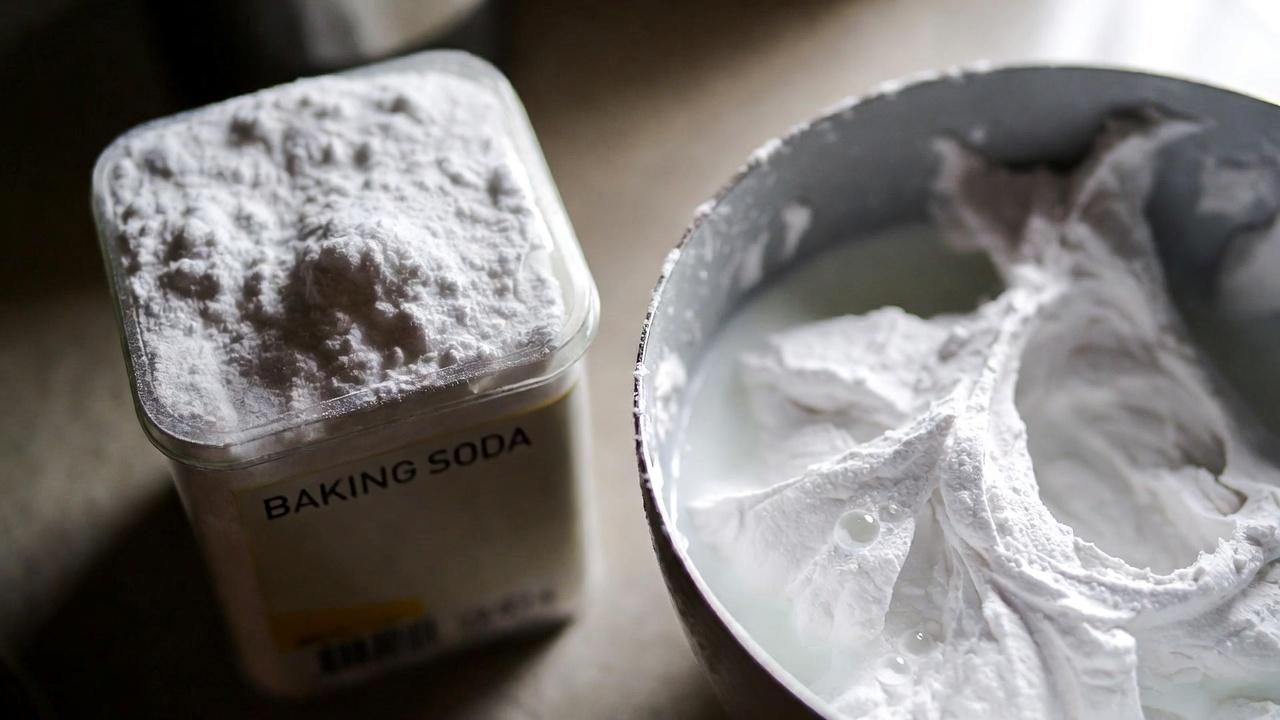
- Mix 1 teaspoon of baking soda with a few drops of water (or honey for added moisture) to form a smooth paste.
- Gently massage onto damp skin in circular motions for 30-60 seconds.
- Rinse thoroughly with lukewarm water.
- Pat dry and follow with a hydrating moisturizer.
- Soothing Baking Soda Mask
- Combine 1 teaspoon baking soda with 1 tablespoon plain yogurt or aloe vera gel.
- Apply a thin layer, leave for 5-10 minutes (no longer).
- Rinse gently and moisturize immediately.
Important tips to keep in mind:
- Always do a patch test on your inner arm first — wait 24 hours to check for irritation.
- Use no more than 1-2 times per week; overdoing it can disrupt your skin’s natural barrier.
- Avoid if you have sensitive, broken, or inflamed skin.
- Never scrub hard — let the texture do the work lightly.
Potential Risks and When to Be Cautious
While baking soda is inexpensive and accessible, it’s not without downsides. Its high pH can strip natural oils, leading to dryness, redness, or irritation — especially on mature or sensitive skin. Some dermatologists warn that frequent use may cause micro-tears or worsen uneven tone over time.
The truth is… If irritation occurs, stop immediately and stick to gentle, pH-balanced cleansers. For many women, milder alternatives (like chemical exfoliants with lactic acid) provide better long-term comfort.
Better Habits for Brighter, More Even-Looking Skin
Beyond any single ingredient, these daily practices make the biggest difference:
- Apply broad-spectrum sunscreen (SPF 30+) every day, even indoors — this prevents new spots and protects existing ones.
- Incorporate antioxidant-rich products (think vitamin C serums) to support skin defense.
- Stay hydrated and use moisturizers with hyaluronic acid to maintain plumpness.
- Consider consulting a dermatologist for personalized advice on proven options.
Quick Comparison: Baking Soda vs. Common Alternatives
| Option | How It Works | Gentleness Level | Evidence Level | Best For |
|---|---|---|---|---|
| Baking Soda | Physical exfoliation | Moderate (can irritate) | Limited/anecdotal | Occasional surface smoothing |
| Vitamin C Serum | Antioxidant, brightening | High | Strong | Daily tone support |
| Niacinamide | Evens tone, strengthens barrier | Very high | Strong | Sensitive/mature skin |
| Gentle AHA (Lactic Acid) | Chemical exfoliation | High | Strong | Gradual renewal |
Wrapping It Up: A Balanced Approach
Exploring natural options like baking soda can be a fun part of your self-care routine, offering mild exfoliation that some find helpful for smoother texture. However, patience and consistency with sun protection and gentle products usually yield the best-looking results over time. Listen to your skin — if something feels off, switch to milder choices.
FAQ
1. How often can I safely use baking soda on my face? Most experts suggest limiting it to 1-2 times per week at most, and always follow with heavy moisturization to avoid dryness.
2. Will baking soda work for deep or stubborn age spots? It primarily affects the surface layer, so deeper pigmentation often needs stronger, evidence-based approaches — talk to a dermatologist.
3. Are there better natural alternatives for age spots? Yes — ingredients like lemon juice (diluted), aloe vera, or green tea extracts are gentler for many, but sunscreen remains the #1 preventive step.
Disclaimer: This article is for informational purposes only and not medical advice. Always consult a qualified dermatologist or healthcare professional before trying new skincare remedies, especially if you have skin conditions, sensitivities, or concerns about pigmentation changes. Individual results vary, and what works for one person may not suit another.


