
As we age beyond 50, our bodies often face changes in digestion, making it harder to maintain regular bowel movements and overall gut comfort. This can lead to discomfort like bloating or irregularity, which might disrupt daily activities and affect quality of life. Fortunately, incorporating more fiber through thoughtful dietary choices can support digestive wellness without overwhelming the system. Stick around to uncover a surprising, simple habit that could make all the difference in your routine.

Understanding Fiber’s Role in Senior Health
Fiber plays a key part in keeping things moving smoothly in the digestive tract. For those over 50, it helps with nutrient absorption and maintaining a healthy weight.
But that’s not all. Research from the American Journal of Clinical Nutrition shows that adequate fiber intake is linked to better heart health markers.
Seniors might need about 21-30 grams daily, depending on gender, according to dietary guidelines from the USDA.
The challenge? Many diets fall short, leading to gaps that supplements can help fill.
Why Fiber Supplementation Matters After 50
Aging brings slower metabolism and potential medication side effects that impact gut function.
This is where fiber steps in, aiding in softer stools and reduced strain.
Studies from Harvard Health Publishing indicate that higher fiber levels support balanced blood sugar.
Yet, jumping in without a plan can cause gas or cramps if done too quickly.
Here’s the key: Start slow to let your body adjust.
Types of Fiber Supplements Suitable for Seniors
There are two main kinds: soluble and insoluble fiber.
Soluble fiber dissolves in water, forming a gel that aids cholesterol management.
Insoluble adds bulk, promoting regularity.
Psyllium husk, a popular choice, offers both types.
Methylcellulose is another gentle option, often found in over-the-counter products.
How to Choose the Right Fiber Supplement
Look for products labeled for gentle use, without added sugars.
Check for third-party testing seals for purity.
Consider forms like powders, capsules, or chewables based on preference.
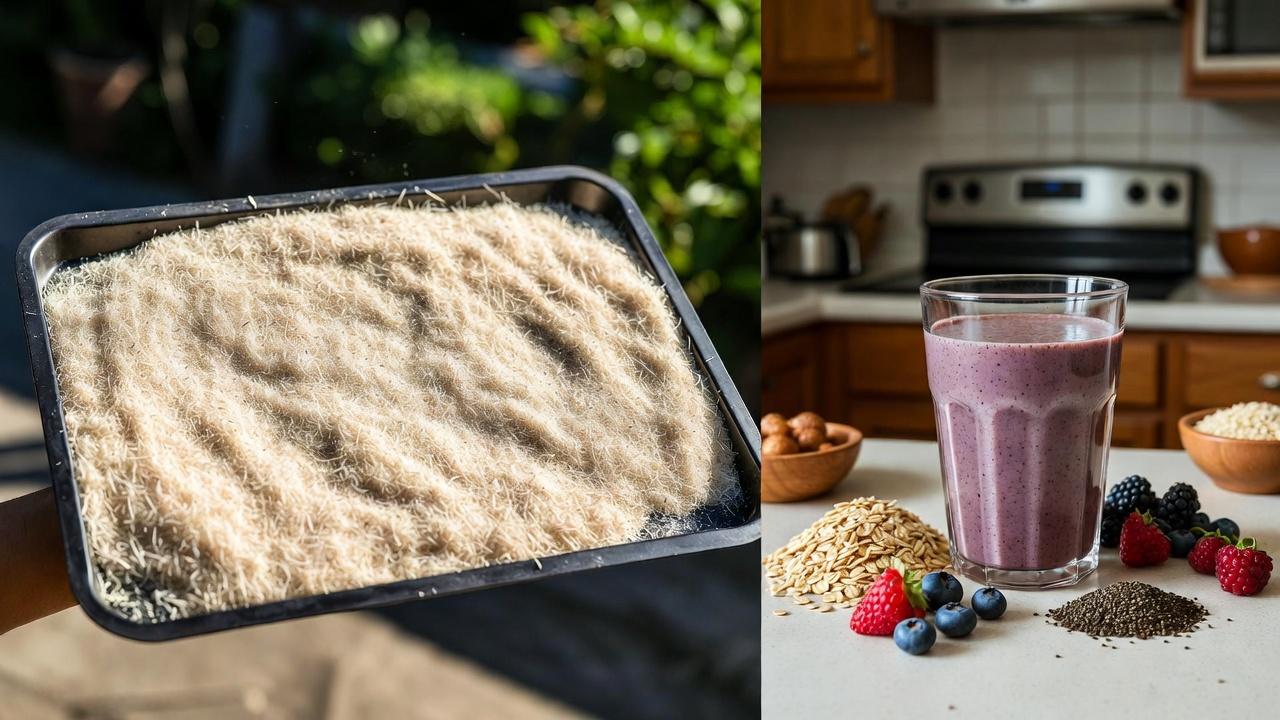
For example, powders mix easily into smoothies.
Always read labels for serving sizes.
Step-by-Step Guide to Starting Fiber Supplementation
First, consult a healthcare provider to ensure it fits your needs.
Begin with half the recommended dose, say 5 grams daily.
Increase gradually over a week to avoid discomfort.
Drink plenty of water—at least 8 glasses a day—to help fiber work effectively.
Track how you feel in a simple journal.
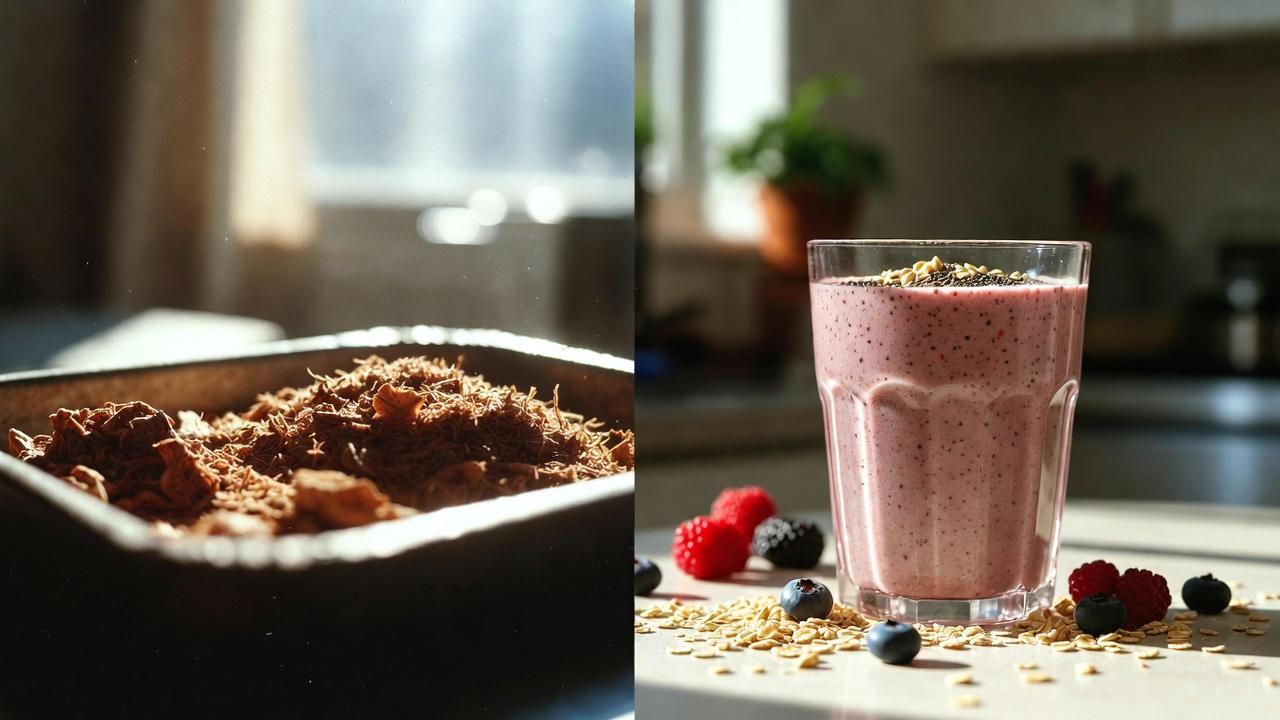
Natural Food Sources to Complement Supplements
Supplements aren’t the only way; whole foods provide fiber plus nutrients.
Incorporate oats for breakfast; they’re rich in soluble fiber.
Add berries to yogurt for a tasty boost.
Vegetables like broccoli offer insoluble fiber.
Aim for a mix to keep meals interesting.
Potential Challenges and How to Overcome Them
Some seniors experience initial bloating when increasing fiber.
The solution? Pair it with probiotics from yogurt.
If medications interact, space them out.
Research from the Mayo Clinic suggests this approach minimizes issues.
Patience is crucial; benefits often appear in weeks.
Daily Habits to Maximize Fiber Benefits
Build routines around meals.
For instance, start your day with a fiber-rich smoothie.
Snack on nuts or apples mid-morning.
Evening salads can wrap up the day nicely.
Consistency turns these into habits.
But wait, there’s more: Combining with light activity enhances effects.
Monitoring Your Progress and Adjustments
Keep an eye on bowel patterns.
If things improve, maintain the routine.
Adjust if needed, perhaps switching supplement types.
Annual check-ups can provide professional insights.
Listen to your body—it’s your best guide.
Delicious Recipes for Fiber-Rich Meals
Try this simple oatmeal bowl: Cook ½ cup oats, top with banana slices and chia seeds.
For lunch, a bean salad with chickpeas, tomatoes, and spinach.
These recipes are easy and flavorful.
They help meet fiber goals naturally.
Experiment to find favorites.
Fiber Content in Common Foods
| Food Item | Serving Size | Fiber (grams) |
|---|---|---|
| Avocado | 1 medium | 10 |
| Lentils | 1 cup cooked | 15 |
| Pear | 1 medium | 6 |
| Almonds | 1 ounce | 4 |
| Brussels Sprouts | 1 cup | 4 |
This table shows how everyday items add up.
Benefits of Different Fiber Sources
- Whole Grains: Support sustained energy.
- Fruits: Provide vitamins alongside fiber.
- Vegetables: Low-calorie options for volume.
- Legumes: Protein-packed for meal satisfaction.
- Nuts/Seeds: Healthy fats for heart support.
Mixing these keeps your diet balanced.
Integrating Fiber into a Busy Senior Lifestyle
Even with packed schedules, small swaps work.
Swap white bread for whole grain.
Add ground flaxseed to soups.
These tweaks fit seamlessly.
Over time, they become second nature.
The real game-changer? Planning weekly menus.
In Conclusion
Supplementing fiber after 50 can enhance digestive comfort through gradual introduction and balanced choices. Focus on a mix of supplements and foods, staying hydrated and active. Remember, consistency leads to noticeable improvements in daily wellness.
Frequently Asked Questions
What is the best time of day to take fiber supplements?
Many find morning or with meals works well, but it depends on your routine. Pairing with food can ease absorption.
Can fiber supplements interfere with medications?
Some might, especially if taken close together. Space them 1-2 hours apart and discuss with your doctor.
How much water should I drink with fiber supplements?
Aim for at least 8-10 glasses daily to prevent constipation and help fiber function properly.
Disclaimer: This information is for educational purposes only and not a substitute for professional medical advice. Always consult a healthcare provider before starting any new supplement regimen.
(Word count: 1,248)


