
Spotting a mouse dart across your floor or hearing scratching in the walls at night can send chills down your spine—it’s unsettling, unhygienic, and often signals bigger issues like contaminated food or chewed wires. Rodents invade homes seeking food, warmth, and shelter, especially during colder months, bringing risks of bacteria and costly damage along the way. The good news? Many homeowners successfully deter these unwanted visitors using simple, household ingredients that target rodents’ powerful sense of smell. In this guide, we’ll explore practical, natural approaches backed by common experiences and general observations from pest experts, helping you create an environment rodents prefer to avoid.
But here’s the intriguing part: some of these everyday items might surprise you with how quickly they disrupt rodent patterns—stick around to discover which combinations often deliver the best ongoing results.

Why Rodents Rely on Their Sense of Smell—and How Nature Exploits It
Rodents like mice and rats navigate primarily through scent, using it to locate food, detect danger, and find safe paths. Strong, overwhelming odors can confuse or irritate their sensitive noses, encouraging them to seek elsewhere. Research and expert insights suggest certain plant-based scents and household staples create temporary avoidance, though results vary by infestation level and consistency of use. These methods focus on deterrence rather than elimination, making them a gentle starting point for minor issues.
Top Natural Repellents to Try at Home
Many natural options draw from essential oils, spices, and common cleaners. Here’s a closer look at some of the most discussed approaches.
1. Peppermint Oil: A Refreshing Barrier
Peppermint oil’s menthol-heavy aroma often tops lists for repelling rodents. Studies and anecdotal reports indicate it can cause hesitation or avoidance due to its intensity.
- Mix 10-15 drops of pure peppermint essential oil with 1 cup of water in a spray bottle.
- Add a dash of dish soap to help it disperse.
- Spray along baseboards, entry points, cabinets, and corners where activity occurs.
- Alternatively, soak cotton balls and place them strategically.
- Reapply every 2-3 days as the scent fades.
Experts note peppermint works best in enclosed spaces where the aroma lingers.
2. Cayenne Pepper: Adding Some Heat
The capsaicin in cayenne irritates sensitive nasal passages, potentially creating an unpleasant zone.
- Sprinkle ground cayenne along baseboards, near cracks, or under appliances.
- Or mix with water for a spray (wear gloves to avoid skin irritation).
- Refresh after cleaning or rain.
This method is budget-friendly and uses something most kitchens already have.
3. Garlic: Pungent Protection
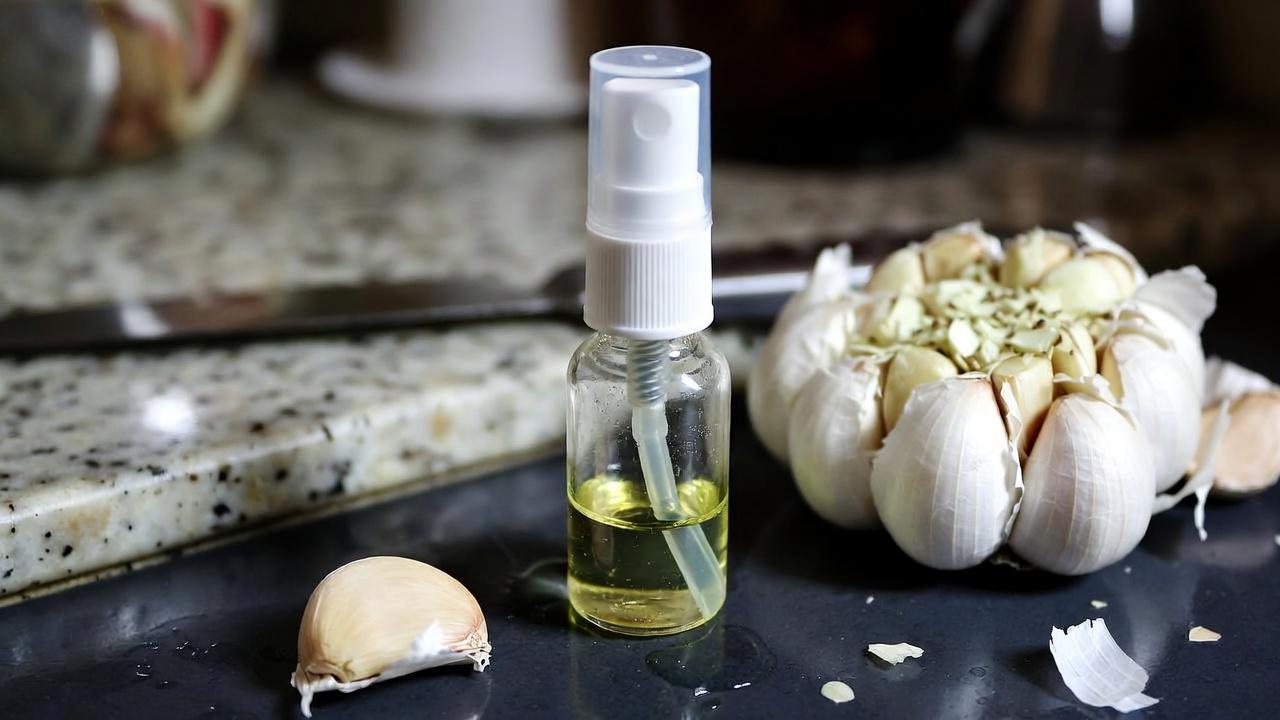
Garlic’s sulfur compounds produce a sharp smell that some find effective for short-term deterrence.
- Crush fresh cloves and place them in problem areas like under sinks or behind stoves.
- Replace every few days to avoid mold.
- For stronger effect, blend garlic with water and spray.
Homeowners often report fewer sightings after consistent use.
4. Ammonia: Mimicking Predator Danger
Ammonia’s sharp odor resembles predator urine, triggering a flight response in rodents.
- Dilute household ammonia with water (1:1 ratio) in small bowls or soaked rags.
- Place in attics, basements, or garages—away from living areas, children, and pets.
- Use in well-ventilated spots only, as fumes can irritate eyes and lungs.
This taps into rodents’ survival instincts but requires caution.
5. Cloves or Clove Oil: Warm Yet Overpowering
Cloves contain eugenol, which contributes to their strong scent.
- Place whole cloves in sachets or soak cotton balls in clove oil.
- Position near pantries, drawers, or entryways.
- Refresh weekly.
It’s a subtle, aromatic option that doubles as a kitchen staple.
6. Vinegar: Simple and Sharp
White vinegar’s acidity disrupts scent trails.
- Spray undiluted or diluted vinegar in corners, behind appliances, and along walls.
- Reapply frequently for best impact.
It’s inexpensive and doubles as a cleaner.
7. Bay Leaves: A Subtle Trick
Bay leaves release compounds rodents may find unappealing.
- Scatter dried leaves in pantries, drawers, or closets.
- Replace every week or two.
Some combine them with other scents for added potency.
8. Essential Oil Blends: Layered Defense
Combining oils like peppermint with eucalyptus or citronella may enhance effects, as noted in pest control discussions.
- Create a custom spray with multiple oils.
- Apply similarly to single-oil methods.
9. Steel Wool for Entry Points: Physical + Scent Combo
Rodents squeeze through tiny gaps—block them while adding repellent.
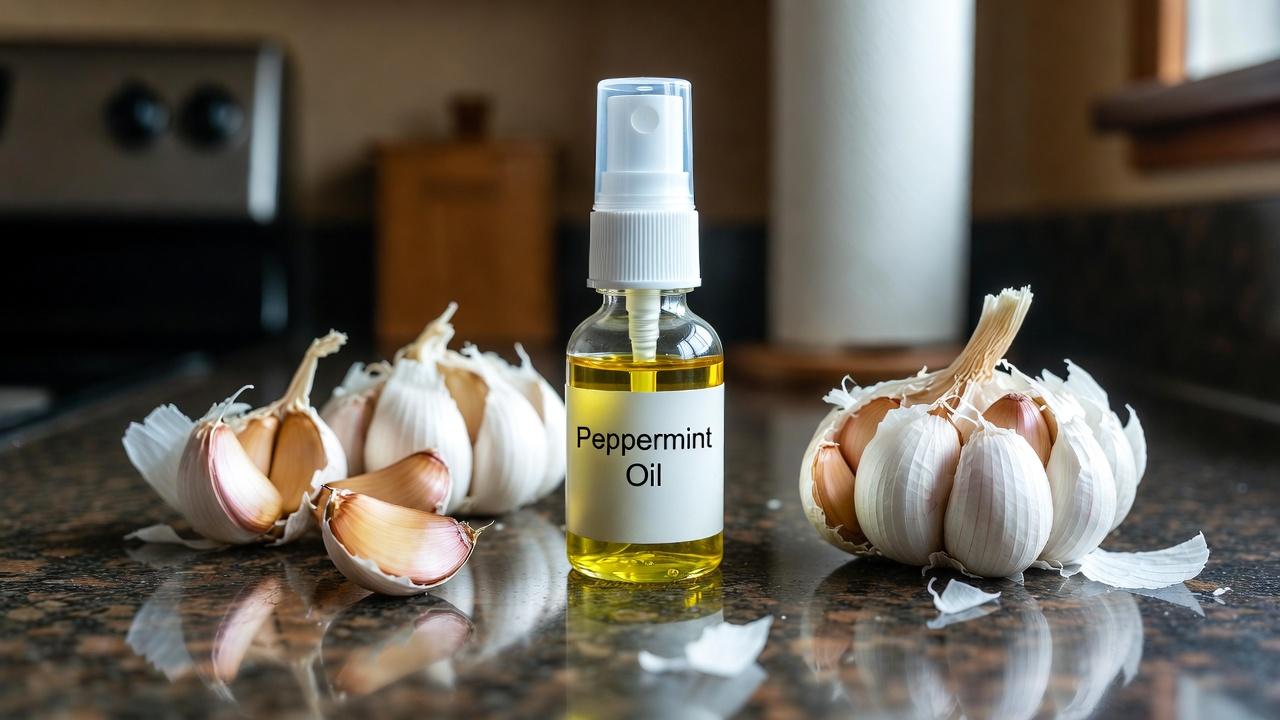
- Stuff steel wool into holes, then soak with peppermint or clove oil.
- Check periodically for wear.
This addresses access directly.
10. Ultrasonic Devices with Natural Support
High-frequency sounds may annoy rodents initially, though adaptation occurs.
- Pair with peppermint-soaked cotton balls nearby for reinforcement.
Quick Comparison of Popular Options
| Repellent | Key Ingredient | How It May Work | Best Spots | Reapplication Frequency |
|---|---|---|---|---|
| Peppermint Oil | Menthol | Overwhelms senses | Corners, cabinets | Every 2-3 days |
| Cayenne Pepper | Capsaicin | Irritates nasal passages | Baseboards, gaps | After cleaning |
| Garlic | Sulfur compounds | Sharp, lingering odor | Under sinks, stoves | Every few days |
| Ammonia | Strong fumes | Mimics predator | Attics, basements | As needed (ventilated) |
| Bay Leaves | Natural compounds | Subtle herbal scent | Pantries, drawers | Weekly |
Pro Tips for Better Results and Prevention
- Combine approaches — Use scents alongside sealing gaps and cleaning up crumbs for stronger impact.
- Focus on entry points — Inspect vents, doors, pipes, and foundations; seal with caulk or mesh.
- Maintain cleanliness — Store food in airtight containers, empty trash regularly, and reduce clutter.
- Monitor progress — Look for droppings or gnaw marks to gauge what’s working.
- Refresh consistently — Natural scents fade, so reapply diligently.
Real-life experiences from homeowners show these steps often reduce sightings when applied thoughtfully.
Frequently Asked Questions
Do natural repellents work for severe infestations?
They may help deter minor activity or prevent entry, but established problems usually need professional assessment for safe, thorough resolution.
Are these methods safe around pets and kids?
Most are low-risk when used properly—keep essential oils and ammonia out of reach, as they can irritate skin or lungs. Always supervise application.
How long until I see results?
Some notice fewer signs within days, but consistency over weeks yields better outcomes—combine with prevention for lasting effects.
These natural strategies offer a gentle, accessible way to discourage rodents while keeping your home eco-friendly. Start with one or two that fit your pantry, and build from there.
Disclaimer: This article is for informational purposes only and does not constitute professional pest control advice. For persistent or significant rodent concerns, consult a qualified pest management expert to ensure safe and effective handling.
(Word count: ~1320)


