
Many people notice fine lines and uneven texture as skin matures, often feeling frustrated by how daily life and time seem to dull that once-smooth glow. These changes can make anyone self-conscious, especially when skincare routines feel overwhelming or ineffective. But what if a common kitchen staple like coffee could offer a gentle, natural way to support smoother-looking skin through exfoliation and antioxidants? Research on coffee’s compounds suggests intriguing possibilities for skin health when used topically. In this guide, we’ll explore how a homemade coffee-based scrub might fit into your routine—plus a step-by-step recipe you can try safely at home.
What Makes Coffee Interesting for Skin Care?
Coffee isn’t just a morning boost—its grounds contain caffeine and polyphenols, natural compounds that draw attention in skincare discussions. Studies indicate that topical caffeine may help protect against UV-related damage and support skin’s natural barrier. For instance, research has shown spent coffee ground extracts can reduce signs of photoaging in models by down-regulating certain enzymes linked to collagen breakdown.
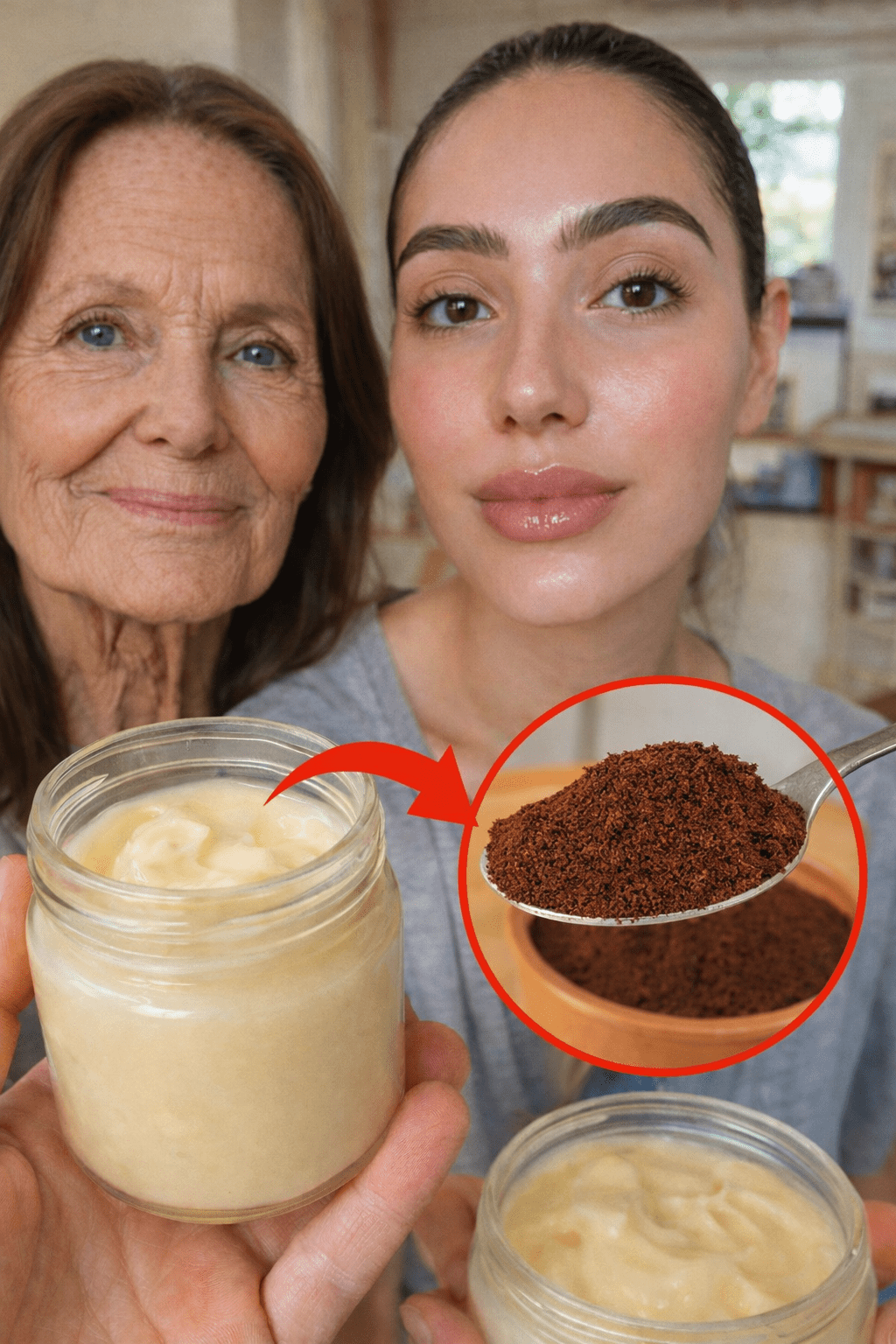
But that’s not all… Antioxidants in coffee, like chlorogenic acids, combat free radicals from everyday exposure, potentially helping maintain a brighter, more even appearance. Some investigations point to improved elasticity and moisture when coffee derivatives are applied, though results vary by individual and formulation.
The Role of Exfoliation in Skin Refreshment
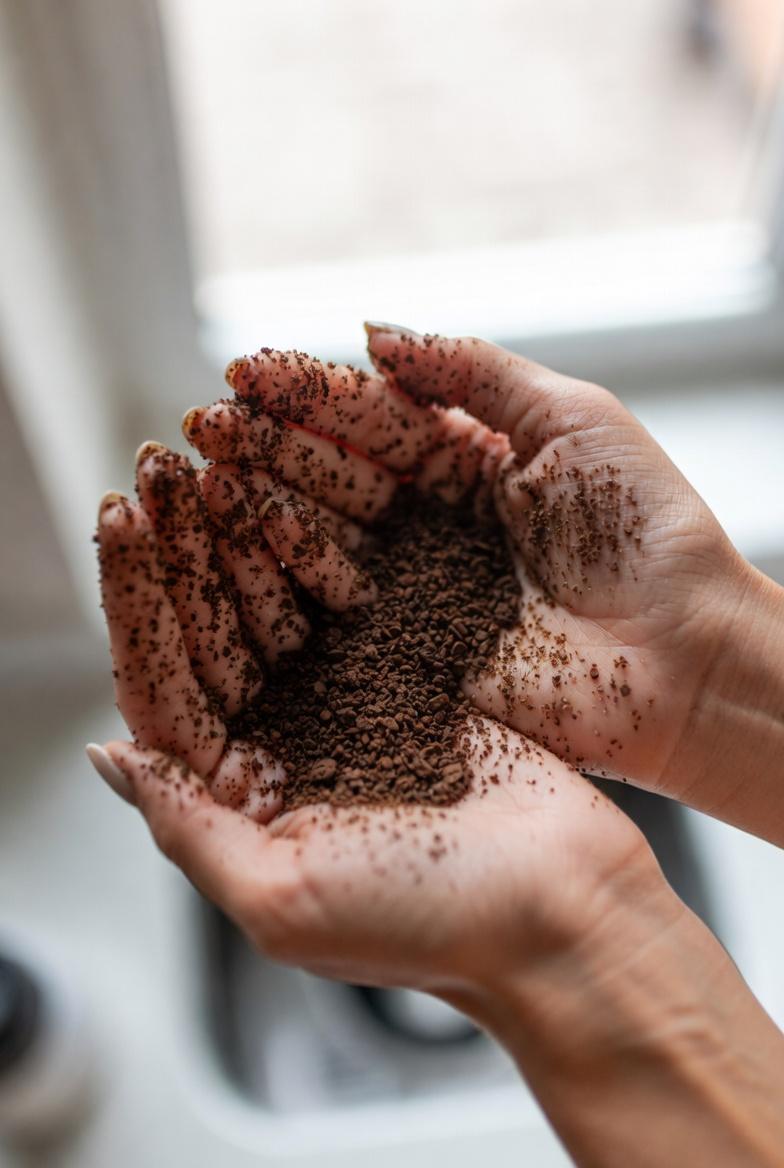
Gentle exfoliation removes dead surface cells, revealing fresher skin underneath and allowing better absorption of moisturizers. Coffee grounds provide a natural texture for this purpose—finer grounds work especially well for facial use to avoid irritation.
This mechanical action, combined with coffee’s bioactive elements, creates an appealing at-home option. However, over-exfoliation can disrupt the skin barrier, so moderation is key.
How to Make a Simple Coffee Scrub at Home
Ready to experiment? This easy recipe uses everyday ingredients for a gentle facial or body scrub. It focuses on natural exfoliation while incorporating moisturizing elements to keep skin comfortable.
Ingredients (for about 1 small jar):
- 1/2 cup used or fresh coffee grounds (finer grind preferred for face; dry them if using fresh to avoid excess moisture)
- 1/4 cup coconut oil or olive oil (melted for easy mixing—provides hydration)
- 1/4 cup brown sugar or fine sea salt (optional for extra gentle exfoliation; skip for very sensitive skin)
- A few drops of vanilla extract (optional, for pleasant scent)
Step-by-Step Instructions:
- In a bowl, combine the coffee grounds with your chosen oil until it forms a thick paste.
- If adding sugar or salt, mix it in gradually for texture—start small to test gentleness.
- Stir in vanilla if desired.
- Store in an airtight jar in a cool place (use within 1-2 weeks for freshness).
- To use: Apply a small amount to damp skin in circular motions for 1-2 minutes, then rinse thoroughly with lukewarm water. Pat dry and follow with moisturizer.
- Start with 1-2 times per week—patch test first on your inner arm to check for sensitivity.
This approach keeps things simple and cost-effective while letting coffee’s natural properties shine.
Potential Benefits Backed by Insights
- Antioxidant Support: Polyphenols in coffee may help neutralize environmental stressors, contributing to a more radiant look over time.
- Improved Circulation: Caffeine can temporarily constrict blood vessels, which some notice as a subtle firming effect.
- Gentle Exfoliation: Grounds slough away dull layers, potentially smoothing texture and enhancing glow.
- Hydration Boost: When paired with oils, it prevents dryness that can accentuate lines.
Several studies on coffee extracts (not always DIY scrubs) highlight protective effects against UV-induced changes, with one noting reduced wrinkle appearance in models after consistent use.
Things to Keep in Mind for Safe Use
Not every skin type responds the same way. Coffee grounds can be mildly abrasive, so those with sensitive, acne-prone, or broken skin should proceed cautiously or skip coarser textures. Always do a patch test. If irritation occurs (redness, itching), discontinue use.
Results aren’t guaranteed and depend on factors like age, genetics, sun exposure, and overall routine. This isn’t a replacement for proven skincare like sunscreen or moisturizers.
Comparing Coffee Scrubs to Other Natural Options
Here’s a quick look at how a coffee scrub stacks up against similar DIY favorites:
- Coffee Grounds Scrub: Natural caffeine + antioxidants; good for circulation and mild exfoliation.
- Sugar Scrub: Gentle physical exfoliant; hydrates but lacks bioactive compounds.
- Oatmeal Scrub: Soothing and anti-inflammatory; ideal for sensitive skin but less stimulating.
- Salt Scrub: Stronger exfoliation; better for body than face.
Coffee stands out for its unique energizing feel and potential protective perks.
Wrapping It Up: A Natural Addition to Your Routine
Incorporating a coffee scrub can be a refreshing, low-commitment way to pamper your skin with kitchen staples. While science points to promising topical benefits from coffee’s compounds—like antioxidant activity and support for skin resilience—it’s most effective as part of a balanced approach including hydration, sun protection, and healthy habits.
Give this simple recipe a try and see how your skin feels. Small, consistent steps often lead to noticeable improvements over time.
FAQ
Can I use fresh coffee grounds instead of used ones?
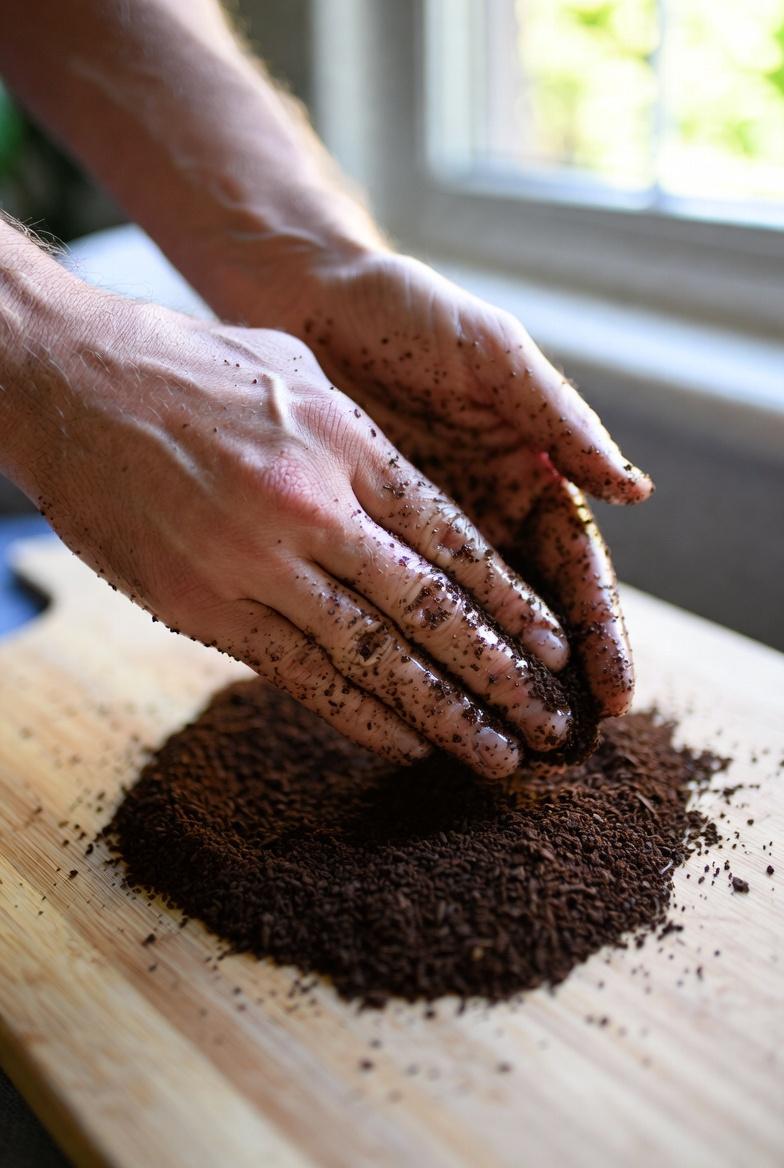
Yes—fresh grounds work well, but dry them slightly first to avoid a watery mix. Used grounds are milder and more sustainable.
How often should I use a coffee scrub?
1-2 times weekly is ideal for most people to avoid over-exfoliation. Listen to your skin—if it feels irritated, reduce frequency.
Is this safe for all skin types?
It’s generally gentle, but sensitive or very dry skin may prefer finer grounds and more oil. Always patch test, and consult a dermatologist if you have concerns.
Disclaimer: This article is for informational purposes only and not medical advice. Topical use of natural ingredients like coffee can cause reactions in some people. Consult a healthcare professional before trying new skincare practices, especially if you have skin conditions or sensitivities. Individual results vary, and no product guarantees specific outcomes.


