
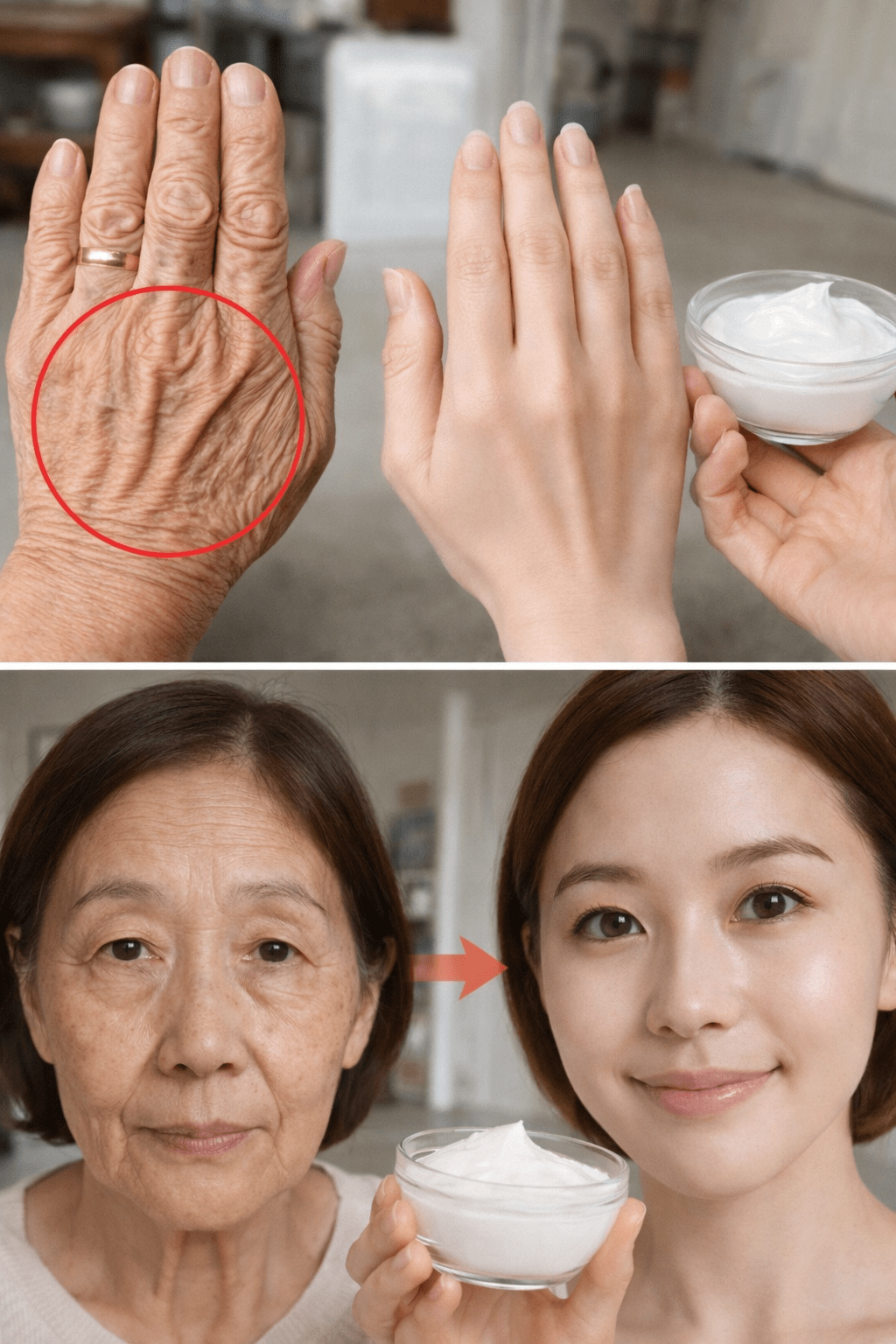
As we age, many of us notice our skin losing some of its natural smoothness and brightness. Fine lines become more noticeable, texture feels uneven, and dullness can make us look tired even after a good night’s rest. These changes often stem from built-up dead skin cells, environmental exposure, and the natural slowdown in cell turnover. The good news? Simple habits and gentle exfoliation can support a fresher appearance and help maintain healthier-looking skin over time. But here’s something intriguing: a common kitchen staple might offer a mild way to refresh your complexion when used thoughtfully—stay with me to discover how to approach it safely and what really works for long-term skin health.
Why Gentle Exfoliation Matters for Skin Texture
Exfoliation helps remove the outer layer of dead skin cells that can accumulate and make skin look rough or lackluster. When done properly, it promotes a brighter, more even tone and allows moisturizers to absorb better. Research on skin renewal shows that regular but mild removal of dead cells supports a healthier barrier and smoother surface.
Physical exfoliants, like gentle scrubs, work by buffing away debris mechanically. Baking soda (sodium bicarbonate) falls into this category as a mild abrasive. Some people incorporate it into DIY routines for its affordability and accessibility. Studies on sodium bicarbonate in dermatology suggest it has properties that can support certain skin concerns, such as gentle cleansing or soothing in specific applications, though evidence for broad anti-aging effects remains limited.
But that’s not the full picture—let’s look closer at how it fits into everyday care.
What Baking Soda Brings to Skincare: Potential Benefits
Baking soda is naturally alkaline and has been used in various personal care contexts for its buffering and mild abrasive qualities. Here’s what some observations and general research highlight:
- Mild Exfoliation — Its fine texture can help slough off dead skin cells, potentially leaving skin feeling smoother temporarily.
- Oil Absorption — It may help balance excess oil on the surface, which can benefit those with combination skin.
- Gentle Cleansing — When diluted, it acts as a simple cleanser to remove buildup without harsh chemicals.
Dermatological reviews note that sodium bicarbonate appears in some cosmetic formulations as a pH adjuster, abrasive, or deodorant agent. Anecdotal reports from users often mention a refreshed feel after occasional use, especially when mixed with soothing ingredients.
But here’s the interesting part… while these short-term perks sound appealing, the key to real skin improvement lies in consistency and safety.
Important Considerations: Risks and Realistic Expectations
No ingredient is one-size-fits-all, and baking soda’s high pH (around 8-9) contrasts with skin’s natural acidity (around 4.5-5.5). Frequent or undiluted use can disrupt the skin barrier, leading to dryness, irritation, or increased sensitivity. Dermatologists often caution against regular facial application because over-exfoliation or pH imbalance may cause more issues than benefits over time.
Evidence-based sources emphasize that while baking soda shows promise in targeted uses (like baths for itch relief), it’s not a primary solution for texture concerns. Overuse risks include redness, barrier damage, or even worsening dryness that makes lines appear more prominent.
The takeaway? Approach with moderation and always prioritize your skin’s natural balance.
How to Try Baking Soda Safely: Step-by-Step Guide
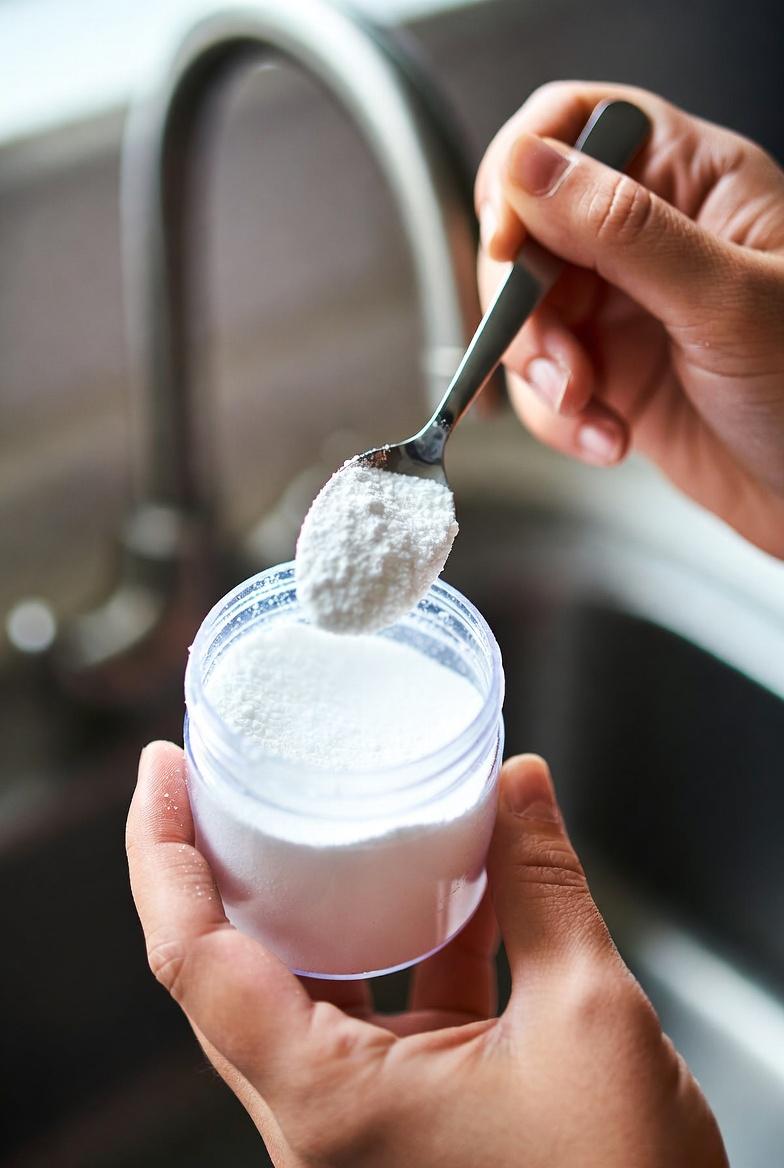
If you’re curious about incorporating baking soda occasionally, here’s a cautious, beginner-friendly way to test it. Always do a patch test on your inner arm first and stop if any irritation occurs.
- Choose the Right Form — Use plain, food-grade baking soda without additives.
- Dilute Properly — Mix 1 teaspoon of baking soda with enough water (or a gentle carrier like honey or aloe) to form a soft paste. Avoid undiluted application.
- Apply Gently — On clean, damp skin, massage in light circular motions for 20-30 seconds, focusing on non-sensitive areas like cheeks or forehead.
- Rinse Thoroughly — Use lukewarm water and pat dry—never scrub harshly.
- Moisturize Immediately — Follow with a hydrating cream to restore the barrier.
- Limit Frequency — Start with once a week max, and only if your skin tolerates it well.
This method aims for gentle surface refreshment rather than dramatic changes.
Better Long-Term Habits for Smoother, Healthier Skin
For lasting improvements in texture and appearance, focus on proven daily practices:
- Daily Sunscreen — UV exposure accelerates uneven tone and lines—broad-spectrum SPF 30+ is essential.
- Hydration Inside and Out — Drink plenty of water and use humectant-rich moisturizers.
- Gentle Cleansing — Opt for pH-balanced cleansers to preserve your skin’s acid mantle.
- Chemical Exfoliants — Ingredients like lactic acid or salicylic acid provide more controlled exfoliation with less risk of irritation.
- Antioxidant Support — Vitamin C or green tea extracts help protect against environmental damage.
Research consistently shows these habits support collagen maintenance and barrier health far better than any single quick fix.
Quick Comparison: Baking Soda vs. Common Exfoliation Options
- Baking Soda — Cheap, accessible; mild physical exfoliant; potential pH disruption if overused.
- Sugar or Salt Scrubs — Natural abrasives; similar short-term smoothing; can be too harsh on sensitive skin.
- Chemical Exfoliants (AHAs/BHAs) — Promote cell turnover gently; backed by more studies for texture improvement; better for regular use.
- Professional Treatments — Microdermabrasion or peels offer controlled results under expert guidance.
Choosing based on your skin type makes the biggest difference.
Wrapping It Up: Focus on Gentle, Consistent Care
Exploring natural options like baking soda can be a fun way to learn about your skin, but sustainable results come from respecting its natural balance. Gentle exfoliation, sun protection, and hydration form the foundation of healthier-looking skin at any age. If you’re dealing with persistent concerns, consulting a dermatologist ensures personalized advice tailored to you.
FAQ
Can baking soda replace my regular exfoliator? No—it’s best as an occasional addition rather than a daily staple. Gentler, pH-balanced options are usually more reliable for consistent use.
How often is safe to use baking soda on the face? Most experts suggest no more than once or twice a week, and only if your skin shows no signs of irritation. Always follow with heavy moisturization.
Is baking soda suitable for sensitive skin? It may cause issues due to its alkalinity—patch test carefully and consider skipping it if you have dryness, redness, or conditions like eczema.
Disclaimer: This article is for informational purposes only and not intended as medical advice. Skin responses vary, and what works for one person may not suit another. Consult a healthcare professional or dermatologist before trying new skincare practices, especially if you have existing skin conditions or sensitivities.


