
Many people over 50 experience knee discomfort that makes everyday activities like walking, climbing stairs, or standing for long periods feel challenging. This often stems from natural wear on joint cartilage over time, combined with factors like extra body weight or reduced muscle support around the joint. The frustration builds when simple movements become limited, affecting independence and quality of life. But emerging insights from nutrition research point to supportive dietary choices that may help maintain joint comfort and mobility as part of a balanced lifestyle.
What if a simple, everyday food could play a role in supporting your knee health? Keep reading to discover one nutrient-rich option backed by studies, along with practical ways to incorporate it and other habits for better joint support.

Understanding Knee Joint Health and Cartilage Support
Knee joints rely on cartilage to cushion bones and enable smooth movement. As we age, cartilage can gradually thin, leading to stiffness or discomfort during activity. Research highlights that certain nutrients may contribute to overall joint wellness by providing building blocks for connective tissue or helping manage everyday inflammation.
Studies suggest that collagen, a key protein in cartilage, tendons, and ligaments, becomes important for maintaining joint structure. When collagen breaks down during cooking, it forms gelatin, which supplies amino acids like glycine and proline. These may support the body’s natural processes for connective tissue health.
The Role of Bone Broth in Supporting Joint Comfort
Bone broth, made by simmering animal bones (often with connective tissues) for hours, naturally releases collagen and gelatin along with minerals and amino acids. Some research explores how these components from collagen-rich sources may help with joint-related comfort.
For instance, investigations into hydrolyzed collagen (similar to what’s found in well-prepared bone broth) indicate potential benefits for knee function and everyday mobility in people experiencing joint discomfort. One review of studies noted modest improvements in pain scores and movement with consistent intake of collagen peptides. While bone broth itself isn’t studied as extensively as supplements, its gelatin content provides comparable amino acids that the body can use.
But that’s not all… bone broth also contains glucosamine and chondroitin naturally occurring from cartilage in the bones. These compounds appear in research on joint support, sometimes linked to reduced stiffness during daily activities.
Key Nutrients in Bone Broth for Joint Support
Here’s what makes bone broth stand out as a supportive food:
- Collagen and Gelatin: Provide amino acids essential for connective tissue maintenance.
- Glucosamine and Chondroitin: Naturally present in small amounts; associated with cartilage health in various studies.
- Minerals (like calcium, magnesium, phosphorus): Support overall bone strength around joints.
- Anti-inflammatory compounds (from amino acids like glycine): May help manage general inflammation levels.
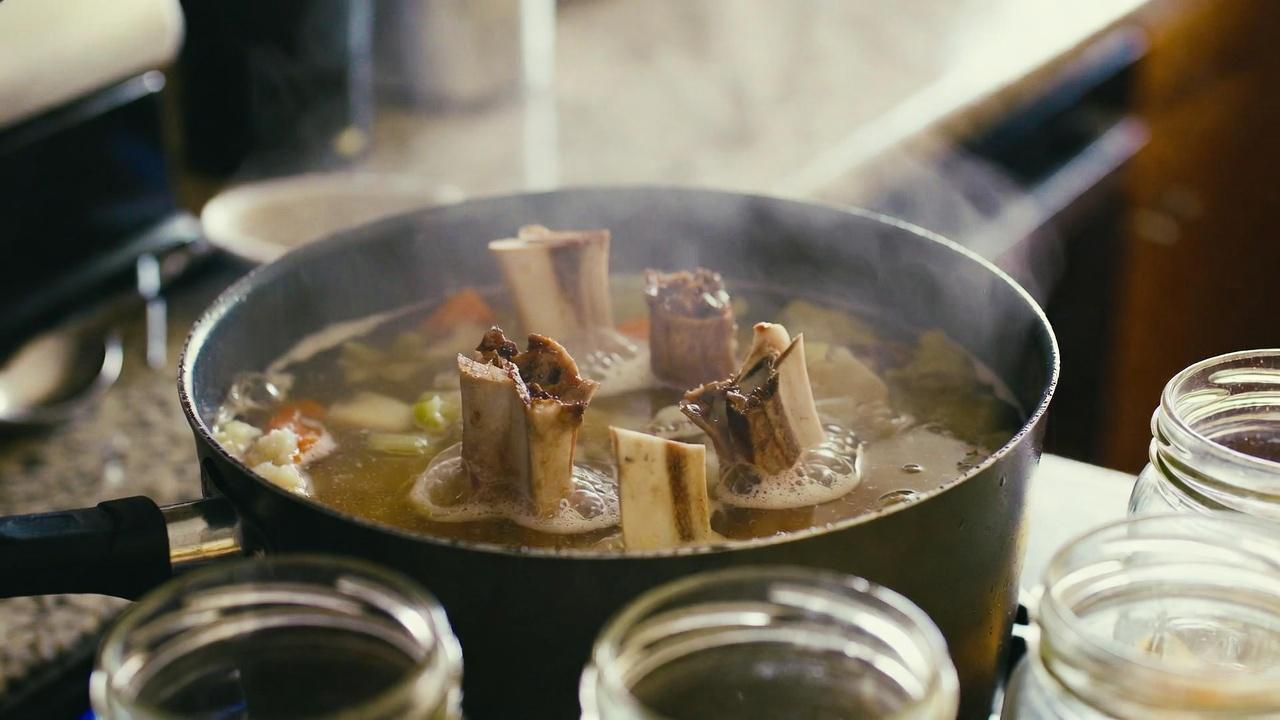
A comparison of common joint-supportive foods:
- Bone broth: High in natural collagen/gelatin, easy to digest, versatile in meals.
- Fatty fish (salmon): Rich in omega-3s for inflammation management.
- Leafy greens and berries: Supply vitamin C for collagen production.
- Turmeric: Contains curcumin for anti-inflammatory effects.
Incorporating a variety ensures broader nutrient support.
How to Make and Use Bone Broth at Home
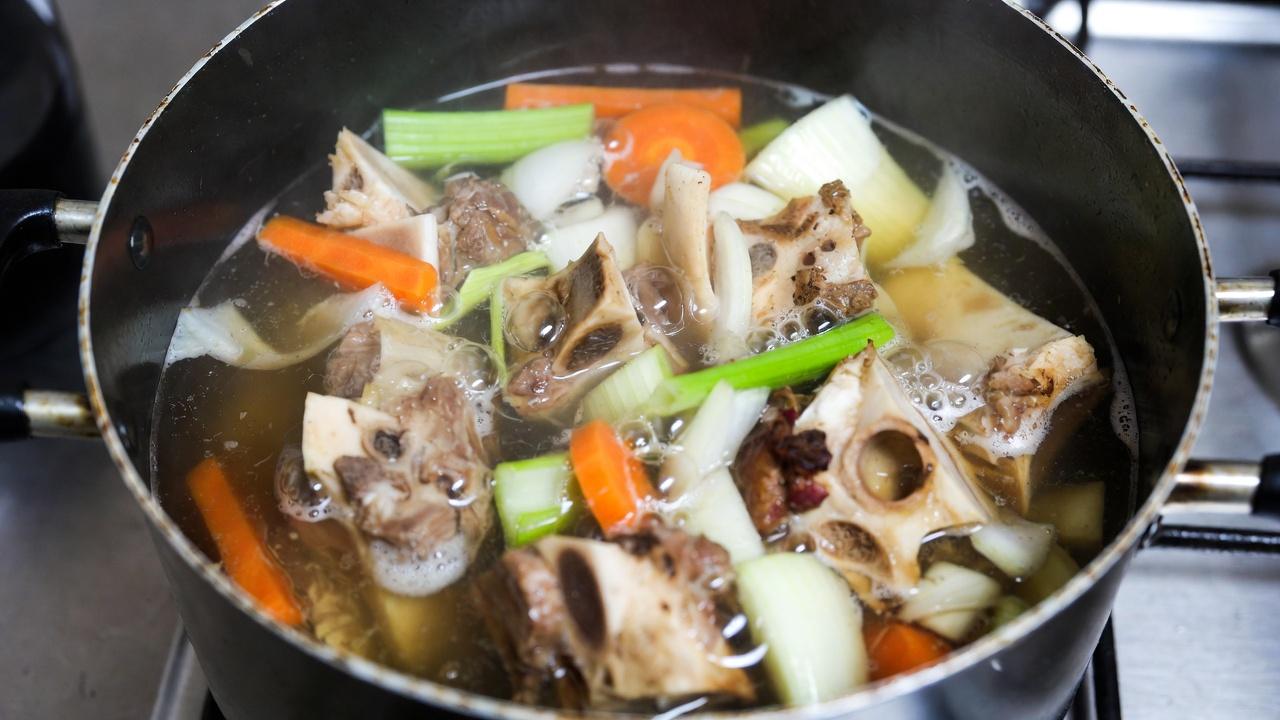
Making bone broth is straightforward and cost-effective. Follow these steps for a nutrient-rich batch:
- Gather bones (chicken, beef, or pork with joints/cartilage), vegetables (onions, carrots, celery), and a splash of apple cider vinegar (helps extract minerals).
- Place in a large pot or slow cooker, cover with water.
- Simmer on low heat for 12–24 hours (longer for more gelatin).
- Strain, cool, and store in the fridge (up to 5 days) or freezer.
Drink 1–2 cups daily as a warm beverage, use as a soup base, or add to cooking grains. Start with smaller amounts to see how your body responds.
Additional Habits to Support Knee Mobility
Beyond bone broth, combine these evidence-based approaches:
- Maintain a healthy weight: Even modest reductions ease pressure on knees.
- Stay active with low-impact movement: Walking, swimming, or cycling strengthens supporting muscles without excess strain.
- Incorporate anti-inflammatory foods: Add omega-3-rich fish, colorful fruits/veggies, and spices like ginger.
- Strengthen surrounding muscles: Gentle quadriceps and hamstring exercises improve joint stability.
- Prioritize rest and recovery: Alternate activity with proper positioning to avoid overuse.
These steps work together for better long-term comfort.
What the Research Says About Collagen Sources
Multiple reviews and trials examine collagen derivatives for joint support. Some show small-to-moderate benefits for discomfort and function in knee osteoarthritis, with good tolerability. While more large-scale studies are needed, the evidence points to potential value when included in a healthy routine. Bone broth offers a whole-food source of similar compounds.
Conclusion: Start Small for Noticeable Support
Adding bone broth or other collagen-supportive foods to your daily habits is a simple, enjoyable way to nurture joint health alongside movement and balanced nutrition. Many notice gradual improvements in comfort and ease during daily tasks. Consistency matters most—pair it with overall wellness practices for the best results.
Frequently Asked Questions
How much bone broth should I drink daily for joint support? Start with 1 cup per day and increase to 2 if tolerated well. Listen to your body and adjust based on preference.
Is bone broth safe for everyone? Most people tolerate it fine, but those with certain dietary restrictions (e.g., high sodium concerns) should choose low-salt versions or consult a professional.
Can bone broth replace medical advice for knee discomfort? No—it’s a supportive food, not a substitute for professional evaluation or prescribed care if pain persists.
Disclaimer: This article is for informational purposes only and not intended as medical advice. Always consult a healthcare professional before making dietary changes, especially if you have existing health conditions or take medications. Individual results vary, and no food guarantees specific outcomes.


