
Many adults notice more frequent colds, lingering fatigue, or occasional digestive discomfort as they age. Busy schedules, stress, and everyday exposures can make the body feel less resilient over time. While no single food eliminates these challenges entirely, garlic—a staple in kitchens worldwide—has drawn attention for its potential supportive role in overall wellness. Research highlights its sulfur compounds, especially allicin, formed when fresh garlic is crushed. But what does the evidence actually show? In this post, we’ll explore garlic’s properties, practical incorporation tips, and why consistency matters—plus a surprising detail on maximizing its benefits that many overlook.
The Science Behind Garlic’s Antimicrobial Potential
Garlic’s reputation stems largely from allicin, a compound produced when a clove is damaged. Studies indicate allicin reacts with thiol groups in microbial enzymes, potentially disrupting processes like energy production.
Research shows allicin exhibits broad-spectrum activity in lab settings against various Gram-positive and Gram-negative bacteria, including some resistant strains. It has also demonstrated effects against certain fungi, such as Candida albicans, and hints of antiviral properties in models. For instance, investigations note activity against pathogens like Escherichia coli, Staphylococcus aureus, and others in controlled environments.
However, these findings come primarily from in vitro tests or animal models. Human studies often use garlic extracts or supplements rather than raw garlic alone, and results vary. No evidence supports garlic as a direct cure or replacement for medical treatments. Instead, it may contribute to general microbial balance when part of a varied diet.
Why Fresh Garlic Stands Out Compared to Other Forms
Fresh, crushed garlic maximizes allicin formation, unlike aged extracts or cooked versions where the compound degrades. One review notes allicin as the primary driver of observed antimicrobial effects in fresh preparations.
Cooked garlic retains some benefits, though reduced, as other sulfur compounds persist. Still, for potential everyday support, raw or lightly incorporated fresh garlic often shows stronger lab activity.
Everyday Ways Garlic May Support Wellness
Evidence points to several areas where garlic compounds show promise:
- Gut and Microbial Balance — Lab studies suggest selective activity, potentially favoring beneficial flora while targeting certain harmful ones.
- Immune Resilience — By reducing microbial load in models, it may indirectly aid overall defenses.
- Cardiovascular Support — Some trials link garlic intake to modest improvements in lipid profiles and circulation.
- Antioxidant Effects — Compounds help combat oxidative stress, protecting cells.
- Inflammation Modulation — Anti-inflammatory potential noted in various investigations.
These effects appear most consistent with regular, moderate consumption rather than high doses.
Practical Tips to Incorporate Garlic Safely
Start small to allow your body to adjust. Here are actionable steps:
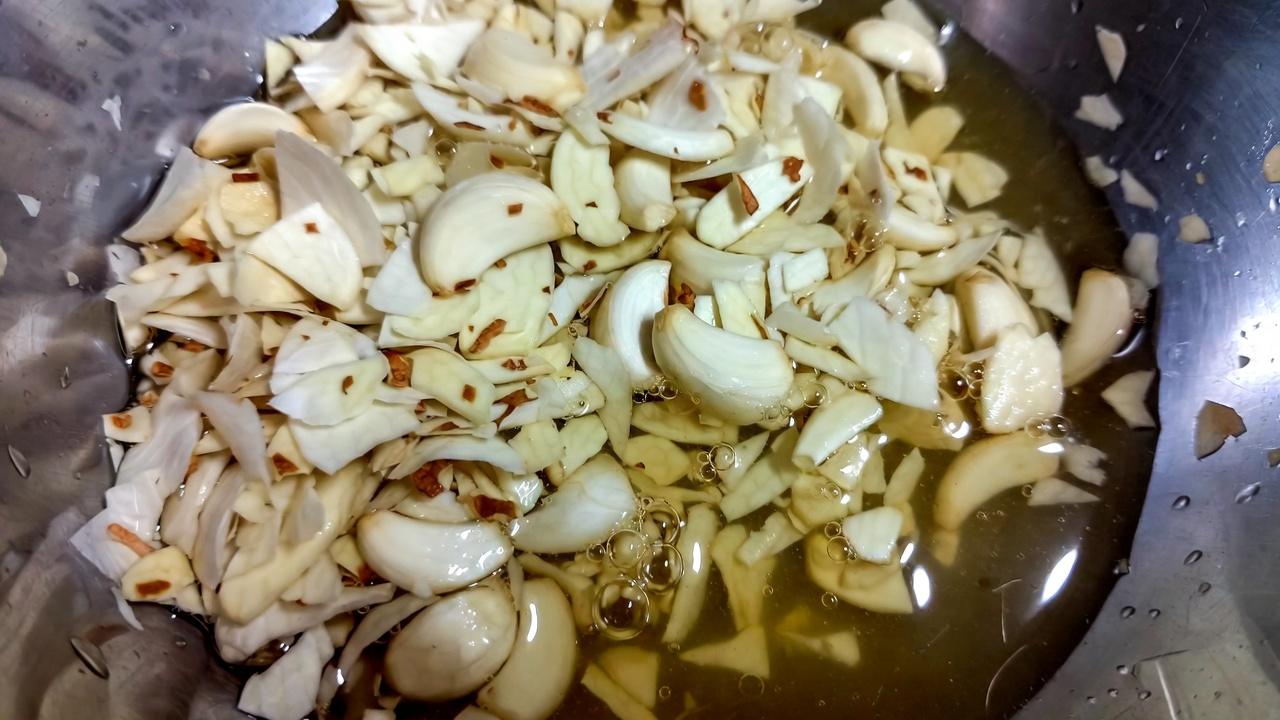
- Crush 1-2 cloves and let sit 10 minutes before eating—this boosts allicin.
- Add to salads, dressings, or spreads for raw benefits.
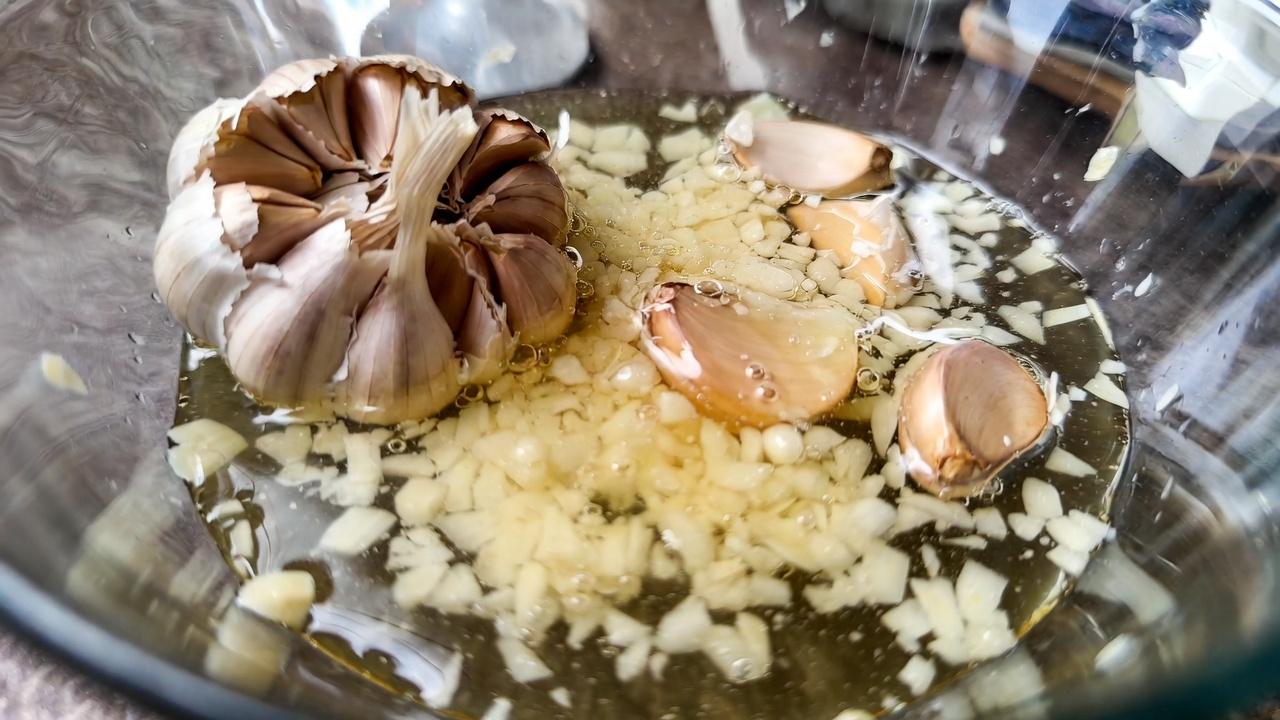
- Mix crushed garlic with a little honey for a gentle daily tonic (many find it easier on the stomach).
- Include in cooked meals—while allicin lessens, other compounds remain active.
- Pair with black pepper—some evidence suggests enhanced absorption of related nutrients.
Aim for consistency over intensity. Many notice subtle shifts in energy or comfort after a few weeks.
Quick Comparison: Garlic vs. Common Alternatives
| Aspect | Fresh Crushed Garlic | Antibiotics | Probiotics |
|---|---|---|---|
| Spectrum | Broad (lab models: bacteria, fungi, some viruses) | Targeted (specific bacteria) | Gut-focused (beneficial strains) |
| Resistance Risk | Low (multi-target mechanism) | High | Low |
| Side Effects | Mild (odor, possible stomach upset) | Digestive issues, resistance | Minimal |
| Accessibility | Everyday kitchen item | Prescription | Supplements |
| Cost | Very low | Moderate to high | Moderate |
Garlic offers natural, accessible support without the same resistance concerns.
Stories and Real-World Insights
Many people report feeling more energized or less prone to minor issues with daily garlic. One approach: a teacher added crushed garlic to meals and noticed steadier well-being. These anecdotes align with lab findings but aren’t substitutes for professional care.
The Key Revelation: Why Daily Use Matters Most
The real value lies in steady incorporation rather than occasional high doses. Over time, this may contribute to better resilience against everyday challenges. Pair it with balanced eating, movement, and rest for the best outcomes.
FAQ
How much garlic is typically recommended daily? Most studies suggest 1-2 cloves of fresh garlic, or equivalent in extracts, for potential benefits. Start low and monitor tolerance.
Can garlic interact with medications? It may affect blood thinning or certain drugs. Consult a healthcare provider if on anticoagulants or other prescriptions.
Is raw garlic better than supplements? Fresh raw garlic provides maximum allicin, but supplements offer convenience and standardized doses. Choose based on preference and needs.
This article is for informational purposes only and does not constitute medical advice. Always consult a healthcare professional before making changes to your diet or health routine, especially if you have underlying conditions or take medications.


