
As we get older, many people notice their legs feeling heavier, stairs becoming more challenging, or standing up from a chair taking extra effort. This gradual change often stems from natural muscle loss known as sarcopenia, which can begin after age 60 and affect daily independence, balance, and overall energy. The good news is that simple, everyday food choices can play a supportive role in maintaining muscle health, strength, and comfort in your legs.
In this guide, we’ll explore eight practical foods inspired by nutrient-dense eating patterns seen in long-lived populations, like those in Japan. These foods provide key nutrients such as protein, potassium, magnesium, and omega-3s that research links to better muscle function. While no single food works miracles, incorporating them thoughtfully may help you stay more active and steady on your feet.

Why Leg Strength Matters More Than You Think
After age 60, muscle mass can decline by 1-2% per year if not addressed. Studies from organizations like the National Institute on Aging highlight that weaker leg muscles are a top predictor of falls, which affect 1 in 3 adults over 65 annually. Beyond safety, strong legs support heart health, energy levels, and the freedom to enjoy time with family or hobbies.
The encouraging part? Nutrition focused on high-quality protein, anti-inflammatory fats, and essential minerals can help preserve what you have and support natural muscle maintenance.
But that’s not all — let’s dive into the foods that make a real difference.
The 8 Foods to Include for Better Leg Support
These selections draw from evidence on nutrients that aid muscle health, such as protein for repair, potassium and magnesium for proper contraction, and omega-3s for reducing inflammation.
- Eggs – A Top Source of High-Quality Protein
Eggs deliver complete protein, including leucine, an amino acid that supports muscle protein synthesis. Research shows adequate protein intake helps older adults maintain lean mass.
Aim for 1-2 eggs a few times a week, soft-boiled or scrambled for easy digestion. - Leafy Greens (Spinach, Kale) – Packed with Magnesium
Magnesium plays a key role in muscle relaxation and nerve function. Low levels are common in older adults and linked to discomfort. Leafy greens also offer potassium and antioxidants.
Try a handful in salads, smoothies, or lightly sautéed.
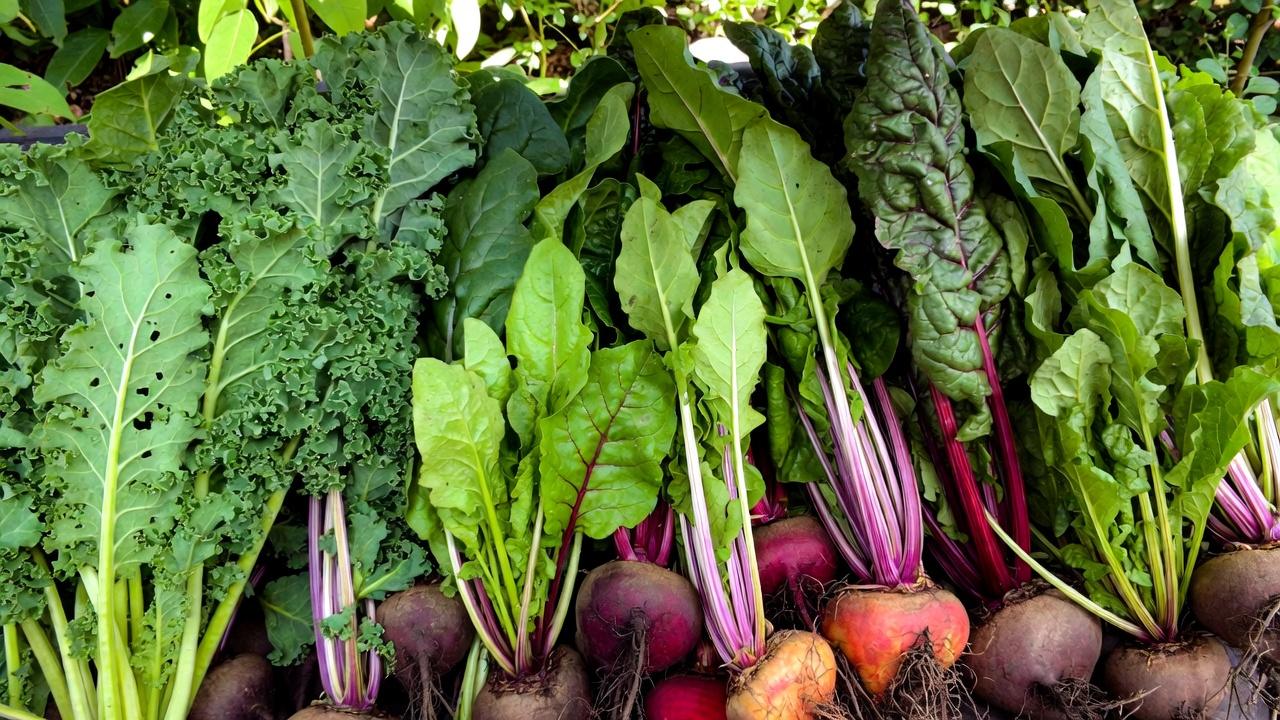
Here are some fresh, vibrant leafy greens ready to add to your meals:
- Bananas – Natural Potassium Boost
Potassium helps regulate muscle contractions and may ease occasional cramps. One medium banana provides a good amount, plus some magnesium. Studies suggest consistent intake supports walking comfort.
Enjoy one as a snack or sliced over yogurt. - Fatty Fish (Salmon or Sardines) – Omega-3 Powerhouse
Omega-3 fatty acids from fish can help manage inflammation and support circulation. Research links higher intake to better muscle function in older adults.
Include 2-3 servings per week, grilled or baked. - Sweet Potatoes – Steady Energy and Minerals
These provide potassium, magnesium, and complex carbs for sustained energy without spikes. They’re a gentle way to fuel activity and recovery. - Greek Yogurt – Protein Plus Probiotics
High in protein and calcium, Greek yogurt supports muscle maintenance. Pair it with flaxseeds for added omega-3s and fiber. - Nuts and Seeds (Including Flaxseeds) – Magnesium and Healthy Fats
A small handful offers magnesium, potassium, and plant-based omega-3s. They help with overall nutrient balance. - Beetroot – Natural Nitrates for Circulation
Beetroots contain nitrates that the body converts to nitric oxide, which may improve blood flow. Some studies show benefits for exercise endurance in older adults when consumed before activity.
Here’s a colorful array of beetroots, perfect for roasting or juicing:
Simple Ways to Add These Foods to Your Day
Start small for lasting habits:
- Breakfast: Eggs with spinach or Greek yogurt with banana
- Lunch: Sardines on whole-grain toast with leafy greens
- Snack: Handful of nuts or sweet potato slices
- Dinner: Salmon with roasted beetroot and greens
Consistency matters more than perfection. Combine these with gentle movement like walking or chair exercises for the best support.
Quick Comparison: Traditional vs. Nutrient-Focused Choices
| Food Choice | Key Nutrients Provided | Potential Benefit for Legs |
|---|---|---|
| Typical processed snacks | Low protein/minerals | Limited support |
| Eggs + greens | Protein, magnesium, potassium | Muscle repair + relaxation |
| Fatty fish + sweet potato | Omega-3s, potassium | Inflammation management + energy |
| Beetroot + yogurt | Nitrates, protein | Circulation + maintenance |

Your Simple Starting Plan
Week 1: Add eggs and greens to breakfast.
Week 2: Include a banana or fatty fish 2-3 times.
Week 3: Try beetroot in a salad or smoothie.
Track how your legs feel during daily tasks — many notice steadier movement over time.
Frequently Asked Questions
How much protein do older adults need daily?
Guidelines suggest 1.0-1.2 grams per kg of body weight, spread across meals for optimal muscle support.
Can these foods replace exercise?
No — nutrition works best alongside regular movement, even light walking or resistance activities.
Are there any precautions?
If you have kidney issues or take medications affecting potassium, check with a healthcare provider first.
Disclaimer
This article is for informational purposes only and does not constitute medical advice. Always consult your healthcare provider before making dietary changes, especially if you have existing health conditions or take medications.


