
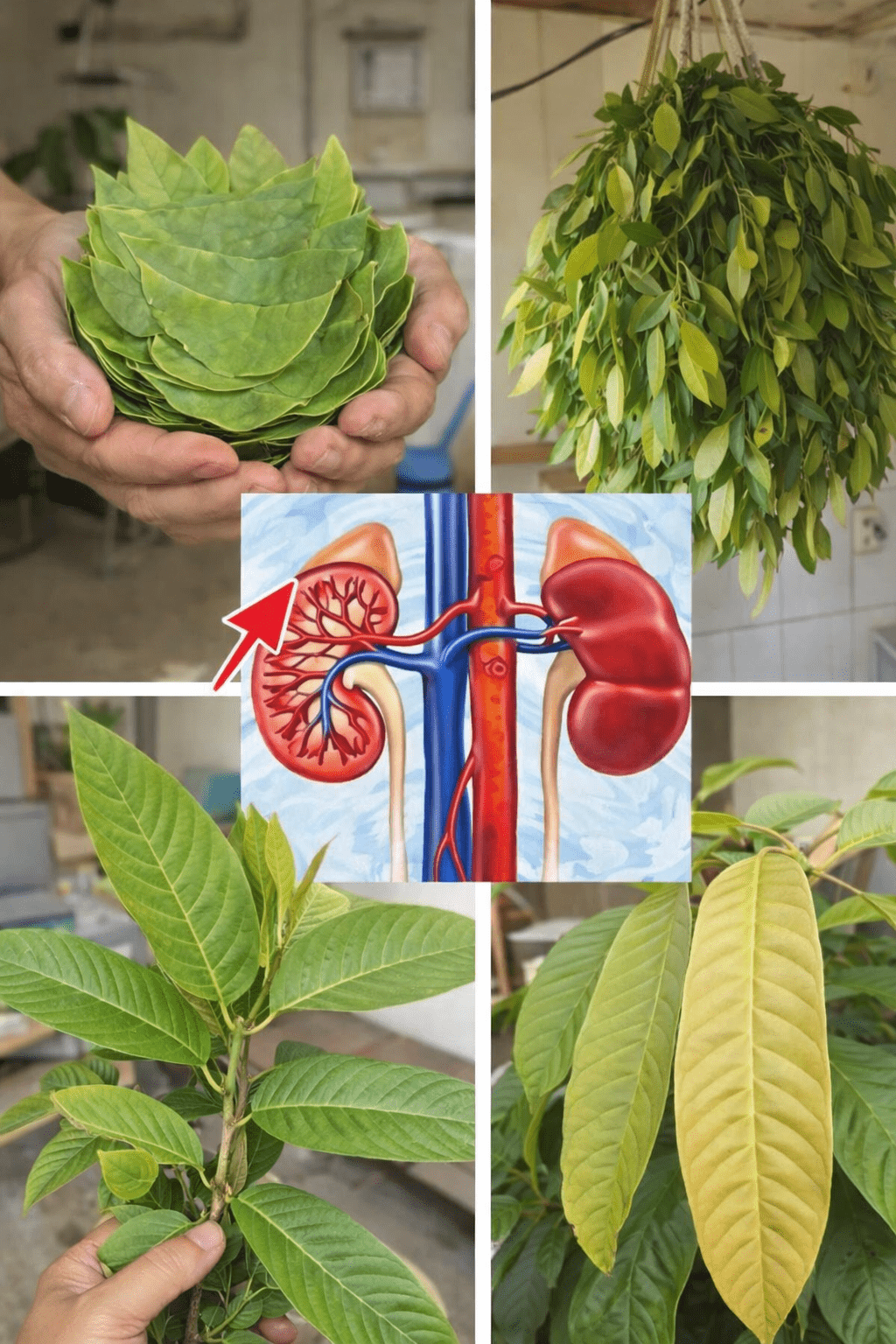
Many adults face ongoing challenges with blood sugar balance, energy levels, liver health markers, cardiovascular comfort, and overall circulation as they age. These concerns often stem from everyday factors like diet, stress, and lifestyle, leading to feelings of fatigue or unease. While medical guidance remains essential, interest has grown in exploring traditional plant-based options that may offer gentle support for metabolic wellness. In this article, we’ll look at five everyday leaves—guava, avocado, mango, fig, and bay—and what research and traditional use suggest about their role in supporting general health. Stay tuned until the end for a surprising insight on how these might fit into a simple daily routine.
Why These Leaves Are Drawing Attention
These leaves come from familiar trees and have been part of traditional practices in various cultures for generations. Modern interest stems from their rich content of natural compounds like polyphenols, flavonoids, and antioxidants. Research increasingly explores how these elements may interact with processes related to glucose metabolism, lipid balance, inflammation, and vascular function. While results vary and more studies are needed, preliminary findings point to supportive roles in wellness routines.
But that’s not all—each leaf brings its own unique profile.
Guava Leaves: A Focus on Metabolic Support
Guava leaves (from Psidium guajava) are rich in flavonoids such as quercetin and vitamin C-like compounds. Traditional uses include support for digestion and everyday energy.
Several animal and small human studies suggest guava leaf extracts may help maintain healthy blood sugar levels after meals by influencing glucose absorption and insulin sensitivity. Some research also points to potential benefits for liver protection through antioxidant activity, which combats everyday oxidative stress.
People often prepare guava leaf tea to incorporate these elements gently into their day.
Here are key areas where guava leaves show promise in studies:
- Supporting post-meal glucose balance
- Providing antioxidant effects for general cellular health
- Contributing to lipid profile wellness
Avocado Leaves: Traditional Ally for Circulation and Heart Comfort
Avocado leaves (Persea americana) contain antioxidants and anti-inflammatory compounds like flavonoids and quercetin. In some cultures, they’ve been used for vascular support and relaxation.
Limited studies, including small human trials on elderly participants, indicate that boiled avocado leaf preparations may help maintain comfortable blood pressure levels, possibly by promoting vessel relaxation and improving flow. Animal research also explores lipid-lowering potential.
This makes avocado leaf tea an intriguing option for those focused on heart-friendly habits.

Mango Leaves: Spotlight on Antioxidant and Anti-Inflammatory Properties
Mango leaves (Mangifera indica) are notable for mangiferin, a polyphenol with strong antioxidant qualities. Traditional applications include use for metabolic and inflammatory concerns.
Lab and animal research highlights mangiferin’s potential to support glucose control, reduce oxidative stress, and offer protective effects against cell damage. Some studies suggest broader anti-inflammatory benefits that could tie into overall wellness.
Mango leaf infusions are a simple way to explore these compounds.
Fig Leaves: Folklore Meets Emerging Research on Sugar Balance
Fig leaves (Ficus carica) have a long history in traditional medicine for digestive and metabolic support.
Small human studies from decades ago found fig leaf decoctions may help lower post-meal blood sugar in participants with diabetes. More recent work explores insulin-like effects and circulation support.
Though research is limited, fig leaves remain popular in herbal practices.
Bay Leaves: Everyday Addition for Metabolic Balance
Bay leaves (Laurus nobilis) are common in cooking and contain compounds that may influence glucose and lipid metabolism.
Clinical trials in people with type 2 diabetes showed that small amounts of ground bay leaves (1-3 grams daily) were linked to reductions in fasting glucose, total cholesterol, LDL, and triglycerides, alongside increases in HDL.
This positions bay leaves as an accessible option for metabolic routines.
Comparison of Key Support Areas
Here’s a quick overview based on available research:
- Guava Leaves — Strong focus on blood sugar support and antioxidant activity
- Avocado Leaves — Notable for circulation and blood pressure comfort
- Mango Leaves — High in mangiferin for anti-inflammatory and protective potential
- Fig Leaves — Traditional emphasis on sugar balance and digestion
- Bay Leaves — Evidence for lipid and glucose profile improvements
These differences allow you to choose based on personal priorities.
Simple Ways to Incorporate These Leaves
Here are actionable steps to try them safely:
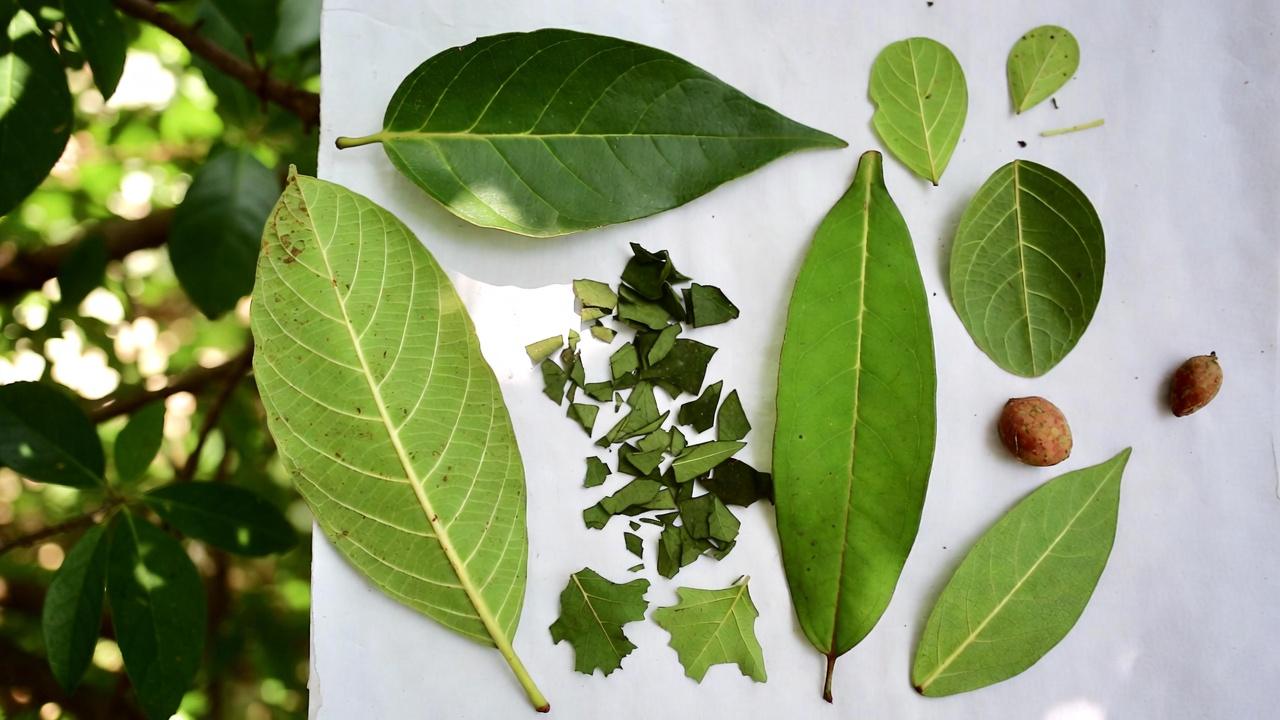
- Select fresh or dried leaves — Use clean, organic sources when possible.
- Brew basic tea — Add 1-2 leaves (fresh or dried) to a cup of hot water. Steep 5-10 minutes.
- Start gradually — Begin with one type daily to monitor how you feel.
- Enhance flavor — Add ginger or lemon for taste and extra wellness support.
- Track consistency — Use for a few weeks while maintaining a balanced diet and activity.
Always choose quality ingredients and consult a healthcare provider first, especially if you take medications.
Timeline for Exploring These Leaves
Week 1: Introduce one leaf tea daily and note general feelings. Weeks 2-4: Rotate varieties and observe energy or digestion shifts. 1 Month+: Continue with favorites while tracking overall habits.
Consistency, paired with healthy choices, often brings the most noticeable changes.
Final Thoughts: Nature’s Simple Support
These five leaves—guava, avocado, mango, fig, and bay—offer an accessible way to add plant-based elements to daily routines. While science continues to uncover their potential, many appreciate their role in promoting general wellness through antioxidants and metabolic support. The real value often lies in consistent, moderate use alongside professional advice.
Frequently Asked Questions
1. How do I safely prepare leaf tea? Use 1-2 clean leaves per cup of hot water, steep for 5-10 minutes, and strain. Start with small amounts.
2. Can these leaves interact with medications? Some may influence blood sugar or pressure, so consult a healthcare provider if you’re on related treatments.
3. Are these leaves suitable for everyone? They’re generally well-tolerated in moderation, but pregnant individuals or those with specific conditions should seek guidance.
This article is for informational purposes only and does not replace professional medical advice. Consult your healthcare provider for personalized guidance.


