
Many people over 40 experience ongoing fatigue, occasional brain fog, or a general sense of not feeling their best, even when routine check-ups appear normal. Everyday stressors, subtle inflammation, and seasonal challenges can contribute to these feelings, leaving you searching for simple, natural ways to support overall wellness. Thyme, a common kitchen herb with a long history in traditional practices, offers a range of compounds that research has explored for their potential supportive roles in health. But there’s one surprising way this herb might fit into your daily routine that many overlook—keep reading to discover it.

Why Thyme Deserves a Closer Look in Your Kitchen
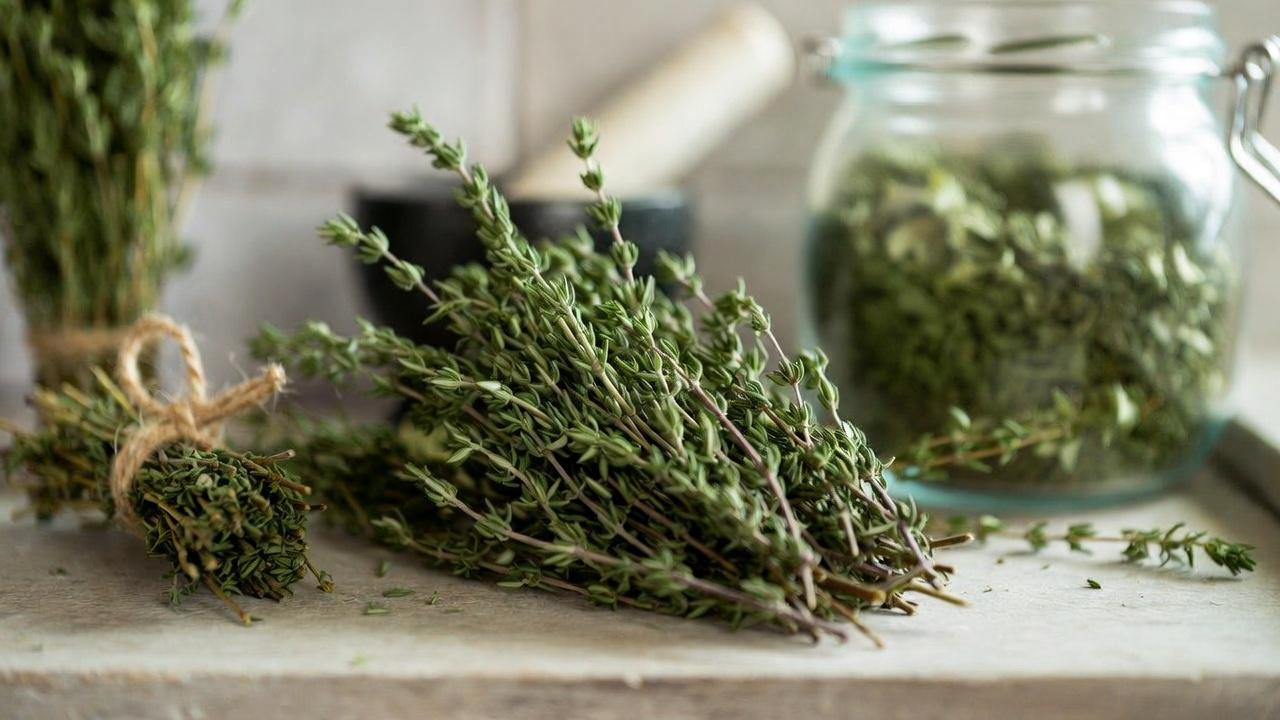
Thyme (Thymus vulgaris) belongs to the mint family and has been valued for centuries in Mediterranean cuisine and folk remedies. Its distinctive earthy aroma comes from key compounds like thymol and carvacrol, which contribute to its studied properties. Modern research, including reviews from sources like the McCormick Science Institute and various lab studies, points to antioxidant, anti-inflammatory, and antimicrobial characteristics in thyme and its essential oil.
These elements may help explain why thyme appears in discussions about supporting respiratory comfort, immune function, and more. While thyme is not a substitute for medical treatment, incorporating it thoughtfully could complement a balanced lifestyle.
Key Compounds in Thyme and Their Studied Properties
Thyme contains several bioactive elements worth noting:
- Thymol: Often highlighted for its potential antimicrobial and antioxidant effects.
- Carvacrol: Shares similar properties and may support anti-inflammatory activity.
- Other phenolics: Such as rosmarinic acid, which contributes to overall antioxidant potential.
Studies suggest these compounds work together, potentially offering broader support than isolated ingredients.
Potential Support for Respiratory Wellness
Thyme has a traditional reputation for aiding breathing comfort, especially during seasonal discomfort. Research in journals like the European Respiratory Journal has examined thyme’s role in helping thin mucus and ease airways, sometimes comparing favorably to common expectorants in preliminary ways.
Simple ways to try thyme for respiratory support:
- Brew a basic thyme tea: Steep 1 teaspoon of fresh or ½ teaspoon dried thyme in hot water for 10 minutes.
- Try steam inhalation: Add fresh thyme sprigs to a bowl of hot water, cover your head with a towel, and inhale gently for 5-10 minutes (avoid if you have sensitive skin or asthma).
Many find this soothing during colds, but always listen to your body.
Antioxidant and Anti-Inflammatory Potential
Oxidative stress and low-grade inflammation can affect how we feel day-to-day. Thyme’s phenolic compounds show promise in lab and animal studies for neutralizing free radicals and modulating inflammatory markers.
A review in Phytotherapy Research noted consistent effects in reducing certain inflammation indicators over weeks. While human trials are ongoing, this aligns with thyme’s place in Mediterranean diets known for supporting long-term wellness.

Exploring Antimicrobial Properties
With concerns about resistant bacteria rising, natural options draw interest. Lab research, including a 2023 study in Microbial Drug Resistance, found thyme essential oil effective against certain bacterial strains in test settings.
This doesn’t replace antibiotics, but it highlights why thyme has been used historically as a preservative and in oral care products.
Supporting Blood Sugar Balance and Metabolic Health
Some animal and preliminary human studies suggest thyme extracts may help inhibit enzymes involved in blood sugar spikes after meals. Iranian research indicated potential moderation of post-meal responses.
For those monitoring levels, adding thyme to meals could be a flavorful, low-effort habit—though diet and lifestyle remain key.
Here’s a quick comparison of common ways to enjoy thyme:
- Fresh sprigs — Best for cooking and maximum aroma.
- Dried leaves — Convenient for tea and seasoning.
- Essential oil — Potent; use only diluted and under guidance.
Brain Health and Mood Support
Emerging studies explore thymol’s influence on brain-derived neurotrophic factor (BDNF), a protein linked to learning and mood. While more research is needed, early findings from university trials suggest potential cognitive support.
Adding fresh thyme to breakfast dishes like eggs or salads is an easy start.
Skin and Overall Wellness Ideas
Thyme’s antioxidant profile may offer internal support for skin health by helping combat oxidative damage. Some studies indicate polyphenols could aid in maintaining collagen.
DIY thyme toner idea:
- Simmer thyme sprigs in water for 10 minutes.
- Cool and strain.
- Store in a spray bottle for gentle face mist (patch test first).
Practical Ways to Add Thyme to Your Routine
Start small to see how your body responds:
- Week 1: Drink thyme tea once daily.
- Week 2: Sprinkle fresh thyme on roasted vegetables or proteins.
- Week 3: Experiment with thyme-infused olive oil for dressings.
These habits are simple, affordable, and align with whole-food approaches.
Final Thoughts on Thyme’s Place in Wellness
Thyme stands out as an accessible herb with a solid foundation of traditional use and growing scientific interest. From potential respiratory and antioxidant support to everyday culinary enhancement, it offers versatile ways to boost your routine. The most powerful approach often combines it with a healthy diet, movement, and rest.
What small thyme habit will you try first? Many readers find even one change brings noticeable differences over time.
FAQ
Is thyme tea safe for daily use? In moderate amounts (like 1-2 cups per day from culinary thyme), it’s generally considered safe for most adults. Start low and monitor how you feel.
Can thyme interact with medications? Thyme may interact with certain drugs, such as those affecting thyroid or cholinergic medications. Consult your healthcare provider if you’re on prescriptions.
What’s the best way to store fresh thyme? Keep fresh sprigs wrapped in a damp paper towel in the fridge for up to a week, or dry them for longer storage.
Disclaimer: This article is for informational purposes only and does not constitute medical advice. Thyme is not intended to diagnose, treat, cure, or prevent any disease. Always consult a qualified healthcare professional before making changes to your diet or health routine, especially if you have existing conditions, are pregnant, nursing, or taking medications.


