
As we get older, many people notice their legs feeling heavier, stairs becoming more challenging, and that familiar sense of tiredness setting in after just a short walk. This gradual change often stems from natural shifts in muscle mass and strength, which can make everyday movements feel less steady and more tiring. The good news is that small, consistent habits—especially around bedtime—can play a supportive role in helping maintain leg function and overall mobility when paired with gentle activity.
But what if a few easy additions to your evening routine could make a real difference in how your legs feel over time? Keep reading to discover three practical bedtime approaches backed by research that many older adults find helpful.

Why Bedtime Matters for Leg Strength After 60
During deep sleep, your body focuses on repair and recovery processes, including those that help preserve muscle tissue. Studies suggest that nutrient timing in the evening may support overnight muscle protein synthesis—the process where your body uses amino acids to maintain and rebuild muscle. For adults over 60, this becomes especially relevant as the natural decline in muscle mass (known as sarcopenia) can affect leg power and balance.
Research, including randomized controlled trials, has explored how certain nutrients taken before bed contribute to this overnight support. When combined with light movement like walking or stretching, these habits may help promote steadier, more confident steps day after day.
3. Magnesium: The Evening Mineral for Muscle Comfort
Magnesium stands out as a key player in muscle relaxation and recovery. This essential mineral is involved in hundreds of body processes, including helping muscles unwind after a day of activity.
Many older adults experience occasional leg tension or discomfort at night, and research links higher magnesium levels to better physical performance and lean muscle support in seniors. Observational studies and some trials indicate that adequate magnesium intake correlates with improved muscle function and may aid in reducing nighttime disturbances that interrupt rest.
A popular way to include it is with magnesium glycinate, a gentle form that’s often well-tolerated. Taking 200–400 mg about 30–60 minutes before bed—perhaps stirred into a warm herbal tea—can create a calming ritual.
Here are a few easy bedtime options to try:
- Warm magnesium-rich drink with a splash of natural flavor
- Simple capsule with water
- Relaxing herbal blend that includes this mineral
But relaxation is just one piece—the next habit directly supports your body’s foundation.

2. Vitamin D: Supporting Bone and Muscle Health at Night
Vitamin D plays a central role in calcium absorption and overall muscle function. Many people over 60 have lower levels due to reduced sun exposure and changes in how the body processes it.
Evidence from various studies shows that maintaining healthy vitamin D status is associated with better lower-body strength, reduced fall risk, and support against age-related muscle changes. When levels are addressed, especially alongside activity, it contributes to steadier movement and confidence.
Evening timing works well for many, as absorption can pair nicely with a small fatty snack. A common dose range is 800–2000 IU of vitamin D3, but always check with a professional for what’s right for you.
Picture this: a simple evening step that quietly bolsters your legs’ support system while you rest.
And now for the one many find most direct…
1. Slow-Release Protein: Fueling Overnight Muscle Maintenance
Casein protein, often called a “slow-release” option, provides a steady supply of amino acids throughout the night. This is particularly useful because muscle protein synthesis continues during sleep, and older adults can benefit from extra support to counter natural overnight breakdown.
Multiple randomized trials have demonstrated that consuming 20–40 g of casein about 30 minutes before bed increases overnight muscle protein synthesis rates in healthy older men—sometimes by up to 22% compared to no protein. This approach has been studied as a way to help preserve muscle mass when combined with regular gentle exercise.
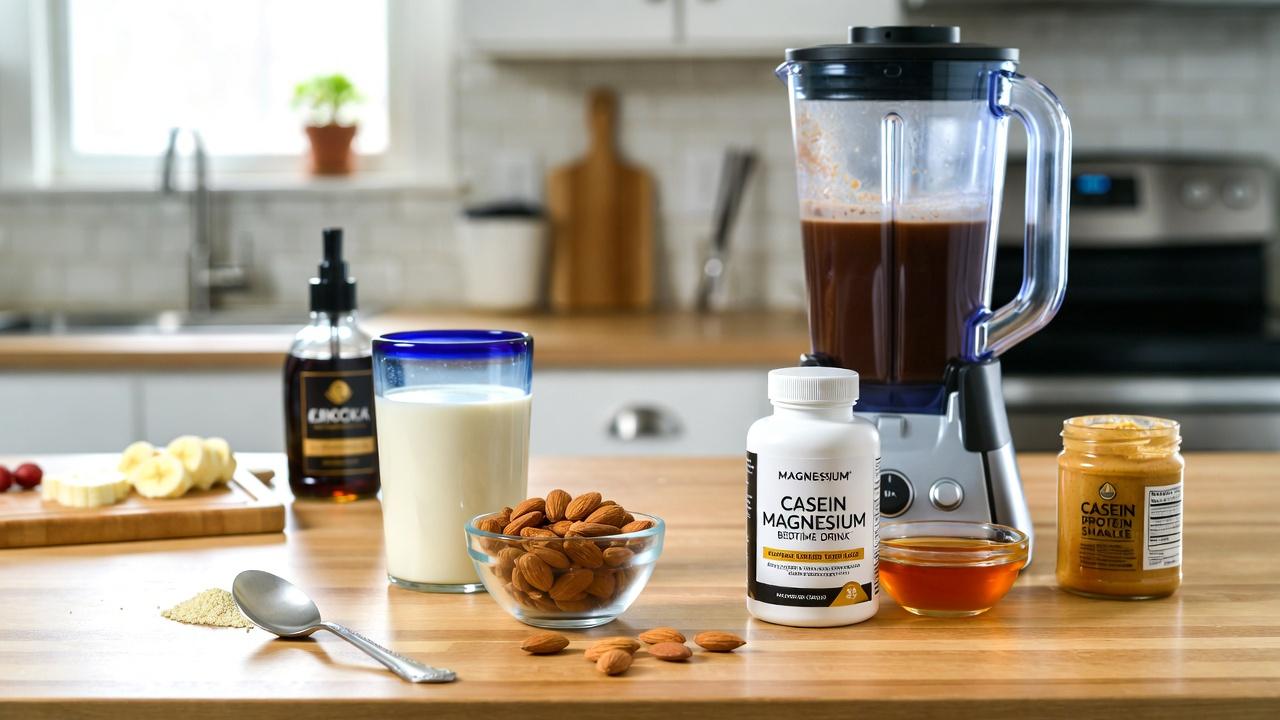
A creamy casein shake or mix in warm milk makes an enjoyable bedtime treat. Many prefer 20–30 g plain or flavored lightly for comfort.
Here are inspiring ideas for your evening protein ritual:
- Warm casein-based drink with cinnamon
- Simple shake blended smoothly
- Comforting mix stirred into herbal milk
Quick Comparison: 3 Bedtime Supports for Leg Strength
| Nutrient/Supplement | Primary Support for Legs | Best Bedtime Form | Typical Amount (Consult Professional) |
|---|---|---|---|
| Magnesium | Muscle relaxation and recovery | Capsule or warm drink | 200–400 mg |
| Vitamin D | Bone health and muscle function | Capsule/drop with small fat | 800–2000 IU |
| Casein Protein | Sustained amino acids for overnight use | Shake or warm milk mix | 20–30 g |
Simple Steps to Start Tonight
Ready to give one a try? Here’s a straightforward plan:
- Choose one habit first — Start with magnesium if relaxation appeals, or casein if you’re focused on nourishment.
- Time it right — Aim for 30–60 minutes before lights out.
- Pair with movement — Add 5–10 minutes of gentle leg stretches or a short evening walk to enhance benefits.
- Track how you feel — Note energy, comfort, and steadiness after a week or two.
- Get personalized advice — Consider a blood test for vitamin D or magnesium levels, and discuss with your doctor, especially if you take medications.
Reclaim Easier Movement One Night at a Time
Incorporating these bedtime supports—magnesium for calm, vitamin D for foundational health, and slow-release protein for sustained nourishment—offers a gentle way to care for your legs while you sleep. Many find that consistency turns these into empowering rituals that contribute to feeling steadier and more active.
Which one will you try first? Your legs—and your independence—may appreciate the extra care.
Frequently Asked Questions
Can I take these bedtime supports together? Yes, many people combine them safely (like magnesium in a protein drink), but start with one and consult your healthcare provider to avoid any interactions.
How long until I might notice a difference? Results vary, but research on these nutrients often shows supportive effects with consistent use over weeks to months, especially alongside light activity.
Are there food sources instead of supplements? Absolutely—include magnesium-rich foods like nuts and leafy greens, vitamin D from fortified items or fatty fish, and protein from dairy or casein-rich options throughout the day for overall support.
This article is for informational purposes only and is not a substitute for professional medical advice. Always consult your healthcare provider before starting any new supplement, especially if you have health conditions or take medications.


