
Millions of women wake up every day with pelvic pain that no one else can see, periods that feel unbearable, and a constant fatigue that steals their energy. They push through work, family life, and social plans while wondering why their body feels like it’s betraying them. Endometriosis affects an estimated 1 in 10 women of reproductive age, yet many suffer silently for years before anyone takes their pain seriously. The good news? Understanding what’s happening inside your body is the first powerful step toward managing daily life better – and there’s one simple daily habit that thousands of women say changed everything for them (you’ll discover it toward the end).
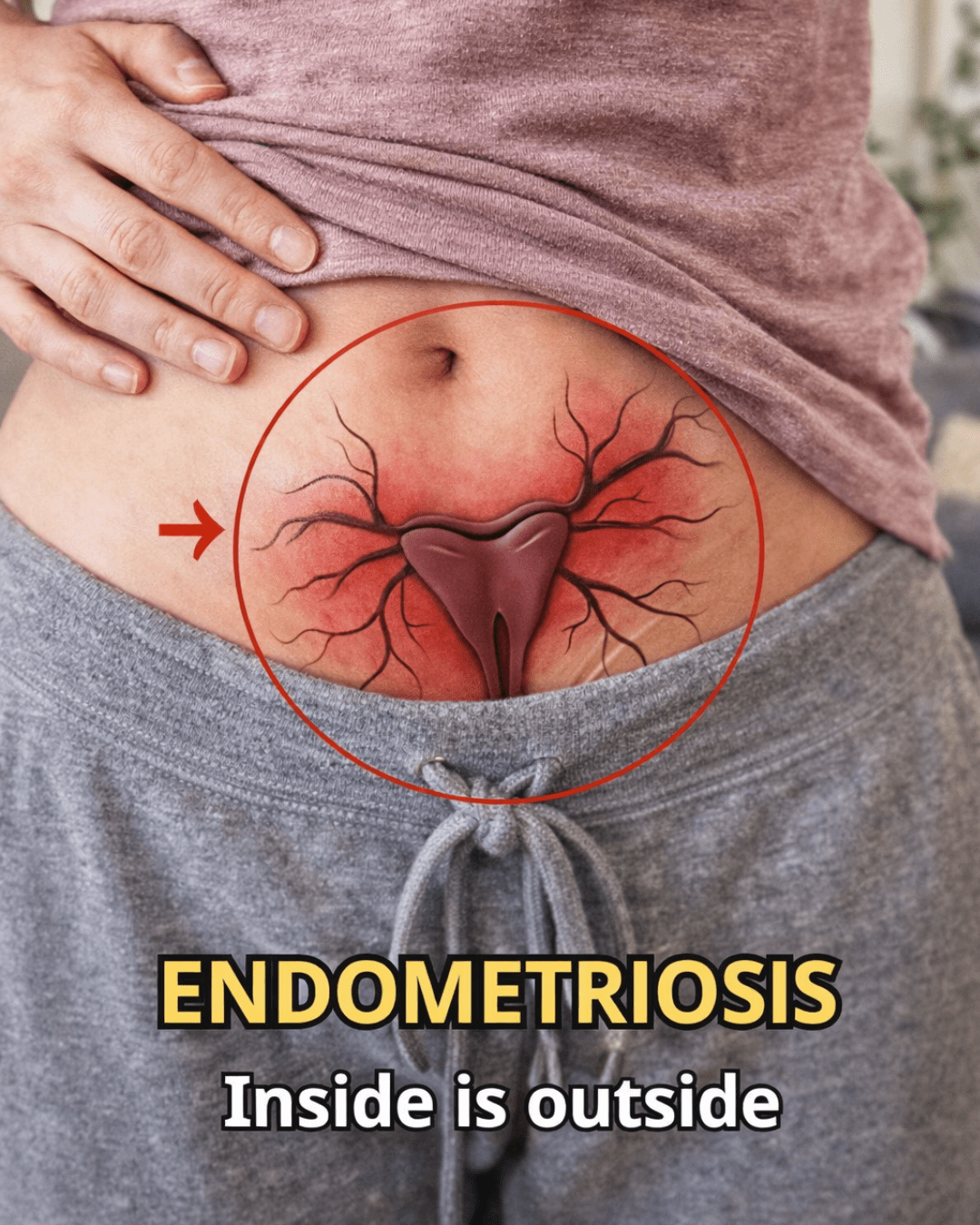
What Is Endometriosis? A Simple Explanation
Endometriosis happens when tissue similar to the lining of the uterus grows outside the uterus – on the ovaries, fallopian tubes, pelvic lining, or even other organs. This tissue behaves like normal endometrial tissue: it thickens, breaks down, and bleeds with each menstrual cycle. But because it has no way to leave the body, it can cause inflammation, scar tissue, and adhesions.
The result? Pain that can range from mild to severe, often worse during periods, and sometimes present every single day.
Common Symptoms You Should Never Ignore
Here are the signs many women recognize only after reading about endometriosis:
- Painful periods (dysmenorrhea) that get worse over time
- Chronic pelvic pain that doesn’t go away after menstruation
- Pain during or after sexual intercourse
- Painful bowel movements or urination, especially during periods
- Heavy menstrual bleeding or bleeding between periods
- Fatigue that feels deeper than normal tiredness
- Difficulty getting pregnant (in some cases)
If several of these sound familiar, you’re not alone – and you’re not imagining things.
But that’s not all… many women also experience digestive issues, lower back pain, or even pain in the legs and hips. The symptoms can vary greatly from person to person, which is why endometriosis is often called “the great imitator.”
Why Does Endometriosis Happen? The Leading Theories
Researchers don’t have one single answer yet, but several factors seem to play a role:
- Retrograde menstruation – Menstrual blood flows backward through the fallopian tubes into the pelvic cavity instead of leaving the body.
- Genetic predisposition – If your mother or sister has endometriosis, your risk is higher.
- Immune system differences – The body may not recognize and remove misplaced endometrial-like tissue effectively.
- Hormonal influence – Estrogen appears to fuel the growth of these tissue patches.
Studies show that endometriosis often runs in families, and environmental factors may also contribute.
How Endometriosis Is Typically Identified
Doctors usually start with a detailed medical history and a pelvic exam. They may order an ultrasound to look for cysts or other visible changes. In many cases, the only way to confirm endometriosis is through laparoscopy – a minimally invasive surgical procedure where a small camera is used to view the pelvic organs directly.
The important thing to remember: you don’t need a surgical diagnosis to start making lifestyle changes that support your comfort and well-being.
Daily Management Strategies That Many Women Use
While no single approach works for everyone, these practical strategies help a lot of women feel more in control every day:
- Track your cycle and symptoms Use a simple app or journal to log pain levels, energy, bowel habits, and diet. Patterns become clear quickly – and you’ll have solid information to share with your doctor.
- Heat therapy Place a heating pad or warm water bottle on your lower abdomen or lower back for 15–20 minutes. Many women say this brings fast relief during painful days.
- Gentle movement Low-impact activities like walking, swimming, yoga, or stretching can reduce stiffness and improve mood without aggravating pain. Start with just 10 minutes a day.
- Anti-inflammatory eating habits Focus on colorful fruits, vegetables, fatty fish, nuts, seeds, and whole grains. Some women notice less bloating and discomfort when they cut back on processed foods, red meat, and excessive caffeine.
- Stress-reducing techniques Chronic stress can amplify pain perception. Try deep breathing, meditation apps, or short mindfulness breaks – even 5 minutes can make a difference.
Here’s a quick comparison of popular daily coping tools many women use:
| Strategy | How Often to Use | Time Needed | Cost | Reported Benefit |
|---|---|---|---|---|
| Heating pad | During pain flares | 15–30 min | Low | Fast pain relief |
| Gentle yoga/stretching | 3–5 times/week | 10–20 min | Free | Improves flexibility & mood |
| Symptom tracking app | Daily | 2 min | Free | Helps spot patterns quickly |
| Anti-inflammatory diet | Ongoing | All meals | Moderate | May reduce bloating & inflammation |
| Meditation/breathing | 5–10 min daily | 5–10 min | Free | Lowers stress & pain perception |
The One Daily Habit Thousands of Women Swear By
Here’s the “secret” I promised earlier: consistent pelvic floor relaxation exercises. Many women with endometriosis have tight pelvic floor muscles that actually make pain worse. Learning to gently relax those muscles (not squeeze) can bring noticeable relief in just a few weeks.
Try this simple 3-step routine every morning or before bed:
- Lie on your back with knees bent.
- Place one hand on your lower belly.
- Breathe deeply so your belly rises, then slowly exhale while imagining your pelvic floor softening and dropping (like a flower opening). Repeat 10 times.
This small habit costs nothing, takes less than 5 minutes, and many women report it helps reduce daily tension and cramping.
When to Reach Out for Professional Support
If pain interferes with work, sleep, relationships, or daily activities, it’s time to talk to a healthcare provider who listens. Specialists in women’s health or endometriosis clinics can offer personalized guidance on pain management options, physical therapy, and lifestyle adjustments.
Conclusion: You Are Not Alone
Endometriosis can feel isolating, but knowledge is your strongest ally. By tracking symptoms, using heat therapy, moving gently, eating thoughtfully, and practicing pelvic floor relaxation, many women reclaim parts of their day that pain once stole. You deserve to feel heard, supported, and empowered.
Frequently Asked Questions
Can endometriosis go away on its own? No, it does not typically disappear without intervention, but symptoms can become milder after menopause in some women.
Does everyone with endometriosis have severe pain? No. Pain levels vary widely – some women have minimal discomfort while others experience significant challenges.
Can lifestyle changes replace medical care? Lifestyle strategies can support comfort and quality of life, but they work best alongside guidance from a healthcare professional.
Disclaimer This article is for informational purposes only and is not a substitute for professional medical advice, diagnosis, or treatment. Always consult a qualified healthcare provider about your specific situation.


