
Many people deal with occasional dental discomfort, sensitivity, or concerns about plaque buildup and gum irritation from everyday habits like enjoying sweets or skipping thorough brushing. These issues can make eating, smiling, or even talking feel uncomfortable over time. The good news? Nature offers some interesting traditional options worth learning about.
In this guide, we’ll explore how guava leaves – a simple, everyday plant – have caught attention in traditional practices and modern research for supporting oral hygiene. Stay tuned to the end for a practical step-by-step method you can try at home.
Why Guava Leaves Have Sparked Interest in Oral Wellness
Guava leaves come from the Psidium guajava tree, a common plant in tropical areas. For generations, people in various cultures have used them in home remedies for mouth care.
Research highlights interesting properties: studies suggest guava leaves contain bioactive compounds like flavonoids (such as quercetin), tannins, and phenolic acids. These elements show potential antimicrobial and anti-inflammatory characteristics in lab and clinical settings.
For example, investigations into guava leaf extracts indicate they may help reduce bacterial presence linked to plaque and support gum comfort. One randomized clinical trial compared a guava leaf-based mouthrinse to standard options and found it contributed positively as an adjunct to regular oral care.
But that’s not all… these findings come from sources like PubMed and journals on complementary medicine, adding credibility to this age-old approach.
The Science Behind Guava Leaves and Oral Health Support
Multiple studies explore why guava leaves might support better mouth health:
- Antimicrobial Potential: Compounds in guava leaves demonstrate activity against common oral bacteria, including those associated with plaque formation. In vitro tests show disruption of bacterial growth and adhesion.
- Anti-Inflammatory Benefits: Flavonoids and other elements may help calm irritation, which could make gums feel more comfortable.
- Antioxidant Support: Guava leaves are rich in antioxidants that combat oxidative stress, potentially benefiting overall tissue health in the mouth.
A review in periodontal research notes guava leaves’ traditional use for maintaining oral hygiene, backed by evidence of antiplaque effects. Clinical evaluations, including placebo-controlled trials, show guava-based rinses can support improvements in plaque and gingival indices when used alongside brushing and professional care.
Here’s a quick comparison of key benefits observed in studies:
- Guava Leaf Extract — Shows antimicrobial action, low staining potential, favorable acceptance.
- Standard Chemical Rinse (like chlorhexidine) — Stronger in some antimicrobial tests but may cause temporary staining or taste changes with long-term use.
- Placebo — Minimal effects without active compounds.
This makes guava leaves an intriguing natural option for those seeking gentler alternatives.
How to Prepare and Use a Simple Guava Leaf Mouth Rinse at Home
Ready to explore this yourself? Here’s a straightforward, traditional-inspired method based on common practices and research formulations:
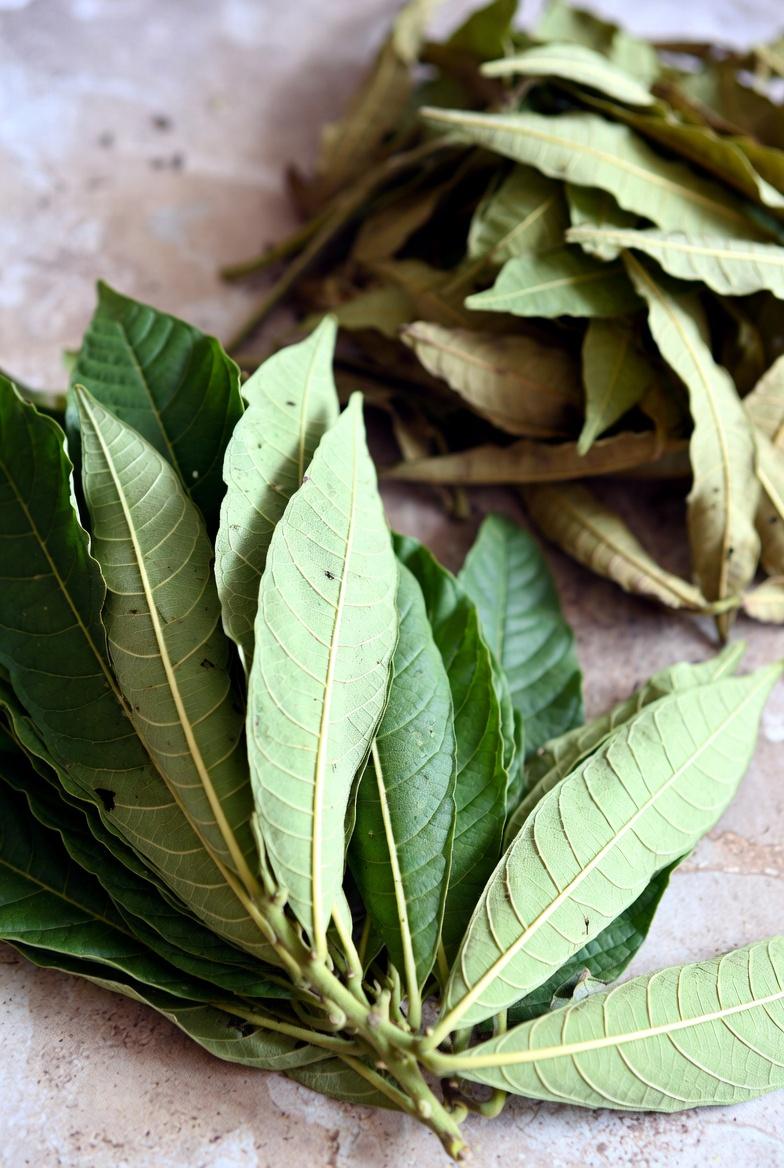
- Gather Fresh Leaves — Pick 5-10 young, tender guava leaves (avoid older, tough ones). Make sure they’re from a clean, pesticide-free source.
- Clean Thoroughly — Rinse the leaves well under running water to remove any dirt.
- Boil to Extract — Add the leaves to about 2 cups of water. Bring to a boil, then simmer on low heat for 10-15 minutes. This helps release the beneficial compounds.
- Cool and Strain — Let the liquid cool to lukewarm. Strain out the leaves. You can add a tiny pinch of salt if desired for extra soothing.
- Use as a Rinse — Swish 2-3 tablespoons in your mouth for 30-60 seconds, 1-2 times daily after brushing. Spit it out – do not swallow.
Pro Tips for Best Results:
- Start with fresh leaves for maximum potency.
- Store leftover rinse in the fridge for up to 2-3 days.
- Combine with your regular brushing and flossing routine.
- Test a small amount first to check for personal sensitivity.
Many find this habit refreshing and easy to incorporate.
Here are some visual ideas to help you get started:
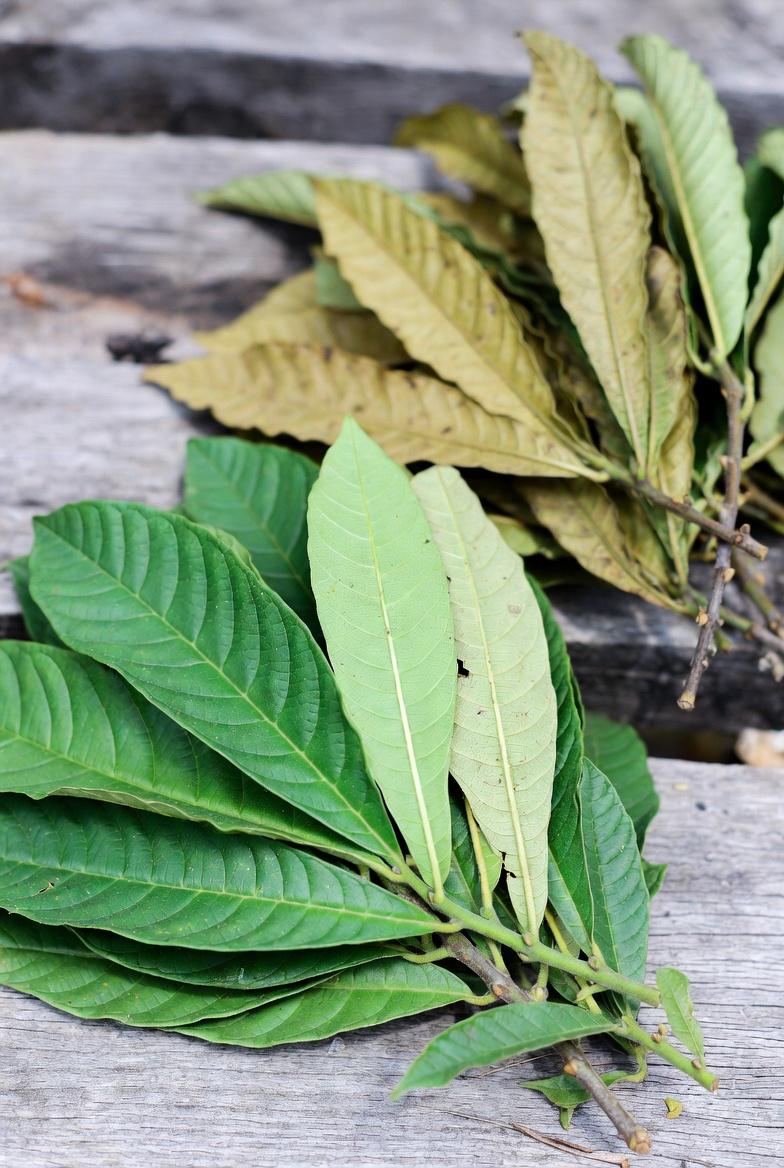
(Now, if you’d like me to generate 2 realistic photos to illustrate this – one showing fresh guava leaves being prepared for boiling, and another of dried leaves ready for use – just say “A” and I’ll create them in a natural smartphone photography style.)
What Real Studies Say About Guava Leaf Use
Beyond tradition, evidence from sources like BMC Complementary Medicine and Therapies shows guava leaf rinses can support positive changes in oral parameters. Participants in trials reported good acceptance, with no major issues noted for short-term use.
Keep in mind results vary by individual, and these are supportive measures – not replacements for professional dental advice.
Wrapping It Up: A Simple Step Toward Better Mouth Care
Guava leaves offer an accessible, plant-based option that aligns with growing interest in natural oral hygiene supports. By incorporating this gentle habit alongside daily brushing, flossing, and regular dental visits, you may notice improved comfort and freshness.
Give it a try mindfully and see how it fits into your routine. Your smile deserves that extra care!
Frequently Asked Questions
How often should I use a guava leaf rinse? Most suggestions point to 1-2 times daily after brushing, but start slow and adjust based on how your mouth feels.
Can guava leaf rinse replace my regular mouthwash? It’s best used as a complementary option. Continue with proven oral hygiene practices and consult your dentist.
Are there any side effects to watch for? Guava leaves are generally well-tolerated, but some may experience mild sensitivity. Always do a patch test and stop if irritation occurs.
Important Disclaimer This article is for informational purposes only and not intended as medical advice. Guava leaves may support oral hygiene as part of a comprehensive routine, but they are not a cure or treatment for any dental condition. Always consult a qualified dental professional for personalized guidance, especially if you have existing oral health concerns or are pregnant. Professional dental care remains essential for maintaining healthy teeth and gums.


