
Many people notice changes in skin hydration, energy levels, and overall wellness as they age, often turning to various supplements or creams for support. These shifts can feel frustrating, especially when everyday routines don’t seem to deliver the expected nourishment. What if a simple, readily available plant growing in gardens and yards could offer a natural source of key nutrients like omega-3 fatty acids and antioxidants? Research suggests purslane (Portulaca oleracea) stands out among leafy greens for its impressive nutritional profile. Stick around to learn how this humble succulent might fit into your daily habits, including a simple way to prepare it at home.
What Makes Purslane a Nutrient-Dense Option?
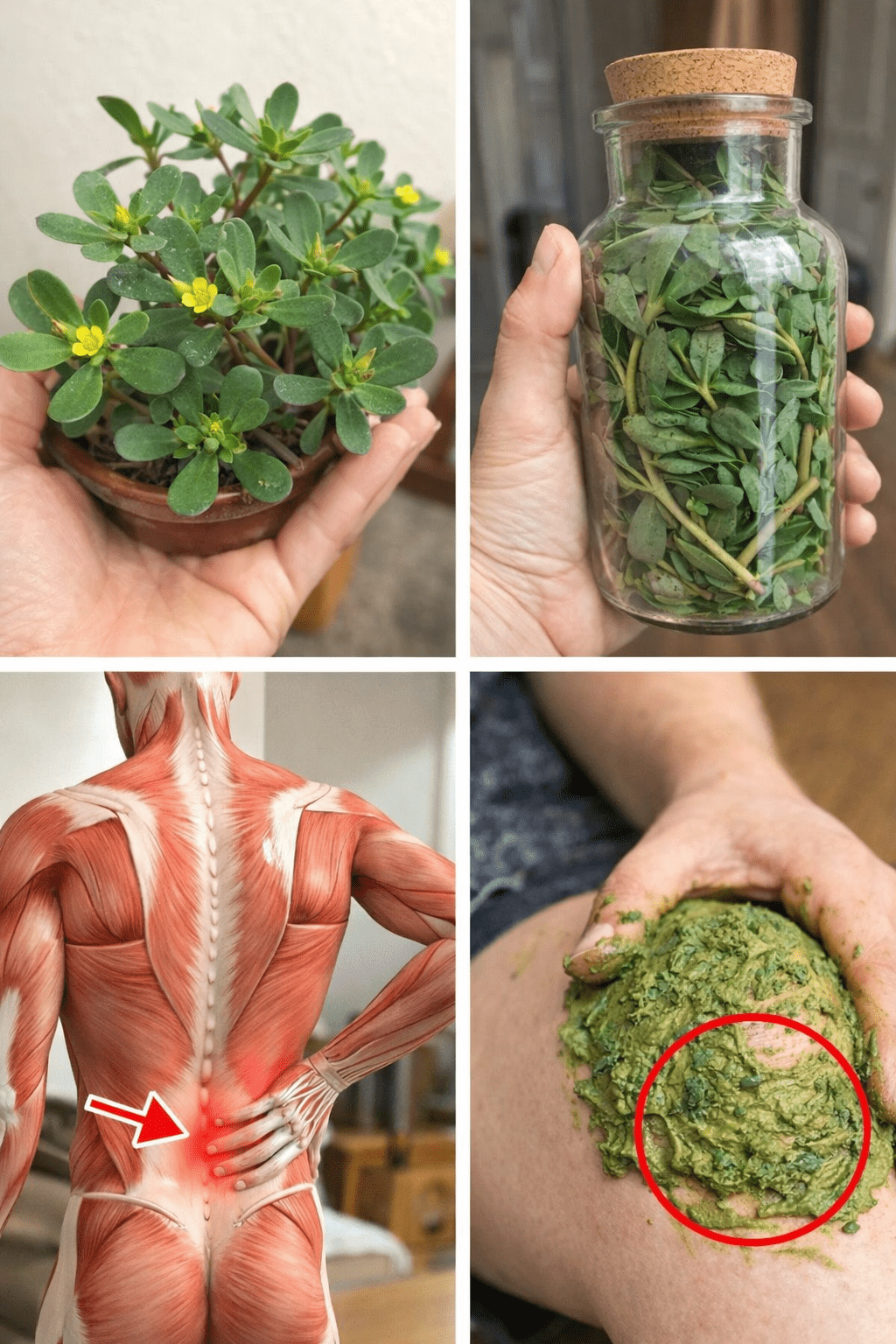
Purslane is a low-growing succulent with thick, juicy leaves and small yellow flowers. Often seen as a weed, it thrives in sunny, disturbed soils worldwide. Studies highlight its standout features compared to common vegetables like spinach.
Research shows purslane contains higher levels of alpha-linolenic acid (ALA), a plant-based omega-3 fatty acid, than many other leafy greens. It also provides notable amounts of vitamins A, C, and E, along with minerals such as magnesium, potassium, and calcium. Antioxidants like beta-carotene and glutathione add to its appeal.
But that’s not all…
Key Nutrients in Purslane and How They Compare
Here’s a quick look at why purslane often ranks high in nutrient comparisons:
- Omega-3 fatty acids — Purslane offers more ALA than spinach or other common greens, making it a valuable plant source for those avoiding fish.
- Vitamin content — It provides substantial vitamin C (supporting normal collagen formation) and vitamin E (contributing to antioxidant protection).
- Antioxidants — Compounds like beta-carotene help combat oxidative stress from daily environmental factors.
Studies, including those published in scientific journals, confirm purslane’s nutritional edge, positioning it as a potential addition to balanced diets.
Potential Wellness Support from Purslane
Incorporating purslane into meals may contribute to overall nutrition thanks to its diverse compounds.
- Hydration and skin support — The succulent leaves’ natural mucilage offers moisture, while omega-3s and vitamins may support skin barrier function.
- Antioxidant benefits — Vitamins and other compounds help protect cells from everyday oxidative stress.
- Inflammation modulation — Omega-3s are known for their role in maintaining healthy inflammatory responses.
- General vitality — Nutrients like magnesium and potassium support energy and muscle function.
Emerging research explores purslane’s role in areas like heart health and immunity, though more studies are needed.
This is where things get interesting…
How to Enjoy Purslane in Your Daily Routine
Fresh purslane has a mild, lemony flavor with a crisp texture. Add it to salads, smoothies, or sandwiches for an easy boost.
Here are some simple tips:
- Rinse thoroughly and pat dry before use.
- Chop leaves and stems for salads or garnish.
- Sauté lightly as a side dish.
- Blend into green smoothies for extra nutrition.
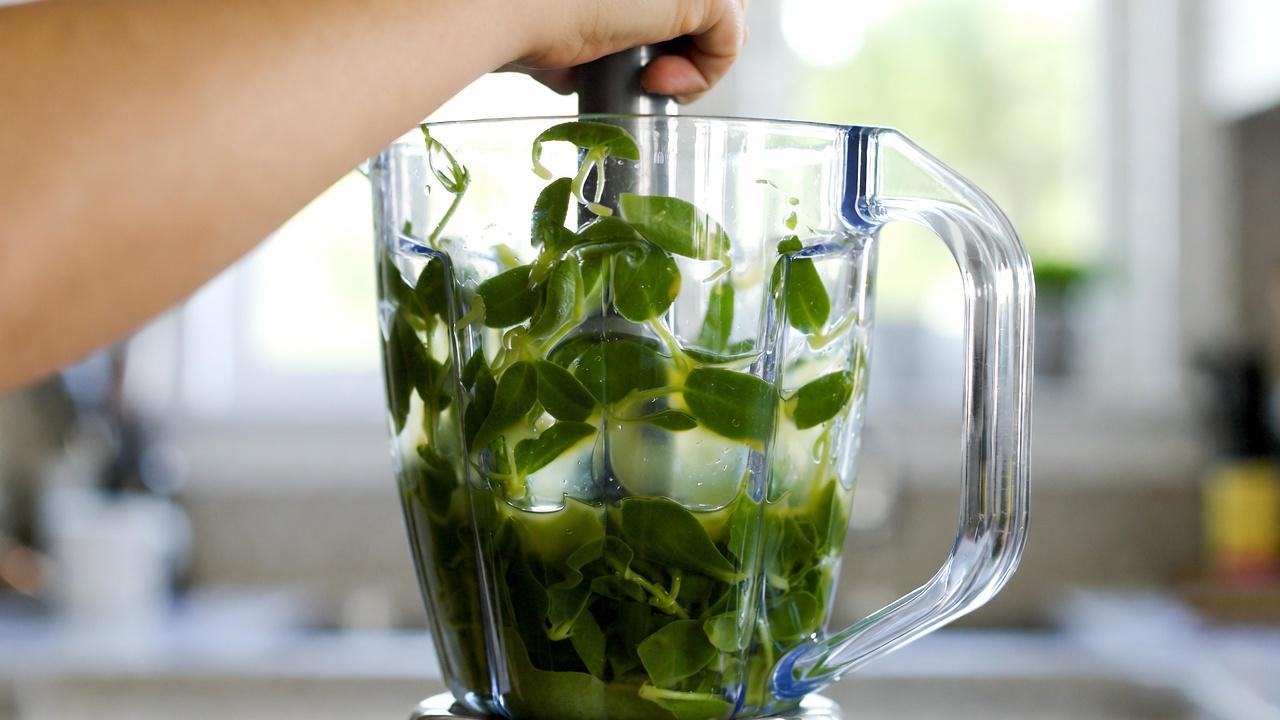
For topical use, purslane’s gel-like mucilage inspires simple homemade preparations. Many people extract the soothing gel from fresh leaves.
Simple DIY Purslane Gel Preparation
This basic method uses fresh purslane to create a hydrating gel base. Always patch-test first and use clean, pesticide-free plants.
- Harvest young, clean purslane leaves and stems from a safe area.
- Wash gently and pat dry.
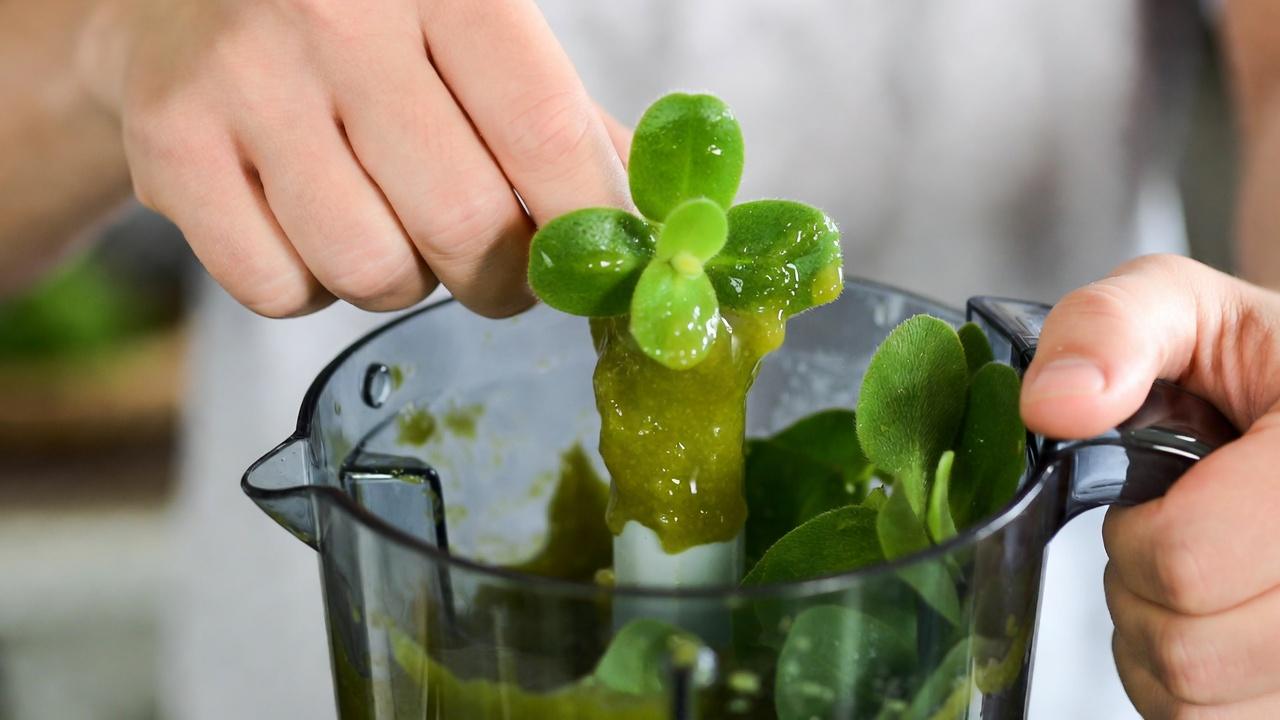
- Blend a handful of leaves with a little water until smooth.
- Strain through a fine cloth to collect the mucilaginous gel.
- Store in the fridge for up to a few days.
Apply sparingly to skin for moisture. Some add a drop of natural oil for preservation. This offers a gentle, natural way to explore the plant’s properties.
Safety Considerations When Using Purslane
Foraging requires caution. Purslane has a toxic look-alike called spurge, which has thinner leaves and milky sap. Purslane stems are reddish, leaves thick and succulent, and it releases clear juice when broken.
Avoid areas treated with chemicals. Purslane contains oxalates, so enjoy in moderation if prone to kidney stones. Consult a healthcare provider if you have concerns.
30-Day Simple Plan to Try Purslane
Start small for the best experience:
- Week 1-2 — Add fresh purslane to one meal daily, like salads.
- Week 3-4 — Experiment with the gel preparation for occasional use.
- Ongoing — Track how it fits your routine.
Consistency helps explore its potential.
Quick Comparison: Purslane vs. Common Alternatives
| Aspect | Common Products/Options | Purslane Approach |
|---|---|---|
| Omega-3 Source | Supplements or fish | Plant-based, natural |
| Hydration Support | Topical lotions | Internal eating + gel |
| Antioxidant Intake | Various fruits/veggies | High in one easy-to-find plant |
This highlights purslane’s unique accessibility.
Final Thoughts on Adding Purslane
This everyday plant offers a practical way to boost nutrition with omega-3s, vitamins, and antioxidants. Whether eaten fresh or explored topically, it encourages mindful habits for wellness.
Try incorporating it this week and see how it feels.
FAQ
Is purslane safe for everyone to eat? Most people can enjoy purslane in moderation as part of a varied diet. Those with oxalate sensitivities should limit intake and consult a doctor.
How do I know if I’ve found real purslane? Look for thick, succulent leaves, reddish stems, and small yellow flowers. Avoid plants with milky sap.
Can I grow purslane at home? Yes, it’s easy to cultivate in pots or gardens with full sun and well-drained soil.
This article is for informational purposes only and does not constitute medical advice. Individual results may vary. Consult your healthcare provider before making dietary or topical changes, especially if you have health conditions.


