
Finding cockroaches in your kitchen or bathroom late at night is one of the most unsettling experiences for any homeowner. The sudden scuttle across the counter, the worry about food contamination, and the frustration of seeing them return despite constant cleaning can leave anyone feeling stressed and helpless. Many people turn to strong chemical sprays only to discover the roaches come back – sometimes in greater numbers. The good news is that several simple, natural approaches using common pantry and household items have helped many households significantly reduce cockroach activity.
In this guide, we’ll walk through 15 practical, research-supported methods you can try at home – plus realistic expectations and important safety notes.
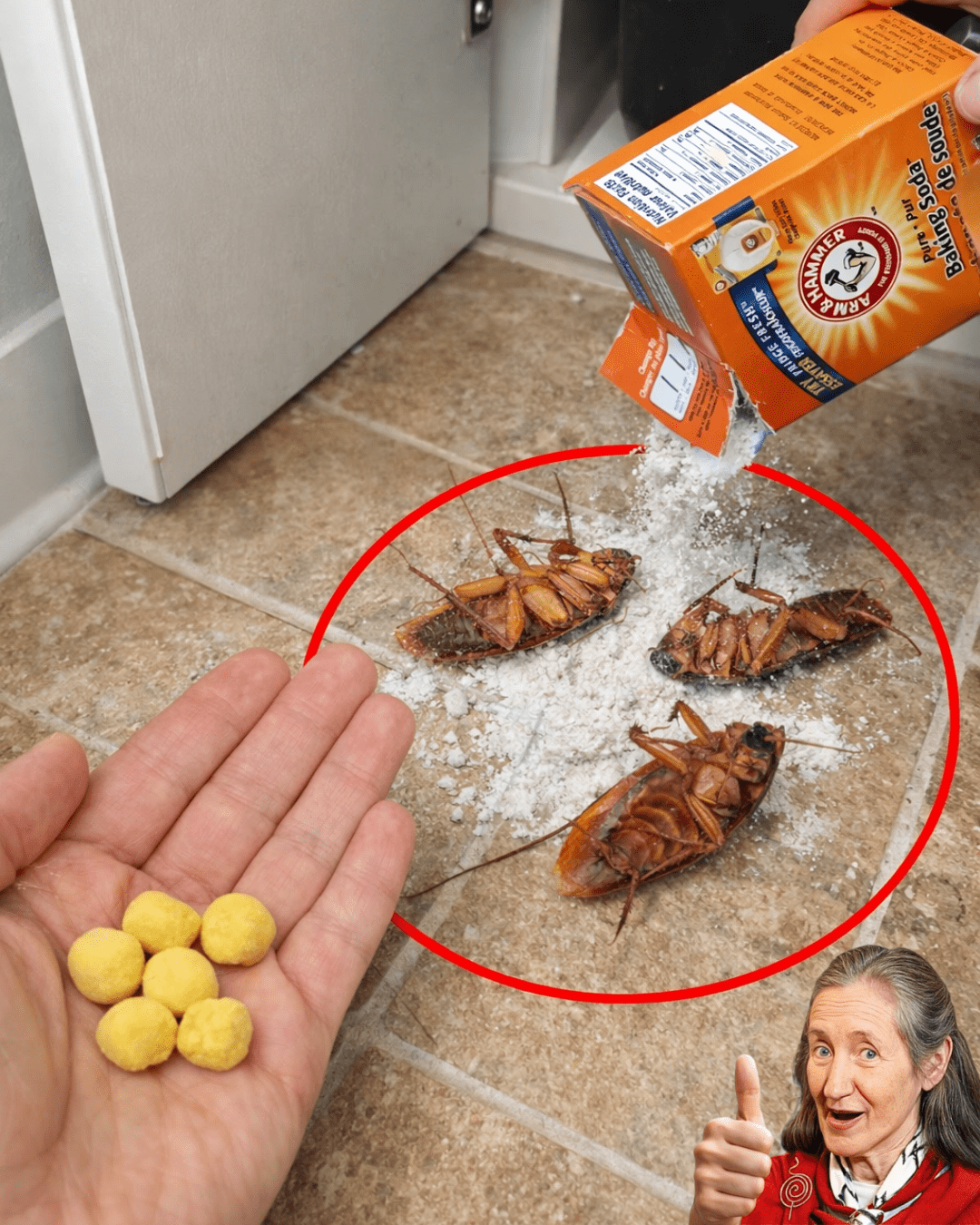
Why Cockroaches Keep Coming Back (Even in Clean Homes)
Cockroaches are experts at survival. They need only tiny amounts of food, moisture, and shelter to thrive. A few crumbs under the stove, a slow drip under the sink, or small cracks near pipes are usually enough. Studies show German cockroaches (the most common indoor species) can develop resistance to many commercial insecticides over time, which explains why some treatments lose effectiveness.
Natural methods work differently: they focus on
- repelling roaches with strong scents they dislike
- disrupting their ability to find food and water
- physically damaging them (dehydration)
- making your home a much less welcoming environment
Let’s look at the most popular and frequently discussed approaches.
Top Natural Repellents That Target Their Sense of Smell
Cockroaches rely heavily on their antennae to detect food, mates, and safe paths. Strong, pungent, or overwhelming odors can confuse and repel them.
Here are some of the most commonly used scent-based options:
- Peppermint essential oil One of the most researched and popular choices. Many lab studies have shown that peppermint oil vapors can significantly repel German and American cockroaches.
- Bay leaves Traditional method used in many cultures. The active compound eugenol creates an aroma that many people find pleasant but roaches tend to avoid.
- Fresh crushed mint leaves Similar effect to peppermint oil but using the whole plant – especially useful near entry points.
- Citrus peels or citrus essential oils Limonene (found in lemon, orange, grapefruit) has shown repellent activity in several studies.
Quick Application Tip Place 5–10 drops of peppermint oil on cotton balls and put them in corners, behind appliances, inside cabinets, and near pipes. Refresh every 3–5 days.
Here’s a realistic photo of someone preparing peppermint oil cotton balls at home:
Dehydration & Physical Barrier Methods
These approaches don’t rely on smell – they physically harm the cockroach when it walks over or ingests the material.
Food-grade Diatomaceous Earth (DE) This fine powder made from fossilized algae has microscopic sharp edges that damage the waxy outer layer of insects, causing them to dehydrate and die. Important: Only use food-grade DE indoors – it’s much lower in crystalline silica.
Common application areas
- Along baseboards
- Under appliances
- Behind cabinets
- Along plumbing pipes
Many people report seeing fewer live roaches within 7–14 days when DE is applied consistently in dry areas.
Bait-Style Approaches Using Common Kitchen Ingredients
Some of the oldest and still widely discussed home methods involve making attractive baits that roaches carry back to the nest.
Here are two of the most frequently shared combinations:
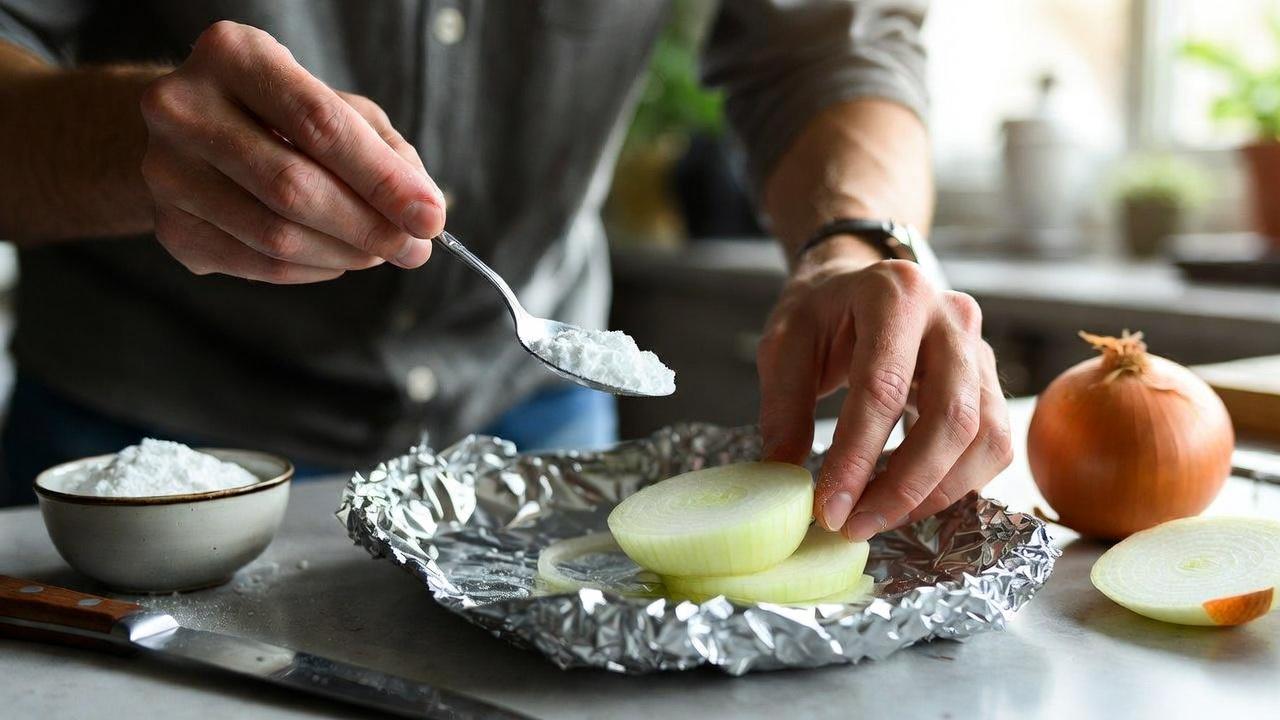
- Baking soda + sweet attractant (sugar, honey, or onion) Roaches eat the mixture → baking soda reacts in their digestive system → gas buildup they cannot expel.
- Boric acid + peanut butter or sugar Very well-documented in pest management literature. Boric acid is slow-acting, allowing roaches to carry it back to the colony.
Important safety reminder Both boric acid and borax-based baits must be placed completely out of reach of children, pets, and wildlife. Even small amounts can be harmful if swallowed.
Here’s a real-life example of someone preparing a simple baking soda + onion bait:
Quick Comparison: Natural Methods vs Conventional Sprays
| Aspect | Conventional Insecticide Sprays | Natural Household Methods |
|---|---|---|
| Speed of visible kill | Fast | Usually slower (3–14 days) |
| Resistance risk | High over time | Much lower |
| Odor in home | Strong chemical smell | Mild to pleasant (mint, citrus, etc.) |
| Safety around kids/pets | Varies – many require ventilation | Generally safer when used properly |
| Long-term colony impact | Often surface-level only | Better chance of affecting hidden nests |

Prevention – The Foundation That Makes Everything Work Better
No method works well if the home continues to offer food, water, and shelter.
High-impact prevention habits (ranked by importance):
- Fix all water leaks within 48 hours
- Store all food in sealed containers or the refrigerator
- Take trash out every night
- Clean under appliances monthly
- Seal cracks wider than 1 mm with caulk
- Reduce cardboard storage (roaches love it)
Many people find that after they seriously improve these six areas, they need far fewer repellent or bait treatments.
Realistic Timeline – What to Expect
Week 1–2 → Fewer sightings during the day, some reduction at night Week 3–4 → Big drop in visible activity for most households Month 2+ → Mostly maintenance mode (prevention + occasional spot treatment)
Results vary depending on:
- Severity of infestation
- Species (German roaches are much harder than American)
- How consistently prevention is followed
Frequently Asked Questions
1. How long do natural methods take to work? Most people notice fewer sightings within 1–2 weeks. Significant reduction usually takes 3–6 weeks of consistent use plus strong prevention.
2. Are these methods safe around pets and children? Many are (peppermint oil, bay leaves, diatomaceous earth), but boric acid, borax, and ammonia-based cleaners must be used with extreme caution and kept completely inaccessible.
3. What if nothing seems to be working? Severe or long-standing infestations often require professional pest management. Natural methods work best for light to moderate problems or as part of an integrated approach.
Final Safety Note The information in this article is for educational purposes only. Results are not guaranteed and vary widely depending on many factors. Always follow product labels, use food-grade materials when appropriate, keep baits and powders away from children and pets, and ensure good ventilation when using strong-smelling substances. For heavy infestations or health concerns, please consult a licensed pest management professional.


