
Many people experience seasonal stuffiness, that heavy feeling in the sinuses, or general respiratory discomfort during colder months or allergy seasons. These moments can make everyday activities feel more challenging, from sleeping soundly to focusing at work. While common remedies like humidifiers or saline sprays offer support, some turn to time-tested kitchen staples for added soothing warmth and moisture.
What if a familiar spice from your pantry could enhance your steam inhalation routine in a gentle, aromatic way? Keep reading to explore this straightforward practice, including practical steps and insights from traditional use and emerging research.
Why Consider Steam Inhalation for Respiratory Comfort?
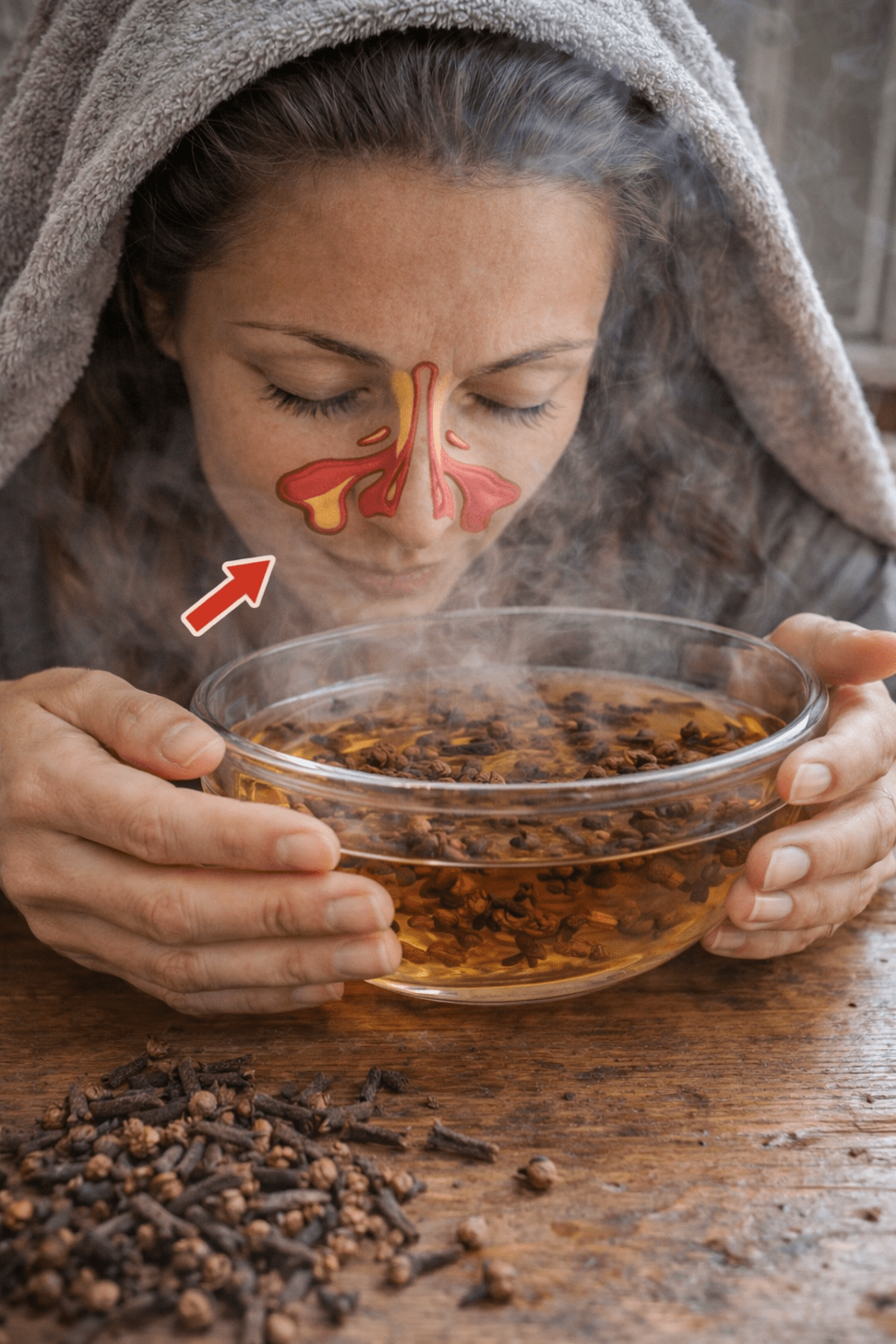
Steam inhalation is a classic home approach that introduces warm, moist air to the nasal passages and upper airways. The moisture helps hydrate dry tissues and may loosen mucus, promoting easier breathing.
Adding natural elements like herbs or spices can make the experience more enjoyable due to their pleasant aromas. Cloves, in particular, have been used in traditional practices across cultures for their warming qualities and aromatic profile.
Research suggests that compounds in cloves, such as eugenol, show anti-inflammatory and antimicrobial properties in lab studies. For example, investigations into eugenol indicate potential to reduce inflammation markers and inhibit certain bacteria in controlled settings.
This makes clove-enhanced steam a popular choice in herbal traditions for supporting respiratory wellness, though results vary by individual.
But that’s not the full picture. Let’s look at how to incorporate it safely.
Understanding the Key Compound in Cloves: Eugenol
Cloves contain high levels of eugenol, a natural phenolic compound responsible for much of the spice’s distinctive scent and traditional uses.
Studies, including those published in journals like Phytomedicine and the Journal of Ethnopharmacology, have explored eugenol’s effects. In vitro research shows it may help modulate inflammatory responses and exhibit activity against certain respiratory-related pathogens.
A review in PMC highlights eugenol’s broad properties, including antioxidant and soothing potential when used appropriately.
These findings come from lab and animal models, so human applications remain supportive rather than definitive. Always view this as complementary to everyday wellness.
Step-by-Step Guide: How to Try Clove Steam Inhalation at Home
This simple method takes just a few minutes and uses ingredients you likely have on hand. Here’s a clear, beginner-friendly protocol.
- Boil 4-6 cups of water in a pot or kettle.
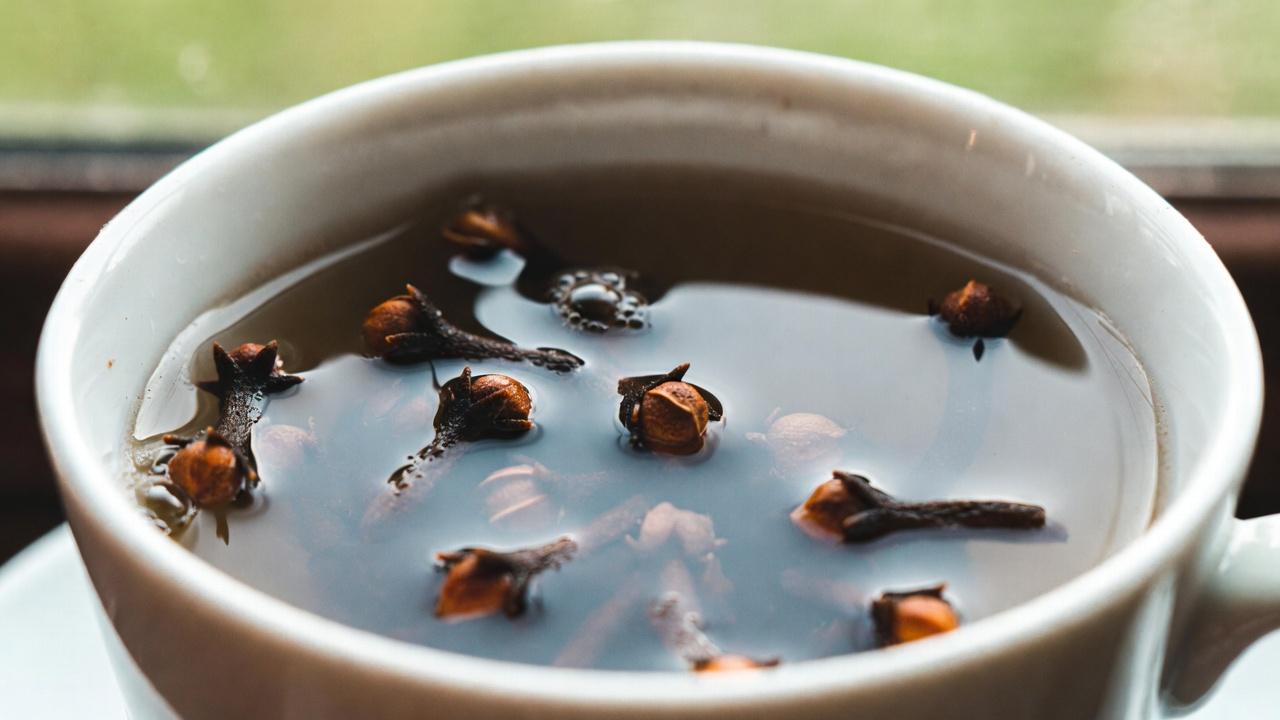
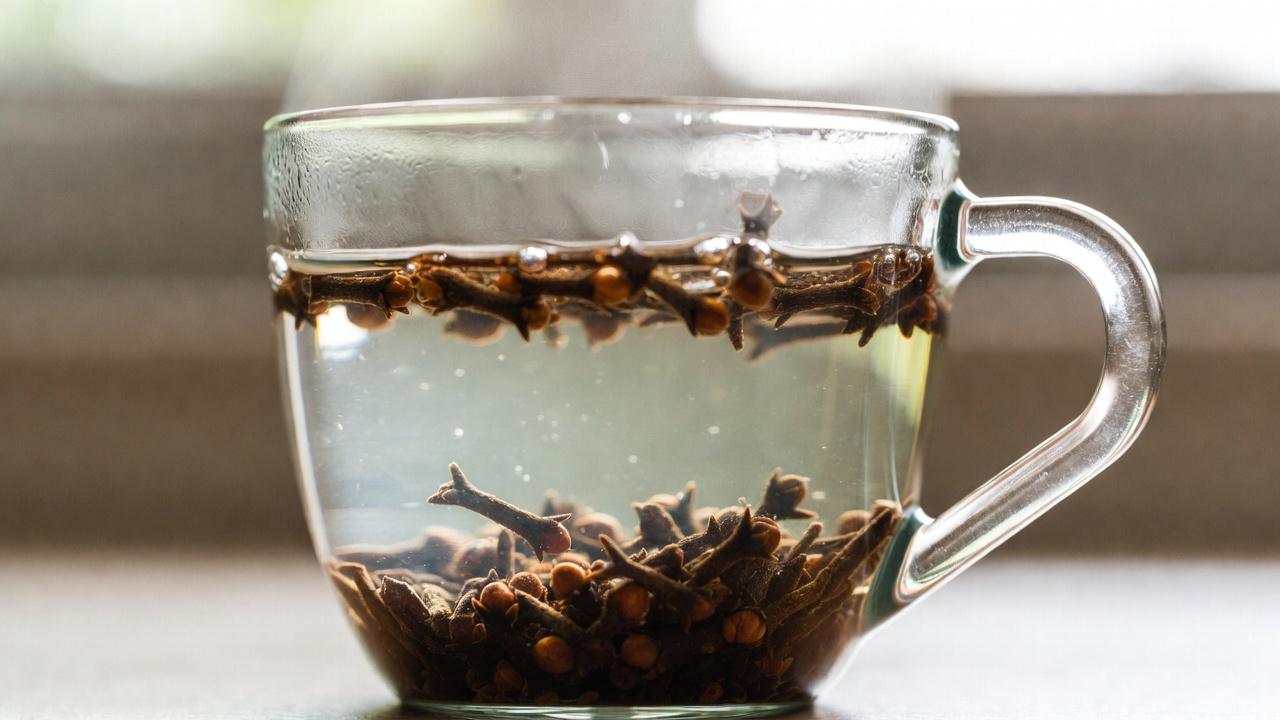
- Add 8-10 whole dried cloves to the hot water (whole cloves release aroma more gradually than ground).
- Reduce heat and let simmer for 2-3 minutes to release the aromatic compounds.
- Remove from heat and carefully transfer to a heat-safe bowl.
- Sit comfortably at a table, drape a towel over your head and the bowl to trap the steam (keep your face about 12-18 inches away for comfort).
- Close your eyes, breathe slowly and deeply through your nose for 5-10 minutes.
- Take breaks if the steam feels too intense, and stop if any discomfort arises.
For variety, some people add a pinch of sea salt or a drop of food-grade peppermint (if tolerated). Reuse the cloves 2-3 times by storing in the fridge.
Quick safety tips:
- Use caution with hot water to avoid burns.
- Keep sessions to 10-15 minutes max.
- Do not use for young children without guidance due to scald risk.
Benefits Backed by Tradition and Emerging Science
People who practice clove steam inhalation often report a sense of warmth and openness in the airways.
- Soothing Aromatic Experience — The spicy, rich scent can feel comforting during times of congestion.
- Moisture and Warmth — Steam hydrates nasal passages, potentially easing that tight feeling.
- Supportive Properties — Eugenol’s studied anti-inflammatory effects may contribute to temporary comfort.
- Antimicrobial Potential — Lab research shows activity against bacteria like Staphylococcus aureus in vapor form.
- Expectorant-Like Action — Traditional use suggests it helps with mucus movement.
A 2024 study on cinnamon-clove steam in pediatric contexts noted improved respiratory comfort when combined with other supports, highlighting the duo’s traditional value.
Here’s a quick comparison of clove steam with other natural options:
- Clove Steam: Aromatic, warming, uses whole spice, low cost.
- Eucalyptus Steam: Strong decongestant feel, more cooling.
- Peppermint Steam: Refreshing menthol kick for quick openness.
- Plain Steam: Simple hydration without added scent.
Many find clove offers a unique balance of warmth and spice.
Who Might Benefit and Important Precautions
This practice appeals to those seeking natural, pantry-based rituals during seasonal changes or mild discomfort.
However, it’s not suitable for everyone. Avoid if you have:
- Asthma or reactive airways (may irritate).
- Sensitive skin or allergies to cloves.
- Open wounds near the face.
Pregnant individuals, those on blood thinners, or anyone with health conditions should check with a healthcare provider first. Eugenol can interact in some cases.
Stop immediately if you feel burning, dizziness, or irritation.
Final Thoughts: A Gentle Addition to Your Wellness Routine
Clove steam inhalation is an accessible, low-effort way to add comforting moisture and aroma to your day. While not a cure, it draws on centuries of traditional wisdom and modern lab insights into clove’s compounds.
Try it during your next evening wind-down and notice how the simple act of breathing warm, spiced steam feels.
Frequently Asked Questions
How often can I do clove steam inhalation? Most people find 1-2 sessions per day comfortable, especially during times of stuffiness. Limit to short durations and listen to your body.
Can I use ground cloves instead of whole? Whole cloves are preferred as they release oils slowly. Ground may make the steam too intense or leave residue.
Is this safe for children? Steam inhalation carries burn risks for kids. Consult a pediatrician and consider safer alternatives like sitting in a steamy bathroom.
Disclaimer: This article is for informational purposes only and does not constitute medical advice. Steam inhalation with cloves is a supportive home practice, not a treatment for any condition. Consult your healthcare provider before trying new remedies, especially if you have pre-existing health issues, are pregnant, or take medications. If symptoms persist or worsen, seek professional care.


