
Bed bugs can turn restful nights into frustrating experiences, leaving itchy red marks and constant worry about where they’re hiding next. These resilient pests slip into tiny cracks, multiply quickly, and travel easily on clothes or luggage, making them tough to spot and control early on. Many people search for simple, household options to address the issue without heavy chemicals. One idea that often comes up is using ordinary salt — but does this common kitchen staple really make a difference?
In this guide, we’ll look closely at what research and experts say about salt in relation to bed bugs, share proven steps for handling these pests, and highlight safer, more reliable ways to protect your home. Stick around to the end — you’ll discover why focusing on integrated methods often brings the best long-term results.
Understanding Bed Bugs: Why They’re So Challenging
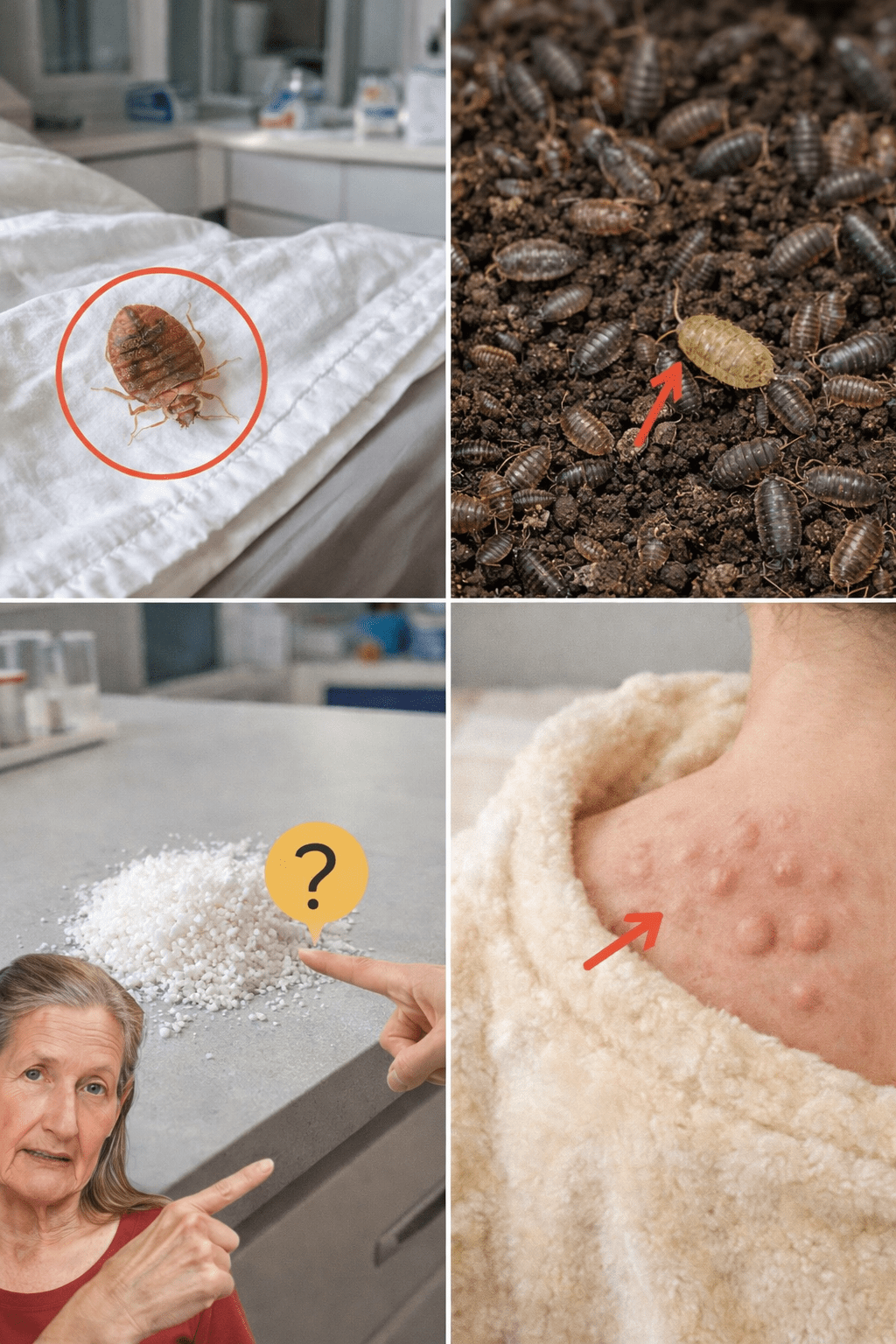
Bed bugs (Cimex lectularius) are small, flat insects about the size of an apple seed when adults. They feed exclusively on blood, usually at night, and hide during the day in mattress seams, furniture crevices, baseboards, and electrical outlets.
What makes them difficult? Studies from university entomology programs show bed bugs can survive months without a meal, spread rapidly through a single female laying hundreds of eggs, and develop resistance to some common treatments over time. Their bites often appear in clusters or lines, causing itchy, inflamed skin — though not everyone reacts the same way.
Early detection matters. Regular inspections of sleeping areas help catch problems before they grow.
The Truth About Salt and Bed Bugs: What Science Shows
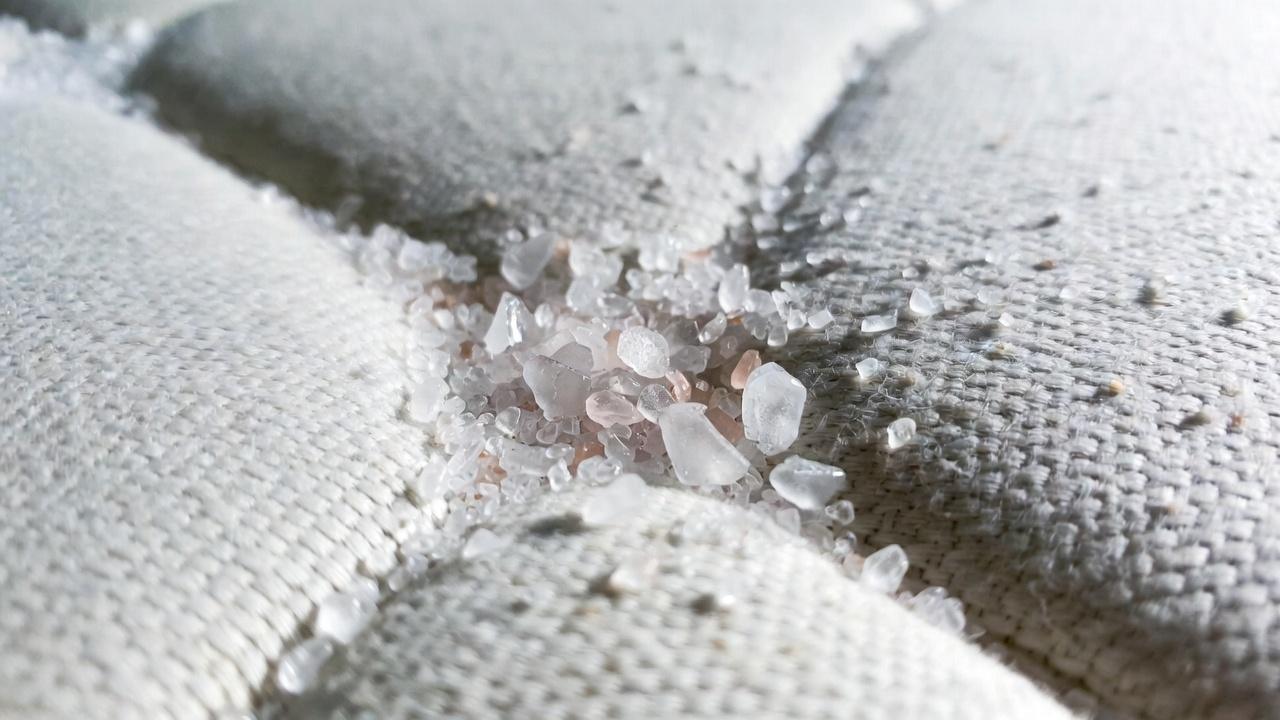
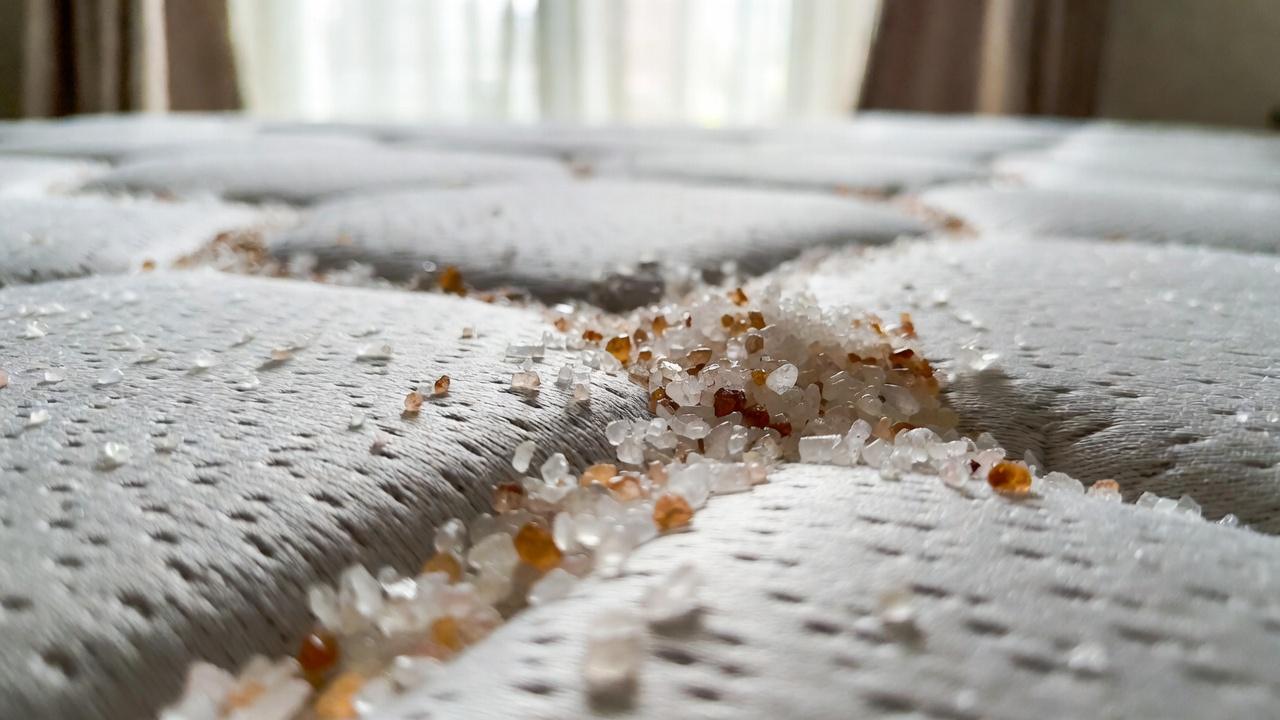
Many online stories suggest sprinkling coarse salt on mattresses or creating barriers to dehydrate bed bugs through osmosis, similar to how salt affects slugs. The idea is that salt crystals draw out moisture, leading to death across all life stages.
However, most reliable sources — including pest control experts and university extensions — indicate this approach lacks strong scientific support. Bed bugs have a tough, waxy exoskeleton that resists dehydration from ordinary table salt or rock salt. Unlike soft-bodied pests, they don’t absorb salt easily, and it rarely penetrates hiding spots effectively.
Research from entomology departments notes that while some desiccants work well (more on those below), plain salt doesn’t provide consistent results and won’t eliminate an infestation on its own. Relying only on salt may give a false sense of progress while the problem continues.
But that’s not the full picture. Certain drying agents have shown more promise in studies…
More Effective Natural Options for Support
Experts often recommend integrated pest management (IPM), combining non-chemical steps with targeted tools when needed. Here are two well-regarded natural aids that align with dehydration principles:
- Diatomaceous earth (food-grade): This fine powder scratches the exoskeleton, leading to moisture loss over time. University studies support its use as part of broader control efforts.
- Heat and vacuuming: High heat (above 118°F/48°C) kills bugs and eggs quickly, while thorough vacuuming removes many on contact.
These work better because they target vulnerabilities bed bugs can’t easily avoid.
Step-by-Step Guide to Managing Bed Bugs at Home
Follow these practical actions recommended by sources like the EPA and university extensions. Consistency over weeks is key.
- Identify and Isolate Confirm bed bugs with clear photos or expert help. Encase mattresses and box springs in zippered, bed-bug-proof covers to trap existing bugs and monitor for activity.
- Declutter and Clean Reduce hiding spots by removing unnecessary items. Wash bedding, clothes, and curtains in hot water (at least 120°F/49°C), then dry on high heat for 30+ minutes.
- Vacuum Thoroughly Use a vacuum with a crevice tool on mattresses, seams, furniture, and floors. Seal and discard the bag outside immediately.
- Apply Heat Where Possible Use a steamer (130°F+) on surfaces or place small items in a hot dryer. Avoid risky DIY heat sources like space heaters indoors.
- Use Desiccants Carefully Apply food-grade diatomaceous earth in cracks and along baseboards (follow label safety instructions to avoid inhalation).
- Monitor Progress Check encasements and traps weekly. Use bed bug interceptors under furniture legs to catch climbers.
- Prevent Re-Entry Inspect luggage after travel, avoid secondhand furniture without treatment, and seal wall cracks.
These steps, done together, support better outcomes than any single method.
Quick Comparison: Common Approaches
Here’s how different strategies stack up based on expert guidance:
- Salt sprinkling — Low evidence of effectiveness; may not reach hidden bugs
- Diatomaceous earth — Supported for dehydration; works slowly but steadily
- Heat treatment — Highly effective when done right; kills all stages quickly
- Vacuuming + encasements — Essential first steps; reduces numbers fast
- Professional help — Recommended for large or persistent issues
Combining several creates a stronger plan.
Prevention Habits to Keep Bed Bugs Away
Once under control, maintain vigilance:
- Vacuum weekly and inspect sleeping areas
- Use protective encasements year-round
- Be cautious with travel — check hotel rooms and unpack carefully
- Declutter regularly to limit hiding places
Small habits make a big difference in staying bug-free.
FAQ
How long can bed bugs live without feeding? They can survive several months, sometimes up to a year, depending on temperature and conditions.
Are bed bugs a sign of poor cleanliness? No — they spread through travel, visitors, or used furniture regardless of home hygiene.
When should I consider professional assistance? If signs persist after 2–3 weeks of consistent home efforts, or if the infestation spreads to multiple rooms.
Disclaimer: This article is for informational purposes only and does not replace professional advice. Bed bug management can be complex; consult a licensed pest management professional or your local extension service for personalized guidance. Always follow product labels and safety instructions.


