
Many people deal with occasional discomfort in their eyes from long screen time, or in their stomach after a heavy meal, which can make focusing on work or enjoying time with family feel challenging. This kind of unease often builds up from daily stresses, irregular routines, or even seasonal changes, leaving you searching for simple ways to feel more at ease without disrupting your schedule. Exploring traditional practices like hand acupressure provides an accessible approach that some individuals use to support relaxation and overall well-being in targeted areas. But wait until you learn about a lesser-known point that ties everything together—it’s revealed at the end and might just become your go-to technique.
What Is Hand Acupressure and Why Consider It?
Hand acupressure is a practice rooted in traditional Chinese medicine, where gentle pressure is applied to specific points on the hands believed to correspond to different parts of the body. It’s similar to acupuncture but uses fingers instead of needles, making it easy to try at home.
This method has been around for thousands of years, with practitioners suggesting it may help promote balance in the body’s energy flow, known as qi. Research indicates that such techniques can support relaxation responses in the body. For instance, studies on related practices show potential benefits for stress reduction.
But that’s not all. Many turn to it because it’s non-invasive and requires no special tools—just your hands. If you’re curious about natural ways to support your daily comfort, this could be a starting point.
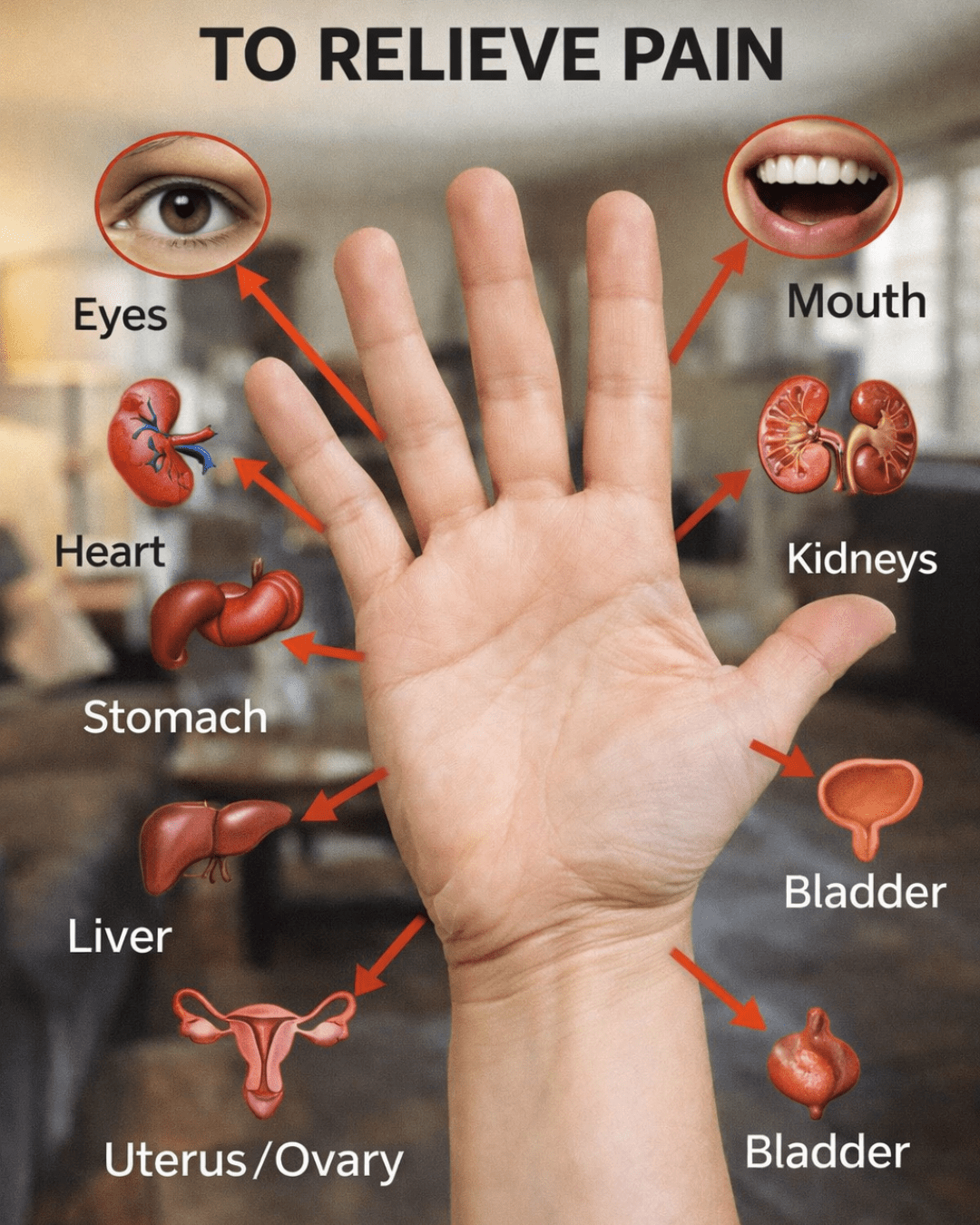
The key is consistency. Applying pressure regularly might help you notice subtle shifts in how you feel. Here’s the interesting part: the hand acts like a mini-map of the body, with zones linked to organs like the heart or kidneys.
How Does Hand Acupressure Work?
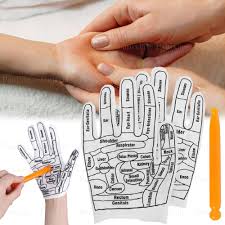
At its core, hand acupressure involves stimulating reflex zones on the palms, fingers, and wrists. These zones are thought to connect to meridians, or energy pathways, that run throughout the body.
When you press a point, it may encourage better circulation and relaxation in the corresponding area. For example, applying pressure can stimulate blood flow, which some find soothing.
Skeptical? That’s fair. While not a substitute for medical advice, anecdotal reports and preliminary studies suggest it complements other wellness habits.
To get started, find a quiet spot, sit comfortably, and use your thumb to apply firm but gentle pressure. Hold for 30 seconds to a minute, breathing deeply.
And here’s a tip: combine it with mindfulness for enhanced effects. Now, let’s dive into specific points.
Key Hand Points for Eye Discomfort
If you’ve ever felt strain around your eyes after a long day, certain hand points might offer a moment of relief.
The point near the base of the thumb is often associated with the eyes. To locate it, feel for the fleshy part between your thumb and index finger.
Gently massage in circles. Some people report this helps with visual fatigue.
But wait, there’s more. Another spot is at the tip of the index finger, linked to sinus areas that can affect the eyes.
Try this step-by-step:
- Sit with your hand relaxed.
- Use your opposite thumb to press the point.
- Hold and release slowly.
Research on reflexology suggests such practices may support overall eye comfort through relaxation.
Addressing Mouth-Related Unease with Hand Points
For occasional tension around the mouth or jaw, hand acupressure has targeted areas.
Look for the point on the edge of your hand, near the pinky finger. This is sometimes connected to the mouth and digestive start points.
Apply pressure here if you notice discomfort after speaking or eating.
Sustainability is key. Incorporate this into your evening routine for better results.
The truth is, combining this with hydration can amplify the sense of ease.
Hand Points Linked to Heart Area Comfort
Heart-related discomfort, like from stress, might benefit from the heart 7 point, found in the wrist crease between the ring and pinky tendons.
This spot is popular for promoting calm. Press gently to encourage relaxation.
Studies show acupressure can help with anxiety, which often ties to heart sensations.
Here’s a quick guide:
- Locate the crease on your wrist.
- Press midway between the bones.
- Breathe in and out five times.
But that’s just the beginning. Pair it with deep breathing for a holistic approach.
Supporting Kidney Comfort Through Hand Acupressure
The kidneys are vital for filtering, and points on the palm center may relate to them.
Find the area below the middle finger pad on the palm. Gentle pressure here is thought to support kidney zones.
If you feel fatigue, this could be a spot to explore.
Actionable steps include:
- Warm your hands first by rubbing them.
- Press for 20 seconds, release, repeat.
- Do this twice daily.
Evidence from reflexology charts supports these connections.
Easing Stomach Discomfort with Specific Points
For stomach unease, the center of the palm is key, linked to digestive areas.
Press the middle palm to potentially aid digestion.
After meals, this might help settle things.
The fascinating part? It’s also tied to intestines for broader support.
Use this table for quick reference:
| Point Location | Associated Area | How to Apply |
|---|---|---|
| Palm Center | Stomach | Firm circles for 1 min |
| Below Index Finger | Intestines | Gentle hold |
Liver Area Points on the Hand
The liver point is often on the palm near the ring finger base.
Stimulating this may support detoxification feelings.
Try after a rich meal.
Steps:
- Identify the soft spot.
- Massage lightly.
- Notice any relaxation.
Bladder and Lower Body Comfort Points
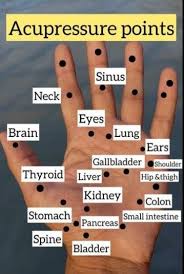
For bladder-related comfort, points near the wrist or pinky side are used.
Press the outer hand edge.
This can be part of a full-hand routine.
Points for Uterus/Ovary Discomfort
Women’s health points like for uterus or ovaries are on the lower palm or wrist.
Gently press the area below the pinky.
During cycles, this might offer support.
Here’s the interesting most: consistency during the month matters.
Use these bullets for practice:
- Start with light pressure.
- Increase if comfortable.
- Stop if any unease.
Tips for Effective Hand Acupressure Practice
To maximize benefits, practice in a calm environment.
Hydrate well, as it supports overall flow.
But here’s the crucial bit: listen to your body. If something feels off, pause.
Combine with walking or stretching for synergy.
Studies suggest regular sessions enhance effects.
Potential Benefits and Considerations
Many report feeling more relaxed after sessions.
It’s accessible for all ages, but start slow.
The truth is, integrating it with healthy habits like diet amplifies potential.
Wrapping Up: Your Next Steps
Hand acupressure offers a simple way to explore self-care for various body areas. By trying these points, you might discover new ways to support your daily comfort. Remember that surprising point? It’s the large intestine 4, between thumb and index, which can influence multiple areas like eyes and stomach for overall balance. Give it a try today.
Frequently Asked Questions
What is the best time to practice hand acupressure?
Morning or evening works well, depending on your routine. Some prefer it before bed for relaxation.
Can anyone try hand acupressure?
Yes, but consult a professional if you have conditions like pregnancy or injuries.
How long until I notice changes?
It varies; some feel immediate calm, while others see benefits after a week of daily practice.
This article is for informational purposes only and not intended as medical advice. Always consult a healthcare provider for any health concerns.


