
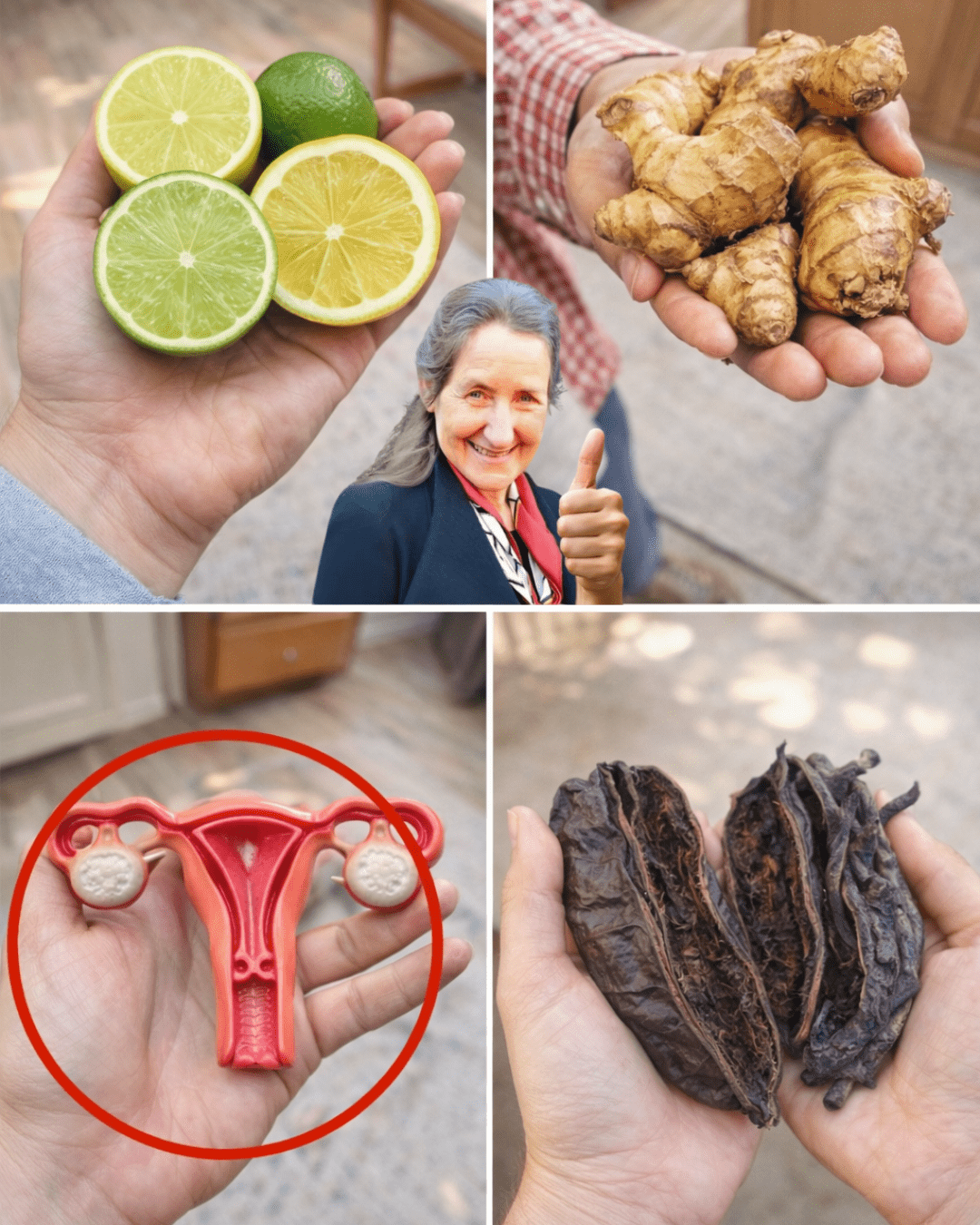
Many women in their 40s and beyond notice shifts in energy levels, menstrual patterns, and overall comfort as hormone fluctuations become more common during perimenopause. These changes can feel disruptive, with symptoms like occasional bloating, mood variations, or fatigue affecting daily life for a significant number of women. Research indicates that a large percentage of women experience at least a few of these shifts during this transitional phase. But what if simple, time-honored ingredients from traditional practices could offer gentle support for everyday wellness? In this article, we’ll explore a soothing herbal tea blend featuring ginger, lemon, Grains of Selim (also known as Uda or Xylopia aethiopica), and Aidan fruit (Tetrapleura tetraptera or Prekese), rooted in African and Asian traditions.
This combination has been passed down through generations and is gaining interest today for its potential to promote comfort and balance during midlife transitions. Stick around to discover practical ways to prepare it, along with insights from studies on these individual ingredients.
Understanding Common Changes in Women’s Health After 40
As women approach and move through perimenopause, hormonal shifts can lead to a range of experiences. Studies suggest that many women report irregular cycles, occasional discomfort, or changes in energy and mood. These are natural parts of the body’s transition, but they can impact quality of life. Traditional herbal approaches have long been used to support general well-being during this time, focusing on anti-inflammatory and antioxidant-rich ingredients that may help the body feel more at ease.
But that’s not all — let’s look at why these four ingredients are often combined.
The Four Key Ingredients and Their Traditional Roles
This herbal blend draws from natural sources known for their aromatic and beneficial properties:
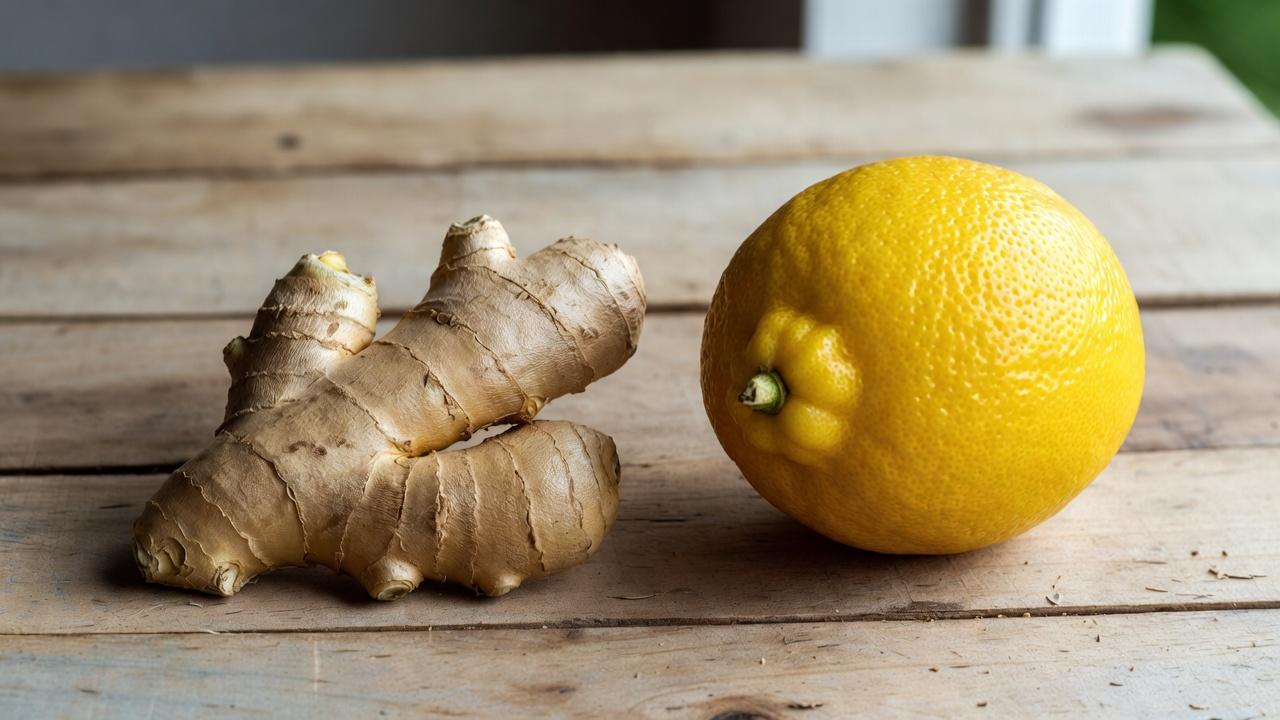
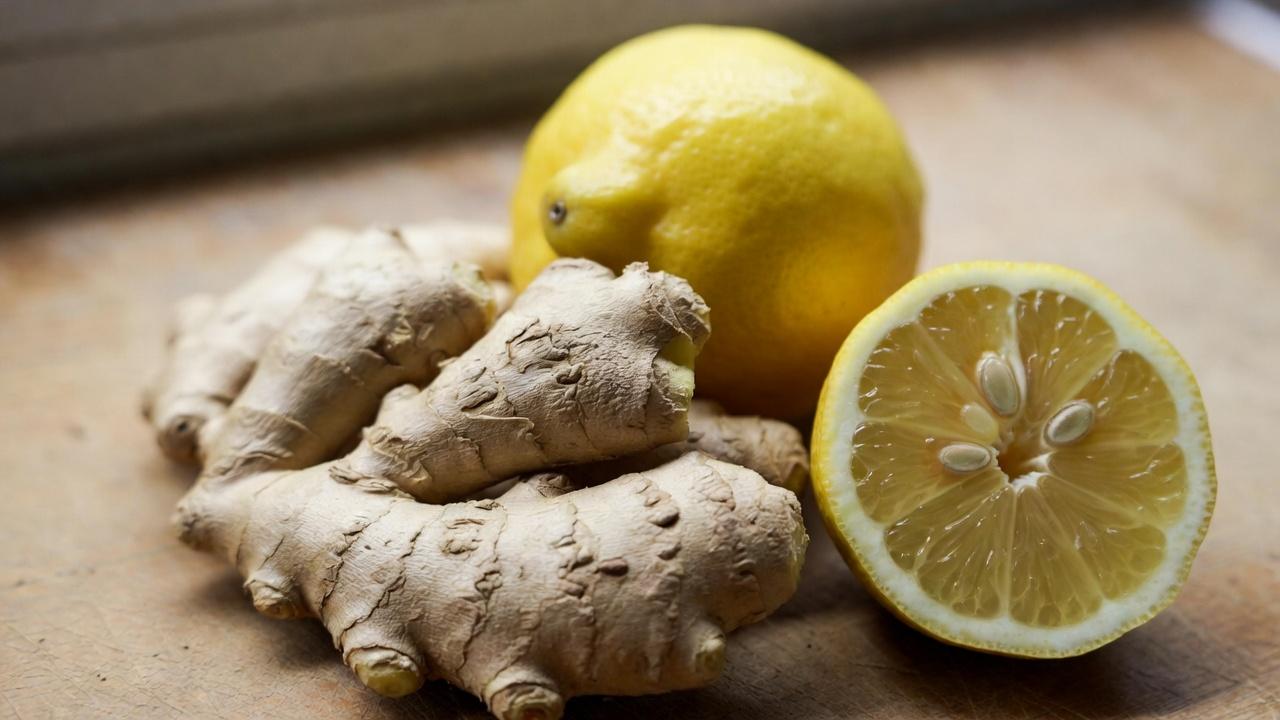
- Ginger (Zingiber officinale) — A warming root widely studied for its potential to support circulation and ease occasional discomfort. Research, including meta-analyses, has shown ginger may help reduce menstrual pain severity in some cases, sometimes comparably to common over-the-counter options.
- Lemon — Provides vitamin C and citric acid, contributing to antioxidant support and gentle detox processes in the body. It’s often added for flavor and to enhance the refreshing quality of the tea.
- Grains of Selim (Uda / Xylopia aethiopica) — A traditional West African spice used in various cultural remedies. Ethnobotanical knowledge highlights its role in supporting overall comfort, including during menstrual cycles.
- Aidan Fruit (Prekese / Tetrapleura tetraptera) — Another African staple, valued in traditional postpartum and wellness practices for its potential to promote general reproductive comfort and nutrient restoration.
These ingredients are rich in bioactive compounds like gingerols, flavonoids, saponins, and antioxidants, which traditional use and some preliminary studies associate with anti-inflammatory effects.
Here are some reported traditional and evidence-based highlights:
- Ginger’s compounds may support better blood flow and reduce inflammation-related discomfort.
- Lemon adds a bright note while contributing to liver-supporting antioxidants.
- Grains of Selim and Aidan fruit have been linked in folklore to helping with cycle regularity and postpartum recovery.
How to Prepare a Simple Herbal Tea at Home
Creating this blend is straightforward and can become a comforting daily ritual. Here’s a basic step-by-step guide:
- Gather fresh or dried ingredients: 1-2 inches fresh ginger (sliced), juice of half a lemon, 3-5 Grains of Selim pods, and 1 Aidan fruit pod.
- Rinse everything well.
- In a pot, add 2-3 cups of water with the ginger, Grains of Selim, and Aidan fruit.
- Bring to a gentle boil, then simmer for 10-15 minutes.
- Strain into a cup, add fresh lemon juice, and sweeten lightly with honey if desired.
- Sip warm, ideally in the morning.
Start with small amounts to see how your body responds, and adjust based on taste.
Comparing This Herbal Blend to Other Common Options
Many women explore various supports during midlife. Here’s a quick comparison table:
| Option | Approximate Monthly Cost | Focus on Comfort & Balance | Natural & Warming Taste | Notes |
|---|---|---|---|---|
| Evening Primrose Oil | $30-50 | Moderate | N/A | Capsule form |
| Herbal Teas (general) | $10-25 | Gentle | Varies | Easy to incorporate |
| This Quartet Blend | $15-30 | Traditional support | Spicy & Refreshing | Customizable at home |
| Prescription Options | Varies | Targeted | N/A | Consult a doctor |
The beauty of this blend lies in its accessibility and cultural heritage.
Tips for Incorporating It Into Your Routine
- Begin during the first half of your cycle if tracking.
- Pair with hydration, balanced meals, and light movement for overall support.
- Track how you feel in a journal — many notice subtle shifts over weeks.
- Add extras like a pinch of cinnamon or black pepper for enhanced warmth.
This approach emphasizes gentle, consistent habits rather than quick fixes.
Wrapping Up: A Gentle Tradition Worth Exploring
Incorporating time-tested ingredients like ginger, lemon, Grains of Selim, and Aidan fruit into a warm tea can be a simple way to nurture everyday wellness during life’s transitions. Many women find comfort in these natural rituals, supported by both tradition and emerging research on individual components.
FAQ
1. Is this tea safe for everyone? Most people tolerate these ingredients well, but start small. Consult a healthcare provider if you have conditions, take medications, or are pregnant/breastfeeding.
2. How often should I drink it? Many enjoy 1-2 cups daily. Listen to your body and adjust as needed.
3. Can it replace medical advice? No — it’s a complementary habit. Always seek professional guidance for health concerns.
Disclaimer: This article is for informational purposes only and is not intended as medical advice. Consult your healthcare provider before starting any new herbal routine, especially if you have existing health conditions or are on medications.


