
Many people scoop out and toss the small black seeds from a fresh papaya without a second thought. But these often-discarded seeds contain nutrients and bioactive compounds that have sparked interest in natural health circles. While research is still emerging, studies suggest papaya seeds may offer supportive roles in areas like digestion and antioxidant protection. In this article, we’ll explore what the evidence shows about papaya seeds, how to incorporate them safely, and why they might deserve a spot in your routine—without overpromising results.

Why Papaya Seeds Are Gaining Attention
Papaya seeds are packed with fiber, healthy fats, and unique compounds like benzyl isothiocyanate, carpaine, and papain. These elements contribute to the seeds’ peppery, slightly bitter flavor and have been studied for their potential effects on health.
Traditional uses in various cultures have long included papaya seeds for digestive support and general wellness. Modern interest stems from lab, animal, and limited human studies highlighting their nutrient profile. However, most evidence comes from preliminary research, so benefits should be viewed as supportive rather than definitive.
But that’s not the full picture—let’s dive into the key areas where papaya seeds show promise.
Supporting Digestive Health
Papaya seeds contain papain, a natural enzyme known for breaking down proteins. This aligns with papaya’s traditional role in aiding digestion. Some people report less bloating or discomfort when adding small amounts of crushed seeds to meals.
Research on papaya preparations (including fruit-based) has noted improvements in functional digestive concerns, such as those related to irritable bowel symptoms. The fiber in the seeds may also contribute to regular bowel movements.
Here’s a simple way to try them:
- Start with ½ teaspoon of dried, ground seeds daily.
- Mix into smoothies, yogurt, or salad dressings to mask the strong taste.
- Gradually increase to 1 teaspoon if tolerated.
Keep portions small—overdoing it can lead to stomach upset.
Potential Antiparasitic Properties
One of the most discussed aspects of papaya seeds involves their possible role against intestinal parasites. Compounds like benzyl isothiocyanate and carpaine have shown activity in lab settings and some human pilot studies.
A notable pilot study on children in Nigeria found that air-dried papaya seeds mixed with honey helped clear certain parasites from stool samples in many participants, with no major side effects reported. Other research in regions with higher parasite prevalence has explored similar effects.
Important note: Evidence is limited and mostly from small-scale or preliminary studies. Papaya seeds should never replace medical treatment for parasitic infections. Always consult a healthcare professional if parasites are suspected.
Antioxidant and Protective Effects
Papaya seeds are a source of antioxidants, including phenolic compounds and benzyl isothiocyanate. These help combat oxidative stress, which plays a role in everyday wellness.
Animal and test-tube studies have pointed to protective effects on organs like the liver and kidneys. For instance, extracts have shown potential to support liver function against certain stressors and reduce oxidative damage in kidney tissues.
While promising, human evidence remains limited. Incorporating seeds as part of a balanced diet rich in fruits and vegetables can contribute to overall antioxidant intake.
Antibacterial and Anti-Inflammatory Potential
Lab research has demonstrated that compounds in papaya seeds, such as benzyl isothiocyanate, may inhibit the growth of certain bacteria. Phenolic elements could also support a healthy inflammatory response.
These properties add to the seeds’ appeal as a natural addition to meals. However, effects in the body depend on dosage and individual factors—more human studies are needed.
How to Prepare and Use Papaya Seeds Safely
Ready to experiment? Here’s a practical guide:
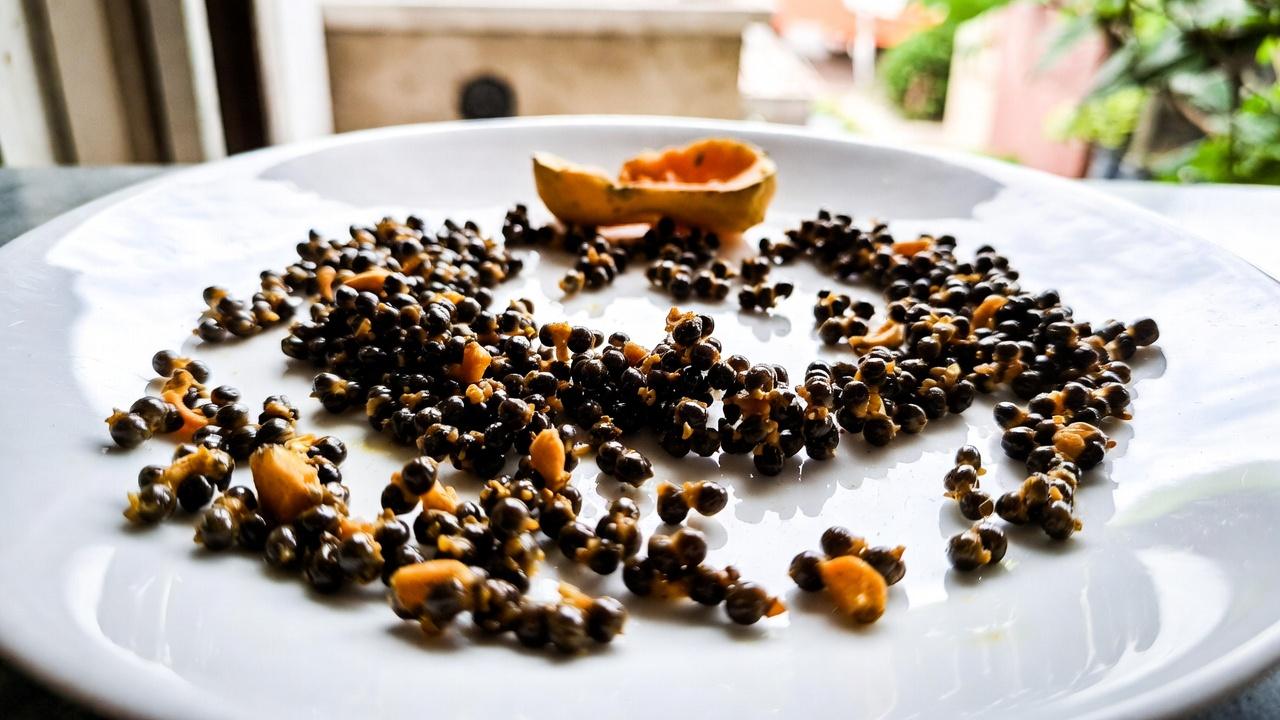
- Scoop the seeds from a ripe papaya.
- Rinse under water to remove any residue.
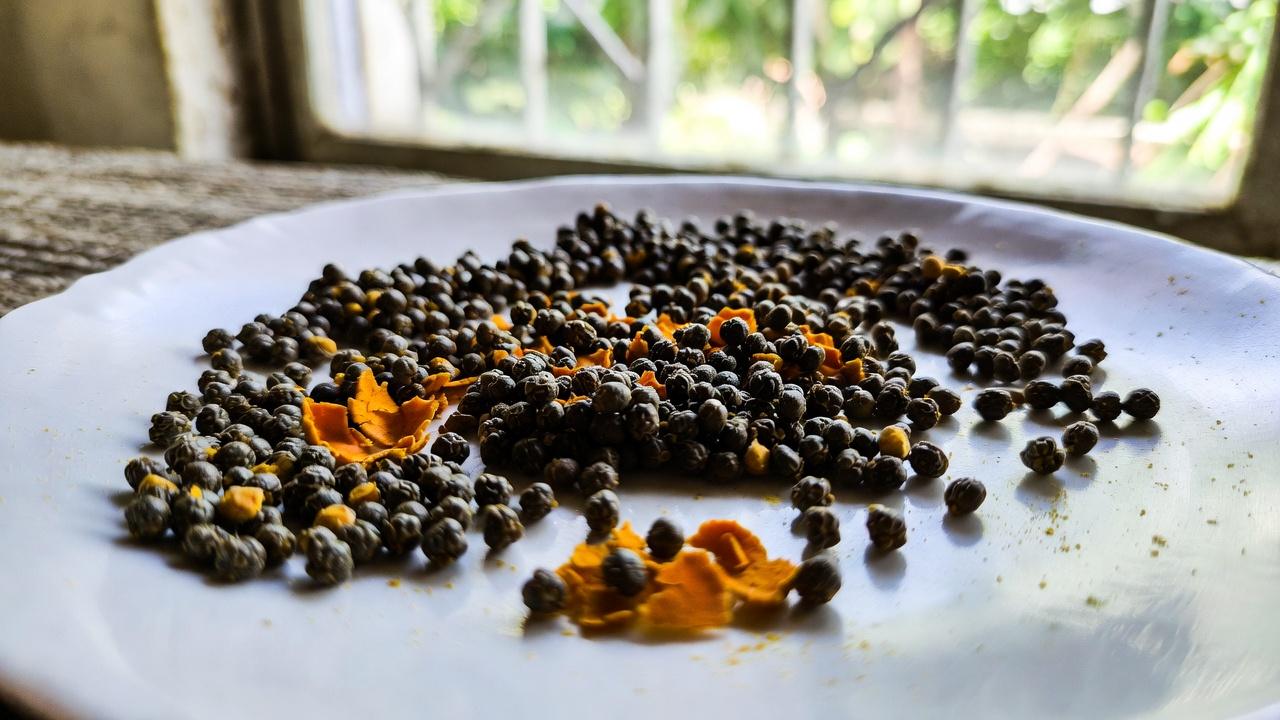
- Spread on a plate and air-dry for a few days (or use a low-heat oven).
- Store in an airtight container in a cool place.
- Grind small amounts as needed for easier consumption.
Recommended starting amount: ½–1 teaspoon per day of ground seeds. Blend with honey, add to dressings, or sprinkle on food.
Many find the flavor peppery—start small to assess tolerance.
Safety Considerations and Possible Side Effects
Papaya seeds are generally considered safe in moderation for most people. However, high amounts may cause digestive discomfort, such as bloating or loose stools, due to their fiber content.
Animal studies have noted potential temporary effects on fertility at very high doses, so those trying to conceive should use caution and speak with a doctor. Allergic reactions are possible if sensitive to papaya or latex.
Moderation is key—stick to small servings and monitor how your body responds.
Quick Comparison: Papaya Seeds vs. Common Digestive Aids
| Aspect | Papaya Seeds | Common Alternatives (e.g., Probiotics/Fiber Supplements) |
|---|---|---|
| Key Components | Fiber, papain, benzyl isothiocyanate | Live cultures or isolated fiber |
| Flavor/Texture | Peppery, crunchy | Neutral or flavored |
| Preparation | From fresh fruit, easy to source | Purchased ready-to-use |
| Research Stage | Emerging, mostly preliminary | More established for some uses |
| Cost | Very low (often free from fruit) | Varies, often ongoing expense |
This table highlights why some prefer seeds as a whole-food option.
Final Thoughts
Papaya seeds offer an intriguing, nutrient-dense addition to meals, with preliminary research supporting roles in digestion, antioxidant support, and more. While not a miracle food, they represent a simple way to reduce waste and explore natural wellness options.
Start small, listen to your body, and enjoy them as part of a varied diet. The real value comes from consistent, balanced habits rather than any single ingredient.
FAQ
1. Can I eat papaya seeds every day? Yes, in moderation (½–1 teaspoon ground). Many people include them daily without issues, but start slowly to check tolerance.
2. Do papaya seeds taste good? They have a strong, peppery flavor similar to black pepper with a bitter edge. Mixing with honey, smoothies, or food helps mellow it.
3. Are papaya seeds safe for everyone? Most people tolerate small amounts well. However, consult a healthcare provider if pregnant, trying to conceive, or managing health conditions.
This article is for informational purposes only and does not replace professional medical advice. Consult your healthcare provider before making significant dietary changes or if you have health concerns.


