
Many people over 40 experience ongoing challenges like fluctuating energy, occasional digestive discomfort, or concerns about maintaining balanced wellness as daily life gets busier. These issues can stem from everyday oxidative stress, nutrient gaps in modern diets, and natural changes in metabolism over time. While no single food solves everything, exploring nutrient-dense options like moringa seeds (from the Moringa oleifera tree) offers an intriguing way to support overall well-being through natural compounds.
But here’s the part most overviews skip: The real value lies in understanding what research actually shows about these tiny seeds, without overpromising results. Stick around as we dive into evidence-based insights, practical ways to incorporate them, and what to watch for—there’s a simple preparation tip at the end that could make a difference in your routine.
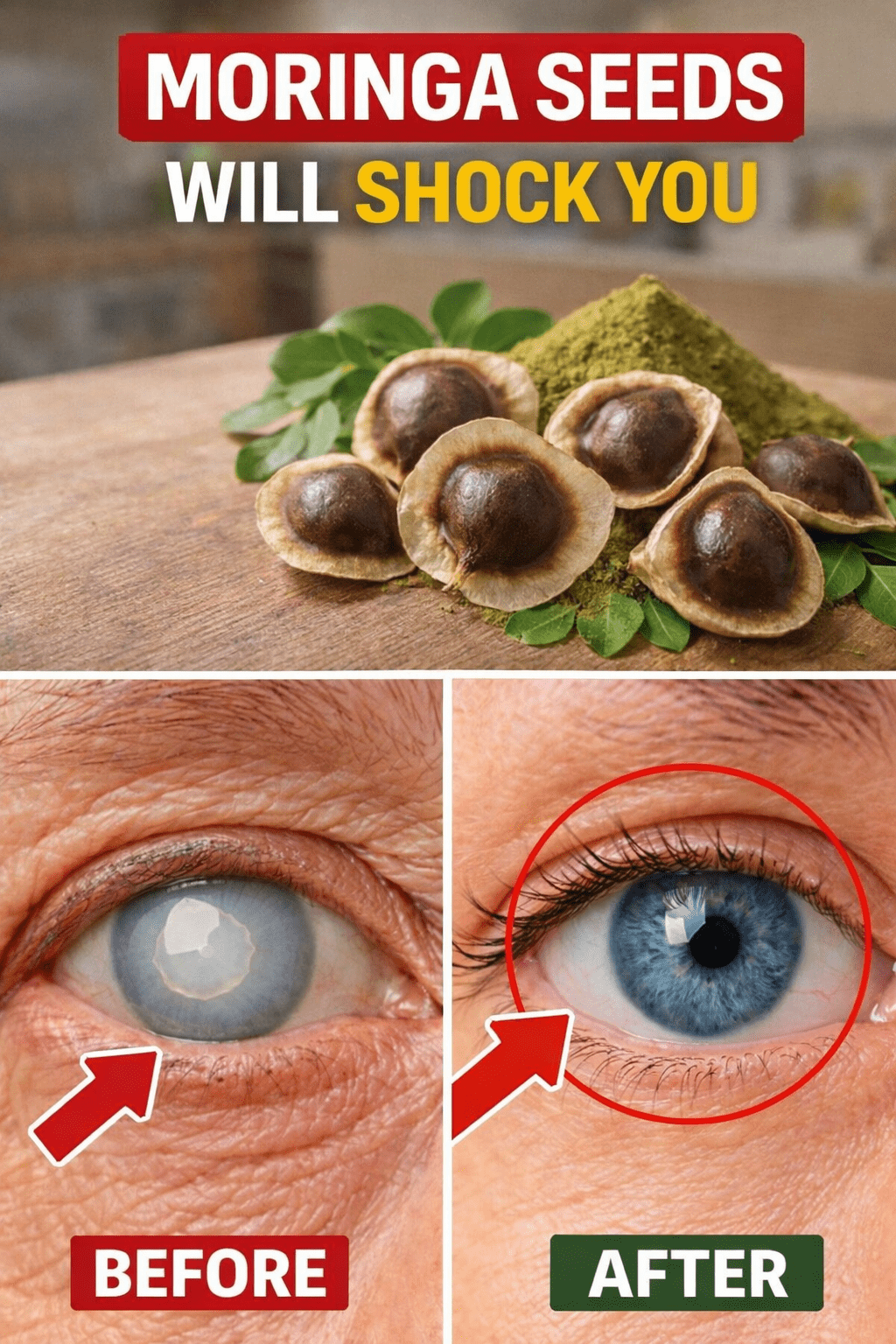
Why Moringa Seeds Have Gained Attention
Moringa oleifera, often called the “drumstick tree,” grows in tropical regions and has been used traditionally for centuries. The seeds stand out for their nutrient profile and bioactive compounds. Research highlights their content of proteins, healthy fats (especially monounsaturated like oleic acid), fiber, and various antioxidants.
Studies suggest these elements may contribute to general health support, particularly in areas like oxidative balance and metabolic wellness. However, most evidence comes from lab, animal, or small-scale human studies—more large human trials are needed for definitive conclusions.
Key Nutritional Highlights of Moringa Seeds
Moringa seeds pack impressive nutrition in a small package. Here’s what stands out:
- Protein: Around 19-30% by weight, including essential amino acids for daily needs.
- Healthy Fats: High in oleic acid (similar to olive oil), supporting heart-friendly lipid profiles.
- Minerals and Vitamins: Good sources of potassium, calcium, magnesium, iron, and vitamin E.
- Fiber: Aids digestive regularity.
This combination makes them a potential addition to balanced diets, especially for those seeking plant-based nutrient boosts.
Evidence-Based Insights into Potential Benefits
Research on moringa seeds focuses on their antioxidant, anti-inflammatory, and metabolic-supporting properties. Here’s a breakdown of what studies indicate:
Antioxidant Support Moringa seeds contain compounds like quercetin, kaempferol, and isothiocyanates that help combat free radicals. Animal and lab studies show they may enhance the body’s natural antioxidant defenses, potentially reducing oxidative stress. Human evidence is emerging but limited.
Metabolic Wellness (Blood Sugar and Lipids) Some small human trials and animal research suggest seed extracts may help maintain healthy blood glucose and lipid levels. For example, compounds like chlorogenic acid could support insulin sensitivity, while plant sterols may influence cholesterol absorption. Reviews note modest improvements in fasting glucose or LDL in certain groups, but results vary and more research is required.
Inflammation Modulation Isothiocyanates in the seeds have shown potential to influence inflammatory pathways in preclinical models. This could support general comfort, though human studies are mostly preliminary.
Other Areas of Interest
- Liver Support: Animal studies indicate protective effects against certain stressors.
- Antimicrobial Properties: Lab tests show activity against some bacteria.
- Skin and Overall Vitality: Topical or ingested use may aid hydration and antioxidant activity.
Remember, these findings are promising but not conclusive—individual results depend on many factors like diet and lifestyle.
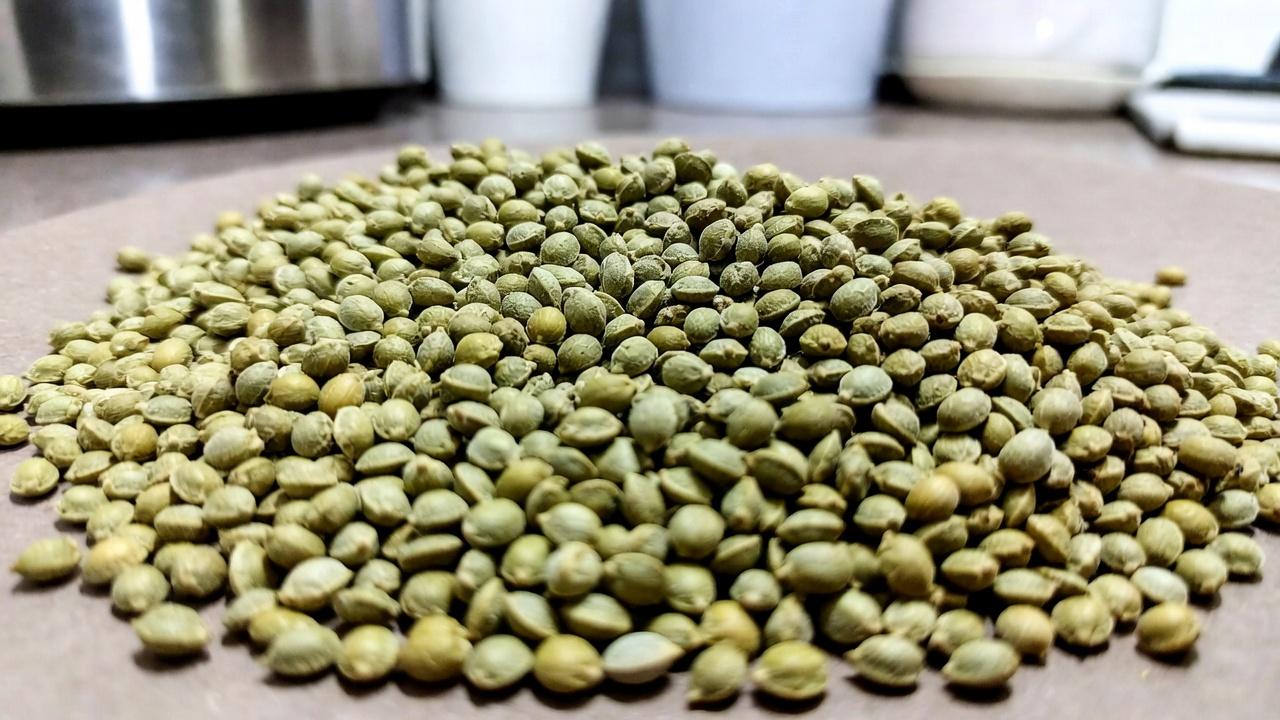
How to Incorporate Moringa Seeds Safely into Your Routine
Start small to see how your body responds. Here’s a simple step-by-step guide:
- Source Quality Seeds: Choose organic, properly dried seeds from reputable suppliers.
- Preparation Options:
- Grind into powder for smoothies or yogurt (start with ¼–½ teaspoon).
- Soak overnight in water for gentler digestion, then consume or use in recipes.
- Use seed oil (cold-pressed) for cooking or topical application.
- Daily Amount: General guidance from reviews suggests 1–3 grams (about ½–1 teaspoon powder) for most adults. Stay under higher amounts unless advised.
- Pairing Tip: Combine with healthy fats (like avocado or nuts) to improve absorption of fat-soluble nutrients.
- Monitor: Track energy or digestion for a week or two.
Bonus: Soaking seeds overnight softens them and may reduce any mild digestive adjustment.
Quick Comparison: Moringa Seeds vs. Common Alternatives
| Aspect | Moringa Seeds | Synthetic Supplements | Whole Food Alternatives |
|---|---|---|---|
| Nutrient Density | High (protein, fats, minerals) | Targeted but isolated | Varies (e.g., nuts/seeds) |
| Cost | Low to moderate | Medium to high | Low |
| Potential Side Effects | Minimal at moderate doses | More common | Generally low |
| Research Stage | Promising preclinical/small human | Well-studied for specifics | Established |
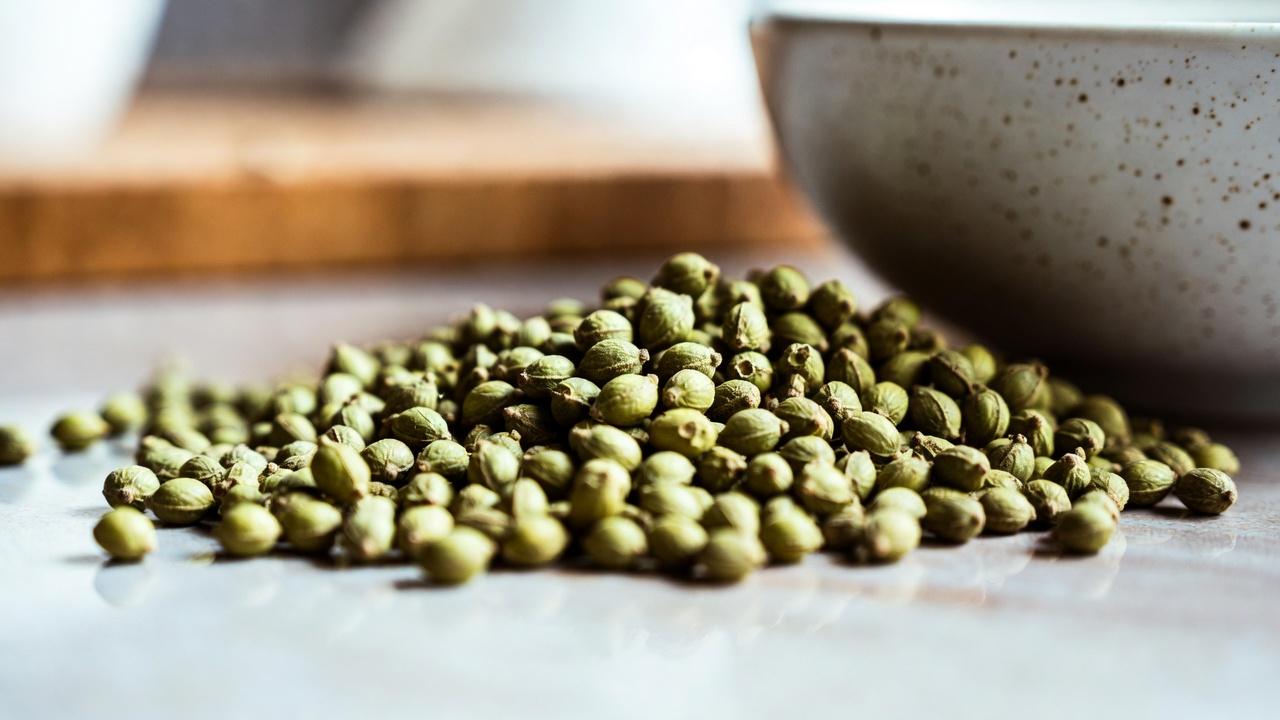
Practical Timeline for Trying Moringa Seeds
- Days 1–7: Start with ¼ teaspoon powder daily; note any digestive changes.
- Weeks 2–4: Increase to ½ teaspoon if comfortable; pair with meals.
- Ongoing: Maintain ½–1 teaspoon as part of a varied diet.
Frequently Asked Questions
How many moringa seeds should I eat daily? Most sources suggest starting low (1–3 grams equivalent) and not exceeding moderate amounts for general use.
Are there side effects from moringa seeds? Generally well-tolerated short-term; mild digestive upset possible at higher doses. Rare reports exist with excessive use.
Can I use moringa seeds if I take medications? They may interact with blood sugar, blood pressure, or thyroid meds—consult a healthcare provider first.
This information is for educational purposes only and not a substitute for professional medical advice. Always consult your healthcare provider before adding new supplements to your routine, especially if you have health conditions or take medications.


