
As we age, many of us notice fine lines, dryness, and a loss of that natural glow in our skin. These changes often come from everyday factors like sun exposure, reduced collagen production, and environmental stress, leaving the skin feeling less supple and more tired-looking. It’s frustrating when commercial products promise a lot but deliver little, especially with harsh ingredients that can irritate sensitive skin.
The good news? Simple, natural ingredients from your kitchen can support skin hydration and smoothness as part of a gentle daily routine. In this guide, we’ll explore a soothing homemade moisturizer featuring aloe vera, oatmeal, and a touch of lemon, plus science-backed insights on why these might help maintain healthier-looking skin. Stick around until the end for a step-by-step recipe and tips to get the most from your homemade care.

Why Skin Changes with Age
Skin naturally loses moisture and elasticity over time. Collagen and elastin fibers break down, while external factors accelerate dryness and uneven texture. Studies suggest that consistent hydration and gentle nourishment can make a noticeable difference in how skin feels and appears.
Many people turn to natural options because they’re affordable and customizable. But not all home remedies are equally gentle — some can even cause irritation if used improperly.
The Power of Natural Ingredients for Skin Support
Let’s look at three popular kitchen staples often used in homemade moisturizers.
Aloe Vera Gel Aloe vera is renowned for its soothing and hydrating properties. Research, including a study published in the Annals of Dermatology, has shown that aloe vera supplementation can support improvements in skin elasticity and the appearance of fine lines in photoaged skin by promoting collagen-related processes. Topically, its high water content and natural compounds help lock in moisture and calm the skin.
Colloidal Oatmeal Ground oats, or colloidal oatmeal, have a long history in skincare for dry and irritated skin. Evidence from dermatological reviews indicates that colloidal oatmeal provides antioxidant benefits, reduces inflammation, and helps retain moisture through its beta-glucans and starches. It’s especially gentle, making it suitable for sensitive types, and it supports the skin barrier for a smoother feel.
Lemon Juice (Used with Caution) Lemon contains vitamin C, an antioxidant that brightens when used properly. However, its high acidity can disrupt the skin’s natural balance. Multiple dermatology sources, including Healthline, warn that direct application often leads to irritation, dryness, or increased sun sensitivity (phytophotodermatitis). Always dilute heavily and patch test — or consider gentler vitamin C alternatives from formulated products.
These ingredients shine when combined thoughtfully, focusing on hydration rather than dramatic changes.
Benefits of a Homemade Moisturizer Routine
Making your own cream lets you control quality and avoid unnecessary additives. Regular use of hydrating, natural mixtures can:
- Improve skin softness and comfort
- Support the moisture barrier
- Provide gentle nourishment for daily use
But remember: results vary by individual, skin type, and consistency. Patience and patch testing are key.
Here are quick tips to enhance your routine:
- Always apply sunscreen during the day — natural ingredients don’t replace UV protection.
- Store homemade creams in the fridge for freshness (use within 1-2 weeks without preservatives).
- Perform a patch test on your inner arm for 24 hours before full use.
Step-by-Step Homemade Soothing Moisturizer Recipe
This simple blend emphasizes hydration with aloe vera and oatmeal for a creamy, comforting texture. We include a minimal amount of diluted lemon for brightness, but you can omit it if your skin is sensitive.
Ingredients (makes about 1 small jar):
- 4 tablespoons fresh aloe vera gel (scooped from the leaf, blended smooth)
- 2 tablespoons finely ground oatmeal (colloidal style — grind plain oats in a blender)
- 1 teaspoon fresh lemon juice, heavily diluted in 2 tablespoons water (or skip for sensitive skin)
- Optional: 1 teaspoon honey for extra soothing (natural humectant)
Instructions:
- Prepare your aloe gel by cutting a fresh leaf, scooping out the clear gel, and blending until smooth.
- Grind plain rolled oats into a fine powder using a blender or coffee grinder.
- In a clean bowl, mix the aloe gel and ground oatmeal until it forms a thick paste.
- Slowly stir in the diluted lemon juice (or honey) for a creamy consistency.
- Transfer to a small glass jar. Apply a thin layer to clean skin at night, massaging gently in upward circles.
- Use 3-4 times per week, or daily if your skin tolerates it well.
This creates a lightweight, non-greasy moisturizer that feels cooling and nourishing.
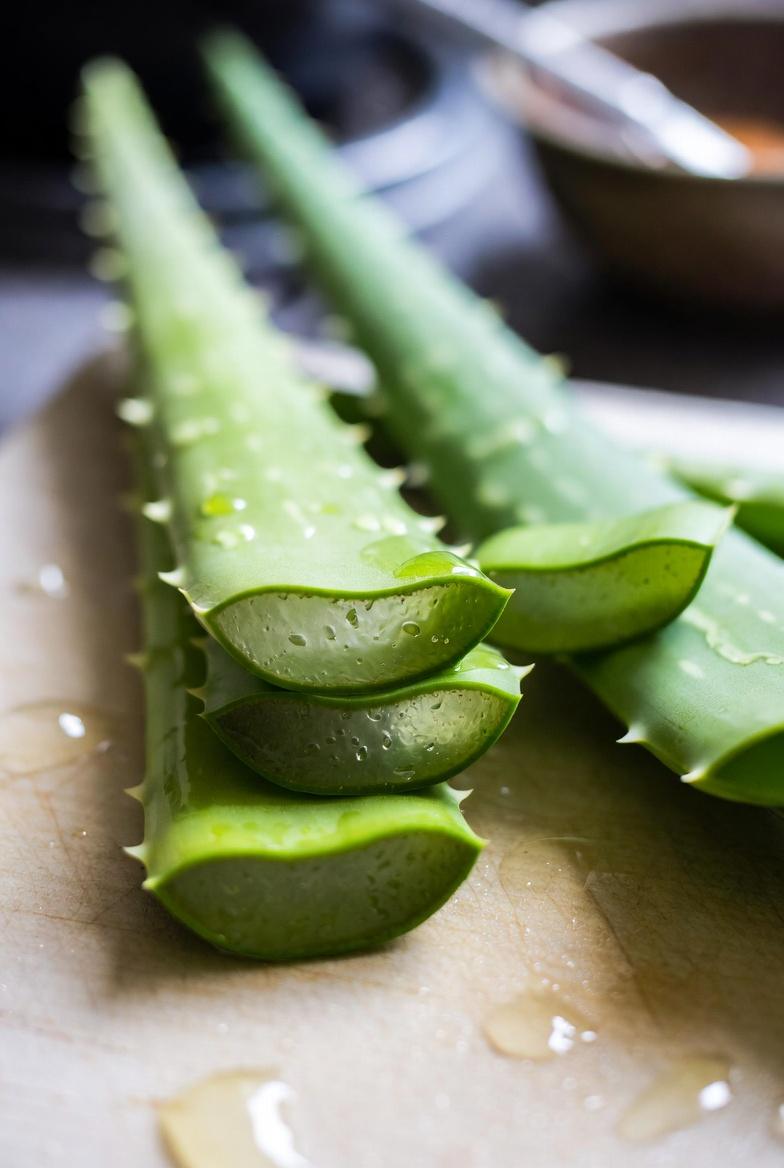
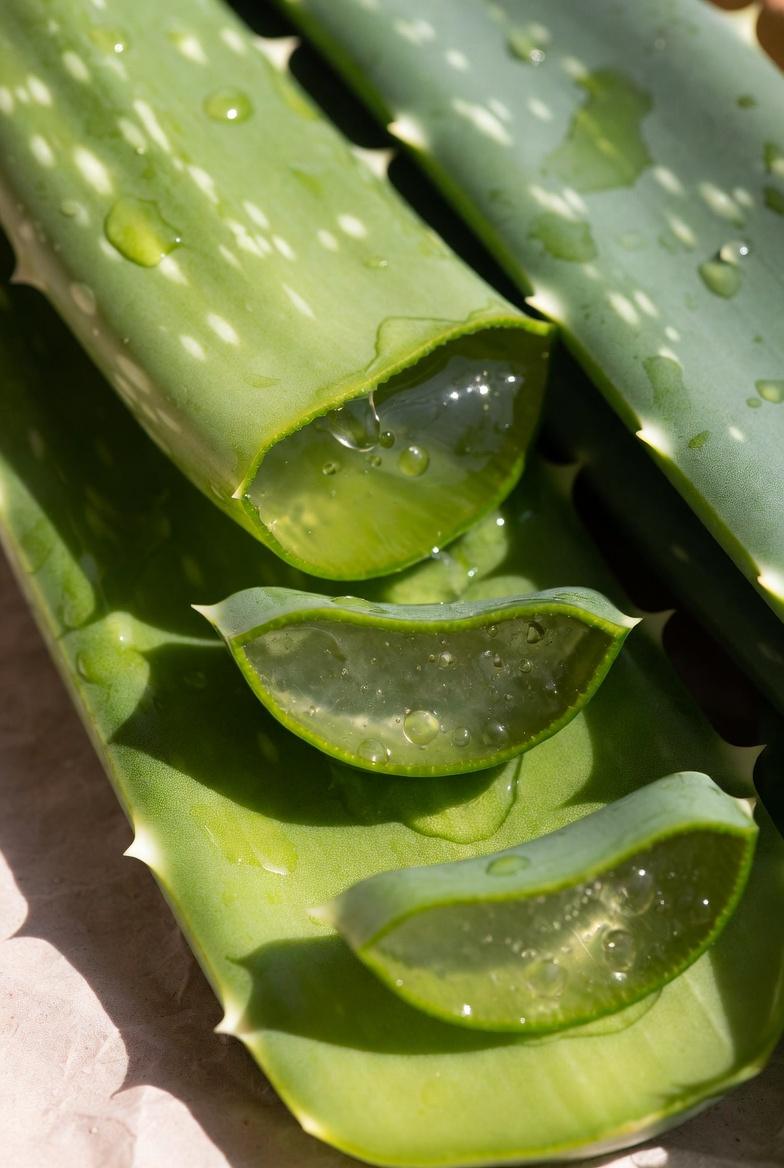
Here are two close-up views of the key natural ingredients in their fresh, preparatory forms to help you visualize the recipe process.
This shows fresh aloe vera leaves being sliced open, revealing the clear, hydrating gel inside — perfect for extracting the main base of your moisturizer.
Here, plain rolled oats are freshly ground into a fine powder on a wooden surface, highlighting the natural texture used for soothing and moisturizing in the blend.
Safety Tips and Realistic Expectations
Homemade moisturizers are fun and cost-effective, but they’re not miracle cures. Focus on consistent hydration, sun protection, and a balanced lifestyle for the best support. If you notice redness, stinging, or irritation, stop use immediately and consult a dermatologist.
Disclaimer: This article is for informational purposes only and not medical advice. Natural ingredients can cause allergic reactions or irritation in some people. Always patch test and consult a healthcare professional before trying new skincare routines, especially if you have skin conditions or sensitivities.
FAQ
How often should I use a homemade aloe and oatmeal moisturizer? Start with 3-4 times per week at night. If your skin feels comfortable and hydrated, increase to daily use.
Can this replace my regular moisturizer? It can complement your routine for extra hydration, but pair it with broad-spectrum sunscreen during the day and other proven products as needed.
Is lemon safe to include in homemade skincare? Only in very small, diluted amounts — and avoid if you have sensitive skin or plan sun exposure soon. Many experts recommend skipping it to prevent risks.
There you have it — a gentle, natural way to pamper your skin with everyday ingredients. Give it a try and see how your skin responds!


