
Many people worry about their kidney health as they age or face daily stresses like high blood pressure, busy lifestyles, or less-than-ideal eating habits. Kidneys work tirelessly to filter waste, balance fluids, and keep your body in harmony, but poor choices over time can add extra strain. The good news is that simple, everyday food swaps can make a real difference in supporting these vital organs. In this guide, we’ll explore eight evidence-based superfoods that nutrition experts often recommend for their nutrient profiles and potential benefits.
But that’s just the beginning—stick around until the end for a simple daily habit that combines a few of these foods in an easy way you can try today.

Why These Foods Matter for Kidney Support
Research from organizations like the National Kidney Foundation and studies in nutrition journals show that a diet rich in antioxidants, low in sodium, and balanced in key minerals like potassium and phosphorus can help maintain kidney function. These superfoods are generally low in problematic nutrients for many people while packing vitamins, fiber, and anti-inflammatory compounds.
Here are 8 superfoods to consider incorporating more often:
- Cauliflower — This versatile veggie is packed with vitamin C, folate, and fiber. It’s a great low-potassium swap for higher-carb sides like potatoes, helping support overall digestive health and providing antioxidants that combat everyday oxidative stress.
- Blueberries — Bursting with anthocyanin antioxidants, these little berries help protect cells and may support heart health, which is closely linked to kidneys. They’re low in sodium and add natural sweetness without excess sugar.
- Red Bell Peppers — Loaded with vitamins A and C, plus fiber, these peppers are low in potassium and bring bright flavor to meals. Their antioxidants support immune function, an important factor in overall wellness.
- Garlic — A kitchen staple with sulfur compounds like allicin, garlic adds bold taste without salt. Studies suggest its anti-inflammatory properties can contribute to better blood pressure management, easing the workload on kidneys.
- Cabbage — Affordable and crunchy, cabbage offers vitamin K, C, and fiber. It’s a cruciferous veggie with compounds that may help manage everyday inflammation and blood sugar balance.
- Olive Oil — This heart-healthy fat is rich in monounsaturated fats and vitamin E. Phosphorus-free and stable for cooking, it supports anti-inflammatory pathways and pairs perfectly with veggies.
- Egg Whites — A high-quality, low-phosphorus protein source, egg whites provide essential building blocks without the higher phosphorus found in yolks. Great for portion-controlled meals.
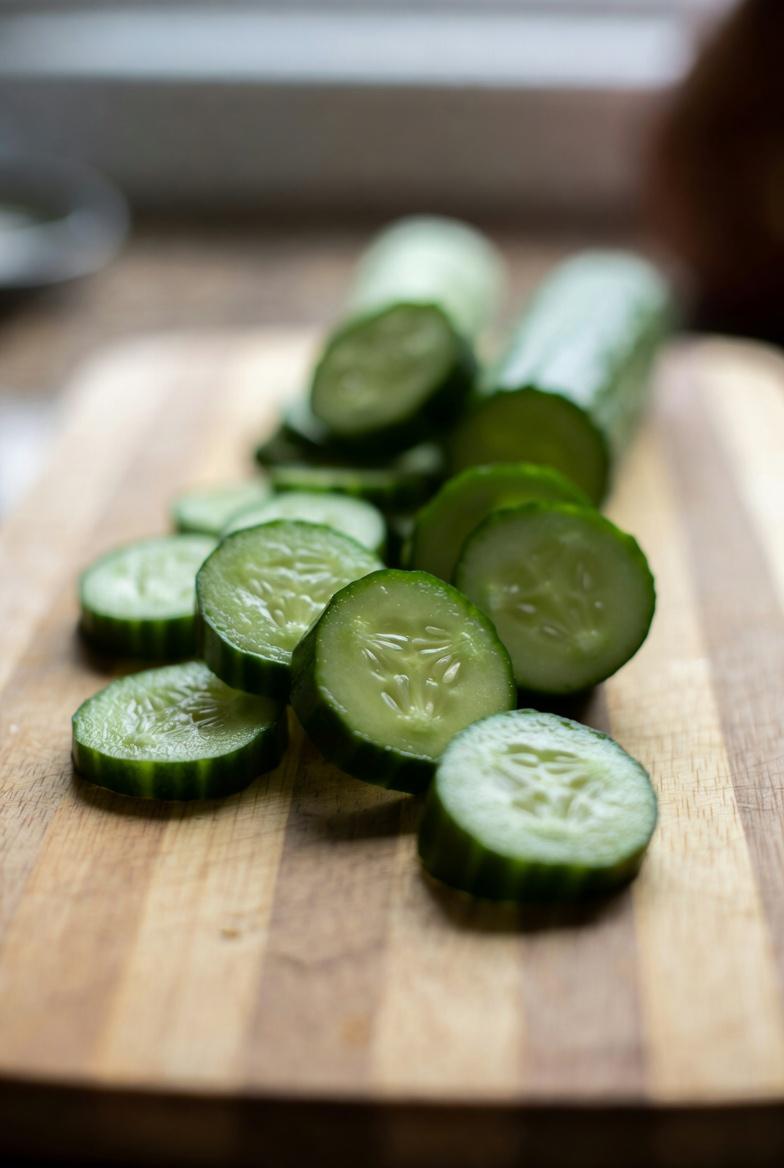
- Cucumbers — Super hydrating with about 95% water, cucumbers help with natural fluid balance. Their mild flavor and low calorie count make them ideal for snacks or infused water.
These foods aren’t miracle cures, but research highlights how their nutrients fit into balanced eating patterns that support kidney wellness over time.
How to Easily Add These Superfoods to Your Day
Start small for the best results. Here’s a quick, actionable plan:
- Morning Boost — Slice fresh cucumbers into your water or add blueberries to plain yogurt (choose low-phosphorus options if needed).
- Lunch Upgrade — Roast cauliflower with a drizzle of olive oil and minced garlic for a flavorful side.
- Snack Smart — Enjoy red bell pepper strips with a light dip or cabbage slaw.
- Dinner Flavor — Use egg whites in stir-fries or salads, seasoned with garlic instead of salt.
But that’s not all—there’s an even easier way to combine several of these in one refreshing routine.
A Simple Daily Cucumber and Garlic-Infused Tip
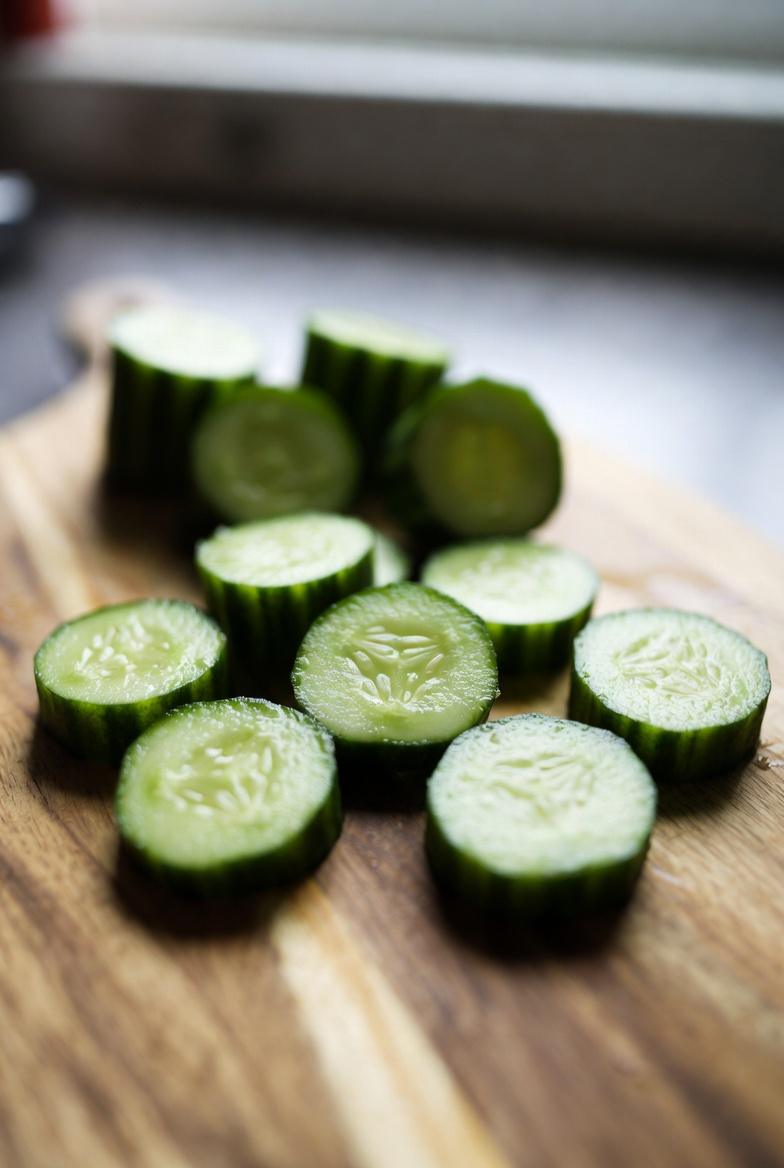
Many people love starting their day with infused water for hydration. Try this easy version: Slice fresh cucumbers and add a crushed garlic clove (or garlic powder for milder taste) to a pitcher of water. Let it infuse overnight in the fridge. Sip throughout the day for a subtle, refreshing boost.
This habit promotes hydration, which supports natural kidney flushing, while delivering antioxidants from both ingredients. Studies note cucumbers’ high water content aids fluid balance, and garlic’s compounds may offer additional support.
Here’s how it looks in practice:
Fresh cucumber slices ready for infusing, crisp and hydrating.
Garlic cloves being prepared—simple, aromatic, and full of potential benefits.
These everyday ingredients make the routine feel effortless and natural.
Things to Keep in Mind
Portion control matters, especially if you have existing kidney concerns—some foods contain potassium or phosphorus that need monitoring. Always check with your healthcare provider or a registered dietitian before major changes, as individual needs vary based on kidney function stage.
Frequently Asked Questions
Can these superfoods replace medical advice for kidney health? No, they’re supportive additions to a balanced lifestyle. They complement—not replace—professional guidance, medications, or treatments.
Are these foods safe for everyone with kidney issues? Most are generally well-tolerated, but potassium and phosphorus levels matter in advanced stages. Consult a dietitian for personalized portions.
How quickly might I notice benefits from adding these foods? Changes like better energy or hydration can appear in weeks with consistency, but long-term support for kidney health builds over months as part of overall habits.
Your kidneys do incredible work every day—giving them nutrient-rich support through thoughtful food choices is one of the kindest things you can do for your body. Small steps add up.
Disclaimer: This article is for informational purposes only and is not intended as medical advice. Always consult your healthcare provider or a qualified dietitian before making dietary changes, especially if you have kidney disease or other health conditions.


