
As we age, many seniors face everyday discomforts like occasional indigestion after meals, minor mouth irritation, or tired feet at the end of the day. These little issues can add up, making simple activities feel more challenging and affecting overall comfort. The good news is that a common household item like baking soda (sodium bicarbonate) offers some gentle, easy-to-try ways to support daily wellness when used thoughtfully.
In this guide, we’ll explore practical, everyday applications of baking soda that many people find helpful for senior wellness. Stick around until the end, where we’ll share a few surprising tips on how to incorporate it safely into your routine.
Why Baking Soda Appeals to Many Seniors
Baking soda is affordable, readily available, and has been a kitchen staple for generations. Its natural alkaline properties allow it to interact with acids in helpful ways for certain minor concerns. Research from sources like Healthline and Mayo Clinic highlights its role in neutralizing acids, which is why it’s commonly found in over-the-counter antacids.
But here’s the key: while baking soda can provide temporary support for everyday issues, it’s not a solution for ongoing health conditions. Always check with your doctor first, especially if you have high blood pressure, kidney concerns, or take medications, as it contains sodium.
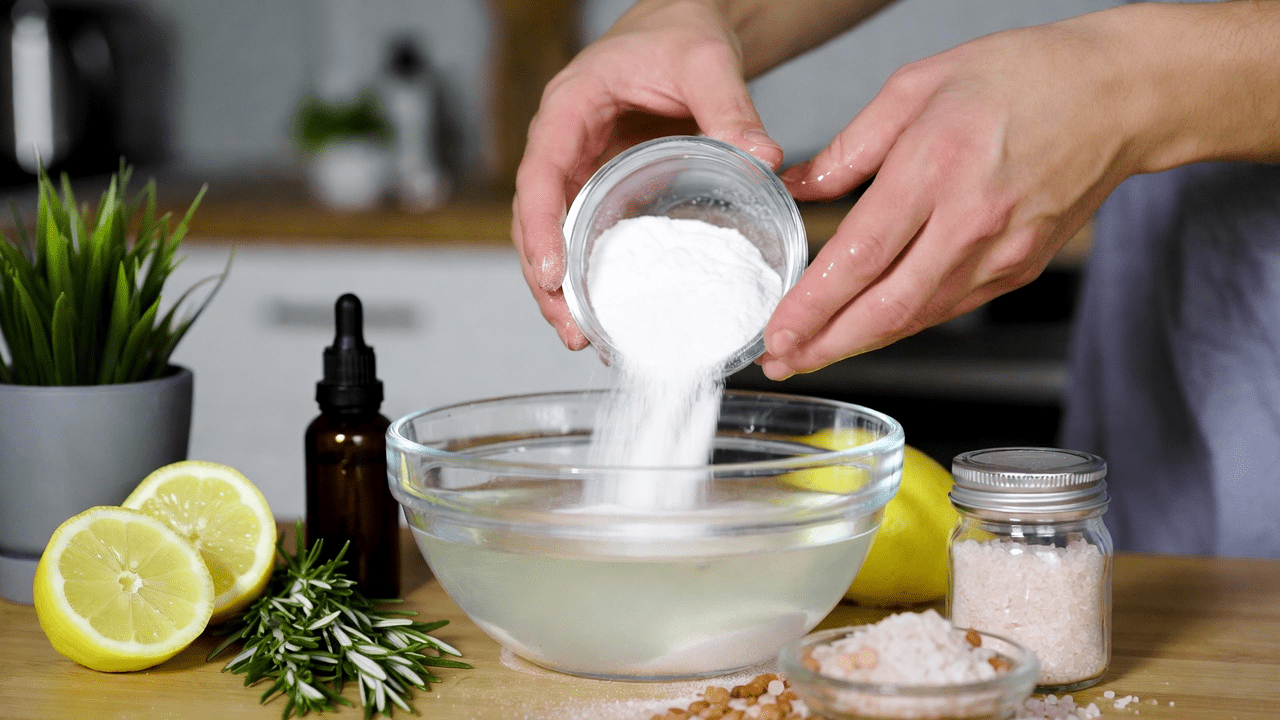
Simple Ways to Use Baking Soda for Occasional Digestive Comfort
One of the most common uses is for easing occasional heartburn or indigestion. Studies show sodium bicarbonate can help neutralize excess stomach acid temporarily.
How to try it safely (as a short-term option):
- Dissolve ½ teaspoon of baking soda in 4-8 ounces of water.
- Drink slowly after meals when discomfort arises.
- Limit to occasional use — no more than directed on the package, and never for more than 2 weeks without medical advice.
This approach is similar to how many antacids work, but it’s important to note that seniors over 60 should use lower maximum doses (often half the standard amount) to avoid potential side effects like bloating or electrolyte changes.
But that’s not all — baking soda can also support oral wellness in simple ways.
Everyday Oral Health Ideas with Baking Soda
Maintaining good oral hygiene becomes even more important as we age, with dry mouth or minor plaque buildup being common. Baking soda’s mild abrasive nature and ability to raise pH levels can help freshen things up.
Here are two easy ideas backed by research on plaque control and breath freshening:
- Homemade Mouth Rinse — Mix ½ teaspoon of baking soda in a glass of warm water. Swish gently for 30 seconds once a day to help neutralize acids and freshen breath. A review of studies shows baking soda toothpastes are effective for plaque removal.
- Gentle Teeth Brushing Boost — Add a pinch to your regular toothpaste for occasional extra cleaning. Research indicates it supports whitening and plaque control without being too harsh.
These are gentle additions to your routine — not replacements for regular dental care.
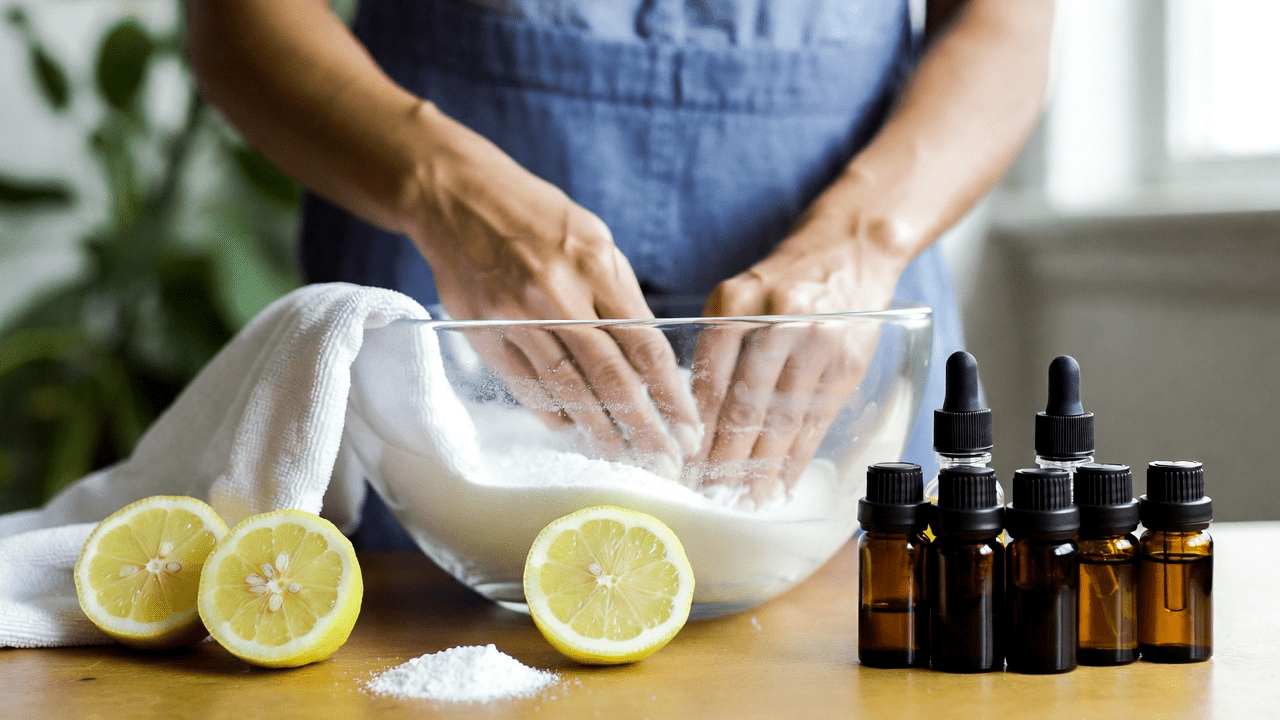
Soothing Soaks for Tired Feet and Minor Skin Irritation
Many seniors enjoy a relaxing foot soak at the end of the day to ease fatigue or soften skin. Baking soda can make the water feel more comfortable.
Simple Foot Soak Recipe:
- Fill a basin with warm (not hot) water.
- Add 2-3 tablespoons of baking soda.
- Soak feet for 10-15 minutes.
- Pat dry and moisturize afterward.
This can help with minor odor or dryness, as the alkaline nature balances things gently. For broader skin comfort, like occasional itchiness from dry skin, add 1-2 cups to a lukewarm bath for a soothing effect.
Here’s a quick comparison of everyday uses:
- Digestive comfort — Occasional, short-term acid neutralization
- Oral rinse — Daily freshening and pH support
- Foot soak — Relaxing and softening
- Bath additive — Gentle for minor skin soothing
These methods are low-effort and use what you likely already have at home.
Important Safety Tips for Seniors
While baking soda is generally recognized as safe for short-term use, seniors need extra caution. It contains sodium, which can affect blood pressure or fluid balance. Some studies note potential side effects like gas, bloating, or more serious issues with overuse.
Always:
- Start with small amounts.
- Avoid if you have heart, kidney, or swelling concerns without doctor approval.
- Don’t use as a long-term fix for recurring symptoms — see a healthcare professional instead.
Research, including from the Mayo Clinic, emphasizes consulting a doctor before regular use, especially for those over 60.
Wrapping It Up: Small Steps for Daily Comfort
Baking soda offers simple, budget-friendly ideas to support everyday wellness — from occasional digestive relief to refreshing oral rinses and relaxing soaks. These approaches focus on gentle, natural support rather than dramatic changes. By adding one or two to your routine mindfully, you might notice a bit more comfort in daily life.
Remember, these are supportive ideas, not medical treatments. What works best is combining them with healthy habits like balanced meals, staying hydrated, and regular check-ups.
Disclaimer: This article is for informational purposes only and not intended as medical advice. Always consult your healthcare provider before trying new remedies, especially if you have existing health conditions or take medications.
FAQ
Is baking soda safe for daily use in seniors? Occasional short-term use is generally considered safe for many, but seniors should limit intake due to sodium content and consult a doctor to avoid risks like electrolyte imbalance.
Can baking soda replace antacids or dental products? No — it’s a temporary option for minor issues. Use proven products for ongoing needs, and see a dentist or doctor for persistent problems.
How much baking soda is too much? Follow package guidelines (often lower for those over 60), and never exceed recommended amounts. Long-term or high-dose use can lead to side effects — talk to your doctor.


