
Many people take dietary supplements every day thinking they’re boosting their health, but recent research shows that some popular ones may put your liver and kidneys at risk when used in high doses or for extended periods. Studies indicate that herbal and dietary supplements now contribute to a growing number of cases of liver injury, sometimes even requiring medical attention. This can feel alarming, especially if you’re someone who relies on these products for wellness, energy, or specific health goals. The good news is that understanding the potential risks and sticking to recommended guidelines can help you make safer choices.
In this article, we’ll explore common supplements linked to possible harm to the liver and kidneys based on scientific reports and databases like LiverTox, while sharing practical steps to protect your organs. Stick around until the end for actionable tips that could make a real difference in how you approach supplementation.
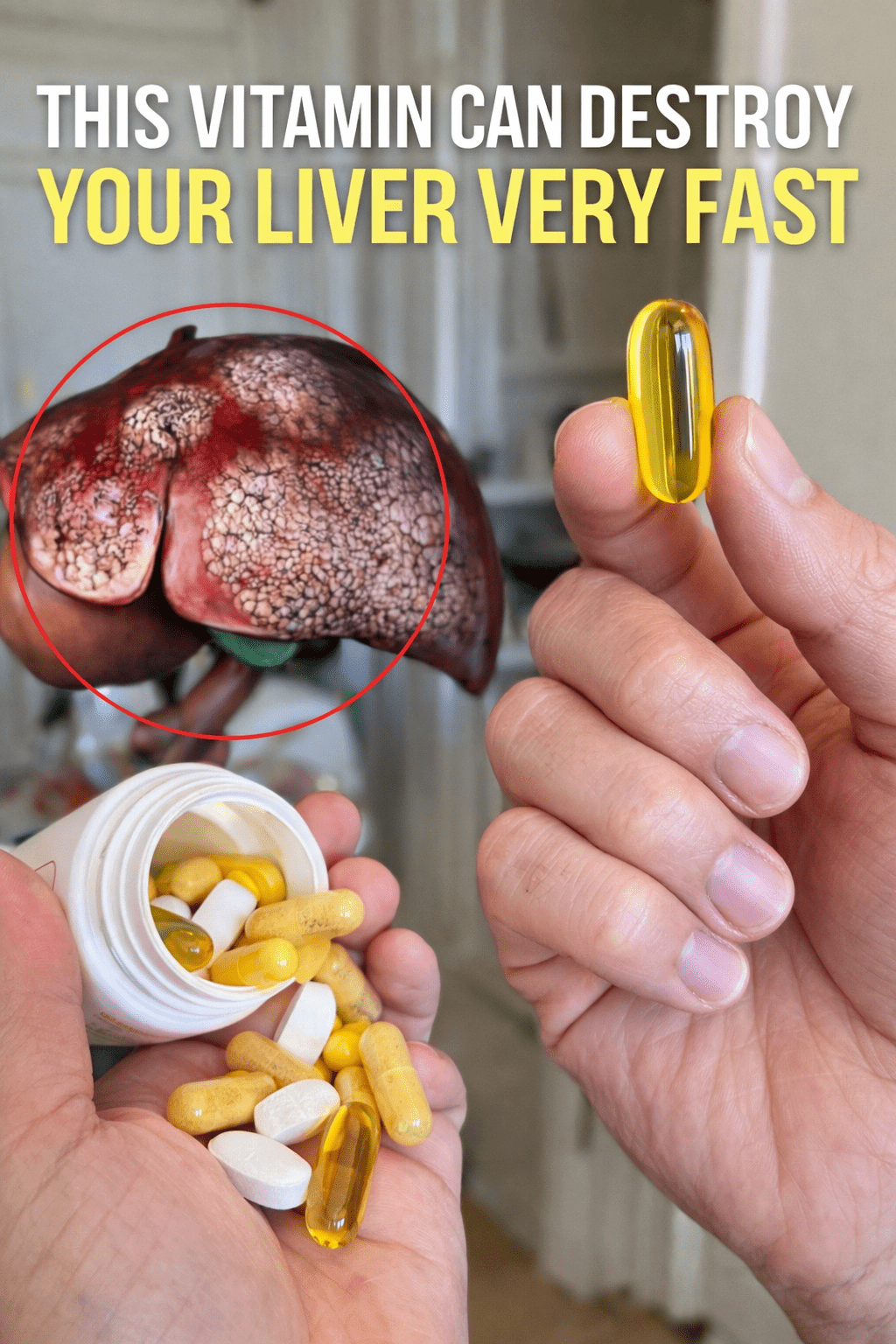
Why Supplements Can Sometimes Pose Risks to Your Liver and Kidneys
Your liver processes everything you ingest, including vitamins and herbs, turning them into usable forms or eliminating them. Your kidneys filter waste from the blood. When you take high doses or certain concentrated forms, these organs can become overwhelmed, leading to elevated enzymes or more serious issues in some people.
Research from sources like the Drug-Induced Liver Injury Network (DILIN) and studies in journals such as JAMA Network Open shows that while most supplements are safe at standard doses, certain botanicals and nutrients have been associated with potential toxicity. Factors like individual genetics, pre-existing conditions, or combining multiple products can increase vulnerability.
But that’s not all… The rise in supplement use has led to more reported cases, with estimates suggesting millions of adults regularly consume potentially concerning ingredients.
Top Supplements Commonly Linked to Potential Liver Concerns
Here are some of the most frequently mentioned supplements in recent studies on possible hepatotoxicity (liver-related issues). These are often popular for their perceived benefits, but high or prolonged use has raised flags.
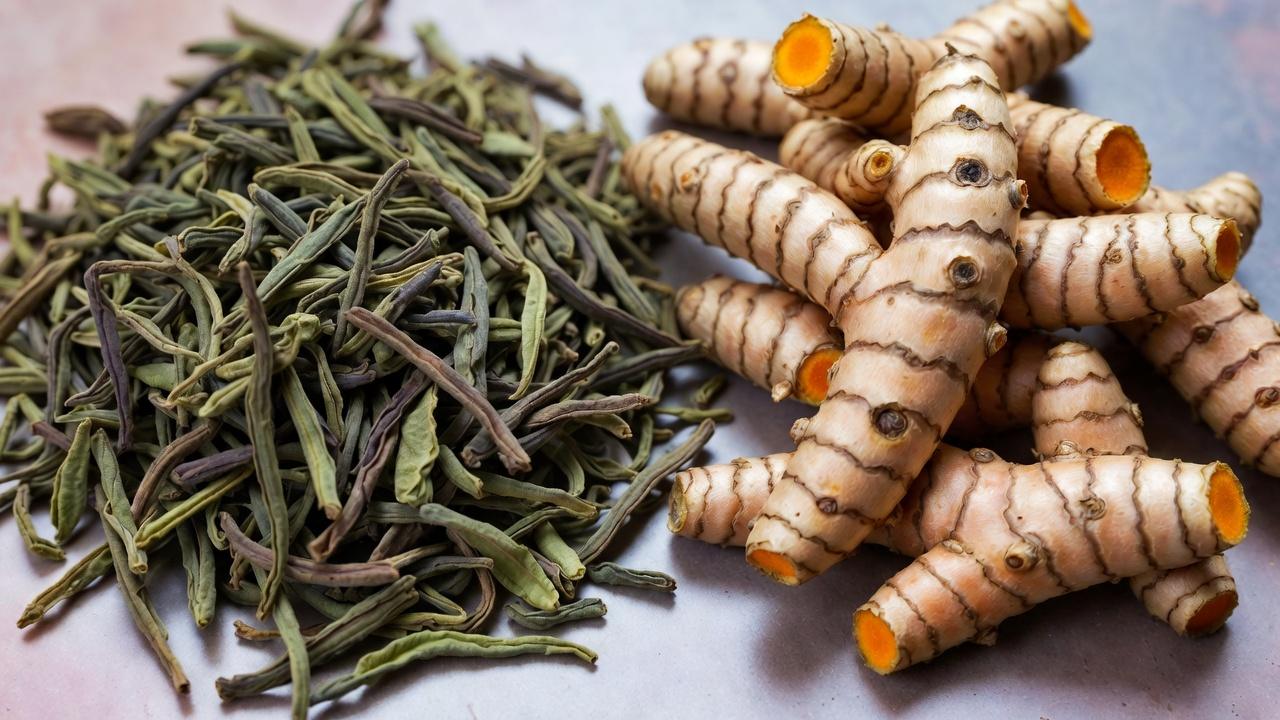
- Green Tea Extract: Often taken for antioxidant support and weight management, concentrated extracts (high in EGCG) have been linked to acute liver injury in some cases, according to reports from LiverTox and DILIN.
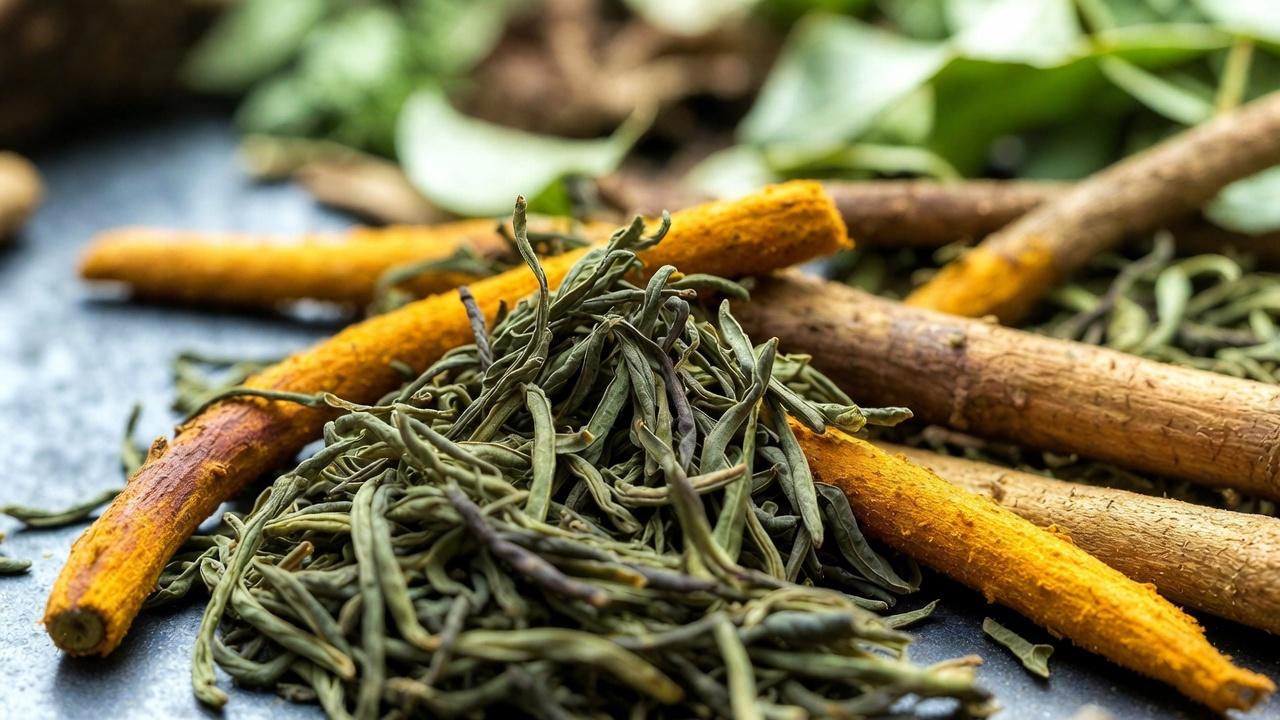
- Turmeric/Curcumin: Widely used for inflammation and joint health, high-dose supplements (especially enhanced absorption forms) appear in many recent liver injury reports.
- Ashwagandha: Popular for stress relief, this adaptogen has been associated with potential liver effects in vulnerable individuals.
- Garcinia Cambogia: Marketed for weight loss, it’s among the botanicals flagged in national surveys for possible hepatotoxicity.
- Black Cohosh: Commonly used for menopause symptoms, it’s been tied to liver concerns in some databases.
- Red Yeast Rice: Taken for cholesterol support, it may contain compounds similar to statins, raising risks for both liver and muscle issues.
Studies estimate that around 4-5% of U.S. adults (about 15 million people) use one or more of these botanicals regularly.
Here’s a quick comparison of why these stand out:
- Most common reason for use: General health, weight loss, or stress relief.
- Key risk factor: High doses or concentrated extracts, not typical food amounts.
- Affected organs: Primarily liver, though some (like high-dose niacin) may impact kidneys indirectly through overall strain.
What About Vitamins? The Ones to Watch Carefully
While herbal supplements tend to top the lists, certain vitamins can cause issues when taken in excess, as they’re fat-soluble and build up in the body.
- Vitamin A: High doses (especially from supplements, not food) have long been linked to potential liver damage, with risks of elevated enzymes or more serious effects over time.
- Niacin (Vitamin B3): Often used for cholesterol, mega-doses can lead to flushing and liver concerns.
- Vitamin D: Very high amounts may cause issues, though this is rare at standard levels.
Research emphasizes that these risks usually occur with “megadosing” far beyond recommended daily allowances.
How These Supplements Might Also Affect Your Kidneys
Though liver issues get more attention, some supplements can strain kidneys too, especially if they affect blood pressure, contain high minerals, or lead to dehydration (e.g., from weight-loss products). For example:
- High-dose vitamin C or certain herbs may contribute to kidney stones in susceptible people.
- Products with stimulants or multi-ingredients can increase overall organ workload.
The key is moderation and awareness of your total intake.
Practical Steps to Protect Your Liver and Kidneys While Using Supplements
Here are actionable tips you can start today:
- Check labels and dosages — Stick to recommended amounts and avoid “megadoses.”
- Consult a healthcare professional — Especially if you have pre-existing conditions, take medications, or plan long-term use.
- Choose reputable brands — Look for third-party testing (USP, NSF) to ensure purity.
- Monitor your body — Watch for signs like unusual fatigue, jaundice, dark urine, or abdominal discomfort, and stop use if they appear.
- Prioritize food sources — Get nutrients from a balanced diet whenever possible—greens, fruits, nuts, and lean proteins support organ health naturally.
- Space out supplements — Don’t combine too many at once without guidance.
These small habits can help reduce potential risks significantly.
Wrapping It Up: Stay Informed for Better Choices
Supplements can be helpful tools for wellness, but like anything, they come with responsibilities. By focusing on evidence-based use, moderate doses, and professional advice, you can support your health without unnecessary strain on your liver and kidneys. The most important takeaway? Knowledge is your best protection—always question bold claims and prioritize safety.
FAQ
Is it safe to take supplements every day? Most standard multivitamins or single nutrients at recommended doses are generally considered safe for healthy adults, but individual factors matter. Regular check-ins with a doctor help ensure they’re right for you.
How do I know if a supplement is harming my liver or kidneys? Early signs can include fatigue, nausea, changes in urine color, or abdominal pain. Routine blood tests can monitor liver enzymes if you’re concerned.
Are food-based sources better than pills? Yes, in most cases—whole foods provide balanced nutrients with built-in safeguards against excess, plus fiber and other compounds that support overall health.
Disclaimer: This article is for informational purposes only and not intended as medical advice. Always consult a qualified healthcare professional before starting, stopping, or changing any supplement regimen, especially if you have health conditions or take medications. Individual responses vary, and supplements are not regulated like drugs by the FDA.


