
Waking up to a wet pillow from drooling during sleep can feel embarrassing and uncomfortable, especially when it happens night after night. Many people experience this occasionally, but if it’s frequent, it might leave you wondering if something else is going on with your health. The good news is that drooling while sleeping is often linked to everyday factors like how you position yourself in bed or temporary issues like congestion. But in some cases, it could point to underlying conditions worth exploring further. In this article, we’ll break down the most common reasons behind nighttime drooling and share practical steps you can take to reduce it—stick around until the end for some surprising lifestyle tweaks that many people overlook.
What Actually Happens When You Drool During Sleep?
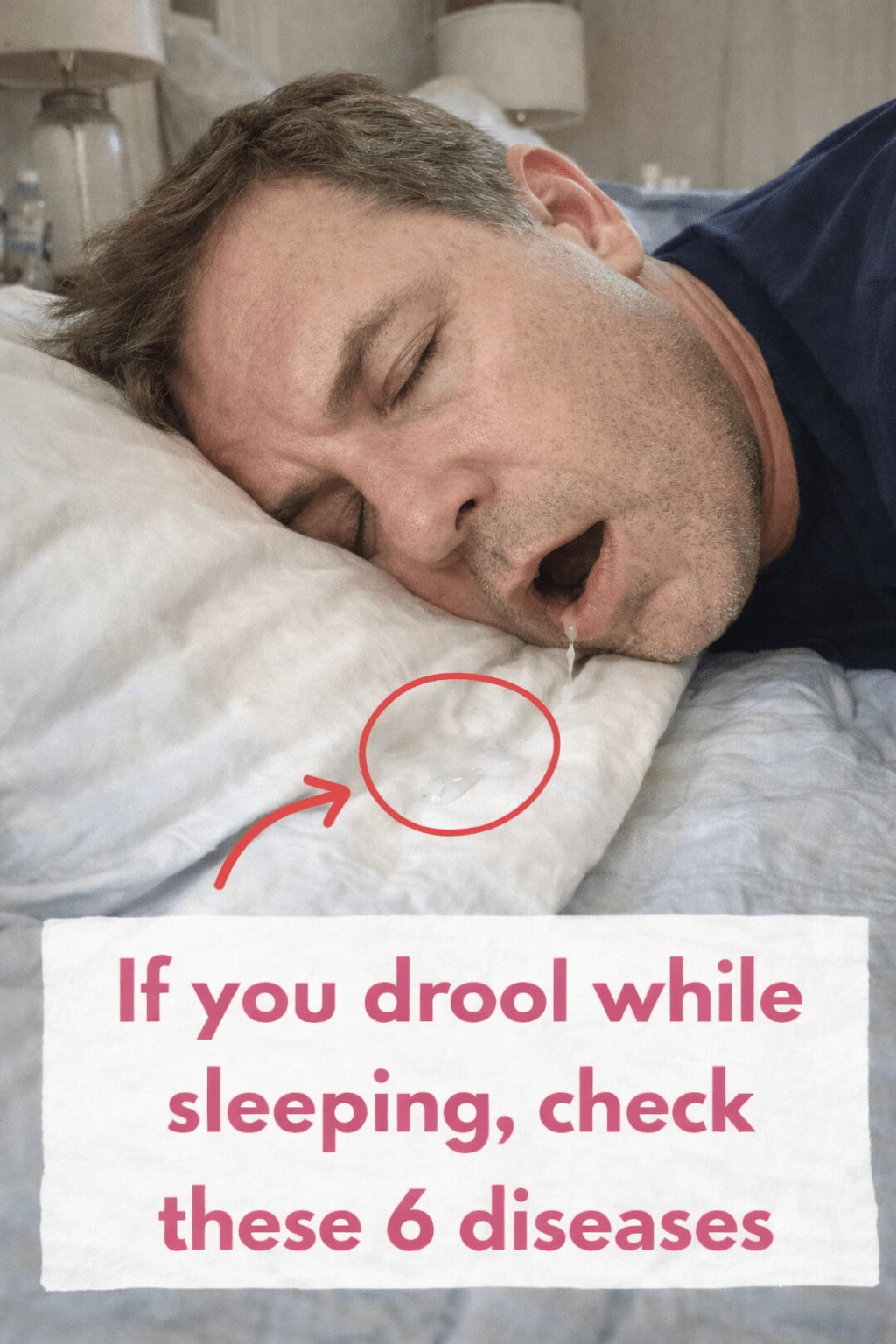
Your body produces saliva continuously—even while you’re asleep—to keep your mouth moist, aid digestion, and fight bacteria. Normally, you swallow automatically to manage it. But during deep sleep, muscle tone relaxes, swallowing slows down, and if your mouth opens (often from sleeping on your side or stomach), gravity takes over, allowing saliva to escape. This is why occasional drooling is completely normal for most adults.
However, when it becomes excessive or persistent, it might stem from factors that increase saliva flow, encourage mouth breathing, or affect swallowing. Research from sources like Cleveland Clinic and Sleep Foundation shows that understanding these triggers is the first step to better nights.
Common Everyday Causes of Nighttime Drooling
Before jumping to health concerns, let’s look at the most frequent, non-serious reasons.
Sleeping Position Matters More Than You Think Sleeping on your side or stomach often leads to more drooling because gravity pulls saliva toward the corner of your mouth. Back sleepers tend to drool less since saliva pools at the back of the throat. Studies indicate this simple habit change alone helps many people.
Nasal Congestion and Mouth Breathing When your nose is blocked—from colds, seasonal allergies, sinus issues, or even a deviated septum—you breathe through your mouth. This opens the mouth wider, making it easier for saliva to leak out. Infections like sinusitis or strep throat can temporarily amp this up.
Acid Reflux (GERD) Gastroesophageal reflux disease can irritate the throat and trigger extra saliva production as your body tries to neutralize acid. Many people notice more drooling at night when lying down, along with heartburn or a sour taste.
Here are quick tips to try right away:
- Elevate your head with an extra pillow to reduce reflux
- Avoid heavy meals, spicy foods, or caffeine close to bedtime
- Use a humidifier to ease nasal dryness
When Nighttime Drooling Might Point to Something More
While most cases are harmless, persistent drooling can sometimes connect to other issues. Here’s what reliable sources like Healthline, Cleveland Clinic, and Sleep Foundation commonly mention:
Sleep Apnea and Related Breathing Issues Obstructive sleep apnea causes repeated airway blockages, leading to mouth breathing and drooling. People with this condition often wake up with a wet pillow, dry mouth, or feeling unrested. If you also snore loudly or feel excessively tired during the day, it’s worth noting.
Medications and Their Side Effects Certain medications (like some antipsychotics or those for pain) can increase saliva production. If you’ve started a new prescription and noticed more drooling, this could be a factor.
Other Potential Contributors Conditions that affect muscle control or swallowing (such as certain neurological issues) may lead to drooling, but these are typically part of broader symptoms. Allergies, dental problems (like infections or misalignment), or even teeth grinding (bruxism) can play a role by stimulating more saliva or encouraging mouth opening.
But that’s not all—many people find relief just by addressing daily habits first.
Practical Steps to Reduce Drooling While Sleeping
You don’t have to live with soggy pillows forever. Here are actionable, evidence-based tips to try:
- Switch Your Sleep Position Try sleeping on your back with a supportive pillow under your knees. This uses gravity to your advantage.
- Improve Nasal Breathing Use saline nasal sprays, allergy medications (if appropriate), or a neti pot before bed to clear congestion.
- Address Reflux Triggers Eat smaller evening meals, avoid lying down right after eating, and consider over-the-counter antacids if heartburn is present.
- Maintain Good Oral Health Brush and floss regularly to prevent infections that could increase saliva.
- Consider Lifestyle Adjustments Stay hydrated during the day (but taper off at night), and avoid alcohol or sedatives that relax muscles further.
- Track Your Symptoms Keep a simple sleep journal noting drooling, snoring, tiredness, or other signs—this helps spot patterns.
If these changes don’t help after a few weeks, talking to a healthcare professional can provide personalized insights.
When Should You See a Doctor?
Occasional drooling is no big deal, but reach out to a healthcare provider if:
- It starts suddenly and persists
- You experience daytime fatigue, loud snoring, or breathing pauses
- It’s accompanied by difficulty swallowing, facial weakness, or other new symptoms
A doctor can help rule out underlying issues and suggest next steps.
Frequently Asked Questions (FAQ)
Is drooling while sleeping normal? Yes, it’s common and often harmless, especially if due to sleep position or congestion. Many adults experience it occasionally.
Can changing pillows help stop drooling? Absolutely—a firmer pillow or one that keeps your head elevated can promote better alignment and reduce mouth opening.
Does drooling mean I have sleep apnea? Not necessarily, but it’s a possible sign when combined with snoring, tiredness, or mouth breathing. A sleep study can clarify.
Why do I drool more on one side? It often relates to sleeping on that side—gravity directs saliva toward the lower corner of your mouth.
Drooling during sleep is usually a minor annoyance rather than a serious problem, and small changes can make a big difference in your comfort and rest. Pay attention to your body, try the tips above, and consult a healthcare professional for peace of mind if needed.
Disclaimer: This article is for informational purposes only and is not a substitute for professional medical advice. Always consult a qualified healthcare provider for concerns about your health.


