
As you approach or pass the milestone of 80, your body naturally goes through shifts that many people notice more clearly than before. These changes can feel surprising or frustrating at times, especially when they affect daily comfort, energy, or independence. Studies from organizations like the Mayo Clinic and the National Institute on Aging show that certain physiological adjustments become more prominent in later years, often due to decades of normal wear and tear on cells, tissues, and organs. But here’s the encouraging part: while some changes are part of the aging process, understanding them opens the door to practical ways to stay active, comfortable, and engaged well into your later decades.
In this article, we’ll explore five common shifts that research shows tend to appear or intensify around and after age 80. The best news? There are simple, everyday habits that can help you adapt and thrive.

1. Skin Becomes Thinner and More Fragile
One of the most visible changes happens to your skin. Over time, it naturally loses some of its elasticity and thickness because collagen and elastin fibers break down gradually. This makes the skin drier, more prone to bruising from minor bumps, and slower to heal from small cuts or scrapes. Research indicates that natural oil production also decreases, leading to itchiness or flakiness in many older adults.
But that doesn’t mean you have to accept discomfort as inevitable. Here are practical steps to help care for aging skin:
- Apply a gentle, fragrance-free moisturizer daily, especially after bathing while skin is still damp.
- Use mild soaps and avoid hot showers that strip natural oils.
- Protect your skin from sun exposure with clothing or broad-spectrum sunscreen, even on cloudy days.
- Stay hydrated by drinking water throughout the day.
These small routines, supported by dermatological recommendations, can make a noticeable difference in comfort and appearance.
2. Muscles and Bones Gradually Lose Strength and Density
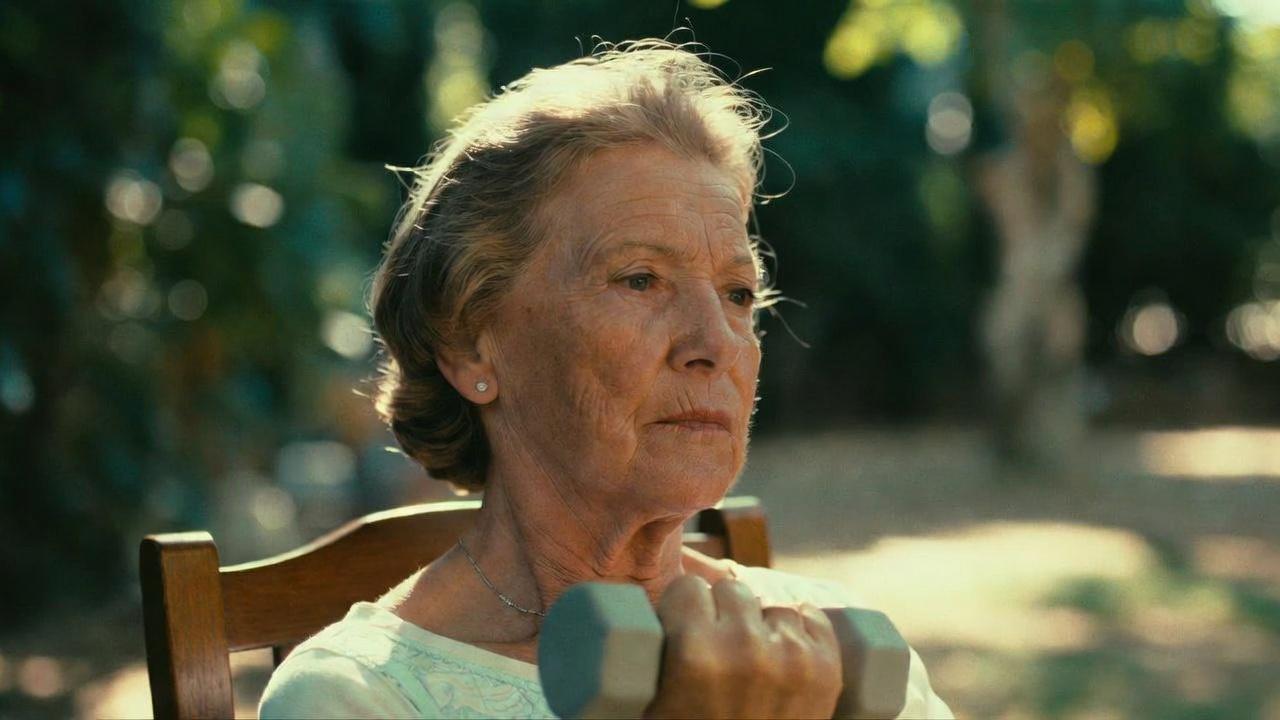
Muscle mass, known as sarcopenia, tends to decline with age, and bones become less dense, which can affect strength, balance, and posture. According to sources like MedlinePlus and Mayo Clinic, this combination often leads to a slight reduction in height over time as spinal discs lose fluid, and it can increase the risk of feeling unsteady during movement.
The good news is that staying active plays a key role in maintaining as much strength and mobility as possible.
Consider these actionable tips:
- Incorporate gentle strength exercises like chair stands, wall push-ups, or light resistance bands 2–3 times per week.
- Add balance activities such as standing on one foot (holding onto a chair for support) or tai chi.
- Focus on weight-bearing movements like walking to help support bone health.
- Eat protein-rich foods (like eggs, fish, beans, or dairy) at each meal to support muscle maintenance.
Many people in their 80s and beyond report feeling more stable and energetic when they build these habits consistently.
3. Vision and Hearing Adjustments Become More Noticeable
Sensory changes often stand out after 80. The eyes may have more difficulty adjusting to glare, dim light, or focusing up close, while hearing high-pitched sounds or following conversations in noisy rooms can become challenging. These shifts stem from natural changes in the lens, inner ear structures, and nerve pathways, as noted in aging studies.
Simple adaptations can help you stay connected and independent:
- Schedule regular eye and hearing check-ups to catch any issues early.
- Use brighter lighting for reading or tasks, and consider magnifiers or large-print books.
- Position yourself to face speakers directly, reduce background noise when possible, and explore hearing aids if recommended.
- Keep devices like phones or TVs at comfortable volumes and use captioning features.
These adjustments allow many seniors to continue enjoying hobbies, conversations, and daily activities with greater ease.
4. Energy Levels and Sleep Patterns Shift
Many people find their energy doesn’t last as long during the day, and sleep can become lighter or more interrupted. This often ties to changes in circadian rhythms, reduced deep sleep stages, and sometimes more frequent nighttime trips to the bathroom. Studies show these patterns are common in later life.
To support better rest and daytime vitality, try these evidence-based strategies:
- Maintain a consistent sleep schedule, going to bed and waking up at similar times.
- Create a relaxing bedtime routine, like reading or gentle stretching, and keep the bedroom cool and dark.
- Limit caffeine after midday and avoid heavy meals close to bedtime.
- Stay active during the day with short walks to promote natural tiredness at night.
Many find that prioritizing rest leads to feeling more refreshed and alert overall.
5. Mild Changes in Memory and Thinking Speed
The brain undergoes subtle shifts, such as slower processing speed or occasional difficulty recalling names or where you placed items. Research from the American Psychological Association highlights that while short-term memory may be affected, long-term knowledge and wisdom often remain strong, and most people continue to learn new things.
Here are ways to support brain health:
- Engage in mentally stimulating activities like puzzles, reading, or learning a new skill (even something simple like a phone app).
- Stay socially active through family visits, community groups, or phone calls.
- Combine physical activity with mental challenges, such as walking while listening to podcasts.
- Prioritize good nutrition, including foods rich in omega-3s, antioxidants, and vitamins.
These habits help keep your mind sharp and contribute to a positive outlook.
Embracing these changes doesn’t mean giving up—it’s about adapting wisely. Countless people in their 80s and beyond live active, meaningful lives by focusing on what they can influence: movement, nutrition, social connections, and self-care routines.
Frequently Asked Questions
Is it normal to feel more tired after 80? Yes, many experience shifts in energy due to natural changes in sleep and metabolism. Consistent light activity and good sleep habits often help manage this.
Can I still build strength in my 80s? Absolutely—gentle strength training and balance exercises can improve mobility and reduce fall risk, even starting later in life.
Do all seniors experience the same level of changes? No, experiences vary widely based on genetics, lifestyle, and overall health. Some remain very active while others notice more pronounced shifts.
Disclaimer: This article is for informational purposes only and is not intended as medical advice. Always consult your healthcare provider before starting any new exercise, diet, or health routine, especially if you have existing conditions.


