
Many of us notice our skin losing that fresh, youthful glow as daily life takes its toll—dullness creeps in, texture feels uneven, and fine lines start to appear more noticeably with time. The frustration builds when expensive products promise results but deliver little change, leaving you searching for something gentle, natural, and effective that fits easily into your routine. Traditional beauty wisdom from Asia has long turned to a humble kitchen staple for brighter, smoother-looking skin, and emerging research supports why it continues to captivate modern skincare enthusiasts.
What if a simple combination of rice and water could become your go-to ritual for nourished, luminous skin? Keep reading to uncover the step-by-step guide and science-backed insights that might just transform your at-home care.
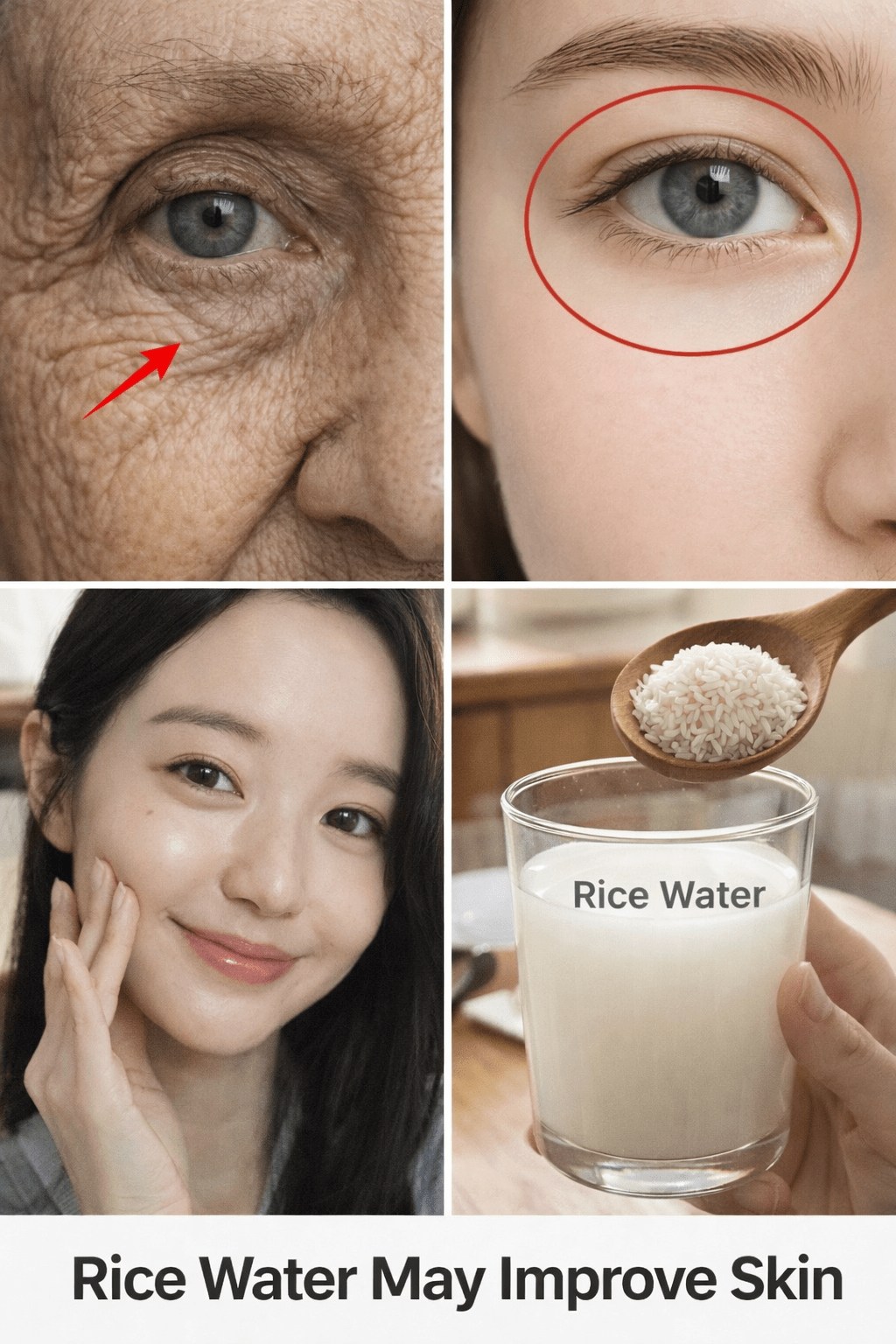
Why Rice Water Has Captured Attention in Skincare
Rice water—the starchy liquid left after soaking or rinsing rice—has been used for centuries in Asian beauty traditions. Geishas and women in ancient cultures relied on it for soft, radiant complexions.
But this isn’t just folklore. Studies on rice-derived ingredients highlight their potential in modern skincare.
Research published in journals like Cosmetics shows that components from rice, including phenolic compounds, ferulic acid, and amino acids, offer antioxidant, moisturizing, and soothing properties. Fermented versions often show enhanced benefits, such as supporting skin hydration and helping reduce signs of environmental stress.
Here’s what makes rice water stand out:
- Rich in antioxidants that help protect against daily environmental factors
- Contains natural compounds that support skin barrier function
- Provides gentle hydration for a plump, dewy appearance
- May contribute to a brighter, more even-looking tone over time
But that’s not all… the real magic happens when you turn it into an easy mask.
The Science Behind Rice Water’s Skin-Loving Properties
Multiple studies explore why rice water appeals to skincare lovers. A review of rice fermentation products notes benefits like improved hydration, antioxidant activity, and support for skin elasticity.
For example:
- Antioxidants in rice help combat oxidative stress from sun and pollution
- Compounds like inositol and ferulic acid support moisture retention
- Some research on fermented rice suggests it may help with collagen-supporting effects and reduce enzyme activity linked to visible aging signs
While results vary by individual and more large-scale human trials are needed, these findings explain the popularity of rice-based routines.
This gentle approach fits well for those seeking natural options without harsh ingredients.
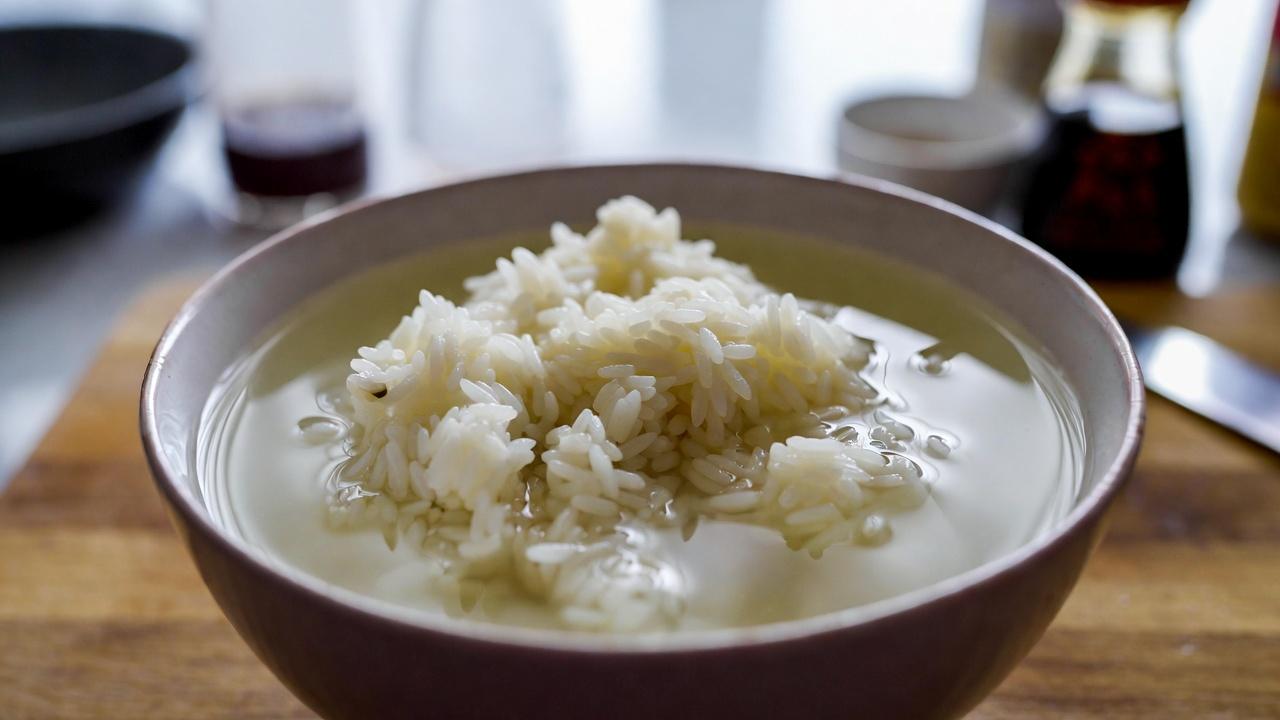
How to Prepare Rice Water at Home (Two Simple Methods)
Making rice water is straightforward and uses ingredients you likely already have. Always start with clean, uncooked rice (white or jasmine works well).
Method 1: Quick Soaking (Best for Beginners)
- Take ½ cup of uncooked rice.
- Rinse it thoroughly 2-3 times to remove impurities.
- Soak the rice in 2-3 cups of clean water for 30 minutes.
- Stir occasionally, then strain the cloudy water into a clean jar.
Method 2: Fermented (For Enhanced Benefits)
Follow the soaking method above, then let the strained water sit at room temperature for 1-2 days (cover loosely). You’ll notice a slightly sour smell—that’s the fermentation! Refrigerate after and use within a few days.
Pro Tip: Always do a patch test on your inner arm first to check for sensitivity.
Step-by-Step Guide: Creating Your Rice Mask for Glowing Skin
Now comes the fun part—turning rice water into a nourishing mask. This version combines the liquid with rice grounds for gentle texture and extra benefits.
Ingredients You’ll Need:
- 2-3 tablespoons of the rice water you prepared
- 1-2 tablespoons of the soaked rice (ground into a fine paste using a blender or mortar)
- Optional add-ins: A teaspoon of honey for extra hydration or plain yogurt for soothing
Steps to Make and Apply:
- Grind the soaked rice into a smooth paste.
- Mix in the rice water until you get a creamy consistency (not too runny).
- Cleanse your face as usual.
- Apply the mask evenly, avoiding the eye area.
- Relax for 15-20 minutes—let it work its gentle magic.
- Rinse off with lukewarm water and pat dry.
- Follow with your favorite moisturizer.
Use 2-3 times per week for best results. Many notice softer, brighter-looking skin with consistent use.
Quick Comparison: Rice Water vs. Commercial Toners
- Rice Water (Homemade): Natural, cost-effective, customizable, zero added preservatives
- Store-Bought Toners: Convenient, often stabilized, may include extra actives but can contain alcohol or fragrances
Both have their place—homemade offers that authentic, fresh feel.
Tips for Best Results and Safety
- Store rice water in the fridge and use within 3-5 days (fermented lasts slightly longer).
- Start slow if you have sensitive skin.
- Pair with sunscreen daily—natural ingredients work best with sun protection.
- Drink plenty of water and eat a balanced diet for skin from the inside out.
But wait—there’s more… Consistency is key, and many who stick with this ritual report noticing a subtle glow that builds over weeks.
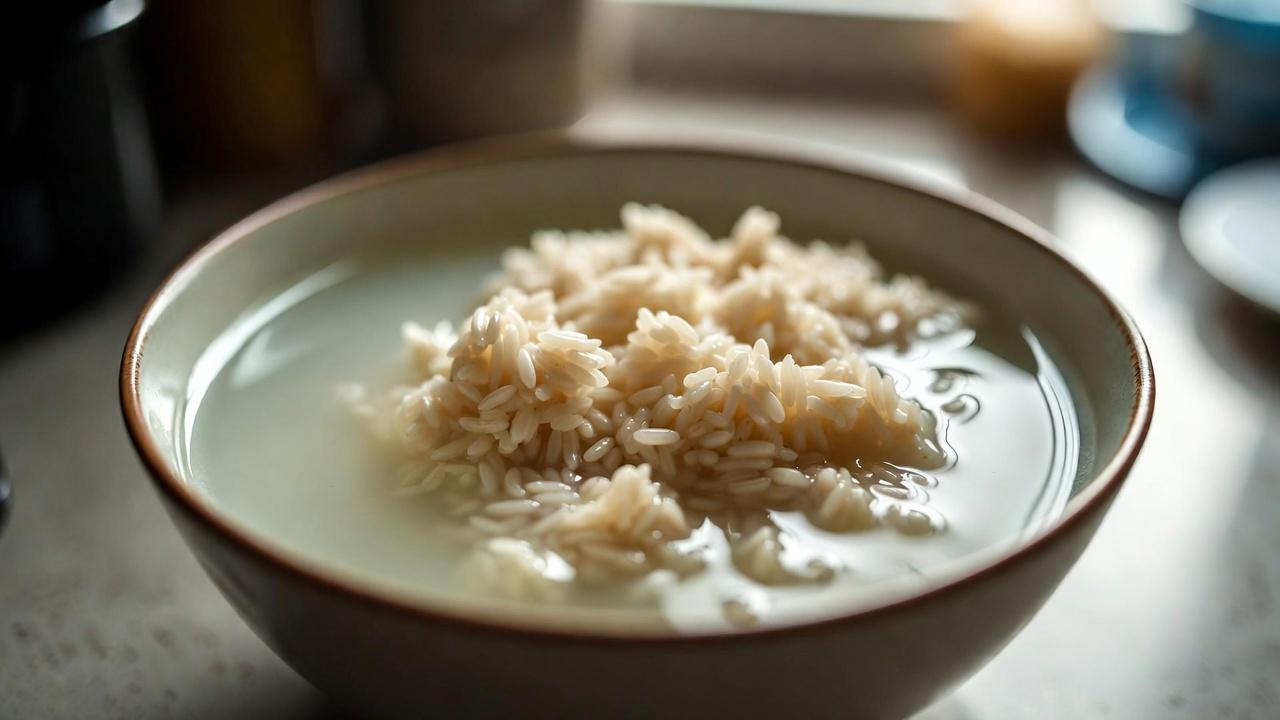
Final Thoughts: Embrace This Gentle Ritual
Incorporating a rice water mask into your routine offers a simple, time-tested way to pamper your skin with natural nourishment. Whether you’re dealing with dullness or just want that extra radiance, this affordable approach draws on both tradition and modern insights.
Give it a try and see how your skin responds—you might be surprised by the soft, luminous results.
Frequently Asked Questions
How often should I use a rice water mask? Most people find 2-3 times per week works well without overdoing it. Listen to your skin and adjust as needed.
Is fermented rice water better than regular? Fermentation may increase certain beneficial compounds, according to some studies, leading to potentially stronger hydration and antioxidant effects—but both versions can be helpful.
Can everyone use rice water on their skin? It’s generally gentle, but always patch test first. If you have allergies or very reactive skin, consult a dermatologist before trying new routines.
Disclaimer: This article is for informational purposes only and not intended as medical advice. The benefits of rice water are based on traditional use and preliminary research; individual results may vary. Consult a healthcare professional or dermatologist before starting any new skincare practice, especially if you have skin conditions or concerns.


