
Many people rely on everyday medications to manage pain, infections, or chronic conditions, but few consider how these drugs might affect their kidneys over time. This oversight can lead to unexpected complications, especially for those with pre-existing health issues like high blood pressure or diabetes, where the kidneys already work harder to filter waste. The good news is that understanding potential risks empowers you to have informed conversations with your healthcare provider and make adjustments as needed.But wait until the end—there’s an unexpected habit that could help safeguard your kidneys even more.

Understanding Kidney Function and Medication Risks
Your kidneys act as the body’s natural filters, removing waste and excess fluids while balancing essential minerals. When medications pass through them, some can interfere with this process, potentially leading to reduced function or other issues. Research from organizations like the National Kidney Foundation highlights that certain drugs, if used improperly, may contribute to these concerns. It’s not about avoiding all meds, but using them wisely.
Factors like dosage, duration, and your overall health play a role. For instance, dehydration or combining multiple drugs can amplify effects.
But that’s not all—let’s dive into specifics.
10 Common Medications That May Affect Kidneys
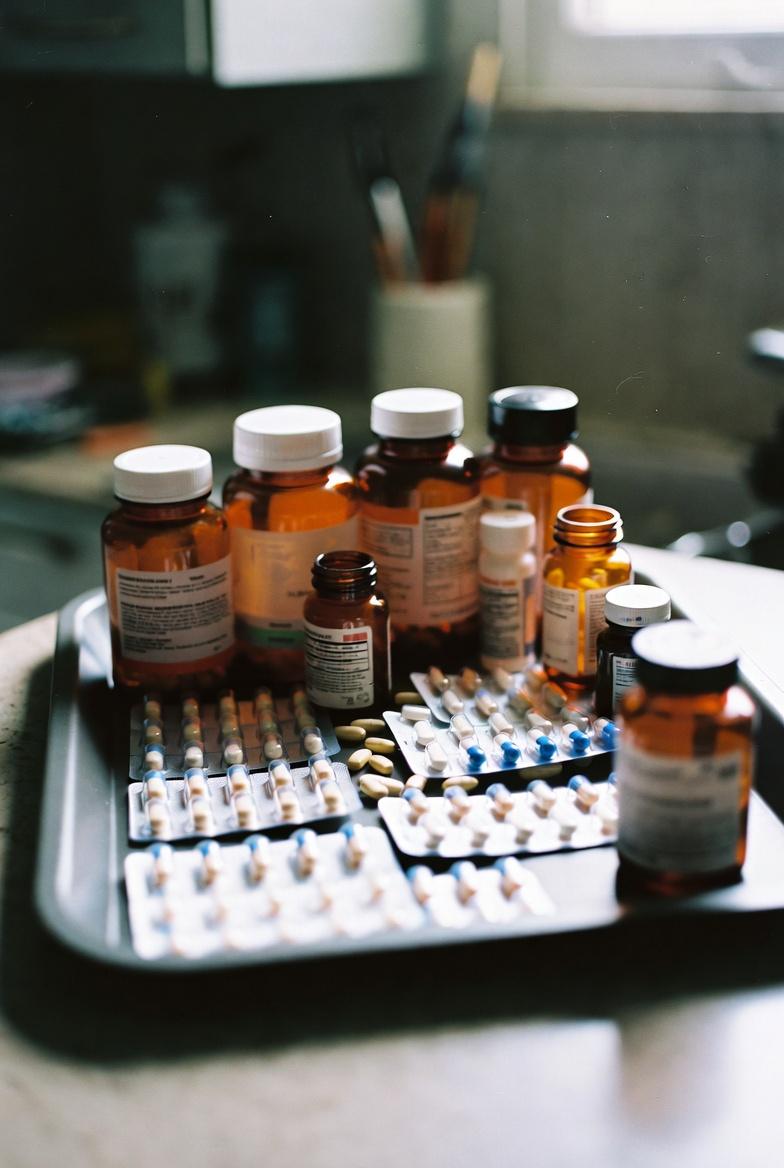
Here are 10 widely used medications or classes that studies have linked to potential kidney impacts. We’ll break them down with what to watch for and tips for safer use.
1. Nonsteroidal Anti-Inflammatory Drugs (NSAIDs)
NSAIDs like ibuprofen (Advil) and naproxen (Aleve) are go-tos for pain and inflammation. They work by blocking enzymes that cause swelling, but this can reduce blood flow to the kidneys.
Studies show long-term or high-dose use may lead to strain, especially in older adults or those with heart conditions. Short-term use is often fine, but chronic reliance isn’t ideal.
Tip: Opt for the lowest effective dose and limit to a few days. Hydrate well when taking them.
2. Acetaminophen (Tylenol)
This pain reliever is safer than NSAIDs for many, but high doses can overwhelm the kidneys’ filtering system.
Research indicates that exceeding recommended amounts, like over 4,000 mg daily, might contribute to issues over time. It’s common in cold meds, so check labels.
Here’s the interesting part: Combining it with alcohol ups the risk further.
Tip: Stick to 3,000 mg max per day if you have kidney concerns. Track all sources.
3. Antibiotics
Certain antibiotics, such as aminoglycosides (gentamicin) or vancomycin, can directly affect kidney cells during filtration.
According to medical reviews, they’re useful for infections but require monitoring in hospital settings. Even common ones like penicillin might cause reactions in sensitive individuals.
Sulfonamides can form crystals blocking urine flow.
Tip: Finish prescribed courses, but report unusual symptoms like reduced urine output promptly.
4. Diuretics (Water Pills)
Diuretics like furosemide (Lasix) help remove excess fluid, often for blood pressure or swelling.
They increase urine production, which can dehydrate you and stress kidneys if not balanced. Loop diuretics are potent and need electrolyte checks.
But here’s a key point: They’re beneficial when monitored.
Tip: Eat potassium-rich foods like bananas if on them, and stay hydrated.
5. Proton Pump Inhibitors (PPIs)
PPIs such as omeprazole (Prilosec) reduce stomach acid for heartburn relief.
Long-term use has been associated with gradual kidney changes in large studies. They might interfere with magnesium levels, indirectly affecting kidneys.
Millions use them daily, but alternatives exist for short-term needs.
Tip: Use for the shortest time possible; try lifestyle changes like smaller meals first.
6. ACE Inhibitors and ARBs
These blood pressure meds, like lisinopril or losartan, protect kidneys in diabetes but can cause drops in filtration rate initially.
In some cases, prolonged use might lead to buildup if kidneys are already compromised. They’re generally safe with regular blood tests.
The truth is, benefits often outweigh risks for many.
Tip: Get routine kidney function tests; don’t stop without doctor advice.
7. Lithium
Used for mood disorders like bipolar, lithium is filtered by kidneys and can accumulate, causing toxicity.
Studies note it may lead to chronic issues with extended use. Blood levels need close watching.
It’s effective, but alternatives are sometimes considered.
Tip: Maintain consistent salt intake and report thirst or tremors early.
8. Radiocontrast Agents (Dyes for Imaging)
These are injected for CT scans or angiograms to enhance images.
They can cause acute drops in kidney function, especially if dehydrated. Risk is higher with diabetes or existing kidney issues.
Procedures are necessary, but precautions help.
Tip: Hydrate before and after; discuss risks with your radiologist.
9. Antiviral Medications
Drugs like acyclovir for herpes can crystalize in kidneys at high doses.
Research shows IV forms pose more risk, but oral is usually okay with hydration. They’re crucial for viral control.
Monitoring urine helps catch issues.
Tip: Drink plenty of water during treatment; adjust doses if needed.
10. Chemotherapy Drugs
Agents like cisplatin fight cancer but are known for nephrotoxicity.
They damage kidney tubules, with effects varying by drug and dose. Oncologists use protective measures.
Survival benefits are key, but kidney care is integrated.
Tip: Follow hydration protocols; get pre-treatment assessments.
Comparing Medication Risks: A Quick Table
To make this clearer, here’s a simple comparison of how these meds might affect kidneys:
| Medication Class | Primary Mechanism | Risk Level (General) | Key Prevention Tip |
|---|---|---|---|
| NSAIDs | Reduces blood flow | Moderate to High | Limit duration |
| Acetaminophen | Overload in high doses | Low to Moderate | Stick to limits |
| Antibiotics | Cell damage/crystals | Varies by type | Monitor symptoms |
| Diuretics | Dehydration | Moderate | Stay hydrated |
| PPIs | Mineral imbalance | Low with short use | Short-term only |
| ACE/ARBs | Filtration changes | Low with monitoring | Regular tests |
| Lithium | Accumulation | High long-term | Blood level checks |
| Contrast Dyes | Acute constriction | High if predisposed | Pre-hydration |
| Antivirals | Crystallization | Moderate | Extra fluids |
| Chemotherapy | Tubule damage | High | Oncologist guidance |
This table isn’t exhaustive but highlights patterns from reliable sources.
Actionable Tips for Protecting Your Kidneys
Knowledge is power, but action makes the difference. Here are practical steps you can take today:
- Consult Your Doctor: Always discuss your full medication list, including over-the-counter ones.
- Stay Hydrated: Aim for 8 glasses of water daily, more if on certain meds.
- Monitor Symptoms: Watch for swelling, fatigue, or changes in urine—report them.
- Get Regular Checkups: Simple blood tests like creatinine can flag early issues.
- Explore Alternatives: For pain, try heat packs or physical therapy first.
And remember, lifestyle factors like a balanced diet low in salt support kidney health too.
But that’s not everything—keep reading for more.
Signs to Watch For and When to Seek Help
Early detection matters. Common signs include persistent back pain, foamy urine, or unusual tiredness.
If you’re on multiple meds, a pharmacist review can spot interactions.
The reality is, most people use these drugs safely, but awareness prevents problems.
Conclusion
Navigating medications doesn’t have to be overwhelming when you’re informed about potential kidney impacts from common drugs like NSAIDs or PPIs. By following tips like hydration and regular checkups, you can minimize risks while benefiting from necessary treatments. Remember that open loop from the start? The surprising habit is incorporating kidney-friendly foods like berries or leafy greens daily—they’re natural supporters according to nutrition studies.
Frequently Asked Questions (FAQ)
What are some natural ways to support kidney health while on medications?
Focus on a diet rich in fruits, vegetables, and whole grains. Stay active and manage weight, as excess pounds can strain kidneys. Always pair this with medical advice.
How often should I get my kidneys checked if I’m on long-term meds?
It depends on your health, but annually or more if at risk. Blood and urine tests are quick and revealing—ask your doctor for a plan.
Can over-the-counter supplements affect kidneys too?
Yes, some like high-dose vitamin C or herbal remedies can. Research shows they filter through kidneys, so consult a professional before starting.
Disclaimer
This article is for informational purposes only and not a substitute for professional medical advice. Consult your healthcare provider for personalized guidance on medications and kidney health.


