
Many people notice their eyesight feeling strained after long hours on screens, reading, or just from everyday aging. Dryness, occasional fatigue, and concerns about long-term eye wellness can make daily life more challenging, especially as we spend more time indoors and exposed to blue light. The good news? Simple dietary choices, like incorporating nutrient-rich vegetables, may offer gentle support for maintaining healthy vision over time.
What if one everyday kitchen staple could contribute antioxidants that help protect your eyes? In this guide, we’ll explore how onions, packed with beneficial compounds, might play a supportive role in eye health when enjoyed as part of a balanced diet. Keep reading to discover practical ways to add them and what emerging research suggests.
Why Onions Are a Nutrient Powerhouse for Overall Wellness
Onions belong to the Allium family and have been valued in traditional diets for centuries. They are low in calories but rich in vitamins, minerals, and plant compounds that support various aspects of health.
One standout component is quercetin, a flavonoid with strong antioxidant properties. Antioxidants help combat oxidative stress, which can affect cells throughout the body, including those in the eyes.
Research suggests that quercetin and other sulfur-containing compounds in onions may contribute to protecting tissues from free radical damage. Studies indicate these nutrients accumulate in the body with regular consumption, potentially offering cumulative benefits.
How Onions May Help Support Eye Health from the Inside Out
Eating onions regularly provides nutrients that reach the eyes through your bloodstream. Here’s what makes them interesting for vision support:
- Rich in Antioxidants: Onions, especially red varieties, contain high levels of quercetin and other flavonoids. These compounds may help reduce oxidative stress, a factor linked to age-related eye changes.
- Sulfur Compounds for Added Protection: The sulfur in onions supports the production of glutathione, an important antioxidant in the body. Glutathione plays a role in maintaining cellular health, including in the lens and other eye structures.
- Potential Anti-Inflammatory Effects: Some studies highlight onions’ natural anti-inflammatory properties, which could indirectly benefit overall eye comfort.
While most evidence comes from animal models or general nutritional research, these findings point to onions as a supportive food rather than a standalone solution.
Here are some key nutrients in onions that align with eye-friendly diets:
- Quercetin (a potent flavonoid antioxidant)
- Vitamin C (supports immune function and collagen in eye tissues)
- Sulfur compounds (aid in glutathione production)
- Trace minerals like selenium (works with vitamin E for cell protection)
Adding onions won’t replace professional eye care, but they fit well into diets recommended by eye health experts for long-term wellness.

Simple Ways to Incorporate Onions into Your Daily Routine
The easiest and safest way to benefit from onions is through food. Eating them raw, cooked, or lightly prepared preserves their nutrients.
Try these practical tips to add more onions today:
- Start your day with a veggie omelet topped with chopped red onions for a quercetin boost.
- Add sliced onions to salads, sandwiches, or wraps for crunch and flavor.
- Sauté onions as a base for soups, stir-fries, or stews—they become milder when cooked.
- Include them in homemade salsas or guacamole for a fresh twist.
- Roast whole onions with herbs for a simple side dish that maximizes natural sweetness.
Aim for a variety of colorful onions (red, yellow, white) to get a broader range of compounds. Consistency matters—regular inclusion in meals may help your body make the most of these nutrients.
What Science Says About Onions and Eye Support (With Caution)
Several animal studies have explored onion compounds and eye health. For example, research on rats has shown that certain preparations may influence factors like tear production or corneal structure in aging models. Other lab work points to preventive effects in experimental conditions due to antioxidant activity.
However, these are preliminary findings, often from animal or lab settings, and human studies are limited. Experts emphasize that while onions provide valuable nutrients, there’s no strong evidence for dramatic vision improvements from any single food.
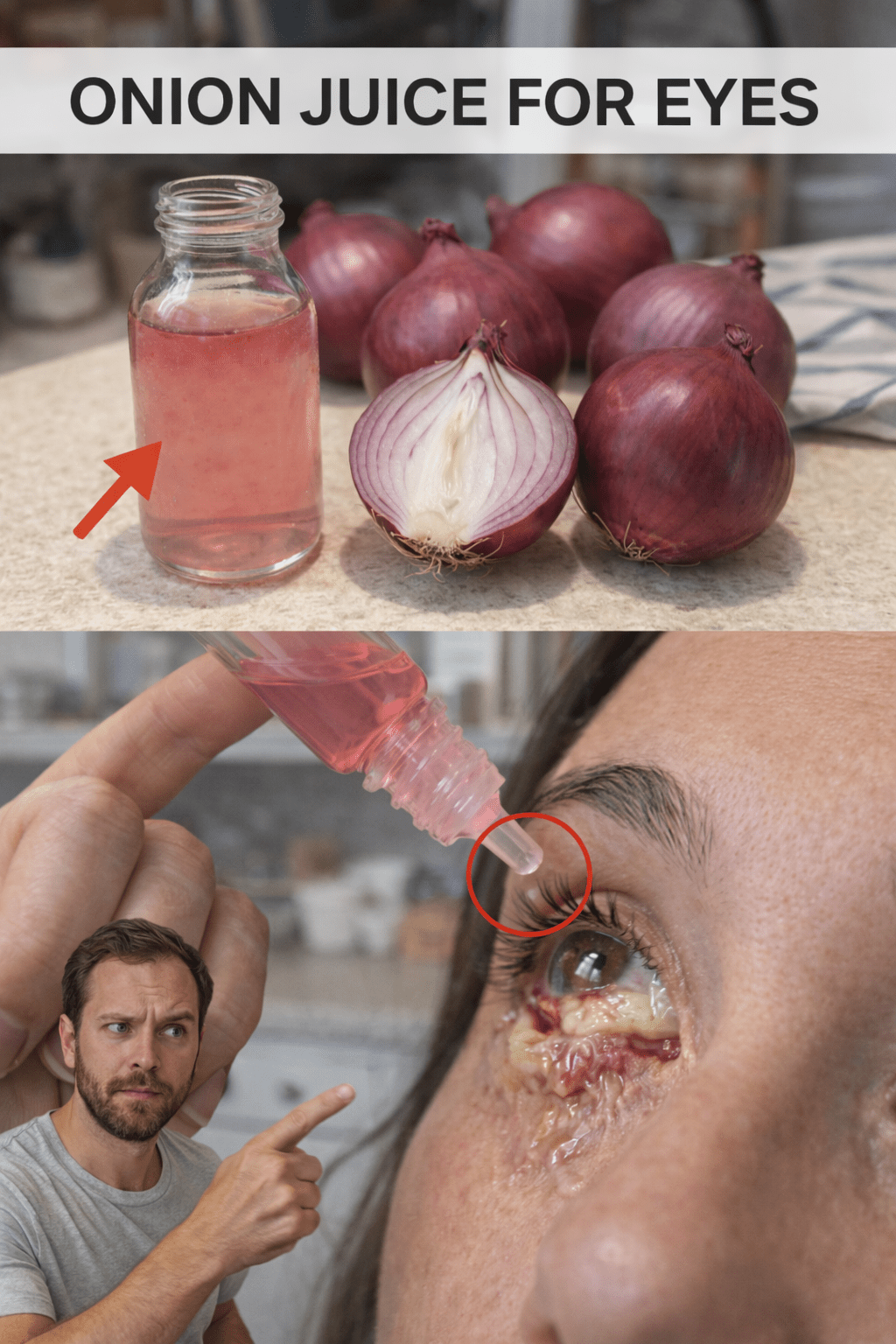
Importantly, applying onion juice directly to the eyes (as eye drops) is not recommended. Onions contain irritants that cause tearing when cut, and direct contact can lead to significant discomfort, redness, or potential harm. Always stick to eating onions as food for any potential supportive benefits.
More Natural Habits to Pair with Onions for Eye Wellness
Onions work best as part of a bigger picture. Combine them with these evidence-based habits:
- Eat a rainbow of fruits and veggies (leafy greens, carrots, berries).
- Stay hydrated to support tear production.
- Follow the 20-20-20 rule during screen time.
- Wear sunglasses outdoors to block UV rays.
- Get regular eye exams to monitor changes early.
These small steps add up to better long-term eye comfort.

Conclusion: A Simple Addition for Everyday Eye Support
Onions offer a flavorful, accessible way to boost your intake of eye-friendly antioxidants and nutrients. By making them a regular part of your meals, you can support overall wellness naturally and deliciously. While they aren’t a miracle fix, their compounds align with what nutrition experts recommend for healthy vision.
Start small—try adding onions to one meal today—and notice how easy it is to enhance your diet.
FAQ
1. Are red onions better than white onions for eye health? Red onions tend to have higher quercetin levels, making them a great choice, but all varieties offer benefits. Mix them up for variety.
2. How much onion should I eat daily to notice potential support? There’s no exact amount, but including about half a medium onion a few times a week in meals is a practical way to enjoy the nutrients without overdoing it.
3. Can onions help with dry eyes? Onions support general antioxidant intake, but dry eyes often need hydration, proper blinking, and professional advice. Dietary onions are just one piece of the puzzle.
Disclaimer: This article is for informational purposes only and does not constitute medical advice. The information here is based on general nutritional research and not intended to diagnose, treat, prevent, or cure any condition. Always consult an eye care professional or healthcare provider before making changes to your diet or routine, especially if you have existing eye concerns. Individual results may vary.


