
As we navigate through life, many of us notice subtle changes like reduced energy or skin that feels less vibrant, which can make us feel frustrated and disconnected from our youthful selves. These shifts often stem from accumulated daily stresses and overlooked routines that quietly impact our well-being over time. But imagine incorporating small, manageable tweaks that could help nurture your body’s natural processes—simple steps backed by general research on lifestyle factors. Stick around, because by the end, I’ll reveal an unexpected habit that ties everything together for lasting vitality.
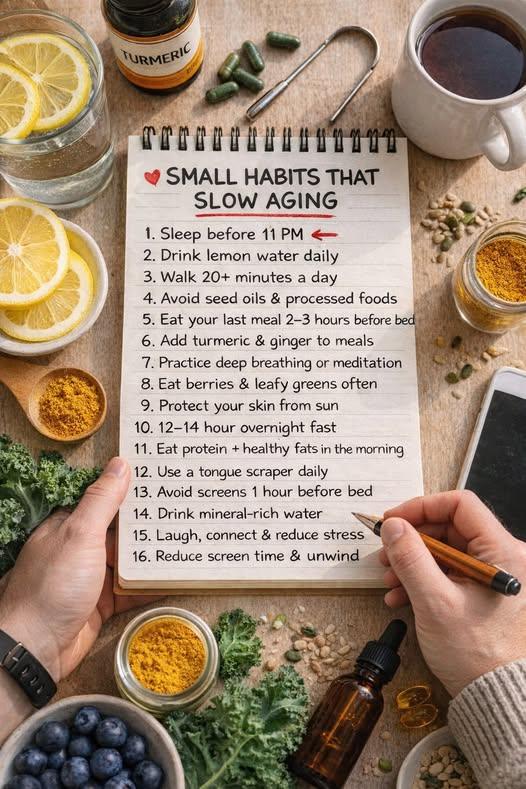
Why Small Habits Matter for Long-Term Well-Being
Small changes in daily routines can add up significantly. Research from institutions like the National Institutes of Health suggests that consistent lifestyle choices play a role in how our bodies handle everyday wear and tear.
But that’s not all. When we focus on these habits, we’re essentially giving our systems a gentle boost. Think of it like tending a garden—regular care leads to better growth.
This approach isn’t about drastic overhauls. Instead, it’s about sustainable actions that fit seamlessly into your day.
Start Your Day with Nourishing Choices
Incorporate Protein and Healthy Fats in the Morning
Beginning your morning with a meal that includes protein and healthy fats can set a positive tone. Sources like eggs, nuts, or avocados provide essential nutrients.
Try this: Scramble two eggs with spinach and a handful of almonds. This simple combo takes just minutes to prepare.
Studies from nutritional reviews indicate that such breakfasts may help maintain steady energy levels throughout the day.
Drink Lemon Water Daily
A glass of warm lemon water first thing can be a refreshing ritual. Lemons offer vitamin C, which supports various bodily functions.
Here’s how: Squeeze half a lemon into 8 ounces of warm water. Sip it slowly before breakfast.
General wellness guidelines often highlight hydration’s importance, and adding lemon makes it more enjoyable.

Build Movement into Your Schedule
Walk 20+ Minutes a Day
Getting outside for a brisk walk can invigorate your routine. Aim for at least 20 minutes, perhaps during lunch or after dinner.
Make it actionable: Track your steps with a phone app. Start with short loops around your neighborhood.
Exercise physiology research shows that regular walking contributes to cardiovascular health and overall mobility.
Practice Deep Breathing or Meditation
Taking time for deep breaths or a short meditation session can center your mind. Even five minutes daily counts.
Step-by-step: Sit comfortably, inhale deeply for four counts, hold, then exhale slowly. Repeat several times.
Mindfulness studies from sources like Harvard Health suggest this practice may aid in managing daily tensions.
Optimize Your Evening Wind-Down
Eat Your Last Meal 2-3 Hours Before Bed
Giving your digestive system a break before sleep is a smart move. Finish dinner early to allow proper rest.
Practical tip: Plan meals so your last one ends by 7 PM if bedtime is 10 PM.
Digestive health experts note that this timing aligns with natural body rhythms.
Avoid Screens 1 Hour Before Bed
Dimming digital devices an hour before sleep helps signal rest time. Blue light from screens can disrupt patterns.
Instead: Read a book or journal. This transition eases you into relaxation.
Sleep research from the Sleep Foundation indicates better rest quality without late-night screen exposure.
Sleep Before 11 PM
Aiming for bedtime before 11 PM allows for more restorative cycles. Consistency here is key.
Routine idea: Set a gentle alarm reminder. Wind down with herbal tea.
Circadian rhythm studies emphasize the benefits of earlier sleep schedules for recovery.

Focus on Nutrient-Rich Foods
Add Turmeric or Ginger to Meals
Spicing up dishes with turmeric or ginger adds flavor and potential benefits. These roots are common in many cuisines.
Easy integration: Grate fresh ginger into stir-fries or brew turmeric tea.
Antioxidant research in journals like Phytotherapy Research explores their roles in daily diets.
Eat Berries and Dark Leafy Greens Often
Berries like blueberries and greens such as kale pack vitamins and fiber. Include them in smoothies or salads.
Quick recipe: Blend berries with yogurt for a snack. Add greens to lunches.
Nutritional studies from the USDA highlight their contributions to a balanced intake.
Avoid Seed Oils and Processed Foods
Opting for whole foods over processed items can simplify your diet. Choose olive oil or butter instead.
Swap guide: Use avocado oil for cooking. Read labels to skip additives.
Dietary guidelines from health organizations recommend minimizing ultra-processed options.
Embrace Protective and Restorative Practices
Protect Your Skin from Sun Exposure
Shielding skin from excessive sun is a basic step. Use hats, clothing, or seek shade during peak hours.
Daily habit: Apply broad-spectrum sunscreen if outdoors. Reapply as needed.
Dermatology associations stress consistent protection for skin maintenance.
Fast 12-14 Hours Overnight (Intermittent Fasting)
Extending the gap between dinner and breakfast to 12-14 hours is a form of time-restricted eating.
How to start: If dinner is at 7 PM, breakfast at 9 AM works. Listen to your body.
Metabolism research in publications like the New England Journal of Medicine discusses fasting windows.
Use a Tongue Scraper Daily
A quick tongue scrape in the morning promotes oral hygiene. It’s an ancient practice now widely recommended.
Method: Gently scrape from back to front. Rinse afterward.
Oral health studies suggest it may reduce bacteria buildup.
Hydrate and Connect for Balance
Drink Mineral-Rich Water
Choosing water with natural minerals enhances hydration. Options include spring water or adding a pinch of sea salt.
Tip: Carry a reusable bottle. Aim for consistent sips.
Hydration experts note minerals’ role in electrolyte balance.
Laugh, Connect, and Reduce Stress
Prioritizing laughter and social ties fosters emotional health. Call a friend or watch a comedy.
Action step: Schedule weekly meetups. Practice gratitude journaling.
Psychological research from the American Psychological Association links social connections to well-being.
But here’s the interesting part: Combining these habits creates synergy. For instance, walking while connecting with others amplifies benefits.
Comparing Key Habits for Easy Adoption
Here’s a simple table to compare some habits and their potential focus areas:
| Habit | Time of Day | Key Focus Area | Ease of Start (1-5) |
|---|---|---|---|
| Morning Protein Meal | Morning | Energy Boost | 4 |
| Daily Walk | Anytime | Movement | 5 |
| Evening Screen Avoid | Evening | Rest Preparation | 3 |
| Add Spices to Meals | Meals | Nutrition | 4 |
| Deep Breathing | Anytime | Mind Calm | 5 |
This breakdown helps prioritize based on your schedule.
Additional Tips to Enhance Your Routine
- Bullet List of Quick Wins: Start small—pick three habits this week. Track progress in a journal. Adjust as needed for sustainability.
- Overcoming Common Hurdles: If motivation dips, pair habits like walking with podcasts. This makes them enjoyable.
Sustainability is crucial. General wellness literature encourages gradual integration.
Wrapping It Up: Your Path Forward
Incorporating these small daily habits can be a thoughtful way to support your body’s natural rhythms. From morning nourishment to evening calm, each step builds toward greater vitality. Remember that unexpected habit I mentioned? It’s laughter—infusing joy ties all elements together, creating a holistic approach.
Frequently Asked Questions
What if I can’t stick to all these habits right away? Start with one or two that feel easiest, like drinking lemon water or walking. Build gradually to avoid overwhelm, as consistency matters more than perfection.
Are there any age-specific considerations for these habits? These suggestions are general and can apply across ages, but consult a healthcare provider for personalized advice, especially if you have existing conditions.
How soon might I notice changes from these habits? Individual experiences vary, but many report feeling more energized within weeks. Focus on long-term commitment for sustained benefits.
Please note: This article provides general information and is not a substitute for professional medical advice. Always consult with a healthcare provider before making significant changes to your routine.


