
As we age into our 50s, 60s, and beyond, maintaining good circulation becomes a key part of feeling energetic and staying active in daily life. Many people notice subtle changes like occasional fatigue or discomfort in their legs after long periods of sitting, which can stem from everyday factors such as diet and lifestyle habits. These small shifts can add up over time, making it harder to enjoy walks in the park or keep up with grandchildren without feeling worn out. But incorporating certain nutrient-rich foods into your routine might help promote smoother blood flow naturally—stick around to uncover a surprising fruit at the end that could become your new favorite addition.
Understanding Blood Circulation and Aging
Blood circulation plays a vital role in delivering oxygen and nutrients throughout your body. As we get older, factors like reduced activity levels or dietary choices can influence how efficiently this system works.
Research from organizations like the American Heart Association suggests that a diet high in fruits and vegetables supports overall cardiovascular health. This isn’t about quick fixes but building sustainable habits.
But that’s not all—let’s explore how specific fruits might contribute to this.
Why Fruits Matter for Healthy Blood Flow
Fruits are packed with vitamins, antioxidants, and fiber that can aid in maintaining vascular health. For instance, antioxidants help combat oxidative stress, which is linked to aging processes.
Studies published in journals like the Journal of Nutrition indicate that regular fruit consumption is associated with better endothelial function, the lining of blood vessels.
Here’s the interesting part: Not all fruits are created equal when it comes to circulation support.
Top 14 Fruits to Consider Adding to Your Diet
Let’s break this down fruit by fruit. Each one offers unique nutrients that may help with blood flow. Remember, these are general suggestions—consult a healthcare professional for personalized advice.
1. Papaya
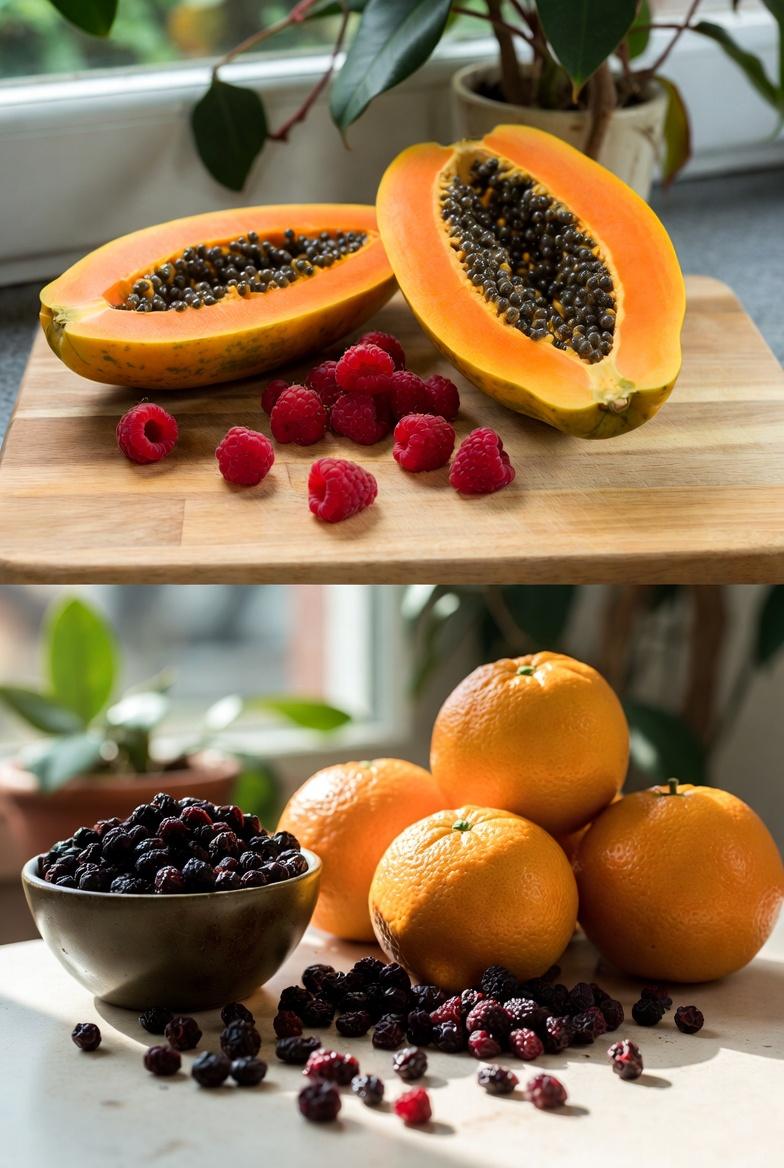
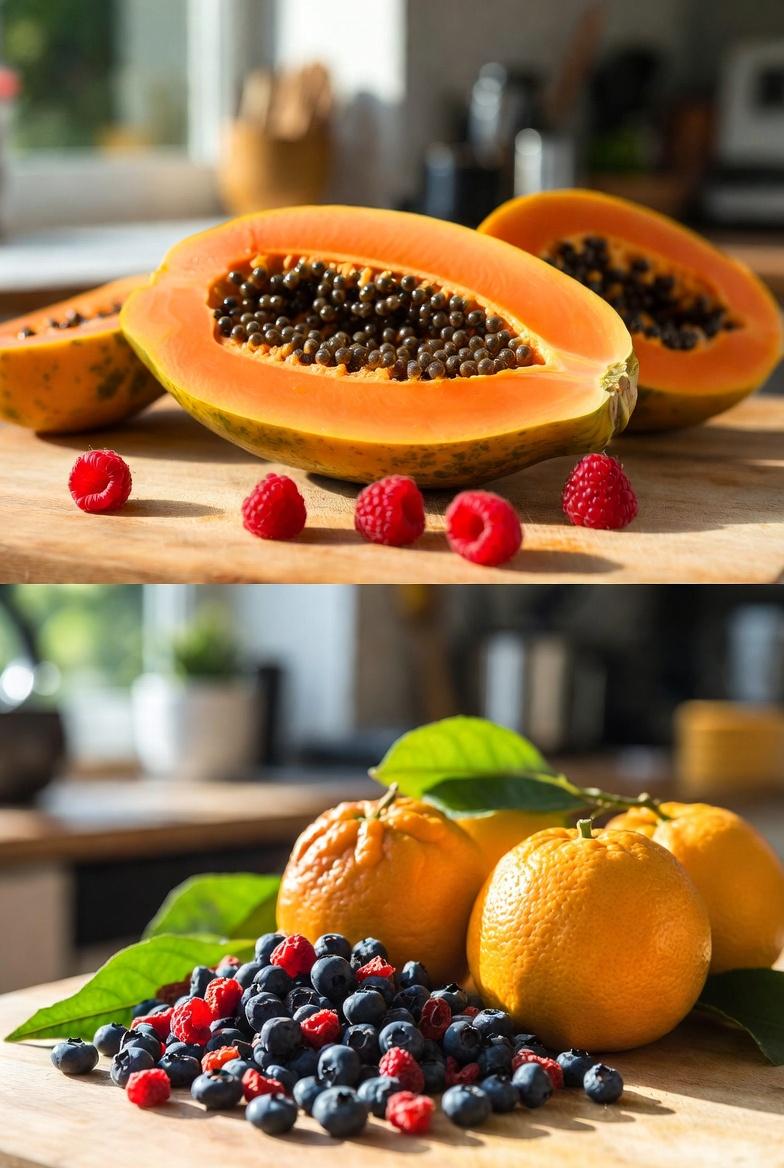
Papaya contains papain, an enzyme that supports digestion and may aid in nutrient absorption. It’s also rich in vitamin C, which is known for its role in collagen production for blood vessel walls.
Try slicing fresh papaya into your morning yogurt. Start with half a fruit per day.
2. Raspberries
These berries are loaded with flavonoids, compounds that research shows can support vascular relaxation. A study in the American Journal of Clinical Nutrition linked berry intake to improved circulation markers.
Blend them into smoothies for an easy boost. Aim for a handful daily.
3. Blueberries
Blueberries boast anthocyanins, pigments that give them their color and may help maintain flexible blood vessels. Harvard Health reports that regular berry consumption correlates with heart health benefits.
Sprinkle them on oatmeal. One cup provides a good serving.
4. Strawberries
High in vitamin C and potassium, strawberries can contribute to balanced fluid levels in the body. Potassium helps regulate blood pressure, indirectly supporting circulation.
Eat them fresh or frozen. Two to three per snack works well.
5. Oranges
Oranges provide hesperidin, a flavonoid that studies suggest supports blood vessel function. The citrus family is often recommended for its immune and vascular benefits.
Peel and segment one daily. Juice them sparingly to avoid added sugars.
6. Lemons
Lemons offer citric acid and vitamin C, which may assist in detoxification processes. Adding lemon to water can encourage hydration, essential for blood flow.
Squeeze into warm water each morning. Use half a lemon.
7. Pineapple
Bromelain in pineapple is an enzyme that might help with protein breakdown. It’s also anti-inflammatory, per research in Biomedical Reports.
Chop into salads. A few rings per week suffice.
8. Kiwi
Kiwi is a vitamin E powerhouse, an antioxidant that protects cell membranes. A New Zealand study found kiwi consumption linked to better platelet function.
Slice two kiwis for breakfast. They’re easy to pack.
9. Apples
The saying “an apple a day” has merit—apples contain quercetin, which may support endothelial health. Fiber in apples aids cholesterol management.
Choose organic if possible. Eat one whole with skin.
10. Bananas
Potassium-rich bananas help maintain electrolyte balance. Low potassium can affect muscle and vessel function.
Mash into toast. One medium banana daily.
11. Grapes
Resveratrol in grapes, especially red varieties, is studied for its vascular benefits. Wine gets the hype, but whole grapes are healthier.
Freeze for snacks. A small bunch per day.
12. Pomegranate
Pomegranates have punicalagins, antioxidants that research in Atherosclerosis journal ties to improved blood flow.
Drink diluted juice or eat seeds. Half a fruit weekly.
13. Avocado
Though creamy, avocados offer healthy fats and vitamin K, which supports coagulation balance.
Spread on toast. Half an avocado per serving.
14. Tomatoes
Technically a fruit, tomatoes provide lycopene, linked to heart health in multiple studies. Cooked forms enhance absorption.
Add to sauces. Two medium tomatoes daily.
How to Incorporate These Fruits into Your Daily Routine
Making changes doesn’t have to be overwhelming. Start small for lasting results.
Here’s a simple step-by-step guide:
- Step 1: Assess your current diet. Note how many fruits you eat weekly.
- Step 2: Pick 3-5 from the list to try first. Shop for fresh or frozen options.
- Step 3: Experiment with recipes. Smoothies, salads, or snacks work best.
- Step 4: Track how you feel after a week. Adjust as needed.
But wait, there’s more—combining fruits can amplify benefits.
Potential Benefits Backed by Science
General research supports fruit intake for circulation. For example:
| Fruit | Key Nutrient | Potential Benefit |
|---|---|---|
| Papaya | Vitamin C | Supports vessel strength |
| Raspberries | Flavonoids | Aids relaxation |
| Blueberries | Anthocyanins | Maintains flexibility |
| Oranges | Hesperidin | Enhances function |
This table highlights just a few—studies vary, but patterns show positive associations.
The truth is, consistency matters more than quantity.
Common Myths About Fruits and Circulation
Myth: Eating fruits alone fixes everything. Reality: They’re part of a balanced lifestyle.
Another myth: Sugary fruits are bad. Fact: Natural sugars come with fiber, moderating impact.
This leads us to the surprise I promised earlier.
The Surprising Fruit You Might Overlook
While all 14 are great, papaya stands out for its enzyme content, often underappreciated in Western diets. Native to tropical regions, it’s versatile and affordable.
Try a papaya smoothie recipe: Blend with yogurt and berries. Simple, yet effective.
Conclusion
Incorporating these 14 fruits into your diet could be a tasty way to support healthy blood circulation as you age. Focus on variety and enjoyment for the best results. Remember, small habits lead to big changes over time.
FAQ
What are some easy ways to eat more fruits daily? Start with fruit-based breakfasts like smoothies or topped yogurt. Snack on whole fruits mid-day, and add them to salads for dinner.
Can fruits interact with medications? Some, like grapefruit, can affect certain drugs. Always check with your doctor if you’re on blood thinners or other meds.
How much fruit should seniors eat? Aim for 2-3 servings per day, but adjust based on your health needs and calorie intake.
This article is for informational purposes only and not intended as medical advice. Consult a healthcare provider before making dietary changes.


