
After hours of staring at screens, reading, or dealing with daily strain, many of us feel that familiar heaviness in our eyes, along with dryness, mild irritation, or just overall fatigue that makes focusing feel like a chore. These everyday discomforts build up quietly, affecting concentration, mood, and even sleep quality over time. While rest and good habits help, people often look for gentle, natural ways to support relaxation and comfort around the eyes. That’s where a humble plant like Euphorbia hirta comes in—long valued in traditional practices for its potential soothing qualities. But here’s the intriguing part: its story goes beyond viral claims, revealing centuries of cultural use that might surprise you as we explore safe, informed approaches later in this article.
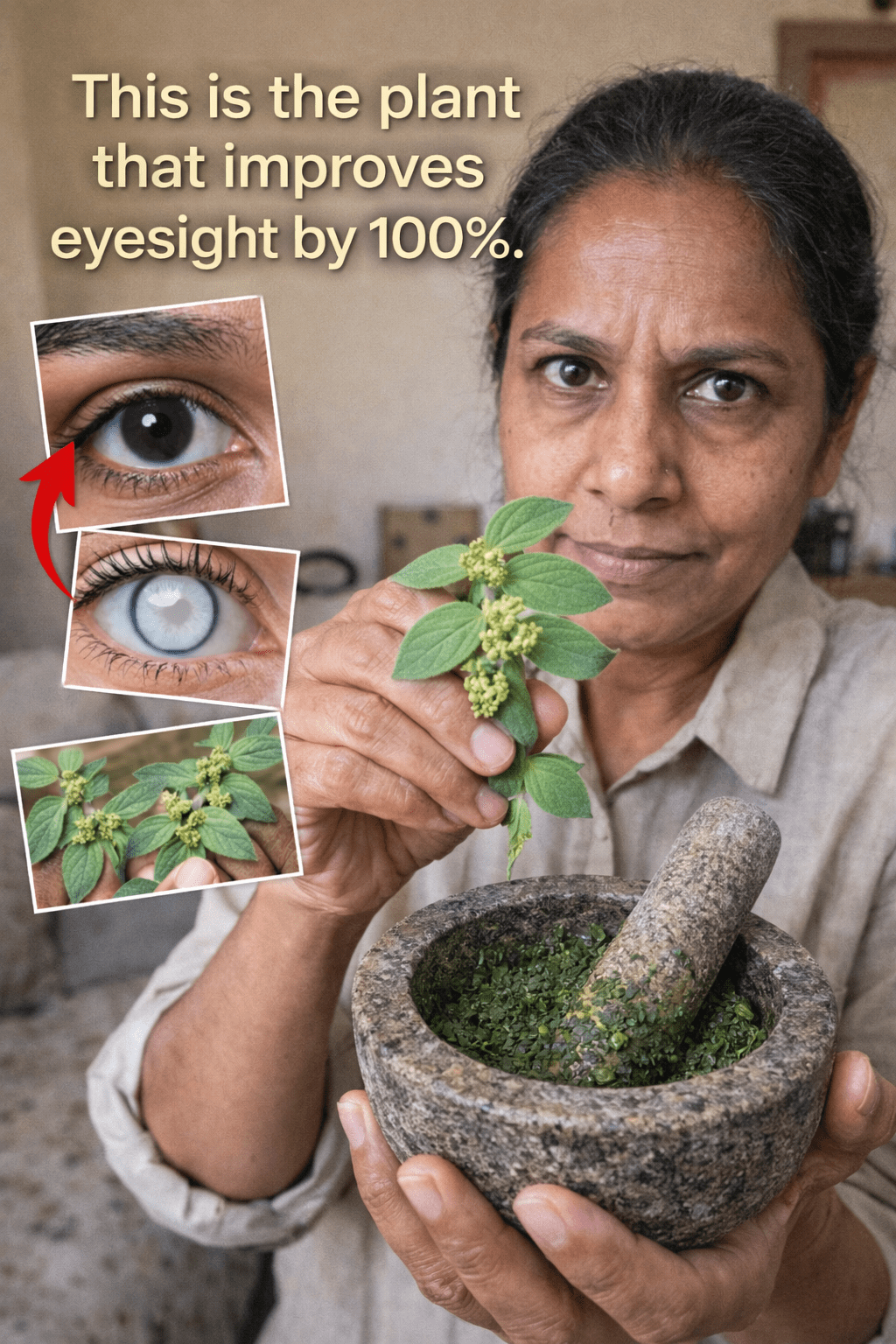
What Is Euphorbia hirta? Meet the Everyday Herb Known as Asthma Weed
Euphorbia hirta, commonly called asthma weed, tawa-tawa, or garden spurge, is a small annual herb from the Euphorbiaceae family. It grows wild in tropical and subtropical regions, including parts of Asia, Africa, and the Americas, often appearing in gardens, roadsides, farmlands, and disturbed soils.
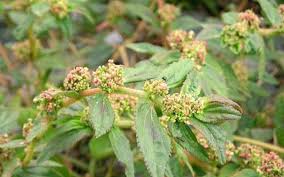
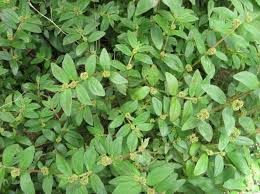
You can recognize it by these key features:
- Small, oval leaves with a slightly hairy texture
- A distinctive reddish vein running down the center of each leaf
- Tiny clustered flowers
- Pinkish or reddish stems
- Milky white latex (sap) that appears when the stem or leaf is broken
This low-growing plant spreads up to about 40 cm and thrives in warm, slightly moist conditions. Its unassuming look makes it easy to overlook, yet it has earned a place in traditional herbal practices across cultures.
Why Traditional Practices Have Valued This Plant for Eye Comfort
In various traditional systems, particularly in parts of Asia and Africa, Euphorbia hirta has been noted for its cooling and soothing properties. Folklore and generational knowledge often link it to supporting relaxation around the eyes, especially for everyday visual fatigue or minor external discomforts.
Research reviews highlight its traditional mentions for conditions like conjunctivitis symptoms or eyelid concerns, usually through external preparations rather than direct eye application. Importantly, the plant’s milky sap belongs to the Euphorbia family, known for potential irritants, so traditional methods always emphasize careful, external use only.
The Science Behind Its Potential Supportive Properties
Modern studies have explored the plant’s natural compounds, including flavonoids, phenolic compounds, and terpenoids. Laboratory research suggests promising antioxidant activity, which may help protect cells from everyday oxidative stress, and anti-inflammatory effects in various models.
For example, ethanolic extracts have shown the ability to reduce nitric oxide production and influence inflammatory pathways in cell studies. These findings align with why some traditional uses focus on soothing qualities, though more human clinical research is needed to fully understand its role.
But that’s not all—the real value lies in how people have applied it thoughtfully over time.
Traditional Approaches to Using Euphorbia hirta for Relaxation Support
Here are some commonly mentioned external methods from traditional practices (always prioritize safety and consult a professional):
- Warm leaf compress — Gently wash fresh leaves, warm them slightly (not hot), and place on closed eyelids for 10–15 minutes to encourage muscle relaxation after long days.
- Mild herbal infusion — Prepare a very diluted tea from the aerial parts for occasional internal support of overall vitality, which may indirectly benefit comfort.
- Gentle leaf paste — Crush clean leaves into a soft paste and apply sparingly to temples or around (never in) the eyes for a cooling sensation.
These approaches focus strictly on external, cautious use to minimize any risk from the sap.
Here’s a quick comparison of these traditional options:
- Warm compress: Ideal for fast relaxation post-screen time
- Herbal infusion: Supports general balance when used occasionally
- Paste application: Targets mild external areas with cooling effect
How to Explore This Plant Safely and Responsibly
If you’re interested in learning more, start with these practical steps:
- Identify accurately — Check for hairy leaves, reddish veins, and milky sap to ensure correct plant.
- Test for sensitivity — Apply a small amount externally on skin first and wait 24 hours.
- Source carefully — Use only clean, pesticide-free plants from trusted areas; wash thoroughly.
- Combine with proven habits — Pair any exploration with the 20-20-20 rule: every 20 minutes, look 20 feet away for 20 seconds.
- Seek expert input — Consult a knowledgeable herbalist or healthcare provider before trying.
These guidelines promote responsible curiosity while respecting the plant’s natural potency.
Why Viral Claims About Dramatic Vision Changes Miss the Mark
In recent years, social media has spread exaggerated stories promising huge improvements in eyesight. While these posts spark interest due to the plant’s accessibility, they overlook the importance of evidence-based eye care. No herb can replace professional advice for vision concerns, and true comfort often comes from balanced, everyday habits.
Final Thoughts: Appreciating Nature’s Subtle Support
Euphorbia hirta may seem like just another weed, but its enduring place in traditional wellness highlights nature’s gentle ways to encourage relaxation and comfort. With its studied antioxidant and anti-inflammatory potential, it offers an interesting topic for those exploring natural supportive options—always as a complement to proven routines and expert guidance.
Frequently Asked Questions (FAQ)
Is Euphorbia hirta safe for topical use around the eyes? Traditional external applications appear generally well-tolerated in folklore, but the sap can cause irritation in sensitive individuals. Always patch test and avoid direct eye contact.
Can this plant help with permanent vision improvement? There is no scientific evidence to support claims of restoring or dramatically improving eyesight. It may offer supportive relaxation in traditional contexts, but see an eye care professional for any vision issues.
Where does Euphorbia hirta typically grow? It grows wild in tropical areas worldwide, including roadsides and gardens, but forage responsibly or source from reputable suppliers.
Disclaimer: This article is for informational purposes only and not a substitute for professional medical advice. Consult a qualified healthcare provider before using any herbal remedy, especially for eye-related concerns. Individual results vary, and some plants may cause irritation or allergic reactions. Never apply anything directly into the eyes without expert supervision.


