
Many women notice small changes in their bodies every day and brush them off as stress, aging, or just part of life. But some of these subtle shifts can sometimes point to something more serious, like certain types of cancer. Ignoring them for too long can make early detection harder. The good news is that paying attention to your body and talking to a doctor about anything unusual can make a real difference. In this guide, we’ll explore 14 often-overlooked signs that research from trusted sources like the American Cancer Society, Mayo Clinic, and MD Anderson highlights as worth checking out — and one surprising habit at the end might help you stay more aware than ever.

Why These Signs Matter More Than You Think
These changes are frequently linked to common conditions, which is why they get dismissed so easily. Studies show that early awareness leads to better outcomes when issues are caught sooner. But here’s the part that surprises most women: many of these signs are quiet at first, and by the time they feel “big,” time may have passed. Keep reading to learn what to watch for — and the one simple step that could change everything for your health monitoring.
1. Abnormal Vaginal Bleeding or Spotting
One of the most common yet overlooked signs involves changes in vaginal bleeding. This includes bleeding between periods, heavier-than-usual flows, bleeding after sex, or any spotting after menopause. Organizations like the CDC and American Cancer Society note that abnormal vaginal bleeding is a key warning sign for gynecologic cancers, including endometrial, cervical, and others. If you’ve noticed this persisting for more than a couple of weeks, it’s worth discussing with your doctor right away.
2. Unusual Vaginal Discharge
Changes in discharge — such as watery, bloody, or foul-smelling — can sometimes be dismissed as an infection. However, persistent unusual discharge is frequently mentioned in guidelines from reliable health sources as something to evaluate, especially when paired with other changes.
3. Persistent Bloating or Feeling Full Quickly
Many women experience occasional bloating, but if it lasts for weeks, feels constant, or comes with early satiety (feeling full after small meals), it could be noteworthy. Research from cancer organizations points to this as a possible indicator for ovarian cancer, where bloating doesn’t improve with diet changes.
4. Breast Changes You Might Not Notice at First
Subtle shifts like dimpling, redness, nipple discharge (other than breast milk), or skin texture changes (like orange-peel appearance) are often ignored because they seem minor. Breast self-awareness is key — regular checks can help spot these early.
Here are a few breast-related changes to monitor:
- New lumps or thickening
- Nipple inversion or discharge
- Skin changes on the breast
- Persistent pain in one area
5. Unexplained Weight Loss
Losing 10 pounds or more without trying or changing your diet/exercise can feel like a “bonus” at first. But multiple studies indicate unexplained weight loss as a general sign that warrants attention, as the body may be using energy differently.
6. Constant Fatigue That Doesn’t Improve
Everyone gets tired, but extreme fatigue that lingers despite rest is different. Health experts explain that this can occur when the body is working harder, and it’s one of the most reported yet dismissed symptoms across various cancers.
7. Changes in Bowel or Bladder Habits
Persistent constipation, diarrhea, narrower stools, or frequent urination without infection can be subtle. These are often linked to gastrointestinal or gynecologic issues and should be checked if they last more than a few weeks.
8. Pelvic or Abdominal Pain That Lingers
Ongoing pelvic pressure or pain that isn’t tied to your cycle can be easy to attribute to monthly discomfort. Yet, sources like UCSF Health highlight this as a potential flag for gynecologic cancers when persistent.
9. Persistent Cough or Hoarseness
A cough that won’t go away, especially with chest discomfort, is sometimes blamed on allergies or a cold. If it lasts weeks, it’s important to have it evaluated.
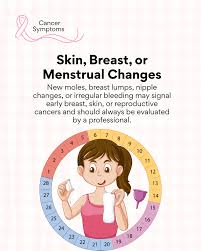
10. Skin Changes or New Moles
Any new growths, changes in existing moles, or unexplained skin alterations (like yellowing or darkening) deserve attention. Skin changes can appear in various forms and are worth monitoring.
11. Difficulty Swallowing or Persistent Indigestion
Ongoing trouble swallowing or indigestion that doesn’t respond to over-the-counter remedies can be subtle but significant.
12. Frequent Infections or Fevers
Recurrent infections or unexplained low-grade fevers may indicate the immune system is under stress.
13. Unexplained Pain in Bones or Joints
Aching that persists without injury could be noteworthy in some cases.
14. Nail Changes Like Dark Lines
A vertical dark streak under the nail that appears suddenly can sometimes be overlooked. While often benign, any new pigmented line (especially if widening) should prompt a check with a dermatologist.

What You Can Do Right Now: Simple Steps for Better Awareness
Staying proactive doesn’t have to be overwhelming. Here’s a quick action plan:
- Track changes: Use a health journal or app to note anything new for 2–4 weeks.
- Schedule regular check-ups: Follow recommended screenings like mammograms, Pap tests, or pelvic exams based on your age and risk.
- Know your normal: Pay attention to your body’s baseline so changes stand out.
- Talk openly: Share concerns with your doctor — even if they seem small.
But that’s not all… there’s one everyday habit that many women overlook, yet it can dramatically improve how quickly you spot these signs.
The Surprising Habit That Could Make All the Difference
The one habit? Performing regular self-exams and body checks consistently — like monthly breast awareness and noting cycle patterns. Research shows women who stay in tune with their bodies report changes earlier, leading to timely conversations with healthcare providers. Start small: set a phone reminder once a month to review any shifts.
Conclusion
Your body often gives quiet signals when something isn’t quite right. While these 14 signs are commonly overlooked, noticing them early and seeking professional advice can provide peace of mind or prompt necessary next steps. Stay kind to yourself — awareness is empowering.
FAQ
What should I do if I notice one of these signs?
See your doctor if any change persists for more than a few weeks or feels unusual for you. Early discussions often lead to simple explanations or reassurance.
Are these signs always cancer?
No — most are caused by non-serious conditions. But persistent changes deserve evaluation for your peace of mind.
How often should women get screened for common cancers?
Follow guidelines from trusted organizations: mammograms starting around age 40–50, Pap/HPV tests for cervical screening, and discuss personal risk factors with your doctor.
Disclaimer
This article is for informational purposes only and is not a substitute for professional medical advice. Always consult a qualified healthcare provider for any health concerns or symptoms. Early detection through regular check-ups and screenings is important, but only a doctor can provide a proper evaluation.


