
Many people feel the daily strain of maintaining balanced energy levels and supporting cardiovascular wellness as they age. Busy schedules, stress, and natural changes in the body can make it challenging to keep things steady without relying solely on medication or complex routines. The good news is that simple, natural additions to your day—like incorporating antioxidant-rich herbal infusions—can offer gentle support for overall well-being.
But what if one easy-to-make drink combined familiar spices and flowers in a way that research suggests could help promote healthy circulation and vitality? Keep reading to uncover how this vibrant herbal blend might fit into your routine, including a step-by-step guide you can try today.
What Makes This Herbal Blend So Special?
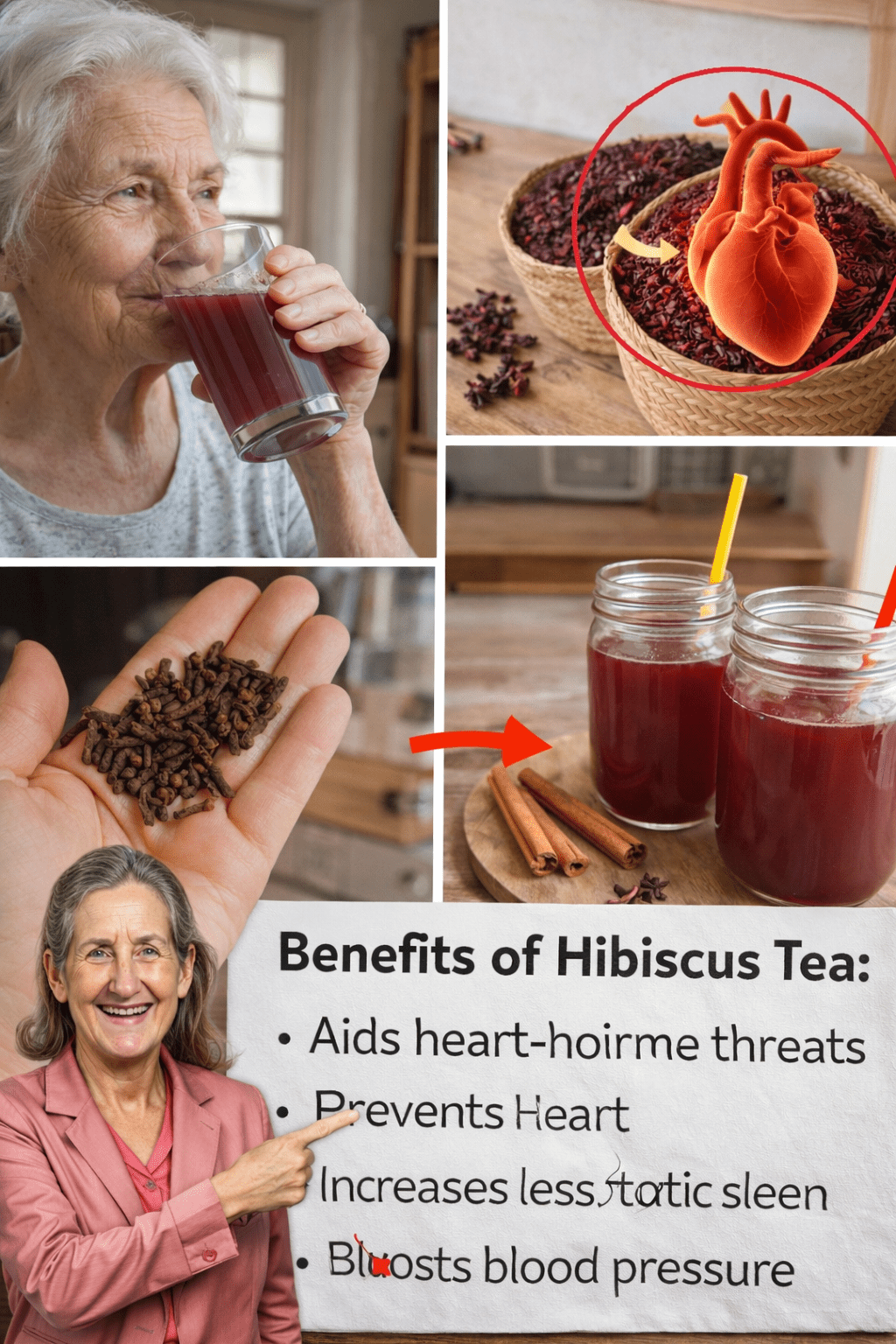
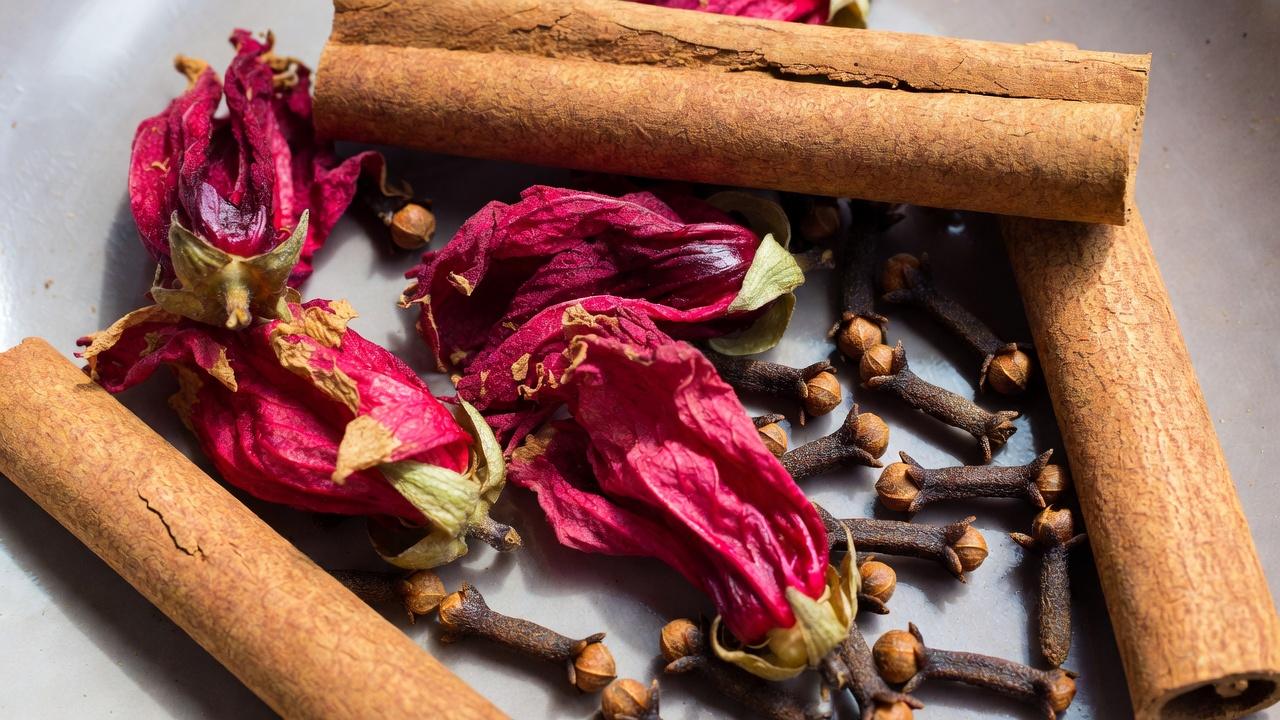
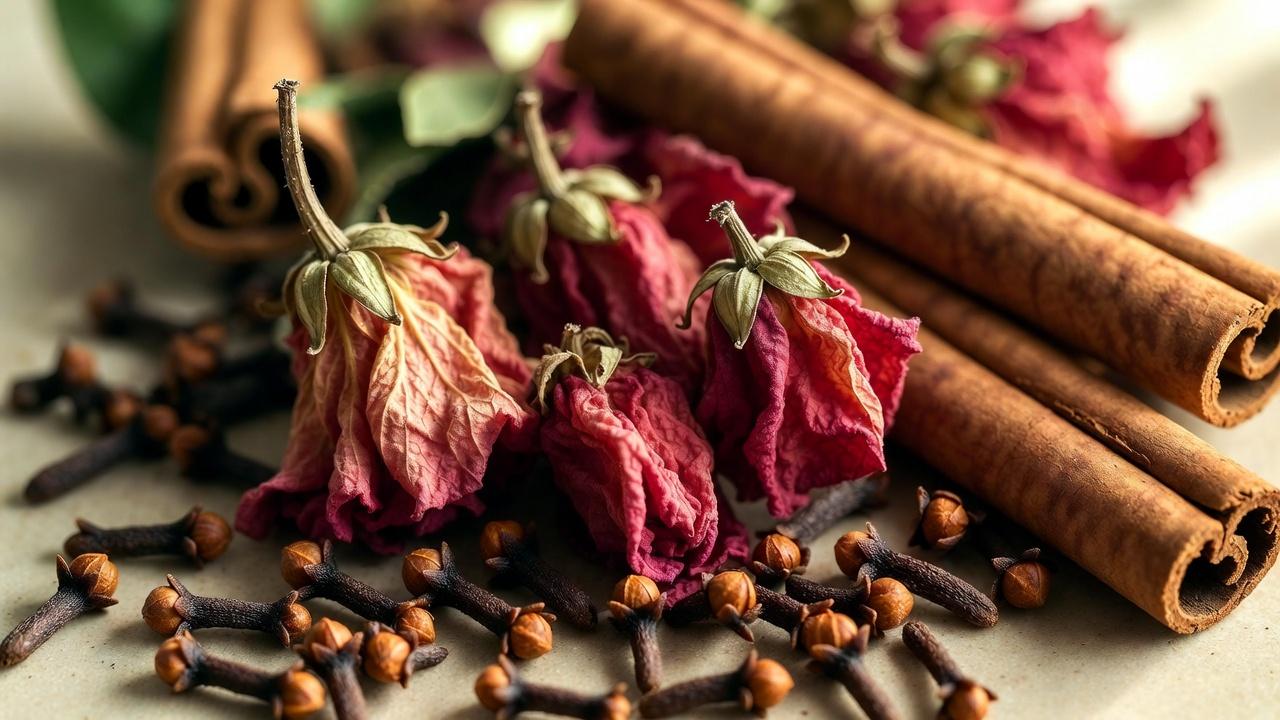
This popular drink often features dried hibiscus flowers (from Hibiscus sabdariffa), along with warming spices like cinnamon sticks and whole cloves. The deep red color comes from the hibiscus calyces, which give the tea its tart, refreshing taste reminiscent of cranberry.
People around the world have enjoyed hibiscus-based drinks for centuries, especially in warm climates where it’s served hot or iced. Adding cinnamon and cloves not only enhances the flavor with sweet-spicy notes but also brings additional plant compounds known for their traditional uses.
Research highlights that hibiscus tea stands out for its high antioxidant content—often ranking among the top herbal beverages in this regard.
Potential Benefits for Heart Health and Circulation
Studies have explored how hibiscus tea may play a supportive role in cardiovascular wellness. Multiple clinical trials and meta-analyses indicate that regular consumption of hibiscus tea can contribute to healthy blood pressure levels, particularly in people with mildly elevated readings.
For example, research published in scientific journals has shown reductions in systolic blood pressure after consistent use, sometimes comparable to certain lifestyle approaches. The natural compounds, including anthocyanins, appear to help relax blood vessels and promote better flow.
When combined with cinnamon and cloves, the blend gains extra layers of interest. Cinnamon has been studied for its potential to support healthy blood sugar regulation and reduce inflammation, while cloves provide eugenol—a compound with antioxidant properties that may aid overall comfort and digestion.
Together, these ingredients create a caffeine-free option that many find energizing without the jitters.
Here are some key potential benefits backed by research:
- Supports healthy blood pressure — Systematic reviews show hibiscus may lower systolic and diastolic readings in certain groups.
- Rich in antioxidants — Helps combat oxidative stress, which is linked to long-term wellness.
- May aid metabolic balance — Some studies note improvements in lipid profiles and glucose response.
- Promotes gentle circulation — Warming spices like cinnamon and cloves have traditional roles in supporting blood flow.
But that’s not all—many people report feeling more steady energy throughout the day after switching to herbal options like this.
How to Make Your Own Hibiscus, Cinnamon, and Clove Drink at Home
Making this supportive drink is simple and requires just a few pantry staples. Here’s a beginner-friendly recipe you can prepare in minutes:
- Gather your ingredients: 1-2 tablespoons dried hibiscus flowers, 1 cinnamon stick (or ½ teaspoon ground cinnamon), 4-5 whole cloves, and 2 cups of water.
- Boil the water in a small pot.
- Add the hibiscus, cinnamon stick, and cloves.
- Reduce heat and let it simmer for 10-15 minutes to release the flavors and compounds.
- Strain into a mug or jar.
- Optional: Sweeten lightly with honey if desired, or enjoy unsweetened for a tart kick.
- Drink 1-2 cups daily, hot or chilled over ice.
This method extracts the beneficial elements naturally. Start with one cup per day to see how your body responds.
Tips to Maximize Enjoyment and Consistency
To make this part of your daily wellness habit:
- Prepare in batches — Brew a larger pot and store in the fridge for up to 3 days.
- Experiment with strength — Steep longer for bolder flavor or shorter for milder.
- Pair it mindfully — Sip in the morning for a gentle start or in the afternoon to avoid caffeine.
- Stay hydrated — Combine with plenty of water throughout the day.
Consistency matters most—many benefits from herbal routines appear with regular use over weeks.
What the Science Says: A Quick Overview
Numerous studies, including randomized trials, have examined hibiscus tea’s effects. One notable review found significant support for blood pressure management, with greater effects in those starting from higher baselines. Additional research explores how the antioxidants may benefit lipid health and overall vitality.
While cinnamon and cloves add complementary properties—like anti-inflammatory support—the combination is often enjoyed for its taste and traditional wellness role.
Remember, these are supportive additions to a balanced lifestyle, not replacements for professional advice.
Common Questions About This Herbal Drink (FAQ)
How much hibiscus tea should I drink daily for potential benefits? Most studies use 1-3 cups per day. Start low and adjust based on how you feel.
Is this drink safe for everyone? It’s generally well-tolerated, but those on blood pressure medications or with specific conditions should check with a healthcare provider first.
Can I drink it cold or iced? Yes! Many prefer it chilled, especially in warmer weather, and it retains similar properties.
This simple herbal infusion offers an enjoyable way to support your wellness goals with natural ingredients you can find easily.
Disclaimer: This article is for informational purposes only and not intended as medical advice. Herbal drinks like hibiscus tea may interact with medications or conditions. Always consult your doctor before making significant changes to your diet, especially if you have health concerns or take prescription drugs.


