
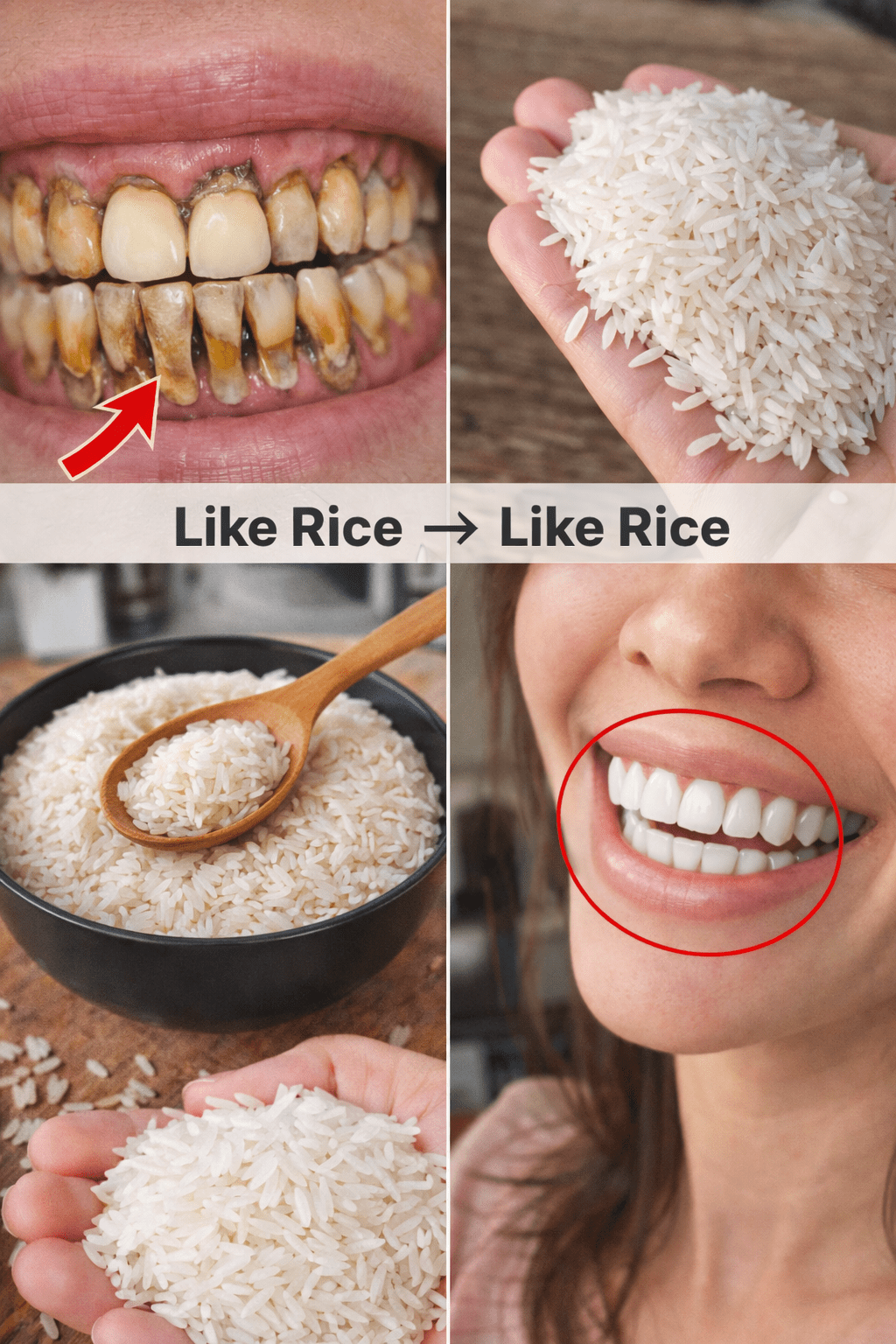
Many folks notice their teeth turning yellow over time from everyday things like sipping coffee, enjoying red wine, or even just aging naturally. This subtle change can make you feel less confident when laughing with friends or posing for pictures, turning simple joys into moments of hesitation. But lately, a home remedy called the rice method has popped up in conversations, promising a simple way to tackle this issue using something as basic as rice. Stick around, because later I’ll reveal an unexpected insight about natural remedies that might reshape your daily routine.
Understanding the Rice Method: A Closer Look
You’ve probably seen viral posts or videos touting the rice method as a quick fix for discolored teeth. But what exactly is it?
At its core, this approach involves using rice—often in the form of rice flour—as a gentle abrasive to polish away surface stains. Some variations suggest mixing it with other household items to boost its effects.
Here’s a step-by-step breakdown of a common version circulating online:
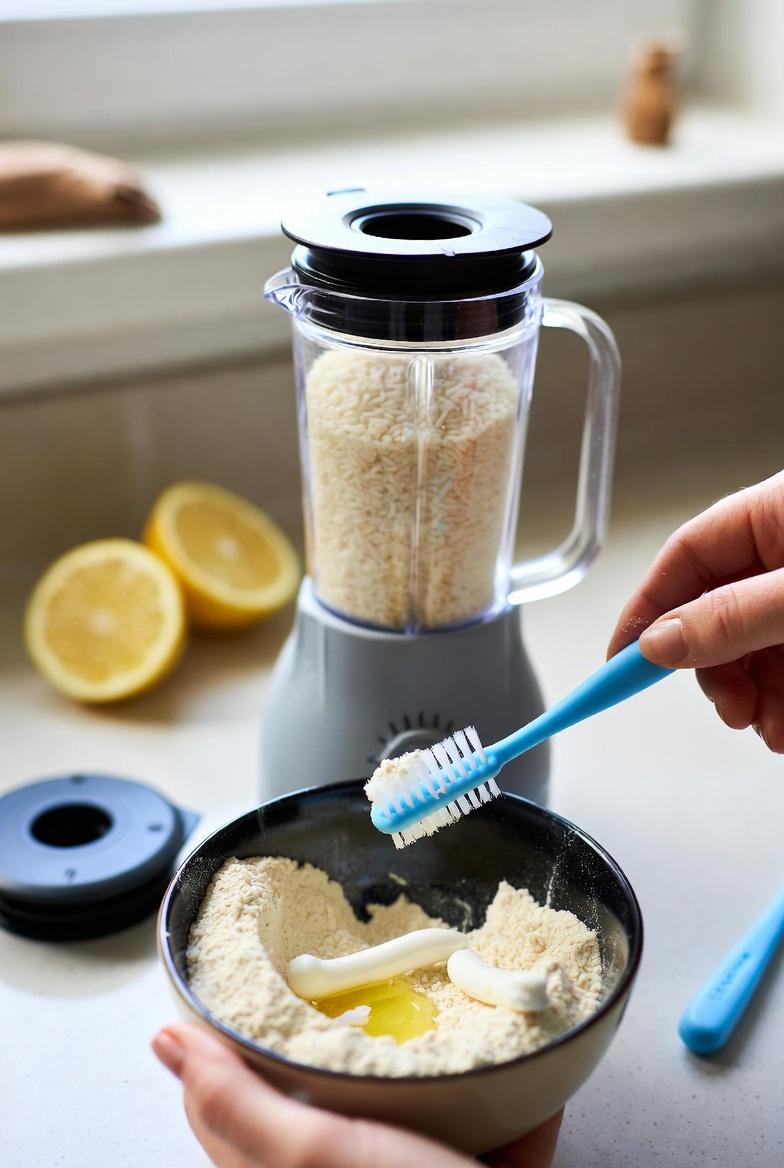
- Start with a tablespoon of uncooked rice.
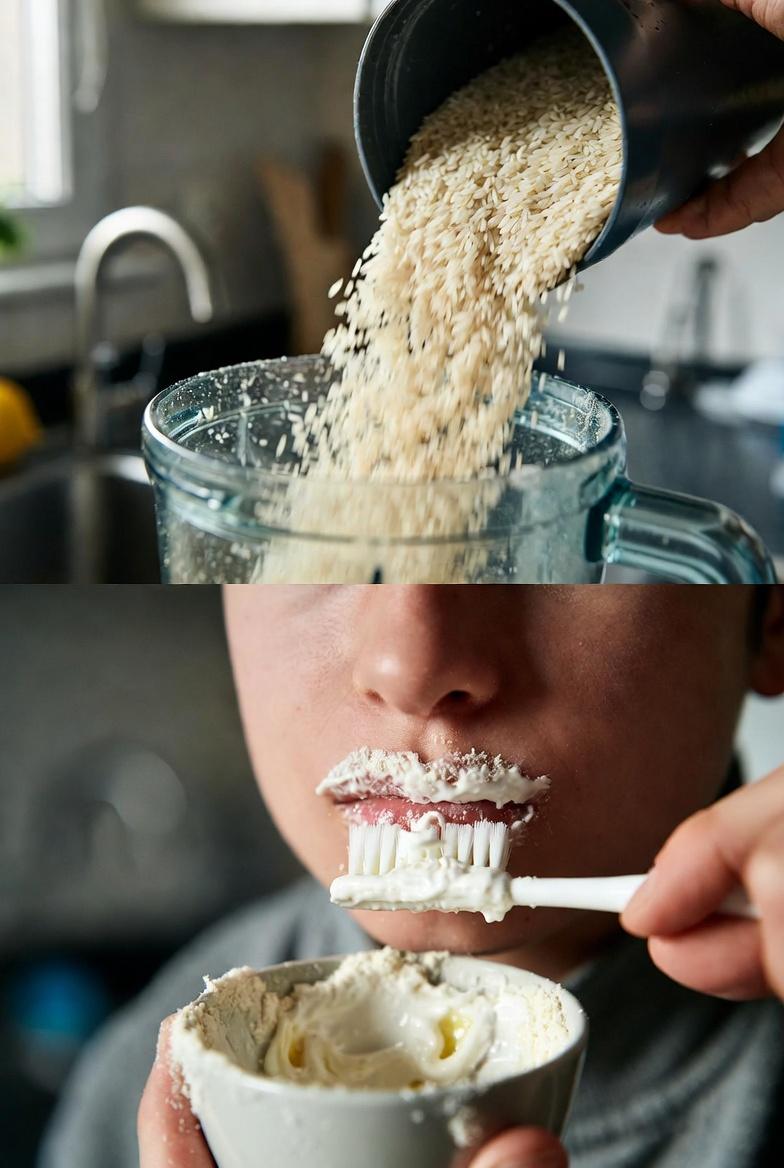
- Grind it into a fine powder using a blender or mortar and pestle.
- Mix the rice flour with a squeeze of lemon juice, a dash of olive oil, and a small amount of toothpaste.
- Apply the paste to your teeth with a soft brush or finger, gently rubbing for a minute or two.
- Rinse thoroughly with water.
Proponents claim the rice acts like a natural exfoliant, while lemon provides acidity to break down stains. But is this backed by anything solid? Let’s dig deeper.
The idea draws from traditional practices in some cultures where rice or similar grains are used for cleaning. However, modern takes seem amplified by social media buzz.
But that’s not all—variations exist. Some people recommend chewing raw rice grains to scrub teeth, though this sounds more abrasive than helpful.
The Truth Behind the Hype: Does It Really Work?
Sifting through the claims, the rice method sounds appealing because it’s cheap and uses pantry staples. Yet, when we examine it closely, the evidence is thin.
Research on natural abrasives like rice flour is limited. A study in the Journal of Clinical and Experimental Dentistry notes that mild abrasives can remove some extrinsic stains—the kind from food and drinks—but they don’t penetrate deeper like professional options do.
In reality, any polishing effect from rice might give a temporary shine, similar to brushing with baking soda. But for noticeable, lasting changes? It’s unlikely to match dedicated whitening products.
Here’s the interesting part: User anecdotes on forums like Reddit often report mixed results. Some say their teeth felt smoother, while others saw no difference after weeks.
Studies from organizations like the American Dental Association (ADA) emphasize that effective whitening typically involves peroxides, which chemically alter stain molecules. Rice lacks this component, so it might clean but not truly whiten.
Skeptics point out that much of the buzz comes from unverified social media posts, potentially driven by affiliate marketing. Always cross-check with reliable sources.
But wait, there’s more to consider before trying it yourself.
Potential Risks and Concerns with the Rice Method
While it seems harmless, using the rice method isn’t without drawbacks. Let’s break them down.
First, the abrasive nature of rice flour could wear down enamel over time if used too aggressively. Enamel is your teeth’s protective layer, and once it’s gone, it doesn’t regenerate.
Adding lemon juice amps up the risk. Lemons are highly acidic, with a pH around 2, which can soften enamel and lead to erosion. Research in the British Dental Journal warns that repeated acid exposure increases sensitivity and decay chances.
Olive oil and toothpaste in the mix? Oil might add slipperiness, but it doesn’t counteract the acid. Toothpaste could buffer slightly, yet it’s not designed for this combo.
Other concerns include:
- Allergic reactions: If you’re sensitive to any ingredient, it could irritate gums.
- Inconsistent results: Without standardization, you might overdo it, causing uneven wear.
- Hygiene issues: Grinding rice at home risks contamination if not done cleanly.
Dentists often advise against DIY mixes with acids, as they can disrupt oral pH balance. A review in the Journal of the American Dental Association highlights how home remedies sometimes cause more harm than good.
The truth is, while occasional use might not hurt, relying on it could delay proper care. If you have existing dental issues like cavities, this could worsen them.
Proven Alternatives: What Actually Supports a Brighter Smile
If the rice method falls short, what options do hold up under scrutiny? Plenty of evidence-based approaches exist.
Start with daily habits. Brushing twice a day with fluoride toothpaste removes plaque and prevents new stains. Flossing daily keeps interdental areas clean.
For whitening, consider over-the-counter (OTC) products approved by the ADA. These contain hydrogen peroxide or carbamide peroxide, which safely break down stains.
Here’s a comparison table of common methods:
| Method | How It Works | Pros | Cons | Estimated Cost |
|---|---|---|---|---|
| Whitening Toothpaste | Uses mild abrasives and chemicals to polish. | Easy to incorporate; affordable. | Slow results; minimal whitening. | $5–10 per tube |
| Whitening Strips | Thin films with peroxide gel applied to teeth. | Convenient; visible results in 1–2 weeks. | Can cause sensitivity; not for crooked teeth. | $20–50 per box |
| Professional In-Office Whitening | Dentist applies high-concentration gel with light activation. | Fast (1 hour); dramatic changes. | Higher cost; possible temporary sensitivity. | $300–800 per session |
| Custom Trays from Dentist | At-home use with professional-grade gel. | Tailored fit; effective over time. | Initial visit needed; ongoing gel refills. | $200–500 initial, plus refills |
Studies, like one in the Journal of Esthetic and Restorative Dentistry, show peroxide-based methods can lighten teeth by several shades safely when used as directed.
Natural alternatives? Oil pulling with coconut oil has some fans, but a Cochrane review found limited evidence for whitening. Instead, focus on stain-preventing foods like crunchy veggies that naturally clean teeth.
Actionable tips to try today:
- Rinse your mouth with water after meals to wash away residues.
- Use a straw for staining drinks to minimize contact.
- Schedule regular dental check-ups for professional cleanings.
- If trying OTC, start with low concentrations to test sensitivity.
Remember, results vary by individual factors like age and original tooth color.
Lifestyle Changes to Maintain Your Smile
Beyond specific methods, broader habits play a role in smile health.
Limit staining culprits: Coffee, tea, and berries are notorious, but you don’t have to quit them. Just moderate and rinse afterward.
Boost oral hygiene: Electric toothbrushes can remove more plaque than manual ones, per a study in the International Journal of Dental Hygiene.
Nutrition matters too. Foods rich in calcium, like dairy or leafy greens, support enamel strength. Avoid excessive sugar, as it feeds bacteria that cause discoloration.
Here’s a quick list of smile-friendly foods:
- Apples: Act as natural scrubbers.
- Cheese: Neutralizes acids.
- Strawberries: Contain malic acid for mild polishing (but use sparingly).
- Water: Keeps mouth hydrated and rinses debris.
Incorporating these can enhance any whitening efforts.
But here’s the part that’s often overlooked: Stress management. Grinding teeth from stress can crack enamel, leading to more stains. Techniques like mindfulness might indirectly help.
Wrapping It Up: Making Informed Choices for Your Smile
Exploring the rice method reveals it’s more hype than proven solution, with potential for enamel wear from its abrasive and acidic elements. Instead, opt for ADA-approved products or professional advice for safer, more reliable results.
The surprising twist? Many “miracle” remedies overlook that true smile health starts with consistent basics—brushing, flossing, and check-ups—rather than quick fixes.
Prioritize what fits your lifestyle, and consult a dentist for personalized guidance.
Frequently Asked Questions
What causes teeth to yellow in the first place?
Teeth can discolor from external factors like food, drinks, and smoking, or internal ones like medications and aging. Research shows plaque buildup accelerates this process.
How long do whitening results typically last?
It depends on habits, but OTC methods might last 6 months to a year, while professional ones can extend to 2–3 years with maintenance, according to dental studies.
Can everyone try whitening methods?
Not always—those with sensitive teeth, restorations, or gum issues should check with a dentist first to avoid complications.
Disclaimer: This article provides general information and is not a substitute for professional medical advice. Always consult your dentist before trying new oral care practices.
(Word count: 1,248)


