
Many people struggle with recurring minor infections, especially during seasonal changes when the immune system feels under pressure. These everyday challenges can leave you feeling run-down, with low energy and discomfort that disrupts daily life. The good news is that nature offers supportive options — and one of the most researched is garlic, a kitchen staple with a long history of traditional use.
But here’s something intriguing: studies suggest that certain compounds in garlic may help support the body’s natural resistance in surprising ways. Stick around to the end, because we’ll share practical tips on how to incorporate it for maximum potential benefits.
What Makes Garlic Special? The Science Behind Its Compounds
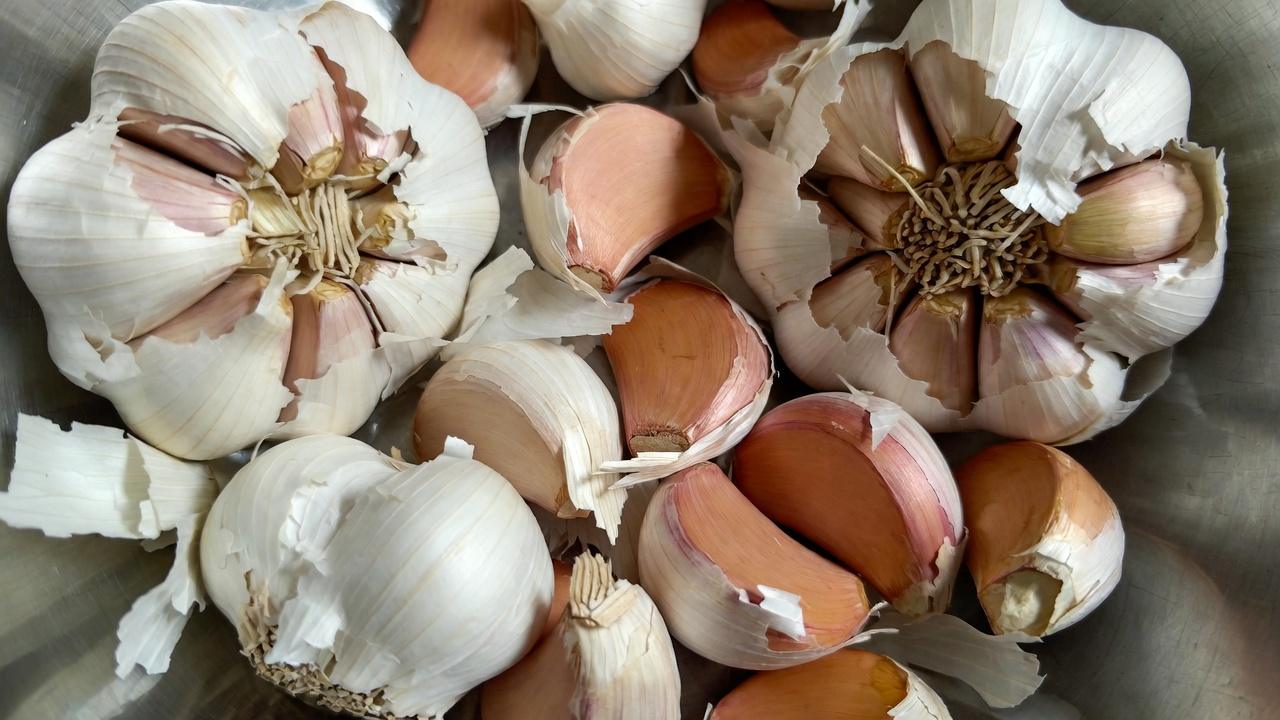
Garlic (Allium sativum) has been valued for centuries, and modern research continues to explore its bioactive components. The star player is allicin, a sulfur-containing compound formed when fresh garlic is crushed or chopped. This happens through an enzymatic reaction between alliin (a precursor) and the enzyme alliinase.
Research, including studies published in journals like Microbes and Infection, shows that allicin exhibits broad antimicrobial properties in lab settings. It interacts with thiol groups in enzymes, potentially disrupting certain bacterial processes. Garlic preparations have demonstrated activity against a range of Gram-positive and Gram-negative bacteria, such as strains of Escherichia, Salmonella, Staphylococcus, and others.
But that’s not all… Other organosulfur compounds like ajoene, diallyl sulfides, and vinyldithiins also contribute, and some show stability even after light processing. While garlic isn’t a replacement for medical treatments, its potential to support overall wellness is backed by numerous in vitro (test-tube) studies.
How Garlic May Help Support the Body Against Bacteria and Infections
Laboratory research highlights garlic’s interesting profile. For example:
- Allicin has shown inhibitory effects against various bacteria, including some multidrug-resistant strains.
- Studies indicate activity against common pathogens linked to foodborne issues or respiratory concerns.
- Garlic extracts have been tested against biofilms — protective layers bacteria form — which can make infections harder to manage.
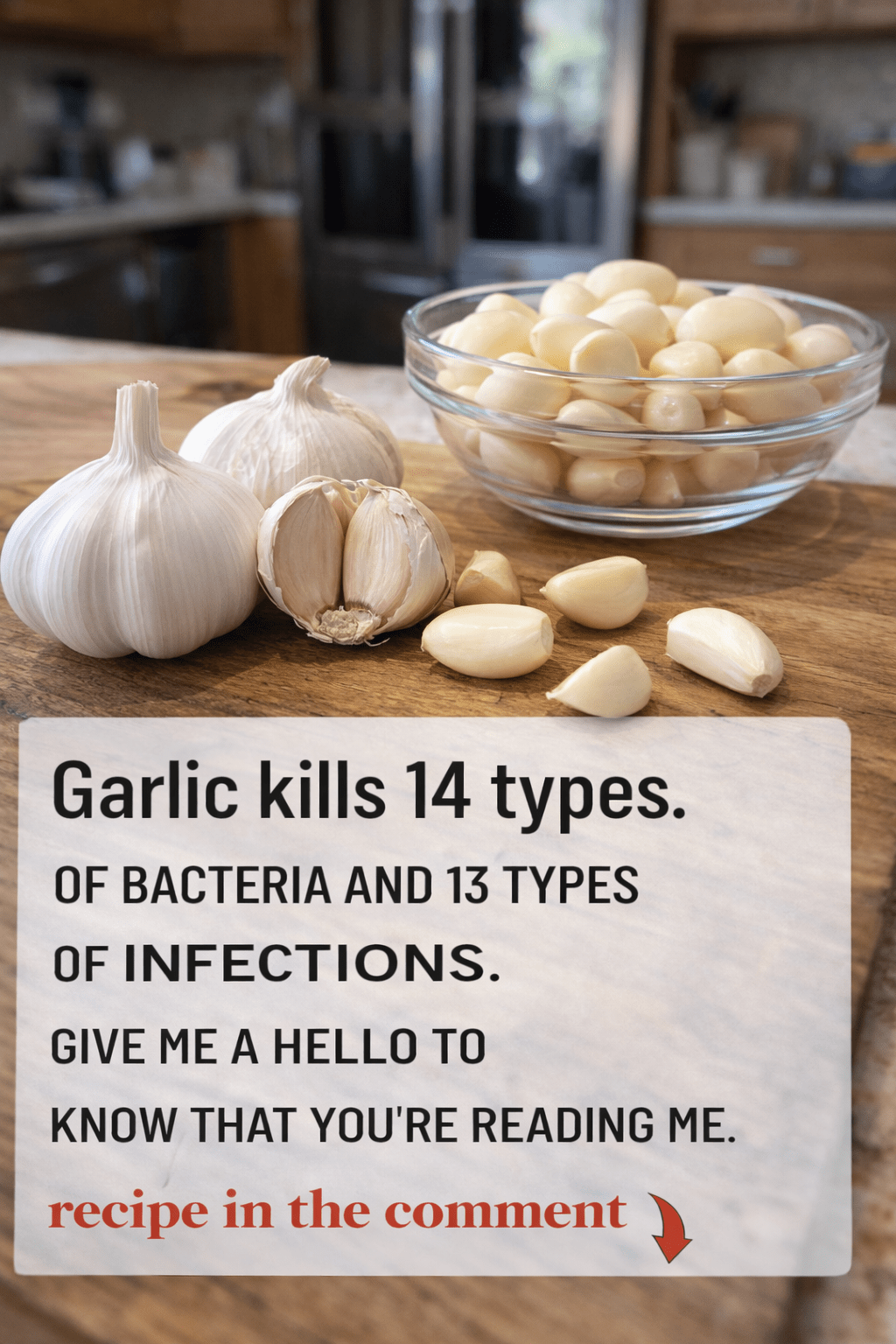
While claims of “killing 14 types of bacteria and 13 types of infections” circulate online, scientific evidence points to a broad spectrum rather than exact numbers. Reviews in sources like PubMed emphasize garlic’s potential against Gram-positive, Gram-negative, and even some acid-fast bacteria.
This doesn’t mean garlic cures infections, but it may offer supportive benefits when part of a healthy lifestyle.
Here are some key bacteria commonly studied in relation to garlic’s antimicrobial properties:
- Escherichia coli (including certain strains)
- Staphylococcus aureus (including some resistant types)
- Salmonella species
- Helicobacter pylori
- Bacillus species
- Pseudomonas (variable results, depending on strain)
These findings come from controlled lab experiments, and human studies are ongoing to better understand real-world applications.
Practical Ways to Incorporate Garlic Into Your Daily Routine
To potentially maximize garlic’s supportive compounds, focus on fresh forms — since heat can reduce allicin levels.
Follow these actionable steps:
- Crush and wait: Chop or crush 1-2 fresh cloves, then let them sit for 10-15 minutes. This allows maximum allicin formation.
- Eat raw or lightly cooked: Add to salads, dressings, or spreads. Raw provides the strongest potential, but even lightly sautéed retains benefits.
- Daily dose ideas:
- Mix minced garlic into olive oil for a simple dressing.
- Stir into cooled soups or sauces (add at the end to preserve compounds).
- Spread roasted garlic on whole-grain toast for a milder flavor.
- Try garlic tea: Steep crushed cloves in hot water for 5-10 minutes.
Pro tip: Start with small amounts if you’re new to raw garlic — it can be strong! Pairing with food helps digestion.
Many experts suggest 1-2 cloves per day for general wellness support.
Tips for Getting the Most Out of Garlic
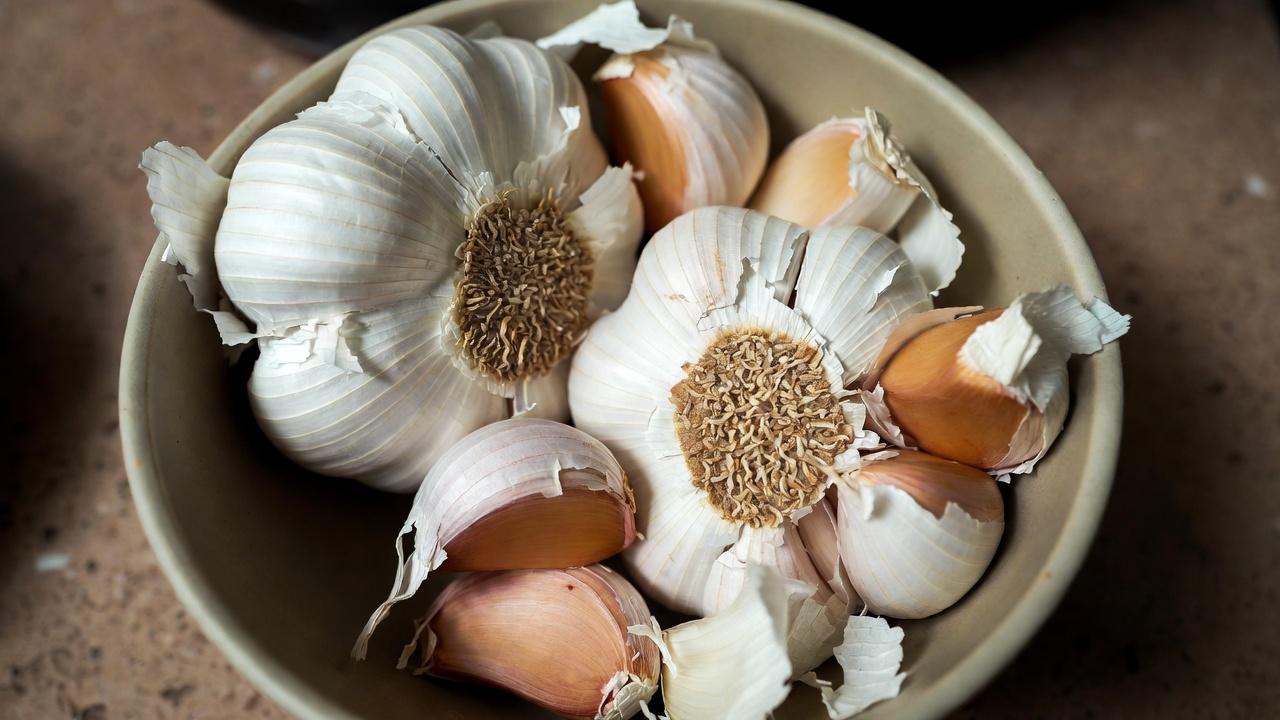
- Choose fresh: Opt for firm, plump bulbs without sprouts (sprouts can indicate older garlic with reduced potency).
- Store properly: Keep in a cool, dry place — refrigeration can cause sprouting.
- Combine wisely: Pair with other immune-friendly foods like ginger or honey for added flavor and synergy.
- Be consistent: Like many natural supports, benefits build with regular use.
Remember, variety is key — include garlic as part of a balanced diet rich in fruits, vegetables, and whole foods.
Conclusion: A Simple Addition With Potential
Garlic stands out as an accessible, flavorful way to support your body’s natural defenses. From its key compound allicin to broad lab-tested properties, research continues to uncover why this humble bulb has earned its reputation. Whether you crush it fresh or add it to meals, small daily habits can make a difference in overall wellness.
If you’re dealing with persistent health concerns, always consult a healthcare professional — natural supports work best alongside proper medical advice.
Disclaimer: This article is for informational purposes only and not intended to diagnose, treat, cure, or prevent any disease. Garlic may interact with certain medications (like blood thinners), so speak with your doctor before making significant changes, especially if you have health conditions.
Frequently Asked Questions (FAQ)
Is raw garlic better than cooked for health benefits? Yes, raw or minimally processed garlic tends to preserve more allicin, the key compound. Letting crushed garlic sit before eating or cooking lightly helps retain benefits.
How much garlic should I eat daily? Most studies suggest 1-2 fresh cloves per day. Start small to avoid digestive discomfort, and adjust based on your tolerance.
Can garlic replace antibiotics? No — garlic offers supportive properties in lab settings, but it’s not a substitute for prescribed antibiotics or medical treatment. Use it as a complementary part of a healthy lifestyle.


