
Many people worry about maintaining smooth blood flow and strong cardiovascular health as they age, especially with busy lifestyles, stress, and less-than-perfect eating habits taking a toll over time. Poor circulation can leave you feeling tired, with occasional discomfort in your legs or cold hands and feet, while keeping your heart in top shape becomes a daily priority for long-term wellness. The good news? Simple changes to your diet, focusing on nutrient-rich foods, can play a supportive role in promoting better circulation and overall heart health.
But here’s the exciting part: certain everyday foods stand out for their potential to help your body maintain healthy blood vessels and flow — and we’ll reveal the most powerful ones (including one surprising kitchen staple) later in this article.
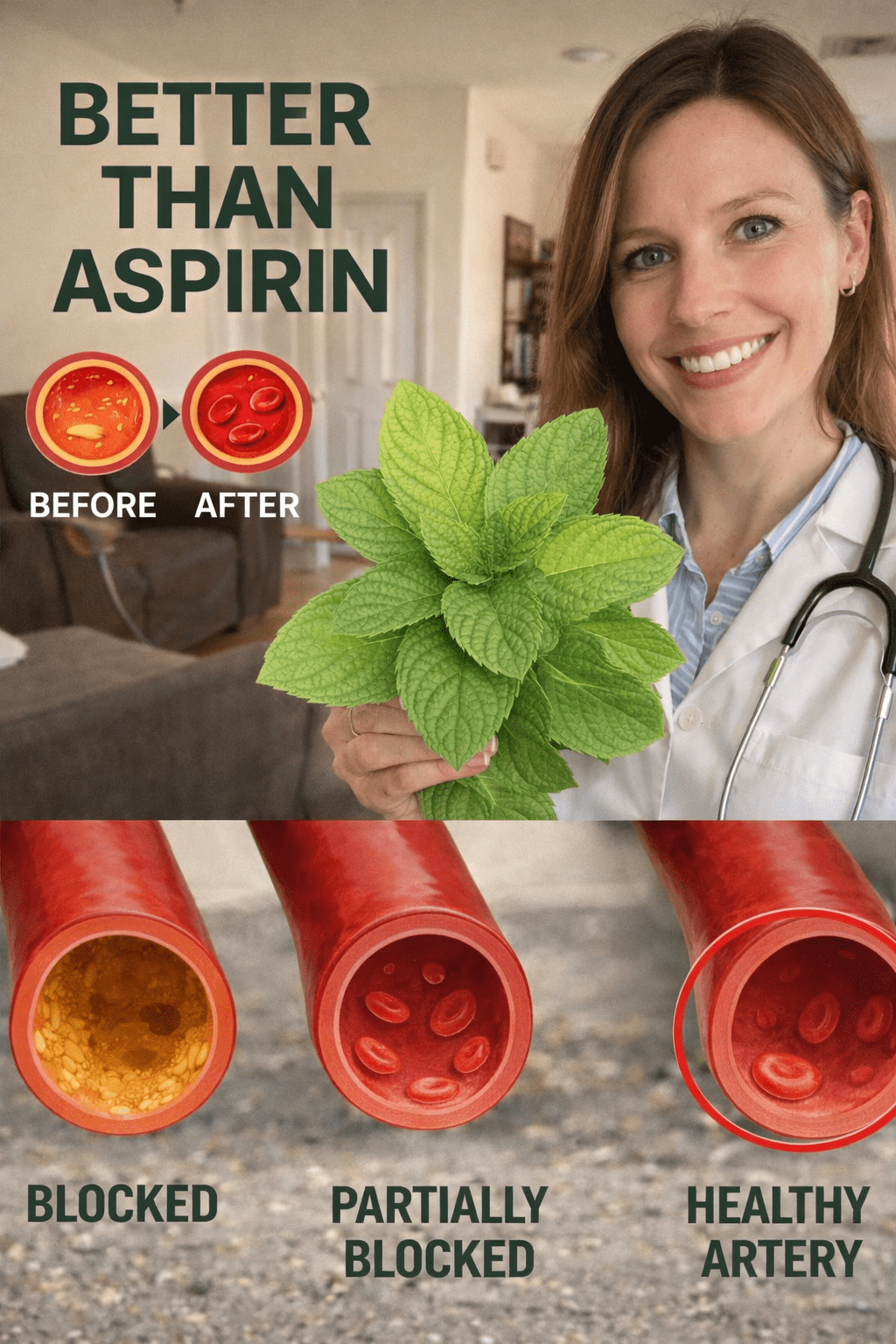
Why Blood Flow Matters for Heart Wellness
Healthy blood flow delivers oxygen and nutrients to every part of your body while helping remove waste. When circulation stays optimal, your heart doesn’t have to work as hard, and you may enjoy more energy throughout the day. Research from sources like Harvard Health and the American Heart Association highlights how a diet rich in plant-based foods supports this process by providing antioxidants, nitrates, and healthy compounds that encourage relaxed blood vessels.
The key isn’t about miracle fixes — it’s about consistent, smart choices that add up over time.
Top Foods That May Help Support Circulation and Cardiovascular Health
Studies suggest several foods contain natural compounds that promote better blood vessel function and flow. Here’s a closer look at some of the most researched options.
1. Garlic: A Kitchen Staple with Impressive Potential
Garlic has been used for centuries and modern research backs its role in heart health. Compounds like allicin may help relax blood vessels and support healthy blood pressure levels.
Research shows that regular garlic consumption is linked to improved circulation and reduced cardiovascular risk factors. Try adding fresh garlic to your meals for the best benefits — crush or chop it and let it sit for a few minutes to activate its active compounds.
Here are easy ways to use garlic daily:
- Add minced garlic to stir-fries, soups, or roasted vegetables
- Mix into salad dressings or spreads
- Roast whole bulbs for a milder flavor
But that’s not the only powerhouse…
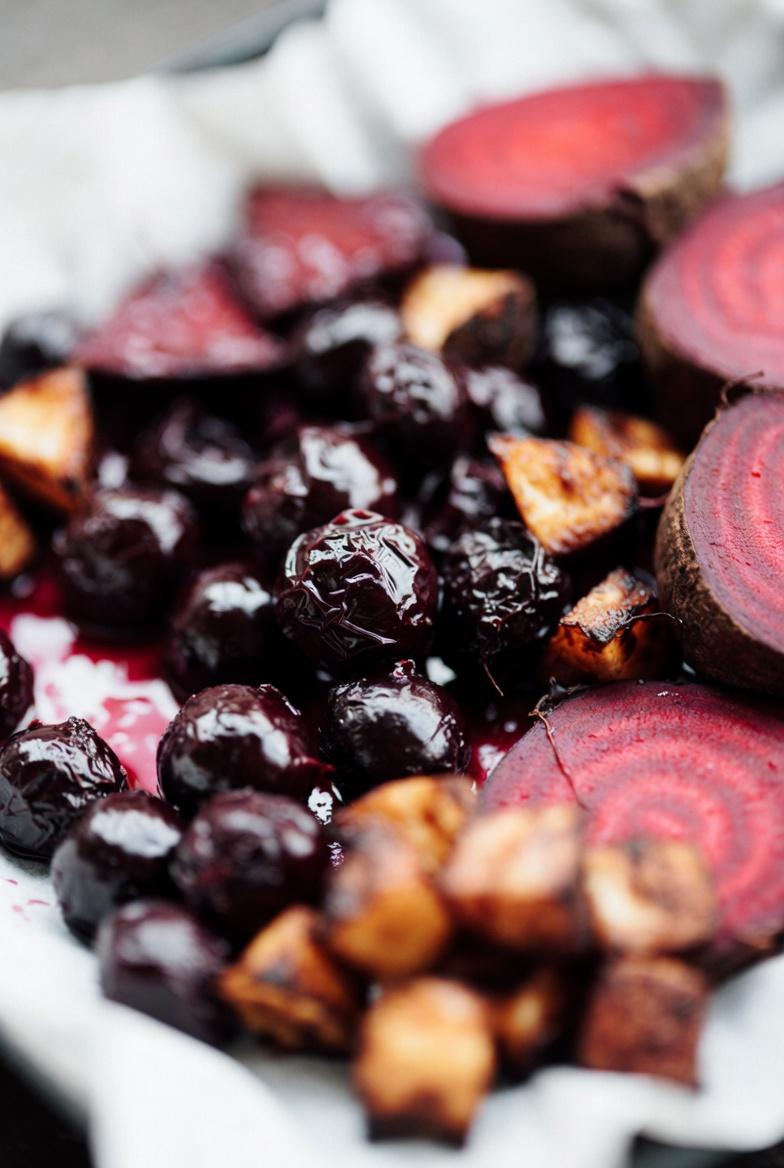
2. Beets: Nature’s Nitrate-Rich Boost
Beets are packed with dietary nitrates, which your body converts to nitric oxide — a compound that helps blood vessels relax and supports healthy flow. Athletes often use beet juice for performance, and studies indicate it may benefit blood pressure and circulation too.
Enjoy beets roasted, in salads, or as juice. Start small if you’re new to them — their earthy taste pairs well with lemon or herbs.
3. Berries: Antioxidant Powerhouses
Berries like blueberries, strawberries, and raspberries are loaded with flavonoids and polyphenols. These antioxidants may help reduce inflammation and support artery function, according to various studies on heart-healthy eating patterns.
Add a handful to yogurt, oatmeal, or smoothies — fresh or frozen both work great.
4. Cayenne Pepper and Other Spices: A Spicy Circulation Supporter
Cayenne pepper contains capsaicin, which may encourage blood vessel relaxation and better flow. Turmeric, with its curcumin, offers anti-inflammatory benefits that complement heart wellness.
Use them in cooking: sprinkle cayenne in soups or teas, and add turmeric to curries or golden milk.
Quick Comparison of Circulation-Supporting Foods
| Food | Key Compound | Potential Benefit | Easy Way to Add It |
|---|---|---|---|
| Garlic | Allicin | Supports vessel relaxation & flow | Fresh in savory dishes |
| Beets | Nitrates | Helps produce nitric oxide | Roasted or juiced |
| Berries | Flavonoids | Antioxidant protection | In breakfast or snacks |
| Cayenne Pepper | Capsaicin | May aid vessel dilation | In spice blends or teas |
| Turmeric | Curcumin | Anti-inflammatory support | With black pepper in recipes |
This table makes it simple to mix and match — aim for variety to get the broadest benefits.
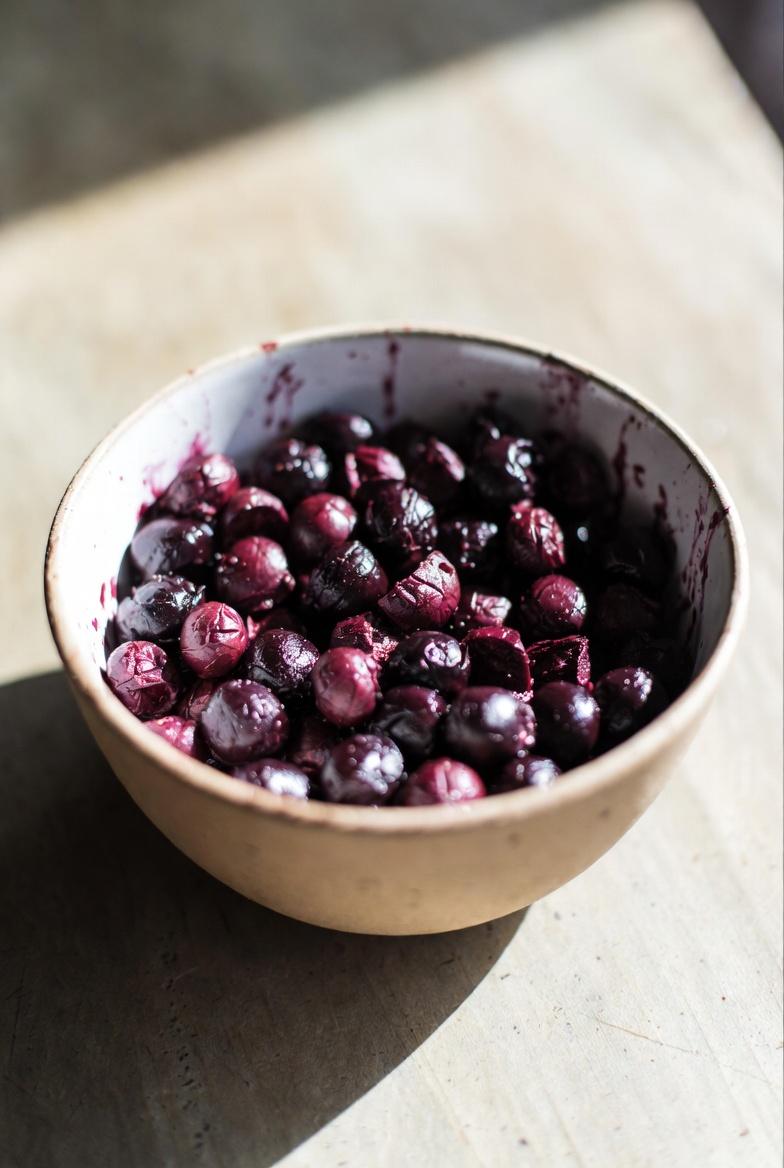
Actionable Tips to Incorporate These Foods Today
Want to start supporting your circulation right now? Follow these simple steps:
- Start your day with berries — top oatmeal or yogurt with a handful for an antioxidant kick.
- Add garlic to at least one meal daily — it’s versatile and flavorful.
- Include beets 2–3 times a week — roast them with olive oil for a side dish.
- Spice things up — add a pinch of cayenne or turmeric to soups, eggs, or teas.
- Drink water — hydration helps blood flow, so pair these foods with plenty of fluids.
Small, consistent habits like these can make a noticeable difference in how you feel.
And remember that surprising kitchen staple we mentioned? Many experts point to garlic as one of the most accessible and researched options for daily support — often more potent than you might expect when used fresh!
Conclusion: Build Heart Wellness One Bite at a Time
Incorporating these nutrient-dense foods into your routine offers a natural, enjoyable way to support healthy blood flow and cardiovascular wellness. Focus on whole foods, balance, and consistency — your heart will thank you. Always pair dietary changes with regular activity, stress management, and routine check-ups for the best results.
Frequently Asked Questions
What is the best time to eat garlic for circulation benefits? Many people find adding it to meals throughout the day works well. Fresh garlic offers the most active compounds, so use it in cooking rather than relying solely on supplements.
Can these foods replace medication? No — these foods support overall wellness but should complement, not replace, any prescribed treatments. Always consult your healthcare provider.
How much cayenne pepper is safe to use daily? Start with small amounts (1/4–1/2 teaspoon) in food to avoid stomach upset, and build up as tolerated.
Disclaimer: This article is for informational purposes only and is not intended to diagnose, treat, cure, or prevent any disease. The information provided is not a substitute for professional medical advice. Please consult your doctor or qualified healthcare provider before making any changes to your diet or health routine, especially if you have existing health conditions or take medications.


